

Why Choose Türkiye for Varicocele and Male Infertility Treatment?
Türkiye has emerged as a global leader in medical tourism, particularly for urological and reproductive health. Istanbul, with its state-of-the-art hospitals and internationally trained specialists, offers advanced treatments for varicocele and male infertility at a fraction of the cost compared to Western Europe or North America. The country's commitment to healthcare innovation, combined with a patient-centric approach, ensures that men seeking help for fertility issues receive the highest standard of care in a discreet and respectful environment.
Varicocele, a condition characterized by enlarged veins in the scrotum, is a leading cause of male infertility, affecting up to 15% of men and contributing to 40% of primary infertility cases. Turkish clinics specialize in microsurgical varicocelectomy, a precise procedure that ligates the affected veins while preserving lymphatic and arterial supply, significantly improving sperm parameters and pregnancy rates. Beyond surgery, comprehensive male fertility assessments in Türkiye include hormonal profiling, genetic testing, and advanced semen analysis, providing a holistic understanding of each patient's condition.
What sets Türkiye apart is the seamless integration of privacy, expertise, and success. Clinics prioritize confidentiality, offering private consultations and discreet treatment plans. The success rates for microsurgical varicocelectomy in Türkiye often exceed 85% in terms of improvement in sperm motility and morphology, with pregnancy rates ranging from 30% to 60% within a year post-procedure. For many couples, this journey culminates in the joy of parenthood, supported by a healthcare system that truly cares.
Step 1: Research and Select the Right Clinic and Specialist
The foundation of a successful medical trip is choosing a reputable clinic and a surgeon with proven expertise in male infertility. Türkiye boasts numerous JCI-accredited hospitals and specialized fertility centers, particularly in Istanbul, Ankara, and Antalya. Look for urologists who are members of international societies such as the European Association of Urology (EAU) or the American Society for Reproductive Medicine (ASRM). Clinics like Acıbadem, Memorial, and Medicana are renowned for their urology departments and fertility units.
When evaluating clinics, consider their experience with microsurgical varicocelectomy—a technique that requires advanced microsurgical skills. Ask about the surgeon's annual case volume, success rates, and whether they use intraoperative Doppler ultrasound to ensure complete ligation of veins. Also, inquire about the availability of comprehensive male fertility assessments, including tests like sperm DNA fragmentation, which can provide deeper insights into fertility potential.
Online platforms and medical tourism agencies can facilitate your search, but always verify credentials directly with the clinic. Read patient testimonials and check for international patient services, including language support in English, Arabic, Russian, or other languages. A well-structured clinic will provide a dedicated coordinator to guide you through the process, from initial consultation to post-operative care.
Step 2: Understanding the Medical Procedures and Assessments
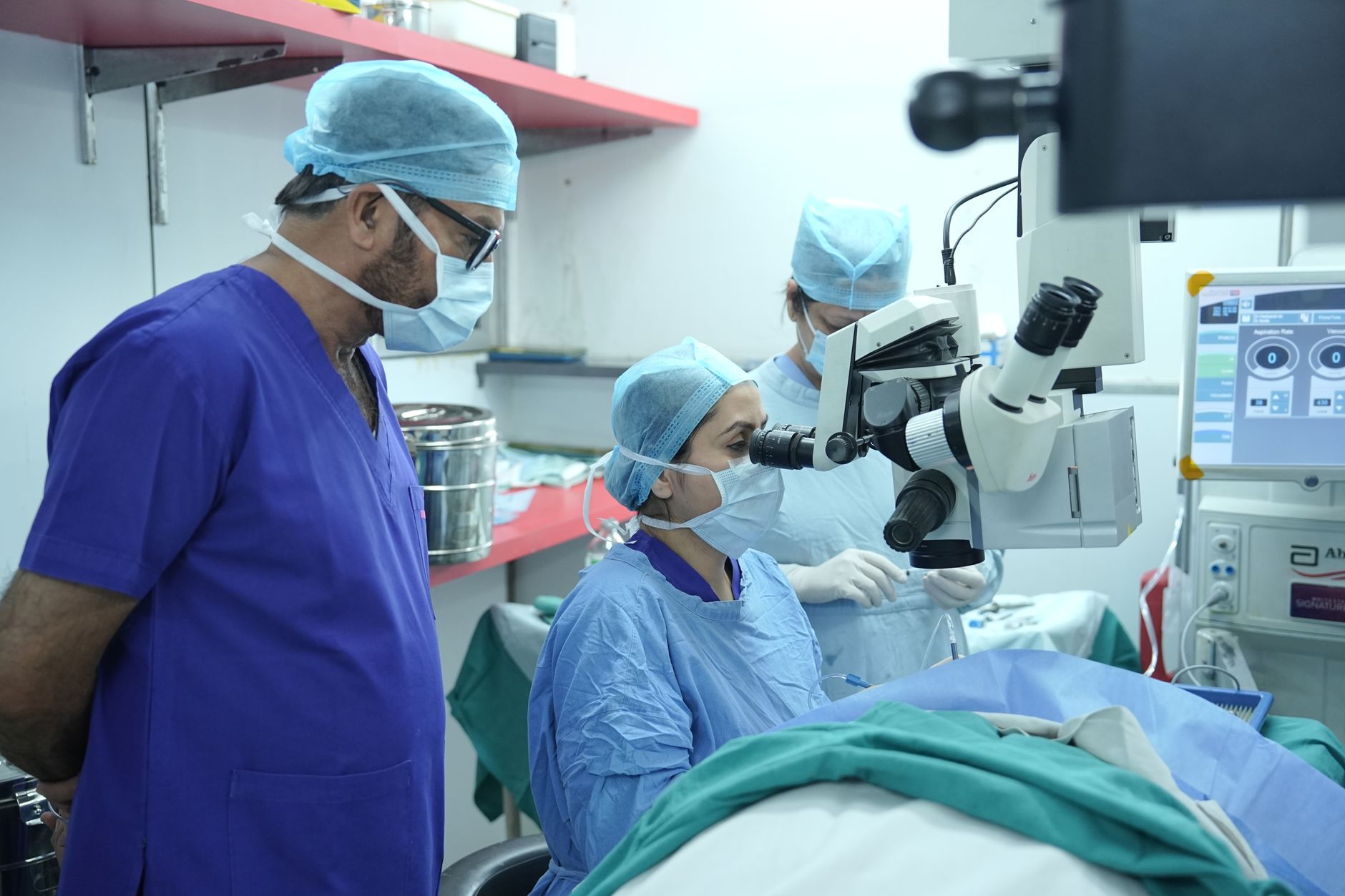
Microsurgical varicocelectomy is considered the gold standard for treating varicocele. During the procedure, the surgeon makes a small incision in the groin or abdomen, identifies the dilated veins using a microscope, and carefully ties them off while preserving the testicular artery and lymphatics. This outpatient surgery typically takes 1-2 hours and is performed under local or general anesthesia. Recovery is quick, with most men resuming light activities within a few days and full recovery in about two weeks. The procedure not only alleviates pain but also improves sperm quality in approximately 70% of cases, leading to higher natural pregnancy rates or enhanced outcomes in assisted reproduction.
In addition to surgical treatment, comprehensive male fertility assessments are crucial. These include a detailed medical history, physical examination, and semen analysis (sperm count, motility, morphology). Hormonal tests (FSH, LH, testosterone, prolactin) help identify endocrine imbalances. Genetic testing (karyotype, Y-chromosome microdeletion) may be recommended for severe cases. Advanced tests such as sperm DNA fragmentation and reactive oxygen species (ROS) assays provide further clarity. Turkish clinics often bundle these assessments into packages, ensuring a thorough evaluation before any intervention.
For men with non-obstructive azoospermia or other complex conditions, Türkiye offers micro-TESE (testicular sperm extraction) combined with ICSI (intracytoplasmic sperm injection) for IVF. This multidisciplinary approach brings together urologists and reproductive endocrinologists to maximize the chances of biological fatherhood. The availability of such comprehensive services under one roof is a significant advantage of choosing Türkiye.

Step 3: Planning Your Trip – Logistics, Accommodation, and Privacy
Once you've selected a clinic, the next step is to plan your travel. Istanbul is a major hub with direct flights from most countries. The best time to visit is spring (April-May) or autumn (September-November) when the weather is pleasant. For medical trips, plan to stay for at least 7-10 days: initial consultations and assessments take 1-2 days, surgery is usually on day 2 or 3, and a follow-up appointment occurs before departure. Your clinic's international patient department can assist with visa invitation letters if needed.
Accommodation options range from luxury hotels to boutique guesthouses, with many clinics partnering with nearby hotels to offer discounted rates. Choose accommodation that prioritizes privacy and comfort, as rest is essential post-surgery. Some clinics have private recovery suites or affiliated hotels with medical concierge services. It's wise to book a room with a kitchenette or easy access to room service to maintain a healthy diet during recovery.
Privacy is paramount in male fertility treatment. Turkish clinics are well-versed in catering to international patients who value discretion. Consultations are conducted in private rooms, and medical records are handled confidentially. Many clinics offer separate entrances or VIP services for high-profile individuals. You can discuss your privacy preferences with your coordinator in advance to ensure a comfortable experience.

Step 4: Cost Considerations and What's Included
One of the main reasons men choose Türkiye is the cost savings. A microsurgical varicocelectomy in Türkiye typically costs between $2,000 and $4,000, compared to $8,000-$15,000 in the United States or £4,000-£7,000 in the UK. Comprehensive male fertility assessment packages range from $500 to $1,500, depending on the tests included. These prices often cover hospital stay, surgeon fees, anesthesia, medications, and follow-up visits. However, always request a detailed quote to avoid hidden costs.
Many clinics offer all-inclusive packages that combine surgery, assessments, accommodation, and airport transfers. For example, a package might include a 3-night hospital stay, 5 nights in a hotel, all medical tests, and a private nurse. Some clinics also provide complementary services like nutritional counseling or psychological support, recognizing the emotional toll of infertility. It's advisable to check whether the package includes sperm freezing, should you wish to preserve fertility before surgery.
When comparing costs, consider the value of expertise and technology. Turkish clinics invest in advanced microscopes and minimally invasive techniques, which contribute to better outcomes. Additionally, the favorable exchange rate makes Türkiye an affordable destination without compromising quality. Remember to factor in travel insurance that covers medical complications, though many clinics have low complication rates.

Step 5: Preparing for Surgery and Recovery
Before traveling, your clinic will provide pre-operative instructions. These may include fasting before surgery, stopping certain medications (like blood thinners), and arranging for a companion to accompany you. It's also recommended to undergo any necessary tests in your home country and share the results with your Turkish doctor to streamline the process. On arrival, you'll have a consultation to finalize the treatment plan and sign consent forms.
The surgery itself is usually performed on an outpatient basis, but some clinics prefer an overnight stay for observation. Post-surgery, you'll be given pain medication and instructions for wound care. Ice packs can help reduce swelling. Avoid strenuous activities and heavy lifting for at least two weeks. Most men experience mild discomfort, but serious complications are rare. A follow-up appointment within a week ensures proper healing.
Recovery also involves emotional care. Infertility can be stressful, and the journey to parenthood may take time. Turkish clinics often provide access to counselors or support groups. Remember that improvement in sperm parameters may take 3-6 months, so patience is key. Your doctor will schedule a semen analysis at 3 and 6 months to assess the outcome. Many couples conceive naturally within a year after varicocelectomy, while others may proceed to assisted reproduction with improved success rates.
Success Rates, Privacy, and the Journey to Parenthood
Türkiye's success rates for microsurgical varicocelectomy are impressive, with studies reporting significant improvements in sperm count, motility, and morphology in over 70% of patients. Pregnancy rates following the procedure range from 30% to 60%, depending on factors like female partner's age and fertility status. These outcomes are comparable to leading global centers, yet achieved at a lower cost. The expertise of Turkish surgeons, who often train abroad and participate in international research, ensures that patients receive cutting-edge care.
Privacy is not just a promise; it's a practice. From the moment you inquire, your information is handled with utmost confidentiality. Clinics understand that male infertility is a sensitive issue and strive to create a safe, non-judgmental environment. Private consultation rooms, discreet billing, and optional anonymous records are some of the ways privacy is maintained. This allows patients to focus on their health and well-being without concerns about stigma.
Ultimately, the goal is parenthood. Whether through natural conception or assisted reproductive technologies, Türkiye offers a beacon of hope. The combination of advanced medical care, compassionate support, and a holistic approach to male fertility makes it a preferred destination. Many couples who arrive with uncertainty leave with renewed optimism and, often, a positive pregnancy test. The journey may have its challenges, but with Türkiye's expertise and privacy, the dream of having a child becomes increasingly attainable.
Thinking about treatment in Turkey?
Share your contact details and a verified doctor will follow up with a plan built around you — free, no obligation.