

Why Nutrition Coaching Is the Backbone of Bariatric Success
Bariatric surgery is a powerful tool, but it is not a standalone solution. The procedure changes your anatomy, but lasting weight loss and improved health depend on what you eat, how much you eat, and when you eat it. This is why leading bariatric clinics in Türkiye pair surgical expertise with structured nutrition coaching led by registered dietitians. These coaches act as your partners in change, guiding you through every phase from pre-operative preparation to years after surgery.
In Türkiye, medical tourism has grown rapidly, and many clinics have responded by building comprehensive programs that include dietitian-led coaching before and after surgery. This approach recognizes that patients traveling from abroad need extra support to navigate a new eating plan in their home environment. The coaching is not a one-time consultation; it is an ongoing relationship that adapts to your evolving needs.
Research consistently shows that patients who receive regular nutrition counseling after bariatric surgery achieve better weight loss, fewer complications, and improved nutritional status compared to those who go it alone. A dietitian helps you translate surgical guidelines into practical, delicious meals that fit your lifestyle. They also monitor for potential deficiencies and adjust your plan as your tolerance and needs change.
Pre-Surgery Nutrition Coaching: Laying the Foundation
Preparation begins weeks or even months before your surgery date. During this phase, your dietitian will assess your current eating habits, medical history, and nutritional status. They will explain the pre-operative diet—often a low-calorie, high-protein plan designed to shrink your liver and reduce surgical risk. This is also a time to practice new behaviors: chewing slowly, taking small bites, and separating fluids from solids.
Many Turkish clinics offer remote coaching sessions via video call, making it convenient for international patients to start working with their dietitian before travel. You will learn the basics of portion control using visual cues, such as the size of your palm for protein or a closed fist for vegetables. Your coach will help you set realistic expectations and prepare mentally for the changes ahead.
Pre-surgery coaching also includes education on micronutrient supplements. After surgery, your ability to absorb certain vitamins and minerals decreases, so you will need lifelong supplementation. Your dietitian will recommend specific products and dosages, and ensure you understand why they are essential. This proactive approach minimizes the risk of deficiencies down the road.
Post-Surgery Nutrition: The First Few Weeks
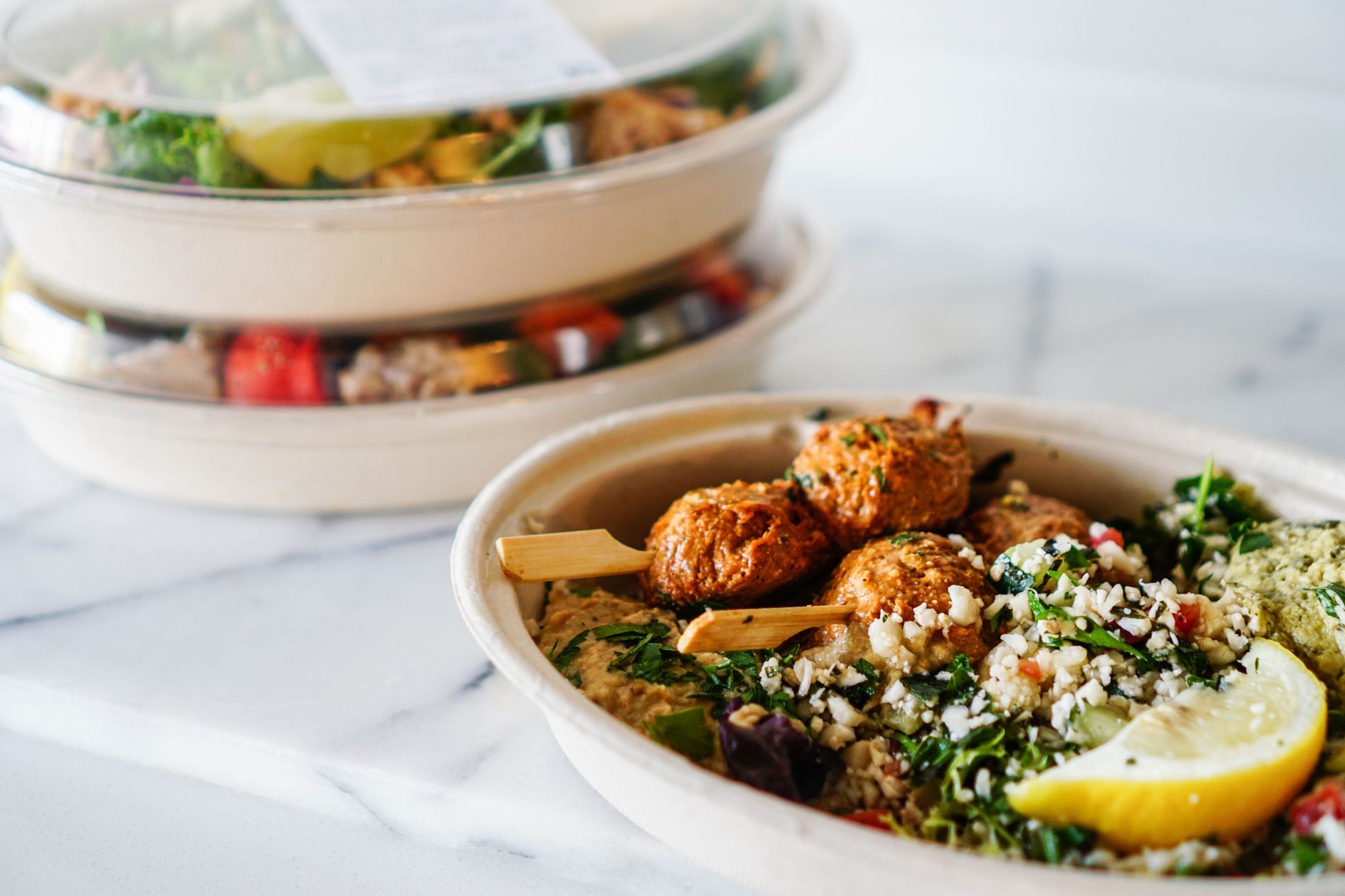
Immediately after surgery, your diet progresses through clear liquids, full liquids, pureed foods, soft foods, and finally regular textures. Each stage has specific goals: hydration, protein intake, and tolerance. Your dietitian will provide a detailed schedule and recipes tailored to each phase. In Türkiye, many clinics offer on-site coaching during your hospital stay and for a few days after discharge, ensuring you feel confident before flying home.
During this early period, portion sizes are tiny—often just a few tablespoons per meal. Your coach will emphasize the importance of eating slowly, stopping at the first sign of fullness, and avoiding drinking liquids with meals. These habits prevent discomfort and set the stage for long-term success. You will also learn to prioritize protein at every meal, as muscle preservation is critical for metabolic health.
Hydration is another key focus. Because your stomach capacity is reduced, you must sip fluids throughout the day to meet your fluid needs. Your dietitian will help you create a schedule that balances eating and drinking without overloading your new stomach pouch. They will also watch for signs of dehydration and adjust your plan accordingly.

Portion Progression: From Tiny Meals to Sustainable Plates
One of the most common questions patients ask is, “How much should I eat?” After bariatric surgery, portion sizes increase gradually as your stomach heals and adapts. Your dietitian will guide you through this progression with specific targets. For example, in the first month, a meal might be 2–4 tablespoons; by six months, it may be ½ to 1 cup. These are general guidelines—your coach will personalize them based on your surgery type, tolerance, and goals.
A useful tool for portion control is the “plate method,” adapted for bariatric patients: fill half your plate with non-starchy vegetables, one quarter with lean protein, and one quarter with complex carbohydrates (if tolerated). However, because your capacity is limited, you may need to prioritize protein first, then vegetables, then carbs. Your dietitian will teach you how to build a balanced plate that meets your nutritional needs without overeating.
As you advance to solid foods, you will practice measuring your portions to avoid stretching your pouch. Using small plates and bowls can help you feel satisfied with smaller amounts. Your coach will also encourage you to listen to your body’s hunger and fullness cues, which may be subtle after surgery. Over time, you will develop a intuitive sense of how much to eat—a skill that supports long-term weight maintenance.
Meal Planning That Works at Home
Meal planning is a cornerstone of bariatric nutrition, and your dietitian will help you create a system that fits your lifestyle. In Türkiye, clinics often provide culturally adapted meal plans that include traditional foods prepared in healthier ways. For example, you might enjoy lentil soup (mercimek çorbası) for protein and fiber, or grilled chicken skewers (tavuk şiş) with yogurt. Your coach will teach you how to modify family recipes to reduce fat, sugar, and refined carbohydrates while boosting protein and nutrients.
Batch cooking and freezing are valuable strategies. Spending a few hours on the weekend to prepare protein-rich meals and portion them into small containers can save time and prevent impulsive eating during the week. Your dietitian can share simple, bariatric-friendly recipes and shopping lists. They will also help you navigate social situations, such as eating out or attending gatherings, where portion control can be challenging.
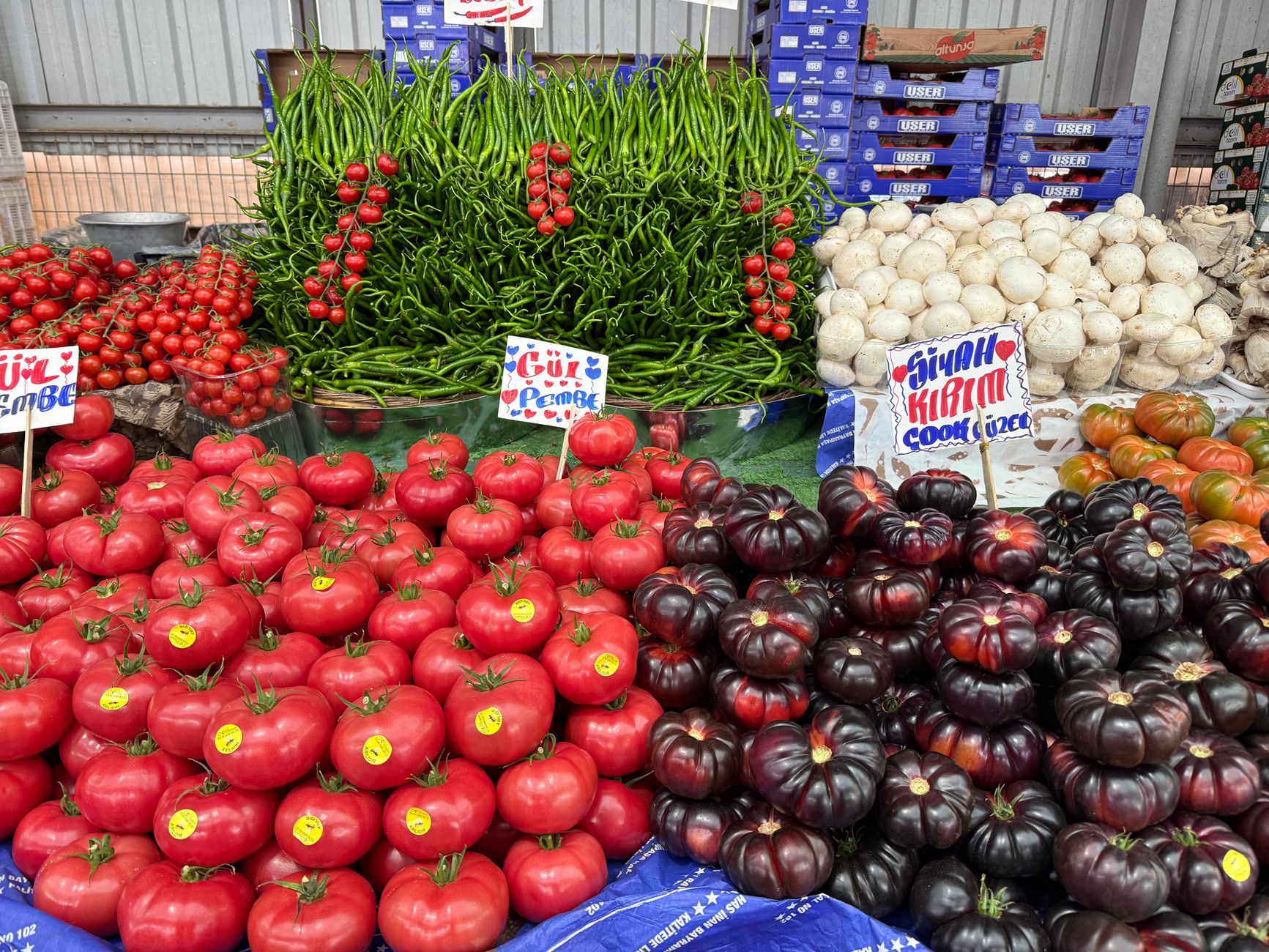
Another key aspect of meal planning is grocery shopping. Your coach will guide you through reading labels, choosing lean proteins, and selecting whole grains and fresh produce. In Türkiye, farmers’ markets (pazars) offer an abundance of affordable, seasonal vegetables and fruits. Your dietitian can introduce you to local ingredients that support your goals, making your eating plan both delicious and sustainable.
“The most successful patients are those who view nutrition coaching as a partnership. They ask questions, experiment with new foods, and stay connected with their dietitian long after surgery.” — Registered Dietitian, Istanbul Bariatric Clinic

The Role of Follow-Up Support in Keeping Results on Track
Long-term follow-up is where Turkish bariatric clinics truly shine. Many offer structured coaching programs that extend for 12 months or more, with regular check-ins via phone, video call, or in-person visits. These sessions provide accountability, motivation, and a chance to troubleshoot issues before they become problems. Your dietitian will monitor your weight, lab values, and eating habits, making adjustments to your plan as needed.
Follow-up support also addresses the psychological aspects of eating. After surgery, old habits can resurface, especially during stressful times. Your coach can help you develop coping strategies and refer you to a psychologist if needed. They will celebrate your successes and help you overcome plateaus, ensuring you stay motivated for the long haul.
For international patients, remote follow-up is a game-changer. You can continue working with your Turkish dietitian from your home country, using secure video platforms and shared food diaries. This continuity of care is invaluable, as your coach already knows your history and can provide personalized guidance. Many clinics also offer support groups—both in-person and online—where you can connect with other patients and share tips and encouragement.
Practical Tips for Building Your Long-Term Eating Plan
As you transition to lifelong eating habits, keep these principles in mind: prioritize protein at every meal, eat three meals and one or two snacks daily, avoid grazing, and stay hydrated. Your dietitian will help you fine-tune these guidelines based on your individual needs. Remember that your plan is not set in stone; it will evolve as you do.
Embrace mindful eating. Sit down at the table, chew thoroughly, and savor each bite. This practice enhances digestion and helps you recognize fullness. Avoid distractions like TV or smartphones during meals. Your coach can guide you through mindfulness exercises to strengthen this habit.
Finally, stay connected with your support network. Whether it’s your dietitian, a support group, or family and friends, having people who understand your journey makes all the difference. Turkish bariatric clinics are proud to be your partners in change, offering the expertise and encouragement you need to succeed. With their dietitian-led coaching, you can build an eating plan that nourishes your body, satisfies your taste buds, and supports lasting health.
Thinking about treatment in Turkey?
Send us a question about this site or about the information published on it. This is a publisher's mailbox, not a medical service and not a route to a particular provider — for clinical questions, contact your own doctor.