

Why Consider Türkiye for Bariatric Revision Surgery?
Türkiye has become a leading destination for bariatric surgery, with internationally accredited hospitals and surgeons who perform thousands of primary and revision procedures each year. For patients who have experienced insufficient weight loss, weight regain, or complications after a first bariatric operation, Turkish centres offer advanced diagnostic facilities and a structured reassessment pathway. Many surgeons are experienced in converting sleeve gastrectomy to gastric bypass, revising gastric bands, and correcting complications such as strictures or fistulas.
Revision surgery is more complex than a primary procedure. It requires careful evaluation of your previous anatomy, nutritional status, and overall health. Türkiye’s high-volume centres are well equipped for this, but the key to a successful outcome is thorough preparation before you travel. This guide walks you through the essential steps: transferring your medical records, planning your reassessment days in Istanbul, and establishing a structured nutrition follow-up that keeps you on track.
Importantly, revision surgery should never be rushed. Turkish surgeons typically insist on a comprehensive work-up before recommending a second operation. This careful approach, combined with modern facilities and competitive pricing, makes Türkiye a supportive choice for patients seeking expert reassessment rather than an immediate quick fix.
Understanding Bariatric Revision Surgery
Bariatric revision surgery refers to a second operation performed after a previous weight-loss procedure has failed to achieve its goals or has caused complications. Common reasons include inadequate weight loss, significant weight regain, reflux or severe vomiting, anastomotic strictures, ulcers, or mechanical problems with an adjustable gastric band. The revision may involve converting one procedure to another (e.g., sleeve to bypass), repairing a hernia, or removing a band and performing a different operation.
Because scar tissue and altered anatomy make revision technically demanding, surgeons must have specific expertise. In Türkiye, many bariatric centres have dedicated revision teams and use advanced imaging such as CT scans with contrast and endoscopy to map your digestive tract before surgery. This planning reduces risks and improves outcomes.
Patients should also understand that revision surgery carries a higher risk of complications than primary surgery, and success depends on commitment to lifelong dietary changes and follow-up. Turkish clinics often provide structured nutrition programmes and psychological support to help patients adapt.
Preparing Your Medical Records and Imaging
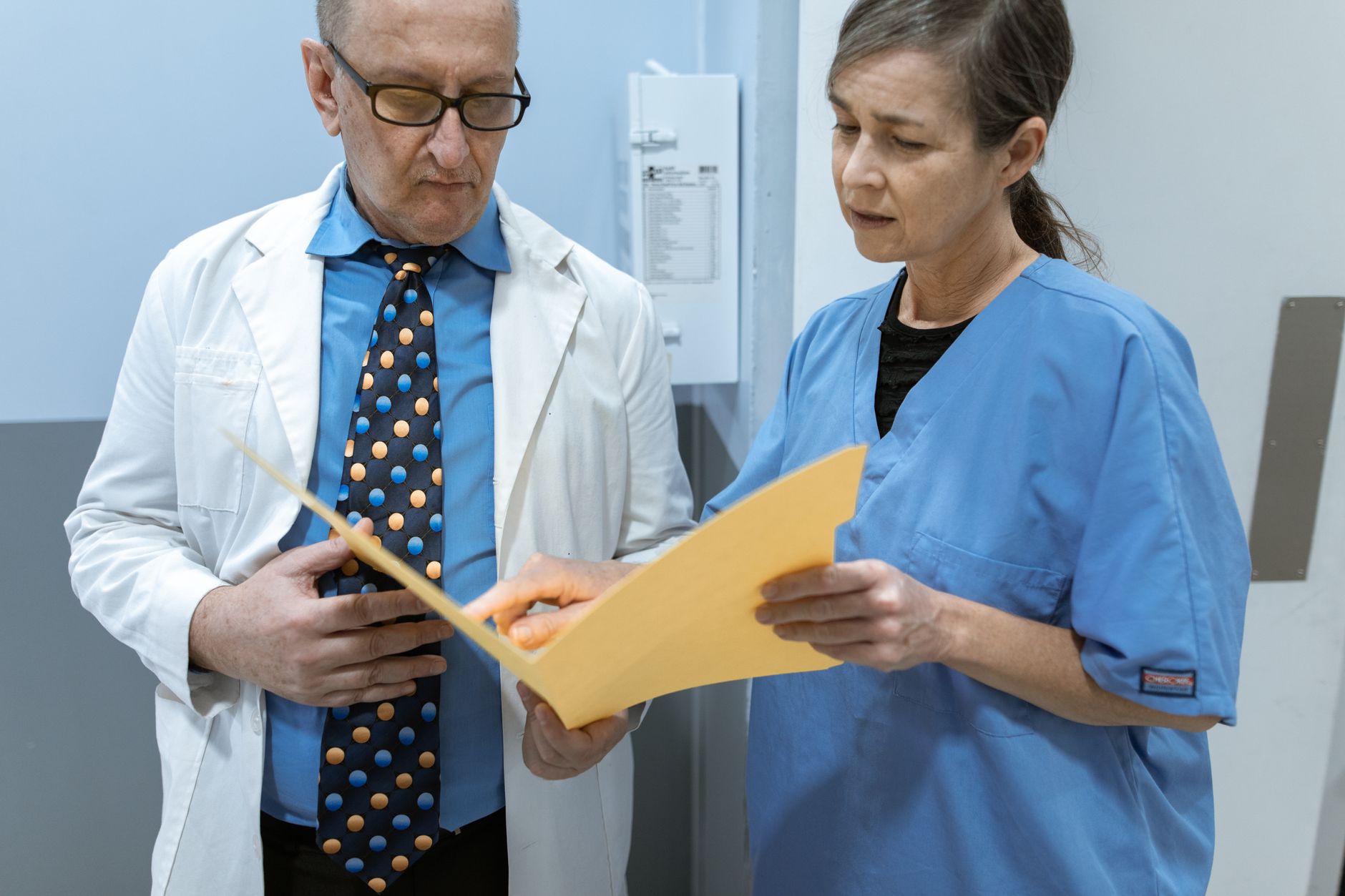
The first step in planning revision surgery in Türkiye is to gather all relevant records from your previous operations. This includes operative notes, discharge summaries, pathology reports, and imaging studies (such as upper GI series, CT scans, or endoscopy reports). If you had a gastric band, bring details of its type and any adjustments. These documents allow the Turkish surgeon to understand exactly what was done and why it may have failed.
Contact your previous hospital or surgeon and request copies of your complete medical file, including any imaging on CD or DVD. If records are not in English, ask for a certified translation. Many Turkish clinics have multilingual coordinators who can help translate, but having English copies speeds up the review.
Before travelling, send your records to the Turkish centre for a preliminary assessment. The surgeon may request additional tests, such as blood work (including vitamin and mineral levels), an endoscopy, or a CT scan. Some of these can be done in your home country, while others may be scheduled during your stay in Istanbul.
Tip: Create a digital folder with all your records scanned and labelled clearly. Share it via a secure cloud link with your Turkish coordinator to avoid delays.

Planning Your Reassessment Days in Istanbul
Most Turkish bariatric centres recommend a reassessment period of 3 to 5 days in Istanbul before surgery. This allows time for consultations, imaging, endoscopy, and pre-operative tests. Your coordinator will typically arrange airport transfers and hotel accommodation near the hospital. On the first day, you will meet your surgeon for a detailed consultation, during which your medical history and goals are discussed.
Days two and three often involve diagnostic procedures. You may undergo a contrast study to evaluate your anatomy, an endoscopy to check for ulcers or strictures, and blood tests to assess nutritional status. Some patients may need a cardiac or pulmonary evaluation. The surgeon will then review all results and discuss the best revision option, including risks and expected outcomes.
If surgery is scheduled, you will receive pre-operative instructions, including fasting guidelines and medication adjustments. The hospital stay for revision surgery is usually 3 to 5 days, followed by a few days of recovery in a hotel with follow-up checks. Overall, plan for at least 10 to 14 days in Istanbul to allow for reassessment, surgery, and initial recovery.
Structured Nutrition Follow-Up After Revision
Nutrition is critical after revision surgery. Because your anatomy and absorption may change again, you need a tailored dietary plan. Turkish clinics typically provide a phased diet: clear liquids, full liquids, pureed foods, soft foods, and then regular textures. A dietitian will guide you through each stage and monitor your tolerance.
Before discharge, you should receive a written nutrition plan and contact details for follow-up consultations. Many centres offer online follow-up sessions with a dietitian for patients who return home. These sessions help you adjust portion sizes, ensure adequate protein intake, and avoid deficiencies. Lifelong vitamin and mineral supplementation is usually required, with regular blood tests every 3 to 6 months in the first year.
It is also important to maintain a food diary and track your weight. Your Turkish dietitian can review your diary remotely and provide feedback. Some clinics have mobile apps or patient portals for this purpose. Make sure you understand the warning signs of nutritional deficiencies, such as fatigue, hair loss, or numbness, and report them promptly.
Choosing the Right Centre and Surgeon
When selecting a bariatric centre in Türkiye for revision surgery, look for hospitals with international accreditation (such as JCI) and surgeons who specialise in revision procedures. Ask about their annual volume of revisions, success rates, and complication rates. A reputable centre will be transparent about outcomes and provide patient testimonials.
Check that the centre offers comprehensive support, including multilingual coordinators, nutritionists, and psychological support. It is also wise to speak with former patients who have undergone revision surgery at the centre. Online forums and support groups can provide valuable insights.
Finally, ensure that the price quoted includes all necessary services: consultations, diagnostics, surgery, hospital stay, follow-up, and nutrition counselling. Beware of unusually low prices that may exclude essential parts of care.
Practical Travel Tips and Aftercare
Travel to Istanbul is straightforward, with many direct flights from Europe, the Middle East, and beyond. Ensure your passport is valid for at least six months beyond your planned return. Check visa requirements for your nationality; many countries can obtain an e-visa online. Arrange travel insurance that covers medical complications and repatriation, and inform your airline about your surgery if you need special assistance.
After surgery, you should not drive or travel alone for at least a week. Book flexible return flights in case your recovery takes longer than expected. Your clinic can provide a medical report for the airline if needed.
Once home, stay in touch with your Turkish care team through scheduled video calls or emails. Attend all follow-up appointments with your local doctor and share your operative notes with them. Continue with the nutrition plan and exercise gradually as advised. Remember that revision surgery is a tool, not a cure; long-term success requires dedication to healthy habits and regular monitoring.
With careful planning and the support of experienced Turkish professionals, you can approach your second-stage weight-loss care with confidence and clarity.
Thinking about treatment in Turkey?
Send us a question about this site or about the information published on it. This is a publisher's mailbox, not a medical service and not a route to a particular provider — for clinical questions, contact your own doctor.