

Why Combine Treatment With a Full Health Check-Up in Türkiye?
Medical travel is rarely just about one procedure. International patients often arrive with a cluster of unresolved questions: Is my fatigue related to my thyroid or my heart? Are my cholesterol numbers stable enough for surgery? Does my family history of diabetes warrant deeper screening? In Türkiye, the answer is often a same-day blood draw and a comprehensive panel that turns those questions into data before you leave the consultation room.
Turkish hospitals have built their international patient services around this reality. Rather than treating labs as a bureaucratic afterthought, many private hospitals in Istanbul, Ankara, and Izmir run in-house biochemistry, hematology, immunology, and molecular biology laboratories that operate seven days a week. For a medical traveler, this means you can schedule a check-up package alongside your treatment review and receive results before your return flight—sometimes within hours.
The practical benefit is enormous. A cardiac patient can have a full lipid profile, inflammatory markers, and kidney function tests done the same morning as their cardiology consult. A bariatric surgery candidate can complete nutritional deficiency screening, hormone panels, and metabolic testing in a single visit. And a wellness-focused traveler can use the trip to establish a baseline that their home physician can compare against for years.
How to Add Blood Work and Health Screening to Your Itinerary
The most efficient approach is to request a check-up package when you book your treatment. Most Turkish hospitals with international departments offer predefined packages—ranging from a basic biochemistry panel to an executive health screen—that can be bundled with your surgical or consultative appointment. Ask your coordinator for the package list and specify which tests your home physician has requested or which are relevant to your condition.
If you are booking independently, plan for two visits: one for the blood draw and one for the results consultation. Many hospitals can compress this into a single day if you arrive early. For example, you might have blood drawn at 8:00 a.m., complete imaging or a specialist consultation mid-morning, and review the combined results with an internist in the afternoon. This “one-day workup” model is popular among patients who travel specifically for a second opinion.
Timing matters. Fasting requirements vary by panel—typically 8–12 hours for lipid and glucose tests—so schedule morning appointments and confirm instructions in advance. If you are on medication, bring your list and dosages; some tests require temporary adjustments. Also consider travel insurance and whether your policy covers preventive screening abroad, though many patients pay out-of-pocket for check-ups because the cost is often lower than a comparable panel at home.
Finally, coordinate with your treatment team. If you are having surgery, routine pre-operative blood work (complete blood count, coagulation profile, kidney and liver function, blood type, and infectious disease screening) is usually mandatory and will be ordered by the surgeon. You can often add extra wellness markers—vitamin D, thyroid hormones, HbA1c, or tumor markers where clinically indicated—to the same draw, saving both time and needle sticks.
What Typical Health Check Packages Include
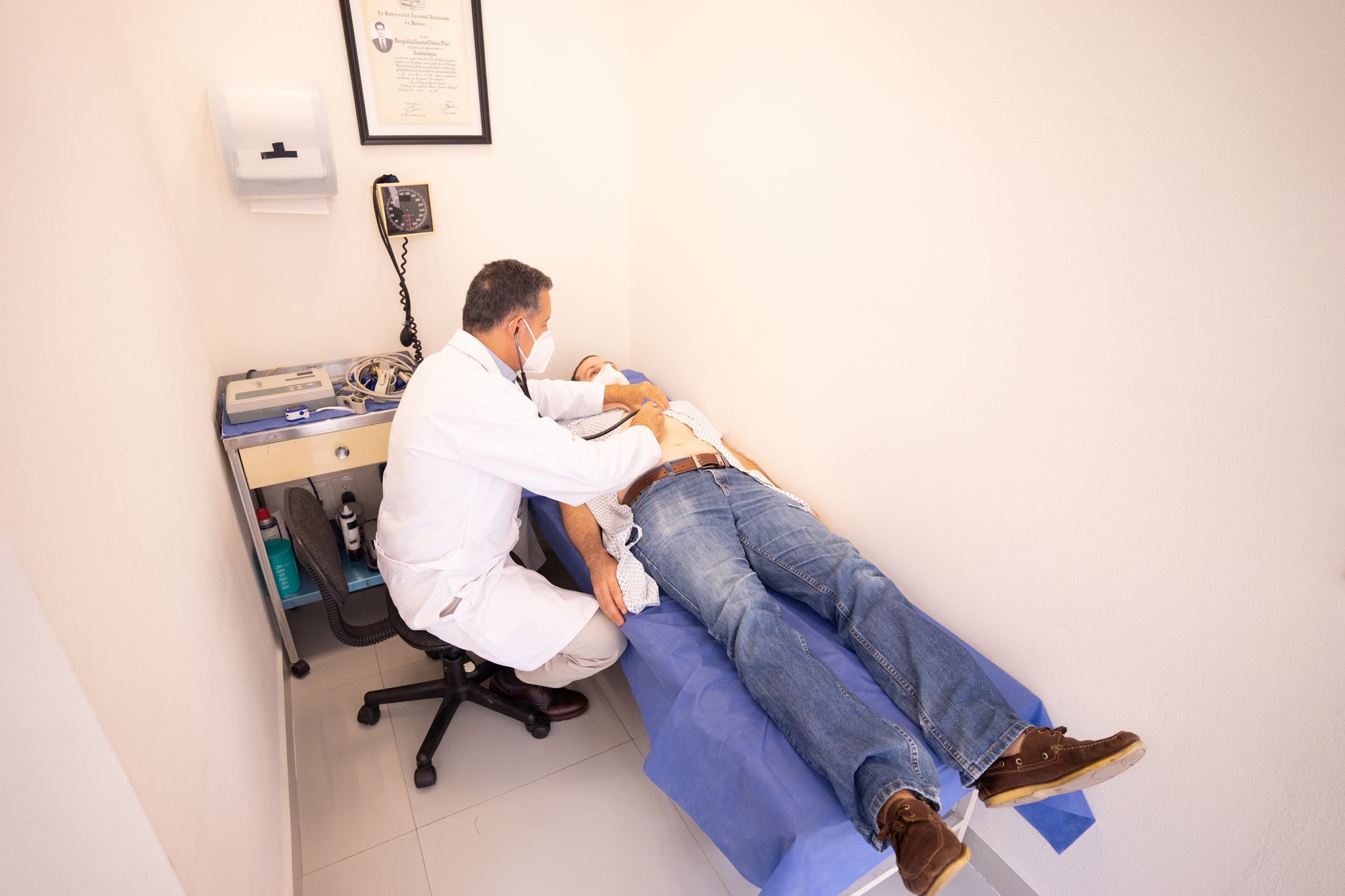
Turkish hospital check-up packages are structured in tiers. A basic package usually covers a complete blood count (CBC), fasting glucose, kidney function (urea, creatinine, eGFR), liver enzymes (ALT, AST, GGT), lipid profile (total cholesterol, LDL, HDL, triglycerides), and urinalysis. This gives a broad snapshot of metabolic and organ health and is often sufficient for pre-operative clearance.
An intermediate or “executive” package adds thyroid function (TSH, free T4), HbA1c for long-term glucose control, iron studies (ferritin, transferrin saturation), vitamin B12, vitamin D, C-reactive protein (CRP), and sometimes electrolyte panels. For women, packages may include hormone panels (FSH, LH, estradiol, prolactin) and, where appropriate, CA-125; for men, PSA testing is commonly offered. These packages often bundle an electrocardiogram (ECG), chest X-ray, abdominal ultrasound, and a physician consultation.
Advanced packages cater to specific concerns. Cardiac risk panels may include homocysteine, lipoprotein(a), and apolipoprotein B. Gastrointestinal packages might add celiac serology, Helicobacter pylori testing, and liver fibrosis markers. Allergy and immunology panels test IgE and specific allergens. For patients with a family history of cancer or a known genetic risk, hospitals can arrange genetic counseling and targeted mutation testing, though these require additional consent and counseling.
It is important to note that packages are customizable rather than fixed. You can usually add or remove tests based on your history and your home doctor’s recommendations. Ask for the full test list in advance and compare it with what you actually need—more tests are not always better, and some markers (like tumor markers in low-risk individuals) can generate anxiety without clear benefit.
The Efficiency of Turkish Laboratories: Speed, Accreditation, and Connectivity
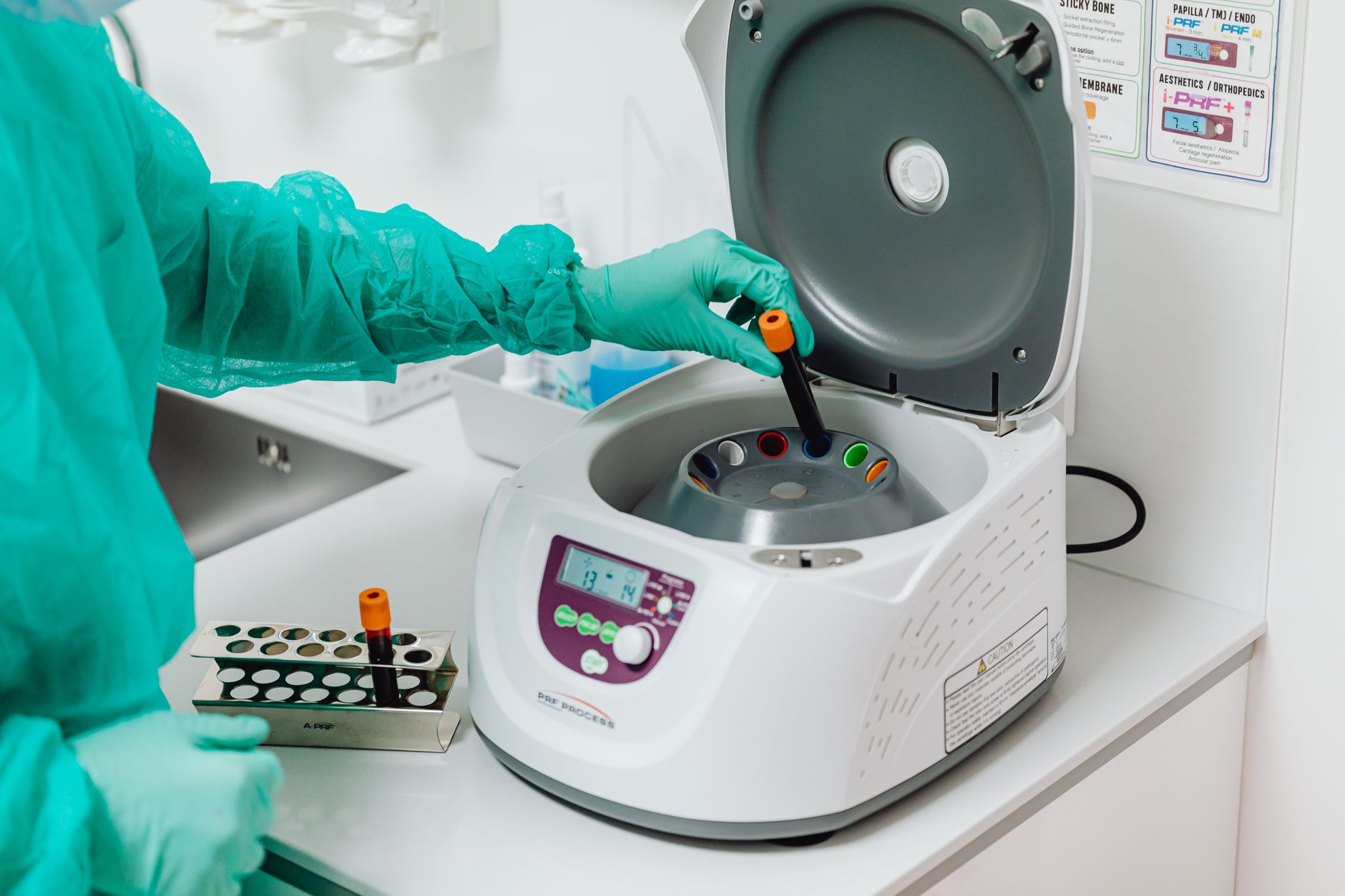
Turkish laboratories are built for throughput. Large private hospital groups run automated biochemistry and hematology lines that process thousands of samples daily, with barcoded sample tracking and quality control at multiple stages. Many are accredited by international bodies such as ISO 15189 or JCI (Joint Commission International), meaning their methods and quality systems are benchmarked against global standards. For international patients, this matters: results are more likely to be accepted by your home physician without repeat testing.
Speed is the standout feature. Routine blood work is often resulted within 2–4 hours; urgent tests can be faster. This is not merely a convenience—it changes clinical decision-making. A surgeon can review pre-operative labs the same day and proceed with scheduling. An internist can adjust medication before you fly home. A patient with an abnormal finding can be referred for imaging or a specialist consult before leaving the country, avoiding the anxiety of waiting weeks for results.
Connectivity amplifies this efficiency. Most hospitals use electronic medical records that link laboratory results directly to your patient portal or discharge summary. Results are typically delivered as a PDF with reference ranges, units, and flags for abnormal values. In many cases, you can access them through a mobile app or receive them by email within hours. Some hospitals provide an English-language summary and a brief interpretation from the coordinating physician, which is invaluable when sharing with your doctor abroad.
For patients who need to continue monitoring after returning home, Turkish labs can provide results in a format compatible with international standards, including LOINC codes on request. This supports continuity of care and reduces the risk of misinterpretation due to different units or reference ranges.

How Results Are Delivered and What to Do With Them
Results delivery follows a structured pathway. Once your samples are analyzed, a laboratory physician validates the results, and they are released to your hospital file. Your coordinating doctor or internist reviews them, flags anything urgent, and schedules a results consultation—often the same day or the next morning. You receive a printed or digital report, usually in Turkish and English, with reference ranges and comments.
During the consultation, ask for a clear explanation of any out-of-range values and what they mean in context. Not every abnormal result requires action; some are transient or clinically insignificant. But some—such as elevated creatinine, low hemoglobin, or high fasting glucose—warrant follow-up. Ask whether repeat testing, imaging, or a specialist referral is recommended before you leave.
Before departure, request a complete copy of your results, including raw data and reference ranges, plus a short summary letter from the physician. This is essential for your home doctor. If you have a chronic condition, ask for trend data if available, and discuss how often you should repeat the tests. For surgical patients, ensure the pre-operative clearance documentation is included in your discharge summary.
Finally, consider how you will share results securely. Avoid sending sensitive health data over unencrypted email if possible; use patient portals or encrypted file transfer. Keep a personal copy and share only with your care team. If you are considering a follow-up check-up in Türkiye, note that some hospitals offer discounted repeat packages within a year.
Making the Most of Your Medical Stay: Practical Tips and Ethical Considerations
Plan your check-up around your treatment schedule, not the other way around. If you are having surgery, pre-operative labs are non-negotiable and will be ordered by your surgeon; adding wellness tests to the same draw is efficient but should not delay surgery. If you are traveling for a second opinion, book a check-up package in advance and bring your previous records, including imaging discs and pathology reports, so the Turkish team can compare.
Be transparent about medications, supplements, and herbal products—some can interfere with lab results. Disclose allergies and any history of fainting during blood draws. If you are pregnant or might be, inform the staff before any radiological tests. And remember that screening is not diagnosis: a check-up can reveal risk factors, but it does not replace a thorough evaluation for symptoms.
Ethically, more testing is not always better. Discuss the purpose of each test with your physician and avoid panels that are not indicated for your age, sex, or risk profile. Turkish hospitals generally follow international guidelines, but you should feel empowered to ask why a test is being done and how the result will change your care.
Finally, factor in cost and insurance. Check-up packages are often priced transparently and may be cheaper than in your home country, but confirm what is included—consultation, imaging, and follow-up—and whether any extra tests incur additional charges. Keep receipts for insurance claims. With a little planning, a blood test and health check-up can become one of the most valuable parts of your medical trip to Türkiye, giving you and your doctors the information needed for better, more informed decisions.
Thinking about treatment in Turkey?
Send us a question about this site or about the information published on it. This is a publisher's mailbox, not a medical service and not a route to a particular provider — for clinical questions, contact your own doctor.