

Why Türkiye Leads the World in Diagnostic Speed and Quality
Türkiye has quietly become one of the world's most impressive destinations for medical diagnostics. Over the past two decades, the country has invested billions of dollars in modern imaging technology, laboratory infrastructure, and hospital accreditation — and the results are nothing short of remarkable. International patients arriving in Istanbul can often complete blood work, advanced imaging, and specialist consultations within a single day, a pace that would be unthinkable in many Western healthcare systems.
This efficiency is not an accident. Türkiye's Ministry of Health has pursued a deliberate strategy of equipping public and private hospitals with the latest generation of MRI, CT, PET-CT, and ultrasound machines, while simultaneously streamlining laboratory workflows through automation and digital reporting. The country now operates one of the highest concentrations of MRI and CT scanners per capita in the region, and its hospitals hold Joint Commission International (JCI) accreditation at a rate that rivals far larger economies.
For international patients, the practical benefit is enormous: fewer days spent waiting, faster diagnoses, and the ability to begin treatment sooner. Whether you are visiting for a routine health check, a second opinion, or pre-surgical workup, Türkiye's diagnostic services are designed to deliver clarity quickly — and in English.
What to Expect: A Typical Day of Diagnostics at an Accredited Hospital
Most international patients begin their diagnostic journey at a JCI-accredited private hospital in Istanbul, Ankara, or Izmir. From the moment you arrive, a dedicated international patient coordinator guides you through each step, ensuring that language is never a barrier. Registration typically takes minutes, and your coordinator will confirm your appointment schedule, explain the procedures, and accompany you to the relevant departments.
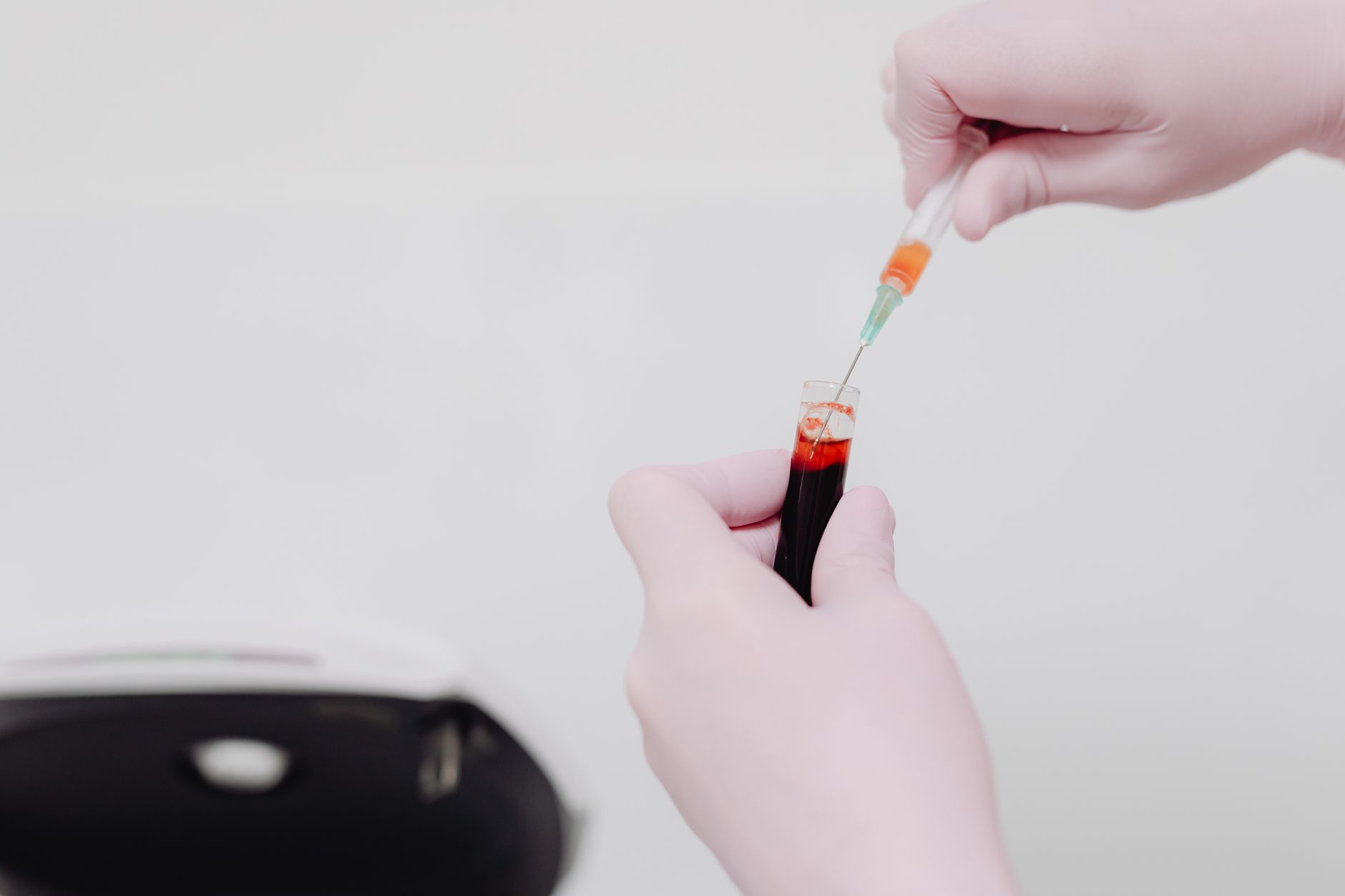
Blood tests are usually the first order of business. Phlebotomists are highly skilled, and samples are sent directly to an on-site laboratory equipped with automated analyzers. Routine results — such as complete blood count, metabolic panels, and thyroid function — are often available within one to two hours. More specialized tests, including hormone assays and tumor markers, may take longer but are still typically returned the same day.
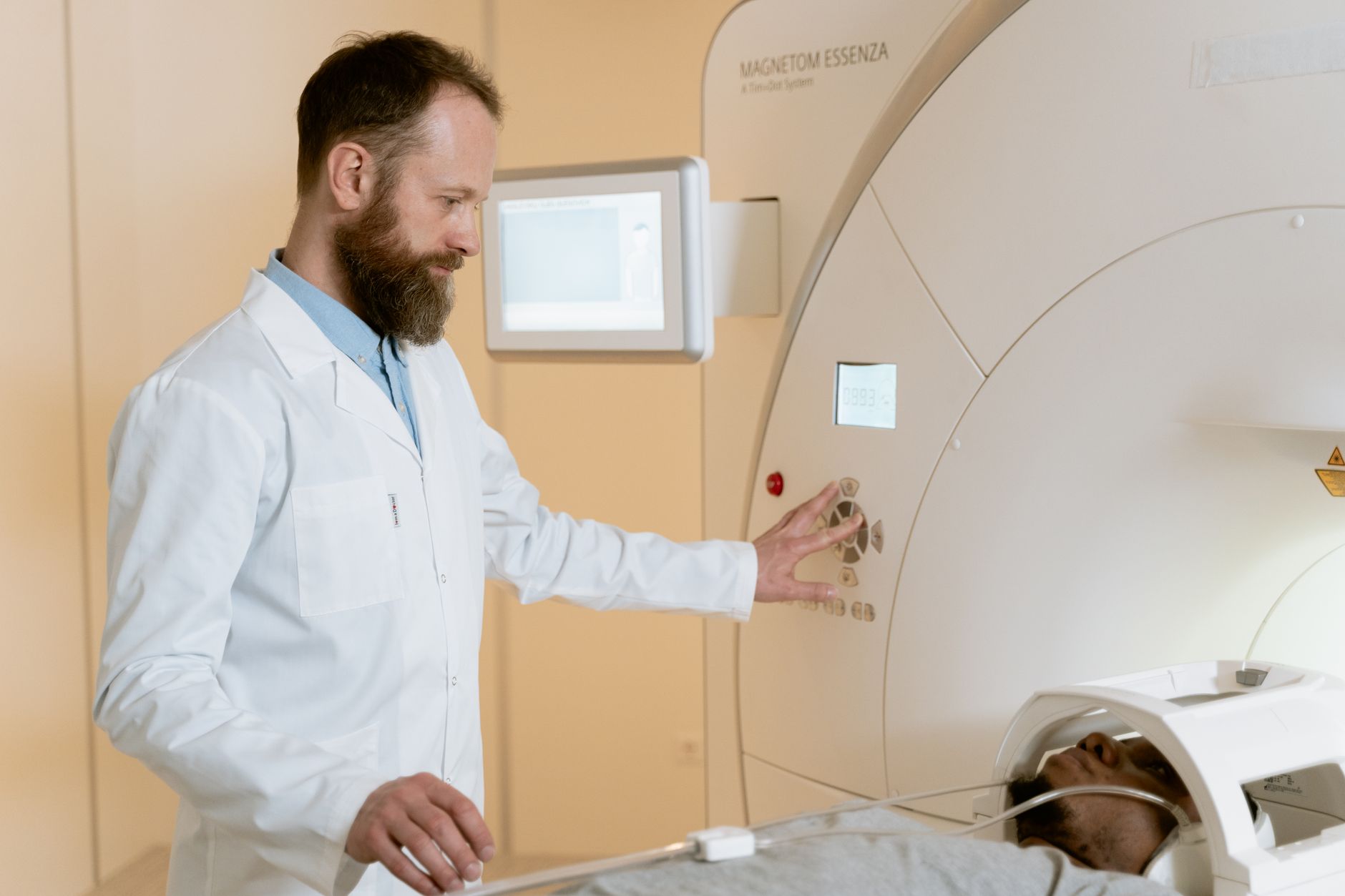
Imaging follows a similarly efficient rhythm. If you require an MRI or CT scan, you may be escorted directly to the imaging suite, where state-of-the-art machines from Siemens, GE, and Philips stand ready. Wait times are minimal, and the technologists are accustomed to working with international patients. After your scan, you can often enjoy a coffee in the hospital's lounge while the radiologist reviews the images and prepares a preliminary report.
By late afternoon, you may find yourself sitting with a specialist who has already reviewed your results and is ready to discuss next steps. This same-day cycle — from blood draw to imaging to consultation — is the hallmark of the Turkish diagnostic experience, and it is precisely what draws patients from around the world.
Inside Türkiye's Modern Imaging Technology
Türkiye's hospitals are equipped with some of the most advanced imaging technology available anywhere. High-field MRI scanners (including 3 Tesla models) provide exceptional soft-tissue contrast for neurological, musculoskeletal, and oncological imaging. Low-dose CT scanners deliver detailed cross-sectional views with minimal radiation exposure, while PET-CT combines metabolic and anatomical data for precise cancer staging and treatment planning.
Beyond the flagship modalities, many hospitals offer 3D mammography, digital radiography, and interventional radiology suites. Ultrasound equipment is similarly up to date, with elastography and Doppler capabilities that support sophisticated diagnostics. The investment in these technologies reflects a national commitment to staying at the forefront of medical imaging — and it shows in the clarity and speed of the resulting reports.
What impresses international patients most is not just the hardware but the workflow. Digital imaging platforms allow radiologists to review studies almost instantly, and reports are generated electronically, signed, and translated into English without delay. The integration of PACS (Picture Archiving and Communication Systems) means that your images and reports can be shared securely with your home physician if desired, ensuring continuity of care.
How Reports Are Prepared in English
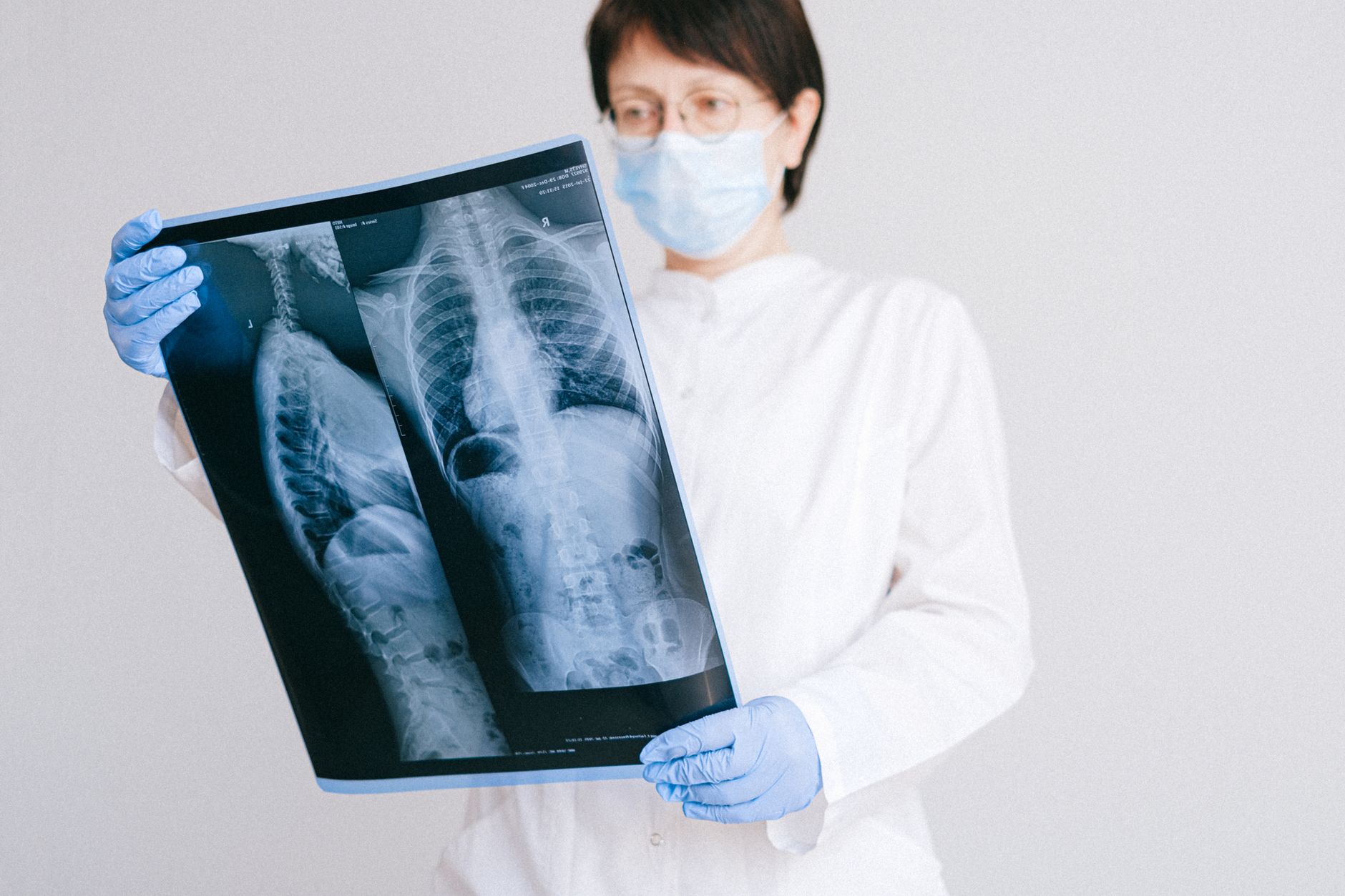
One of the most common concerns for international patients is language. In Türkiye, this concern is quickly put to rest. Accredited hospitals employ radiologists and laboratory physicians who are fluent in English, and reports are routinely prepared in English as a standard service. In fact, many hospitals have dedicated teams that ensure all diagnostic documentation is available in English, often within hours of the procedure.
The reports themselves follow international standards, using standardized terminology and structured formats that are easily understood by physicians worldwide. A typical MRI report, for example, will include the clinical indication, technique, findings, and a clear impression or conclusion. Laboratory reports list reference ranges alongside your results, making it easy to see how your values compare to normal ranges.
If you need your reports translated into another language, hospitals can usually arrange certified translations for a nominal fee. Your patient coordinator will also take the time to explain the findings in plain language, ensuring that you understand what the results mean for your health and your treatment plan.
How Diagnostic Efficiency Shortens Treatment Timelines
Time is often of the essence in medicine, and Türkiye's diagnostic speed can have a profound impact on treatment outcomes. Consider a patient who arrives with a suspected tumor: in many countries, the journey from initial consultation to imaging to biopsy to diagnosis can take weeks or even months. In Türkiye, that same journey can often be compressed into a few days.
This acceleration is possible because diagnostics, specialist consultations, and treatment planning are all coordinated under one roof. There is no need to wait for referrals to outside imaging centers or laboratories; everything happens within the hospital's ecosystem. For surgical patients, this means that pre-operative workup — including blood tests, ECG, chest X-ray, and any specialized imaging — can be completed in a single day, allowing surgery to be scheduled promptly.
For oncology patients, the speed of diagnosis can be particularly critical. Rapid PET-CT and biopsy results enable oncologists to stage the disease accurately and initiate treatment without delay. Similarly, patients seeking cardiac or orthopedic care benefit from prompt imaging that informs surgical decisions. In short, Türkiye's diagnostic efficiency not only saves time but also reduces anxiety and improves clinical outcomes.
The Patient Experience: Comfort, Convenience, and Care
Beyond the technology and speed, the patient experience in Turkish diagnostic centers is designed for comfort. Modern hospitals feature spacious waiting areas, private consultation rooms, and amenities such as cafés and Wi-Fi. International patient departments often provide translation services, assistance with appointment scheduling, and help with logistics such as accommodation and transportation.
Many hospitals offer VIP packages that include airport transfers, hotel bookings, and personal escorts. This level of service ensures that your focus remains on your health, not on navigating a foreign healthcare system. The staff are known for their warmth and hospitality, a hallmark of Turkish culture that extends to medical care.
Moreover, the cost of diagnostics in Türkiye is often significantly lower than in Western Europe or North America, even at top-tier accredited hospitals. This combination of affordability, quality, and speed makes Türkiye an increasingly popular choice for medical travelers seeking everything from annual check-ups to complex diagnostic workups.
Conclusion: A Model of Diagnostic Excellence
Türkiye's investment in modern imaging technology and laboratory services has created a diagnostic system that is fast, accurate, and patient-friendly. For international patients, the ability to obtain same-day blood test results, advanced MRI and CT scans, and English-language reports is a game-changer. It shortens treatment timelines, reduces uncertainty, and allows patients to return home sooner with a clear plan of action.
Whether you are seeking a second opinion, preparing for surgery, or simply prioritizing your health, Türkiye's accredited hospitals offer a level of diagnostic efficiency that is hard to match. With its combination of cutting-edge technology, skilled professionals, and genuine hospitality, Türkiye stands as a shining example of how modern healthcare can be both rapid and compassionate.
Thinking about treatment in Turkey?
Send us a question about this site or about the information published on it. This is a publisher's mailbox, not a medical service and not a route to a particular provider — for clinical questions, contact your own doctor.