

When you travel to Türkiye for treatment, you are not just choosing a hospital—you are entering one of the world's most structured health tourism systems. Türkiye treats medical photography and imaging consent as a core patient right, not an administrative afterthought. International patients at JCI-accredited hospitals in Istanbul, Ankara, and Izmir benefit from clear consent processes, strict data-protection rules, and transparent record-sharing practices. This guide explains how that framework works in practice and gives you a ready-to-use list of questions so you can feel fully in control of your clinical photos, scans, and medical records.
Türkiye's Health Tourism Framework: A Privacy-First Foundation
Türkiye's health tourism sector operates under a national framework that combines international patient services with robust data-protection obligations. Hospitals that serve international patients must be authorized and regularly audited, and they must follow rules that mirror the European Union's GDPR-style protections. This means your medical images, radiology scans, and clinical photographs are classified as sensitive personal data—and they cannot be used for anything beyond your direct care without your explicit, informed consent.
At JCI-accredited hospitals, these legal requirements are reinforced by international quality standards. JCI accreditation demands documented patient rights, verified consent workflows, and traceable handling of clinical records. In practice, this creates a dual layer of protection: Turkish law sets the baseline, and JCI standards raise the bar. For you as an international patient, that combination translates into predictable, auditable processes rather than vague promises.
Importantly, the framework recognizes that medical photography and imaging serve legitimate clinical purposes—documenting your condition, planning surgery, tracking healing, and supporting second opinions. The system is designed to enable those uses while preventing unauthorized sharing, marketing misuse, or publication without your approval. You are not asked to choose between good care and privacy; you are entitled to both.

What Counts as Medical Photography and Imaging in Turkish Hospitals
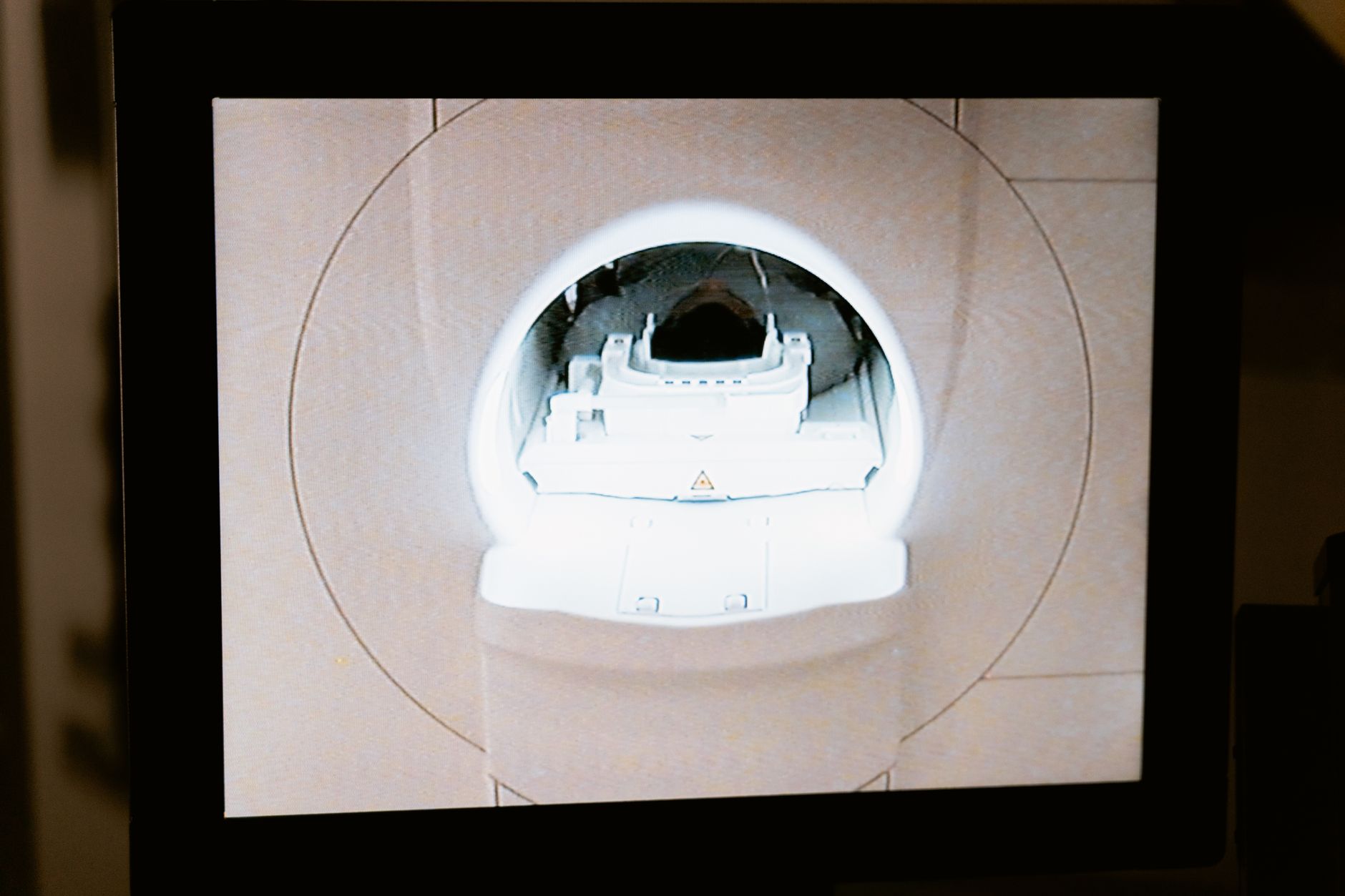
Medical photography in a Turkish hospital setting covers a wide range of visual records. It includes clinical close-ups of a surgical site, treatment photographs for aesthetic procedures, dermatological images, dental scans, and wound-healing documentation. Imaging refers to radiology outputs such as MRI, CT, PET, ultrasound, and X-ray studies, often stored in a digital PACS (Picture Archiving and Communication System) that your care team can access securely.
Each of these categories may be handled by different departments, but the consent principles are consistent. Hospitals are expected to tell you what will be photographed or scanned, why it is needed, who will see it, where it will be stored, and how long it will be kept. For international patients, this information should be available in English or your preferred language, and you should never feel rushed into agreeing.
It is also important to distinguish between images used for your treatment and images used for education, research, or promotion. Your clinical care images can be used internally by your treating team under the legal basis of providing care. But the moment a hospital wants to use your images in a conference presentation, a training module, a website, or social media, a separate and specific consent is required. That distinction is one of the strongest protections you have—and one you should confirm explicitly.

How Consent Works: Clear, Specific, and Revocable
In Türkiye's established hospitals, consent for medical photography and imaging is not buried in a general admission form. It is handled through a dedicated consent process that explains the purpose, scope, and duration of the intended use. You should expect a standalone document—often called a "Medical Image and Photography Consent Form"—that you can read, question, and sign only when you are satisfied.
Valid consent must be informed, voluntary, and specific. That means the hospital should tell you whether the images will be anonymized, whether your face will be visible, whether the images will be stored in your personal medical file only, and whether they will be shared with any third party such as an insurance provider or a partner clinic. If the intended use changes later, your consent must be renewed. A blanket consent that covers everything forever is not aligned with Türkiye's data-protection standards or JCI expectations.
You also have the right to withdraw consent for non-clinical uses at any time. Withdrawal does not affect your treatment, and the hospital should explain how to exercise that right—typically through the international patient coordinator or the hospital's data protection officer. For clinical care itself, some imaging is medically necessary; in those cases, the hospital should explain what happens if you decline and ensure you understand the consequences before you decide.
Data Protection in Practice: Storage, Access, and Sharing
Once your images and scans are captured, they enter a controlled environment. JCI-accredited hospitals in Türkiye typically store radiology studies in encrypted PACS systems with role-based access. Only clinicians involved in your care can view them, and access is logged. Clinical photographs are kept in your medical record or a secure media library, not on personal phones or unsecured shared drives.
Sharing with third parties—such as your home-country doctor, a specialist for a second opinion, or your insurer—requires your authorization. Hospitals usually provide a secure transfer method, such as an encrypted link, a password-protected CD/USB, or a direct upload to a verified medical portal. You should be told exactly what is being shared, with whom, and for what purpose. If you want a copy of your imaging for your own records, you can request it, and the hospital should provide it in a standard format like DICOM for scans or high-resolution JPEG/PNG for photos.
Retention periods are also defined. Medical records, including images, are generally kept for the period required by Turkish health law and hospital policy. If you want your non-clinical images deleted earlier, you can request it, and the hospital should confirm deletion in writing where legally possible. The key point for you is that your records are treated as yours—held in trust by the hospital for your care, not as hospital property to use freely.
Your Rights as an International Patient: What You Can Expect
As an international patient in Türkiye, you have the right to be informed, to give or refuse consent, to access your records, to request corrections, and to ask questions without pressure. You also have the right to know whether your images will be anonymized, whether your identity will be protected, and whether any image will be used for marketing or educational purposes. These rights apply regardless of your nationality or the language you speak.
Hospitals with a strong international patient department will assign a coordinator who can walk you through the consent forms, arrange interpretation, and act as your point of contact for record requests. If you prefer, you can ask for the hospital's data protection officer or privacy officer to clarify how your data is handled. Reputable hospitals welcome these questions because they reflect a mature privacy culture.
If something feels unclear, you are entitled to pause. No legitimate treatment should depend on you signing a photography consent you do not understand. The well-run hospitals in Istanbul and across Türkiye treat your comfort with the consent process as part of the quality of care—and they will happily document your preferences in your file.
Practical Questions to Ask Before You Sign Anything
To stay fully in control of your medical photos and scans, ask these questions before consenting. You can bring this list to your consultation or send it to your international patient coordinator in advance.
- What exactly will be photographed or scanned, and why is it needed for my care? Ask for a plain-language explanation of each image and its clinical purpose.
- Will these images be used only for my treatment, or also for education, research, or marketing? If any non-clinical use is planned, request a separate consent form and details.
- Will my face or identifying features be visible, and will the images be anonymized? Ask how anonymization is done and who verifies it.
- Who will have access to my images and scans? Request the roles (e.g., surgeon, radiologist, nurses) and whether any external parties will see them.
- Where and how will my images be stored, and for how long? Ask about encryption, access logs, and the retention period.
- Can I withdraw consent for non-clinical use later, and how? Confirm the process and who to contact.
- Can I get a copy of my images and scans for my own records? Ask about format (DICOM, JPEG), timeline, and any cost.
- Will you share my images with my doctor back home or my insurer? If yes, ask for the exact recipients and the secure method used.
- What happens if I decline photography or a specific scan? Understand the clinical impact and alternative options.
- Who is my point of contact for privacy questions? Get the name and contact details of the international patient coordinator or data protection officer.
Write down the answers or ask for them in writing. A hospital that respects your privacy will provide clear, consistent responses—and will note your preferences in your medical file.
Red Flags and How to Respond
Most JCI-accredited hospitals in Türkiye handle consent professionally, but it helps to know the warning signs. Be cautious if you are asked to sign a broad consent without explanation, if staff pressure you to agree quickly, if images are taken with a personal phone, or if you are told that consent is "just a formality." You should also be concerned if the hospital cannot tell you where your images are stored or who can see them.
If you encounter any of these situations, pause and ask for the hospital's patient rights or privacy officer. You can also contact your international patient coordinator or, if needed, the Turkish health tourism authority that oversees authorized hospitals. Reputable institutions take such concerns seriously because their accreditation and reputation depend on patient trust.
Remember that you are not being difficult by asking questions—you are being a responsible patient. Turkish hospitals that serve international patients expect informed consent and are structured to provide it. Your willingness to engage with the process helps ensure your records remain under your control.
Conclusion: Confident Care with Your Privacy Intact
Türkiye's health tourism framework and its JCI-accredited hospitals are built to protect your privacy while delivering high-quality care. From dedicated consent forms to encrypted storage and controlled sharing, the systems are designed to keep you informed and in charge. As an international patient, you have the right to clear explanations, specific consent, and easy access to your own records.
Use the questions in this guide, take your time, and choose hospitals that welcome your scrutiny. When you understand how medical photography and imaging consent works, you can focus on what matters most—your treatment and recovery—with the confidence that your personal data is being handled responsibly.
Thinking about treatment in Turkey?
Send us a question about this site or about the information published on it. This is a publisher's mailbox, not a medical service and not a route to a particular provider — for clinical questions, contact your own doctor.