

Why Your Medical Records Matter in Turkish Healthcare
Türkiye has become one of the world's most visited destinations for medical care, welcoming patients from Europe, the Gulf, Central Asia, Africa and beyond every year. Behind that reputation is a simple reality: Turkish clinics are profoundly accustomed to receiving international patients, and they have built their processes around records that arrive in many languages, formats and healthcare traditions. Your medical file is not an administrative afterthought to them — it is the foundation of a safe, personalised treatment plan.
When a Turkish physician can see your diagnosis history, imaging, laboratory results and current medications clearly, the consultation becomes more precise, the treatment plan more tailored, and the risk of duplicated tests or avoidable delays drops considerably. Hospitals in Istanbul, Ankara and Izmir routinely treat documentation from dozens of countries each month, so there is no need to feel that your foreign records are an unusual burden. They are, in fact, everyday business.
This guide walks you through the practicalities: what to gather, how translation and notarisation work in Türkiye, when official certification is genuinely required and when a straightforward translation suffices, and how to hand everything over smoothly. The tone is deliberately calm. Most patients find the process far less complicated than they feared, especially once the clinic's international department is involved — which is exactly where it should be.
What Documents to Gather Before You Travel
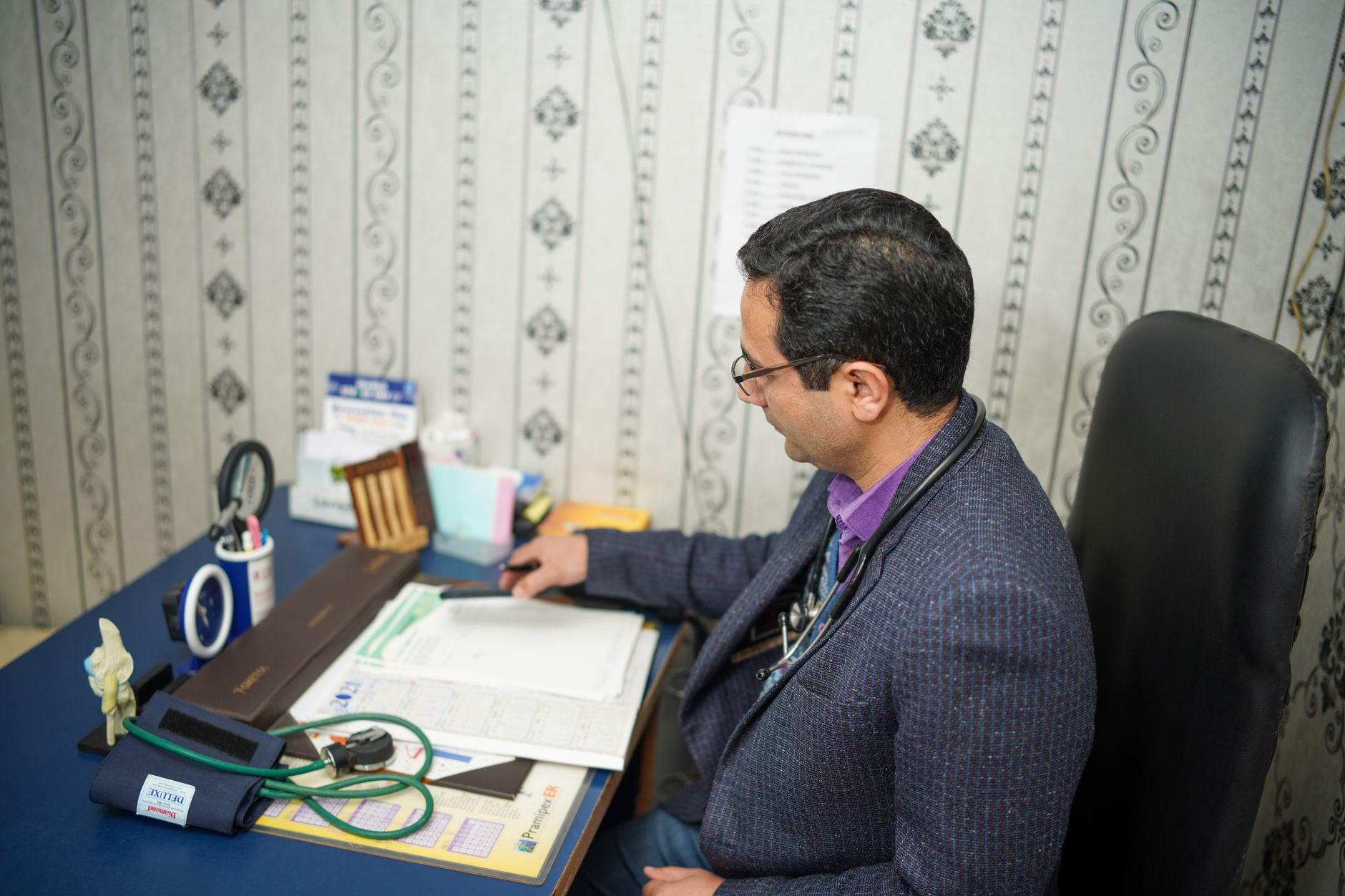
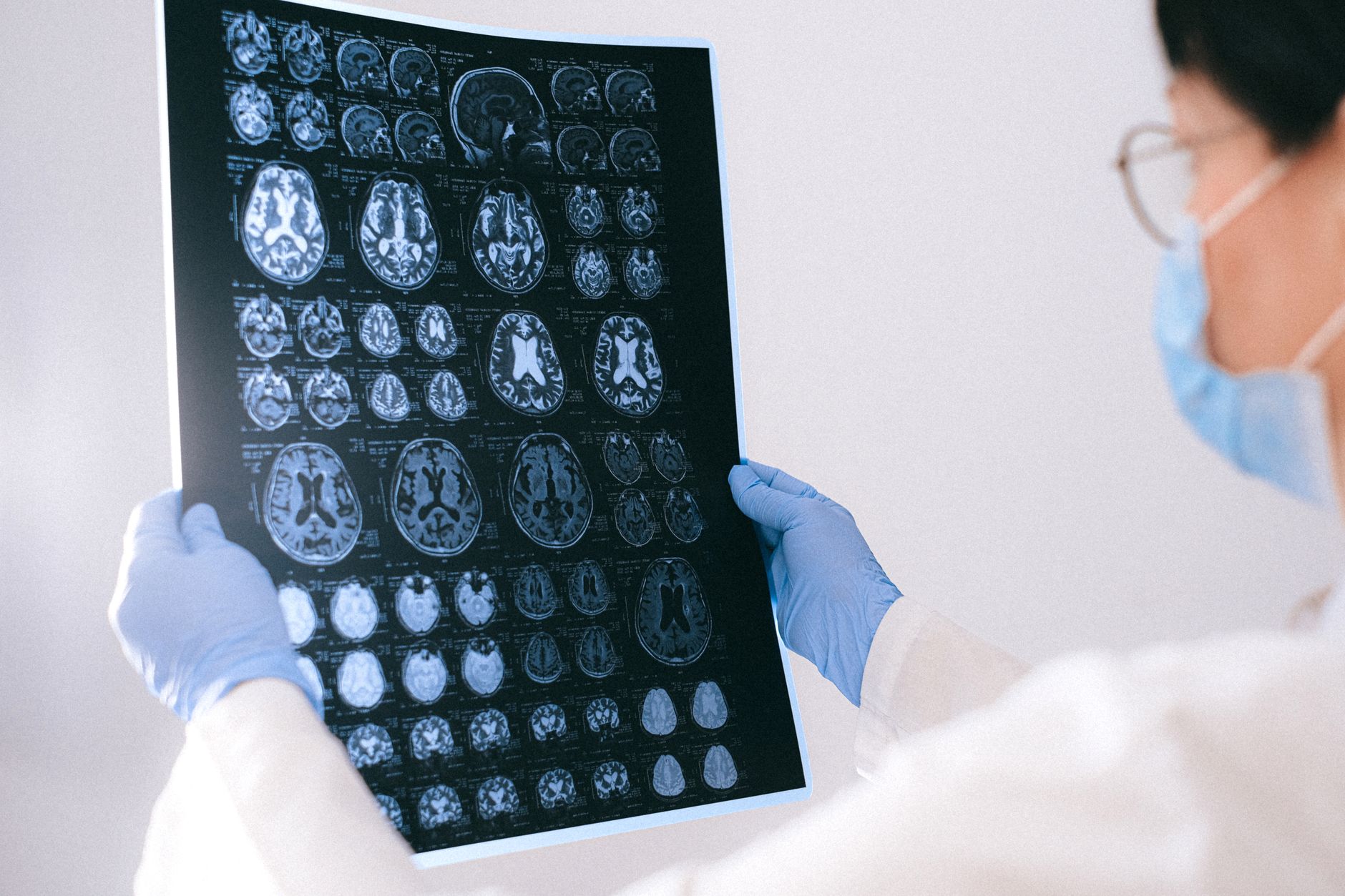
Start with a comprehensive folder of your existing records in their original language. The core set typically includes recent imaging reports (MRI, CT, ultrasound, X-ray) ideally with the digital files or DICOM discs, laboratory results from the past six to twelve months, pathology or biopsy reports if relevant, discharge summaries from any previous surgeries or hospitalisations, a current list of medications with dosages, and a short summary from your treating physician explaining your diagnosis and the care received so far.
It helps to think in layers. The clinical layer is the substance — reports, images, results. The identity layer confirms who you are and ties the records to you: passport, and where relevant, birth certificate or marriage certificate for name changes. The administrative layer covers anything official that may need translation, such as insurance authorisation letters or referral notes. Clinics generally ask for the clinical layer first; the administrative layer comes into play depending on your treatment, insurer and whether any legal or official procedure is involved.
Keep both paper and digital copies. Turkish hospitals increasingly accept PDFs and image files through secure patient portals or email during the pre-consultation stage, but a tidy paper folder remains useful for in-person appointments. If your records are extensive, ask your home clinic for a concise summary letter — Turkish physicians appreciate a clear one- or two-page overview alongside the full archive. It is a small courtesy that saves considerable time.
How Translation Works for Turkish Clinics
Translation in the medical tourism context comes in two practical forms, and understanding the difference removes most of the anxiety. The first is working translation: a clear rendering of your reports into Turkish or English so the clinical team can read them quickly. Many Turkish hospitals employ in-house translators or maintain relationships with medical translation agencies, and some international departments will translate your documents themselves once you send the originals. The second is certified or notarised translation, an official process that produces a document with legal standing — more on this below.
For the majority of clinical purposes, a high-quality working translation is entirely sufficient. Turkish doctors reading an MRI report or a pathology result are focused on the findings, not the letterhead. If your reports are already in English, you often need no translation at all, since English is widely used in Turkish medical settings and many specialists read it comfortably. If they are in another language, the clinic's international patient department will usually advise what they need and can frequently arrange the translation for you.
Where a professional medical translator is used, look for someone familiar with clinical terminology — the difference between a lay translation and a medical one matters for accuracy in diagnoses, drug names and measurements. Clinics that handle international patients regularly know this, which is why they tend to work with established medical translation providers rather than general-purpose services. You are welcome to ask who will translate your documents and to request that the same translator handle your full file for consistency.

Notarisation Explained: When You Need It and When You Do Not
Notarisation is the step that causes the most questions, so let us be precise. In Türkiye, a notary (noter) is a public official who certifies the authenticity of signatures and the conformity of translations. A notarised translation is one where the translator's work has been certified by a notary — typically the translator swears to the accuracy of the translation before the notary, who then stamps and registers the document. This gives the translation official standing for use before Turkish authorities.
When is this actually needed? For purely clinical purposes — a surgeon reviewing your imaging before a procedure — a notarised translation is rarely required. Notarisation becomes important when documents feed into an official or legal process: applications for residence permits, insurance claims that require formal documentation, certain legal declarations, or procedures where a Turkish authority must rely on the content of a foreign document. Some patients also choose notarised translations for peace of mind, even when not strictly necessary, which is a perfectly reasonable preference.
The reassuring part is that you usually do not have to manage this alone. Turkish clinics, particularly those with established international departments, are well practised at guiding patients through notarisation. They can tell you exactly which documents need it for your specific treatment, recommend notaries or translation offices they work with, and often coordinate the process in Istanbul so that documents are ready by the time you arrive. If you prefer to arrange notarisation in your home country, Turkish consulates can advise on local procedures — but many patients find it simpler to let the clinic handle it on the ground.
The golden rule of medical documentation for Türkiye: send everything early, send it digitally first, and let the clinic's international team tell you what — if anything — needs official certification. They do this every week.
The Apostille Question and Cross-Border Recognition
Patients from countries party to the Hague Apostille Convention sometimes ask whether their medical documents need an apostille. The honest answer is that for clinical purposes, an apostille is almost never required — it exists to certify public documents for use abroad in legal and administrative contexts, not to help a doctor read a lab result. If your treatment pathway involves official procedures, such as certain insurance processes or legal matters, the clinic or your insurer will tell you if an apostille is needed.
For patients from countries not party to the convention, consular legalisation may occasionally be relevant for official documents, again typically only in administrative rather than clinical contexts. The key message is that these formalities apply to specific official uses, not to the everyday sharing of medical records with your treating hospital. Turkish health facilities are experienced with records from every corner of the world and understand the varied documentary traditions patients bring.
If you are unsure, simply ask. The international patient department can confirm in writing which documents, if any, require apostille or consular legalisation for your particular case. Getting that confirmation early prevents unnecessary expense and worry. In the overwhelming majority of medical tourism journeys, the answer is that your original reports, plus a good translation where needed, are entirely sufficient.
Step by Step: Preparing and Sending Your File
Here is a calm, ordered process that works well for most patients. Step one: request your full records from your home clinic, including digital imaging files, and ask for a summary letter. Step two: scan everything into clearly named PDFs — for example, "MRI-lumbar-2026-03" or "blood-panel-2026-08" — so the clinical team can navigate your file easily. Step three: send the digital set to your chosen Turkish clinic's international department and ask two specific questions: which documents they need translated, and whether any require notarisation for your treatment plan.
Step four: follow the clinic's guidance on translation. If they offer in-house translation, accept it; if they recommend a translation office, use it or ask for a quote. Step five: if notarisation is required, either arrange it through the clinic's recommended notary in Türkiye or, if you prefer, through a sworn translator and notary in your home country — the clinic will confirm which route is acceptable. Step six: bring both the originals and the translations, paper and digital, to your appointment. Keep them in one folder with your passport and any insurance documents.
Throughout this process, communicate in writing where possible. Email or secure messaging creates a clear record of what was requested and confirmed, which is helpful for everyone. Ask for confirmation when your documents have been received and reviewed. Most international departments respond promptly and appreciate organised patients — your careful preparation makes their job easier and your consultation smoother.
On Arrival: What to Expect at the Hospital
When you arrive at a Turkish hospital, the international patient department is your first port of call. Staff there typically speak English and often other languages, and they will take custody of your document folder, verify the translations against the originals, and ensure the clinical team receives everything before your consultation. If any notarisation or additional translation is still outstanding, this is the moment it gets resolved — usually quickly, because the hospital works with local notaries and translators regularly.
Expect a short documentation review rather than an interrogation. The team will confirm your identity, check that reports match your name, and flag anything that seems incomplete. If a report is missing or a translation unclear, they will tell you precisely what is needed and often arrange it the same day. This is routine for them: welcoming records from every country is a core part of what international departments do, and they have refined it into a smooth, well-supported process.
Finally, keep a digital backup of everything in cloud storage and share access with a family member at home. It is a small precaution that provides real peace of mind. With your records gathered, translated where necessary, and notarised only if your specific pathway requires it, you can focus on what matters: your consultation, your care, and your recovery in capable, welcoming hands.
Thinking about treatment in Turkey?
Send us a question about this site or about the information published on it. This is a publisher's mailbox, not a medical service and not a route to a particular provider — for clinical questions, contact your own doctor.