

Why Türkiye for a Focused Cardiac Assessment?
Türkiye has emerged as a leading destination for medical travellers seeking thorough, efficient and affordable cardiac evaluations. Turkish cardiology departments combine experienced consultants—many of whom have trained or worked in Europe and North America—with modern imaging and stress-testing equipment. This means a focused cardiac assessment trip can be both thorough and efficient, often completed within a few days rather than the weeks or months it might take elsewhere.
Hospitals in Istanbul, Ankara and Izmir are equipped with state-of-the-art catheterisation laboratories, 3D echocardiography machines and advanced treadmill and pharmacological stress-testing systems. International patient departments coordinate every step, from initial consultation to final results, ensuring that language barriers and logistical hurdles are minimised. The combination of clinical expertise, technological investment and hospitality makes Türkiye an attractive option for proactive heart health management.
Moreover, the cost of a comprehensive cardiac check-up in Türkiye is often significantly lower than in Western Europe or North America, without compromising on quality. Many facilities hold international accreditations such as JCI, and the emphasis on patient comfort and personalised care is evident throughout the journey. Whether you are seeking a routine annual assessment or a more detailed evaluation due to symptoms or risk factors, a cardiology check-up trip to Türkiye can provide peace of mind and actionable insights into your heart health.
What Tests Are Typically Bundled?
A standard cardiac check-up package in Türkiye usually includes a combination of non-invasive and minimally invasive tests designed to assess your heart's structure, function and blood flow. The most common components are:
- Stress test (exercise or pharmacological): This evaluates how your heart responds to physical exertion. It involves walking on a treadmill or receiving medication to simulate exercise while your heart rate, blood pressure and ECG are monitored. It helps detect coronary artery disease and assess functional capacity.
- Echocardiography (echo): An ultrasound of the heart that provides detailed images of its chambers, valves and pumping function. It can identify structural abnormalities, valve disorders and assess ejection fraction.
- Coronary angiography: A more invasive procedure that uses contrast dye and X-ray imaging to visualise the coronary arteries. It is typically reserved for cases where non-invasive tests suggest significant blockages or for patients with high risk.
- Additional tests: These may include ECG, Holter monitoring (24-hour ECG), ambulatory blood pressure monitoring, blood tests (lipid profile, glucose, cardiac markers) and sometimes cardiac CT or MRI.
Packages are often customised based on age, symptoms, family history and risk factors. For instance, a younger patient with no symptoms might only need an ECG, echo and stress test, while an older patient with diabetes may require a more extensive workup including angiography. Clinics usually offer tiered packages—basic, comprehensive and advanced—so you can choose the level of assessment that suits your needs.
It's important to discuss your medical history and expectations with the coordinating doctor before booking. They will help you select the appropriate tests and ensure that the package aligns with your health goals. Many clinics also offer follow-up consultations and second opinions, which can be valuable if you have existing cardiac concerns.
How Clinics Coordinate Appointments Over a Few Days
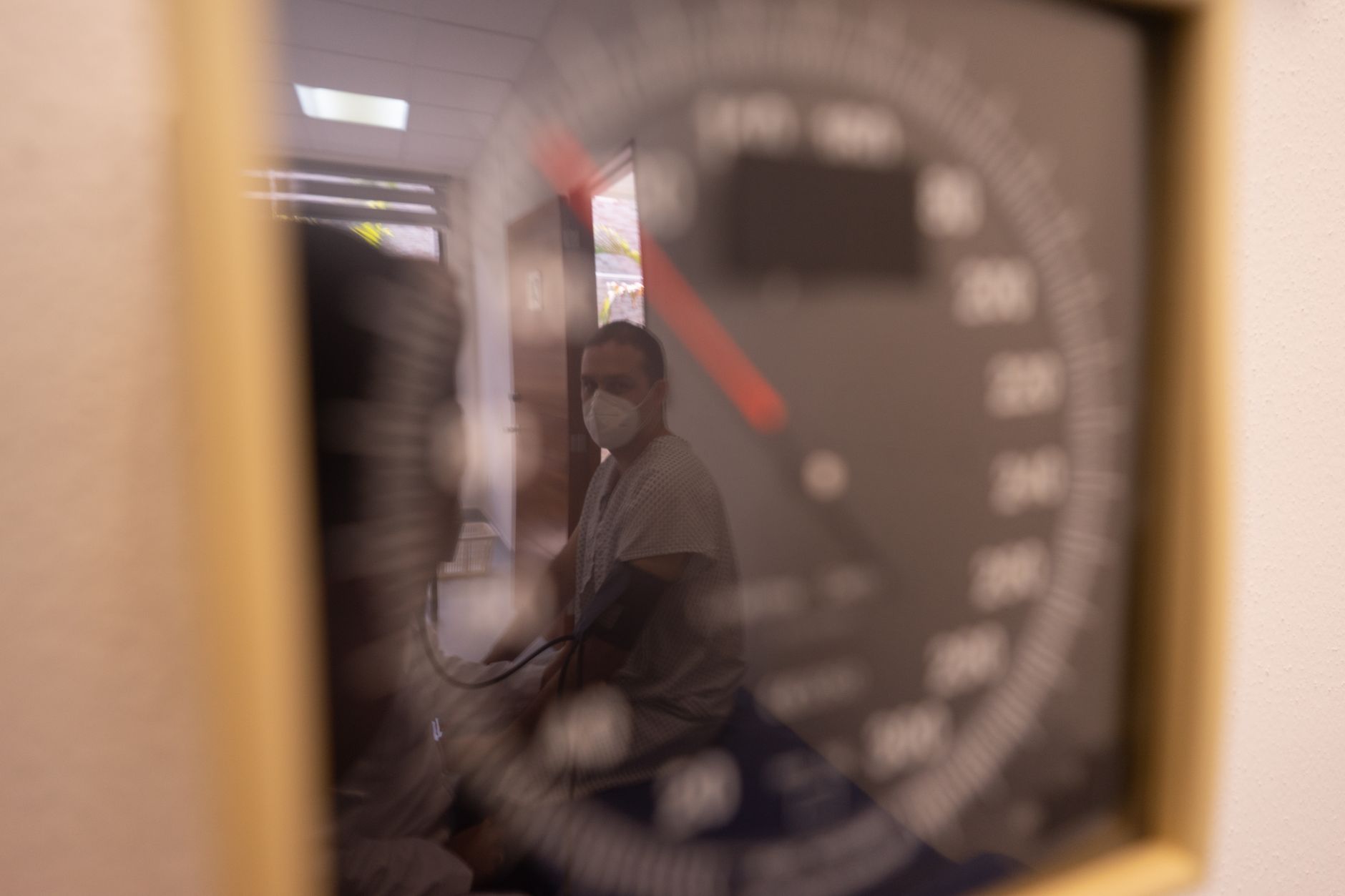
One of the key advantages of a cardiology check-up trip to Türkiye is the efficiency of scheduling. International patient departments are adept at compressing multiple tests into a short timeframe, often over two to four days. A typical itinerary might look like this:
- Day 1: Arrival, initial consultation with a cardiologist, ECG, blood tests and echocardiography.
- Day 2: Stress test and any additional non-invasive imaging (e.g., Holter monitor fitting).
- Day 3: Angiography if indicated (usually as a day procedure), followed by a review of results with the cardiologist.
- Day 4: Final consultation, lifestyle advice and departure.
This streamlined approach is made possible by close coordination between departments and a focus on patient convenience. Appointments are sequenced to minimise waiting times, and results are often available quickly due to in-house laboratories and imaging facilities. For angiography, patients may need to stay overnight for observation, but many procedures are performed on an outpatient basis.
Clinics also assist with logistics such as airport transfers, accommodation recommendations and interpretation services. Some offer packages that include hotel stays and local transport, making the trip hassle-free. It's advisable to book well in advance and to share your medical records beforehand so that the team can prepare a personalised schedule.

The Tests in Detail: Stress Test, Echo and Angiography
Stress Test
A stress test is a cornerstone of cardiac evaluation. In Türkiye, it is often performed using a treadmill with continuous ECG monitoring, blood pressure checks and symptom assessment. For patients unable to exercise, pharmacological stress testing with drugs like dobutamine or adenosine may be used, sometimes combined with echocardiography or nuclear imaging. The test typically takes 30–60 minutes, and you'll be asked to fast beforehand. Results are interpreted immediately by the cardiologist, who can discuss findings on the spot.
Echocardiography
Echocardiography is painless and non-invasive. A transducer is placed on your chest to generate sound waves that create images of your heart. It assesses chamber size, wall thickness, valve function and ejection fraction. Doppler echo can also evaluate blood flow patterns. The procedure takes about 30–45 minutes, and no special preparation is needed. In Turkish clinics, echo is often performed by experienced sonographers and reviewed by cardiologists, ensuring high diagnostic accuracy.
Coronary Angiography
Coronary angiography is the gold standard for diagnosing coronary artery disease. It involves inserting a catheter into an artery (usually in the groin or wrist) and injecting contrast dye to visualise the coronary arteries under X-ray. In Türkiye, this is performed in modern cath labs by interventional cardiologists with extensive experience. The procedure typically takes 30–60 minutes, and you may be sedated but remain awake. Post-procedure, you'll be monitored for a few hours, and most patients can go home the same day. The images are analysed immediately, and if a blockage is found, treatment options—such as angioplasty and stenting—can be discussed and sometimes performed in the same session.
Understanding Your Results and Lifestyle Advice
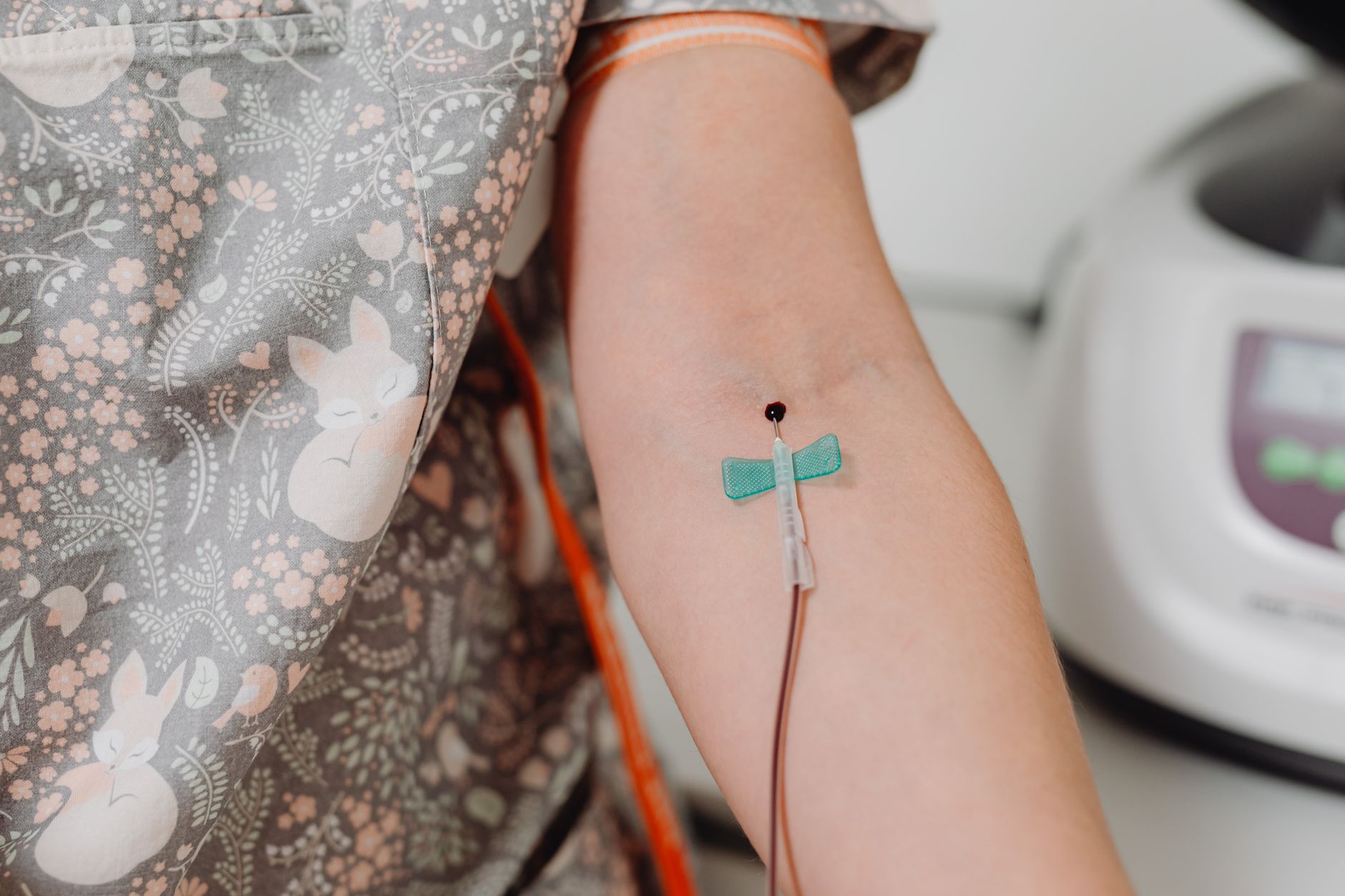
After all tests are completed, you'll have a comprehensive consultation with your cardiologist. They will explain the findings in clear, understandable terms, often using visual aids such as angiogram images or echo videos. You'll receive a written report that you can share with your doctor at home. The consultation is also an opportunity to discuss any concerns and ask questions.
Turkish cardiologists place a strong emphasis on preventive cardiology. Based on your results, they will provide personalised lifestyle advice covering diet, exercise, smoking cessation, stress management and medication if needed. You may receive a detailed plan that includes dietary recommendations (such as the Mediterranean diet, which is common in Türkiye), an exercise prescription and targets for blood pressure, cholesterol and blood sugar. This proactive approach helps you take charge of your heart health long after your trip ends.
Many clinics also offer follow-up telemedicine consultations or can coordinate with your local physician to ensure continuity of care. You'll leave with a clear understanding of your cardiovascular status and a roadmap for maintaining or improving it.
Combining Care with Turkish Hospitality
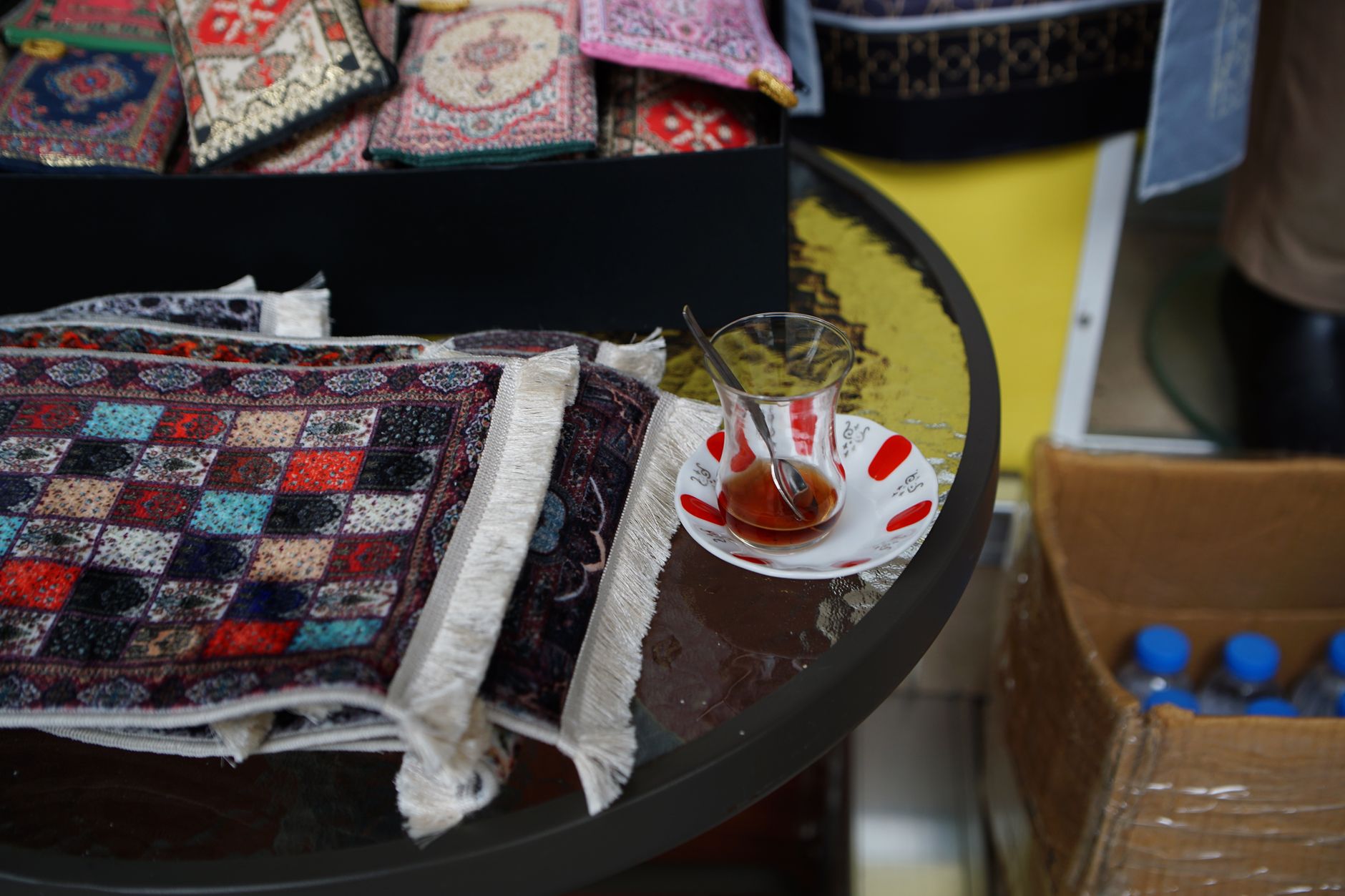
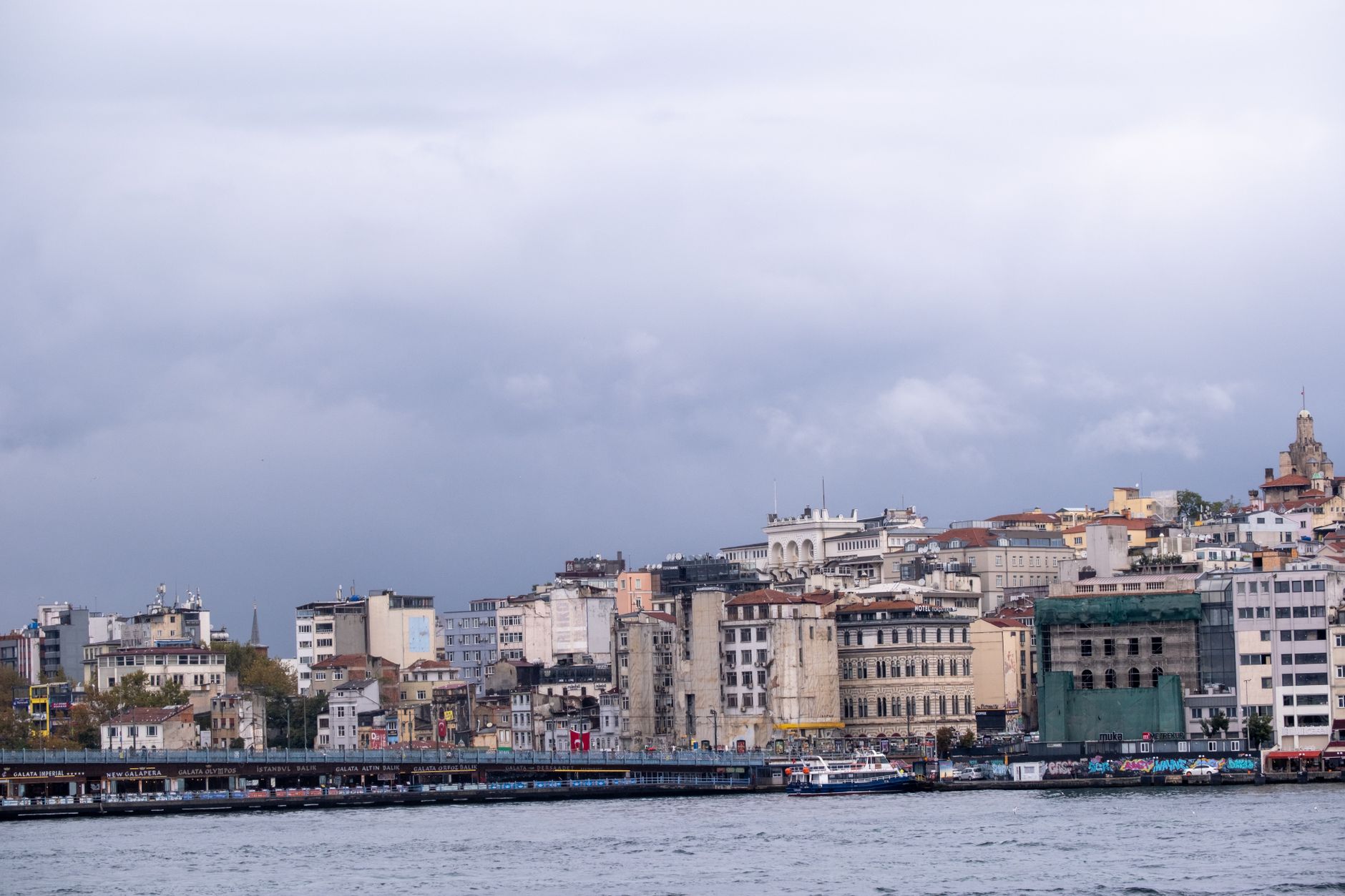
A medical trip doesn't have to be purely clinical. Türkiye's legendary hospitality means you can enjoy a comfortable and culturally enriching stay while attending to your health. Istanbul, with its historic peninsula, Bosphorus views and vibrant culinary scene, offers a wealth of experiences. Many hospitals are located in areas with good hotels and restaurants, making it easy to relax between appointments.
After your tests, you might explore the Grand Bazaar, take a Bosphorus cruise or visit a traditional hamam. Turkish cuisine, renowned for its fresh vegetables, olive oil and grilled fish, aligns well with heart-healthy eating—so you can practice your new dietary habits immediately. The blend of advanced medical care and warm hospitality makes a cardiology check-up trip to Türkiye a uniquely positive experience.
For those with more time, extend your stay to explore Cappadocia's fairy chimneys or the ancient ruins of Ephesus. Many clinics can arrange guided tours or recommend reputable travel agencies. Just be sure to allow adequate rest after invasive procedures like angiography.
Planning Your Trip: Practical Tips
Before booking, research hospitals and cardiology departments thoroughly. Look for facilities with international accreditation, experienced cardiologists and positive patient reviews. Contact the international patient department to discuss your medical history, required tests and expected duration of stay. They can provide a detailed quote and schedule.
Prepare your medical records, including previous ECGs, echo reports, stress test results and a list of medications. Share these in advance to help the team plan. Check visa requirements for Türkiye (many nationalities can obtain an e-visa online). Arrange travel insurance that covers medical procedures, and ensure your trip dates allow for any follow-up appointments.
Upon arrival, keep a copy of your passport and medical documents handy. Most hospitals have English-speaking staff, but it's helpful to learn a few basic Turkish phrases. Finally, be open with your cardiologist about your symptoms and concerns—this ensures you get the most personalised and effective care.
A cardiology check-up trip to Türkiye combines world-class diagnostics with efficiency and affordability, all wrapped in a welcoming environment. By understanding the tests involved, how appointments are coordinated and how to interpret results, you can take a proactive step towards a healthier heart while enjoying the best of Turkish hospitality.
Thinking about treatment in Turkey?
Send us a question about this site or about the information published on it. This is a publisher's mailbox, not a medical service and not a route to a particular provider — for clinical questions, contact your own doctor.