

Two Excellent Pathways, One Goal: Your Health
Türkiye has become one of the world's most trusted destinations for medical tourism, welcoming hundreds of thousands of international patients every year. What many prospective patients discover is that the country offers not one but two distinct care ecosystems: public university hospitals and private clinics and hospitals. Each pathway is excellent in its own way, and neither is universally 'better' than the other. The right choice depends on your diagnosis, your budget, your timeline, and the level of personal comfort you need during recovery.
This guide walks you through both options in a balanced, practical way. Whether you are considering a complex cardiac procedure or a routine cosmetic treatment, understanding how each setting operates will help you make a confident, well-informed decision.
Every year, Türkiye's health system combines academic rigor with world-class hospitality—so the real question is not which is best, but which is best for you.
Public University Hospitals: Academic Depth and Pioneering Research
Türkiye's public university hospitals—such as those affiliated with major state universities in Istanbul, Ankara, and Izmir—are the backbone of the country's medical education and research. Many of these institutions date back decades and have trained generations of Turkish physicians. When you are treated at a university hospital, you benefit from an environment where medicine is studied, taught, and advanced, not just practiced.
These hospitals are often the first in the country to adopt cutting-edge technologies: robotic surgery platforms, advanced radiation oncology, organ transplantation programs, and clinical trials for new therapies. If your condition is rare, complex, or requires a multidisciplinary team—oncologists, surgeons, radiologists, and pathologists working together—a university hospital is frequently the setting where such collaboration happens most naturally.
Another significant advantage is cost. Because public university hospitals receive state funding, treatment prices for international patients are typically lower than at private facilities, particularly for major surgeries and extended hospital stays. For patients paying out of pocket, this can make a high-quality, academically driven treatment plan surprisingly accessible.
That said, the public setting comes with trade-offs. Waiting times can be longer, and the patient experience is less hotel-like: rooms may be shared, and appointment scheduling follows a more structured, sometimes less flexible rhythm. For some international patients, this is a minor inconvenience; for others, it matters a great deal.
Private Clinics and Hospitals: Speed, Comfort, and Personalised Service
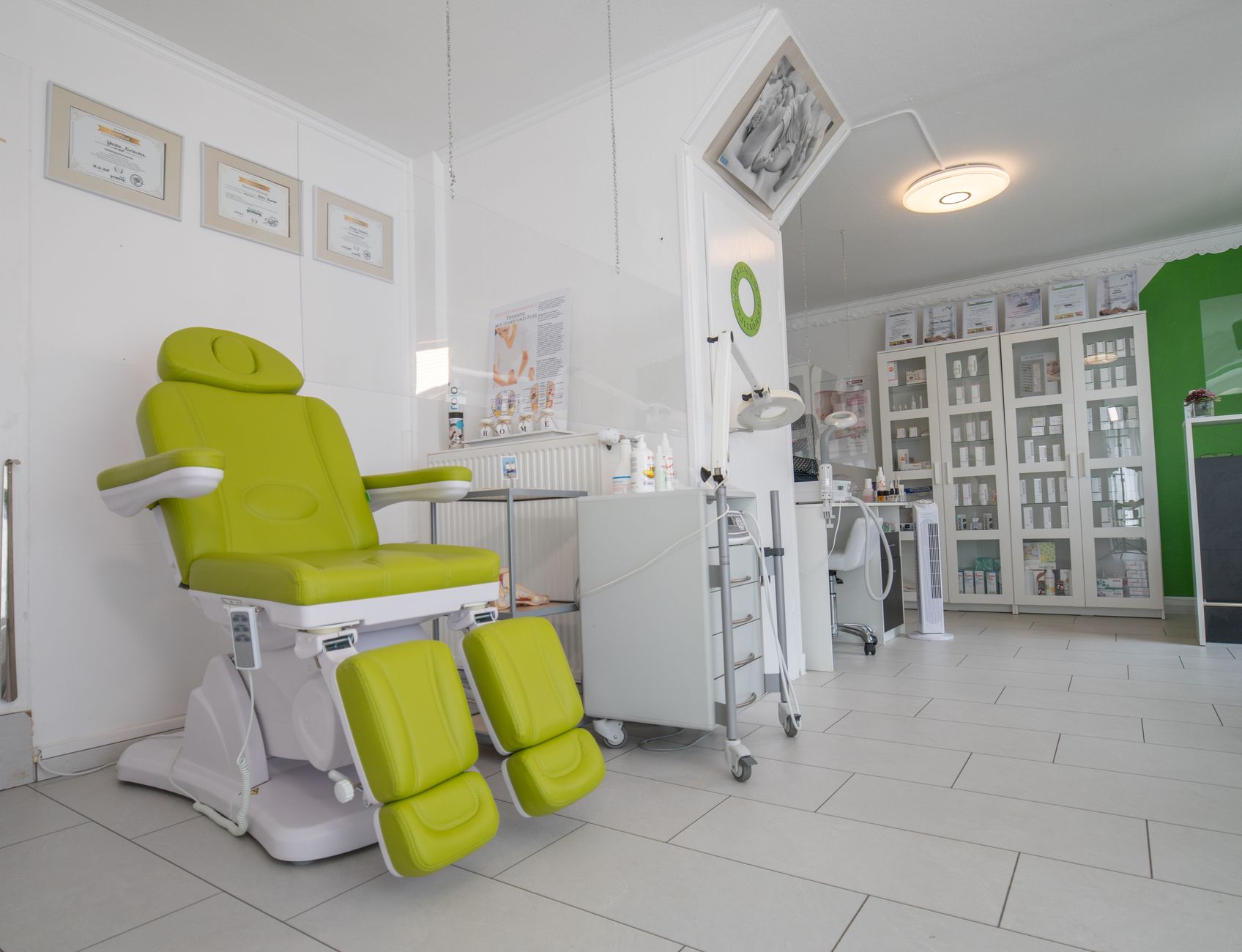
Private clinics and hospitals across Türkiye—particularly in Istanbul, Antalya, and Izmir—have built their reputations on patient-centric care. From the moment you inquire, you are typically assigned a dedicated coordinator who arranges your consultation, surgery date, airport transfer, accommodation, and follow-up. The pace is fast: many procedures can be scheduled within days or weeks rather than months.
The physical environment is designed for comfort and privacy. Private rooms resemble hotel suites, with en-suite bathrooms, companion beds, Wi-Fi, and room service. For patients travelling alone or with a partner, this level of comfort can significantly reduce stress and support recovery. Multilingual staff—often fluent in English, Arabic, Russian, German, or French—are standard in facilities that actively court international patients.
Private clinics also tend to specialise. You will find centres of excellence for hair transplantation, dental work, bariatric surgery, IVF, ophthalmology, and aesthetic procedures, where high procedure volumes translate into refined technique and predictable outcomes. For elective and minimally invasive treatments, this focus is a real strength.
The trade-off here is cost: private care is priced at a premium, and not every private clinic has the deep research infrastructure of a university hospital. For straightforward procedures, that is rarely an issue; for highly complex cases, you may want to confirm that the clinic has the necessary backup specialities on site.
How International Patient Units Make Both Pathways Work
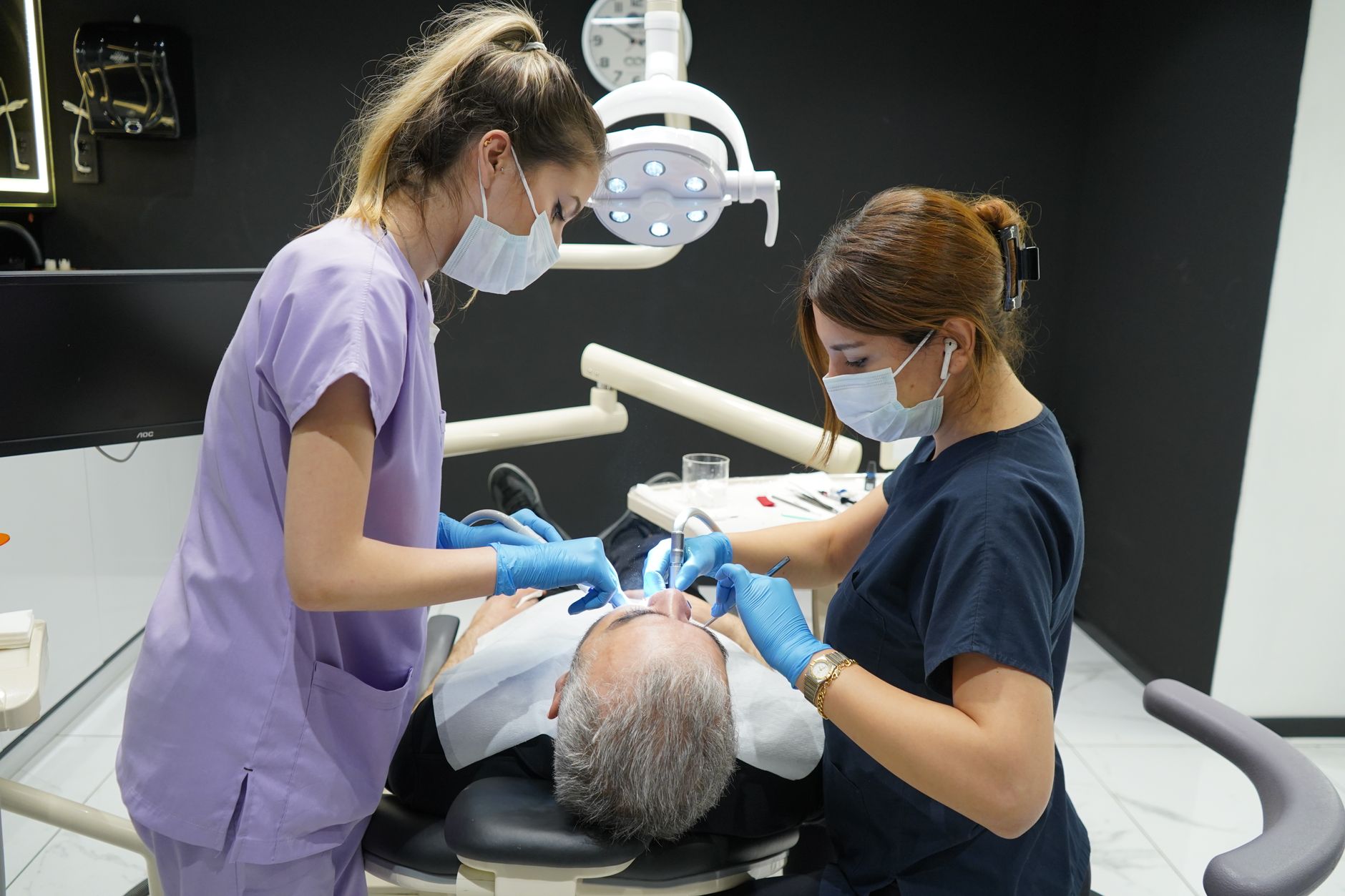
One of the most reassuring features of Turkish healthcare is the presence of international patient units in both public university hospitals and private clinics. These departments exist specifically to bridge language, culture, and logistics gaps for foreign patients, and they are a major reason Türkiye consistently ranks among the top medical tourism destinations globally.
At a public university hospital, the international patient unit typically helps you obtain a preliminary medical evaluation, translates your records, schedules appointments with the right department, and provides interpretation during consultations and consent discussions. Staff may assist with visa invitation letters, hospital admission paperwork, and coordinating between multiple specialities. While the hospital environment remains academically oriented, the unit ensures you are never navigating it alone.
At a private clinic, the international patient unit often functions more like a concierge service. You may receive a single point of contact who manages everything from your first online consultation to your post-operative video call. Interpreters accompany you to appointments, and written materials are provided in your language. Many private hospitals also offer airport pickups, hotel bookings, and city tours for accompanying family members.
In both settings, the goal is the same: to deliver multilingual coordination so that your medical journey is smooth, transparent, and culturally comfortable. When comparing facilities, ask specifically about the qualifications of interpreters, the availability of your language, and how aftercare communication is handled once you return home.

Matching Your Treatment and Budget to the Right Setting
So how do you decide? Start with the nature of your medical need. Complex, rare, or multi-system conditions—certain cancers, organ transplants, advanced cardiac surgery, paediatric congenital disorders—often benefit from the multidisciplinary depth and research infrastructure of a public university hospital. Here, the academic environment is not just prestige; it translates into access to clinical trials, tumour boards, and specialised diagnostic expertise.
Elective, well-defined procedures—hair transplants, dental implants, LASIK, rhinoplasty, bariatric surgery, IVF—are frequently handled with great efficiency and comfort in private clinics. High-volume specialisation, rapid scheduling, and hotel-like recovery rooms make these settings ideal for patients who want to combine treatment with a short, comfortable stay.
Budget is the second lens. Public university hospitals generally offer lower prices for major interventions, making them attractive for patients without insurance coverage or with limited funds. Private clinics command higher fees but often bundle services—transfers, accommodation, translators, follow-up—into a single package, which can simplify planning and reduce hidden costs.
A balanced approach is to compare at least two or three facilities across both categories. Request itemised quotes, ask about surgeon credentials, and check whether the hospital is accredited by international bodies such as JCI. Do not assume that public means lower quality or that private means unnecessary spending; both can deliver outstanding outcomes when matched correctly to your case.
Practical Tips for a Smooth Medical Journey in Türkiye
Whichever pathway you choose, a few practical steps will make your experience smoother. First, gather your medical records—imaging, lab results, pathology reports—and have them translated into Turkish or English before you travel. This speeds up consultations and ensures your care team has a complete picture.
Second, clarify what is included in your quote. Ask about pre-operative tests, anaesthesia, hospital stay duration, medications, follow-up visits, and what happens if complications arise. A transparent facility will provide this in writing. Third, plan your recovery time realistically. Turkish hospitals often discharge patients quickly, so arrange comfortable accommodation nearby for the days after discharge.
Finally, consider timing. Public university hospitals may have longer waiting lists for non-urgent procedures, while private clinics can often accommodate you within days. If your condition is time-sensitive, this difference alone may guide your decision. And always keep a copy of your medical reports and discharge summary to share with your doctor at home.
Conclusion: Two Strong Choices, One Confident Decision
Türkiye's dual healthcare landscape is a strength, not a dilemma. Public university hospitals offer academic excellence, pioneering research, and affordability for complex care. Private clinics offer speed, personalised service, and hotel-like comfort for elective and specialised treatments. Both are supported by international patient units that provide multilingual coordination and logistical support.
By assessing your medical needs, budget, and personal preferences—and by asking the right questions—you can choose the setting that serves you best. Whether you opt for the academic depth of a university hospital or the tailored comfort of a private clinic, you will find skilled professionals, modern facilities, and a warm welcome in Türkiye. Your health deserves nothing less than a well-informed choice.
Thinking about treatment in Turkey?
Share your contact details and a verified doctor will follow up with a plan built around you — free, no obligation.