

Why the Calendar Matters as Much as the Clinic
When patients plan treatment abroad, most of the attention goes to choosing a hospital, comparing surgeon credentials, and understanding the procedure itself. Far fewer people stop to think about when they will travel — yet the date you pick shapes almost everything about the experience. Weather affects how comfortable recovery feels, season affects how busy clinics and airports are, and the rhythm of the calendar influences how easily your international coordinator can align your surgery with flights and follow-up reviews.
Türkiye is unusually well suited to this kind of planning. Rather than one punishing climate, the country moves through four gentle, distinct seasons, and its major medical hubs — Istanbul above all — are supported by large, well-staffed clinics accustomed to hosting international patients year-round. That combination means you are rarely forced into a single "best" month; instead, you can choose a window that fits your body, your budget, and your work or family obligations.
This guide walks through what each season offers, how quieter clinic periods can work in your favour, and how coordinators help stitch treatment dates together with flights and follow-up appointments so the whole journey feels calm rather than rushed.
Four Gentle Seasons, Four Different Recovery Experiences
Türkiye's coastal and western regions, including Istanbul, enjoy a temperate climate with clearly marked seasons that rarely swing to extremes. Spring arrives with mild temperatures and blossoming parks; summer is warm and bright but moderated along the Bosphorus and the Aegean; autumn is famously soft and golden; winter is cool and occasionally wet but seldom harsh in the cities. For recovery, this means no season is off-limits — but each offers a different texture of comfort.
If your procedure involves spending time outdoors — walking as part of rehabilitation, gentle sightseeing during a longer stay, or simply sitting in a garden between appointments — spring and autumn are the classic favourites. Daytime temperatures sit in a comfortable band, humidity is manageable, and the long daylight hours make it easy to take short, restorative walks without overexerting yourself.
Summer suits patients who love warmth and plan to remain mostly indoors in air-conditioned clinics and hotels, while winter appeals to those who prefer quiet streets and a slower pace. Patients with heat sensitivity, or those recovering from procedures where sun exposure must be limited, often find spring, late autumn, or winter more forgiving. There is no universal right answer — the goal is to match the season to your recovery needs rather than to a travel brochure.
Shoulder Seasons: The Sweet Spot for Comfort and Value
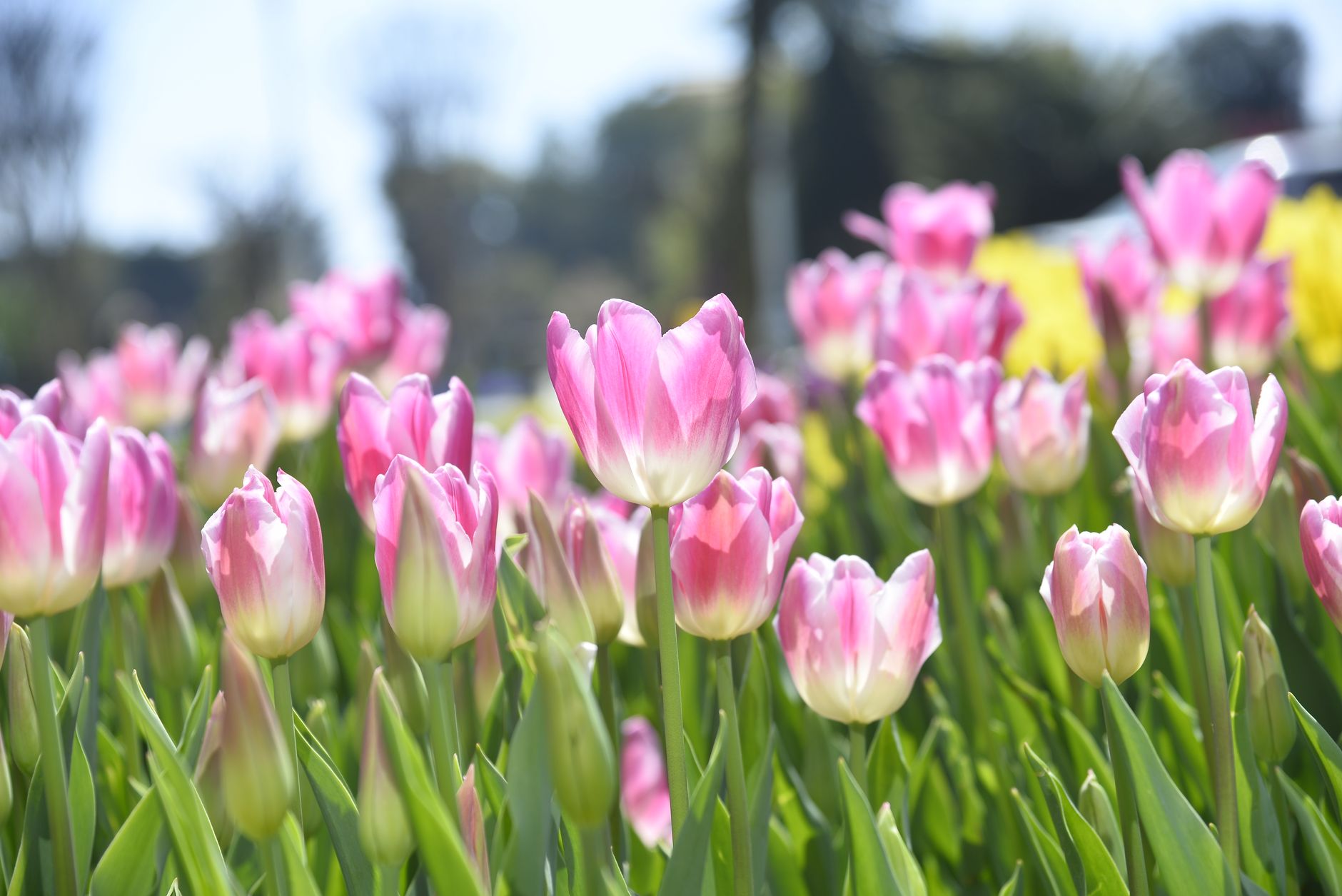
The months of April, May, September, and October are widely considered Türkiye's shoulder seasons, and they are a quietly excellent choice for medical travel. Temperatures are mild, the summer crowds have not yet arrived or have already dispersed, and hotel rates in Istanbul often soften compared with peak July and August. For patients who want to combine treatment with a short, low-key recovery stay near the sea or in a leafy neighbourhood, these weeks are hard to beat.
From a clinical standpoint, shoulder seasons also tend to bring a more relaxed atmosphere to clinics. Appointment schedules are steady but not stretched, and staff — from reception teams to nurses on the ward — often have a little more breathing room for conversation and reassurance. If you are the kind of patient who values unhurried consultations and the chance to ask questions without feeling the queue behind you, spring and autumn are worth prioritising.
One practical caveat: shoulder months coincide with school holidays in some source countries and with major cultural events in Istanbul, so hotel availability in popular districts can tighten. Booking accommodation early and confirming your clinic's holiday schedule in advance keeps the advantages of the shoulder season intact.
Summer and Winter: What to Expect in Peak and Quiet Periods
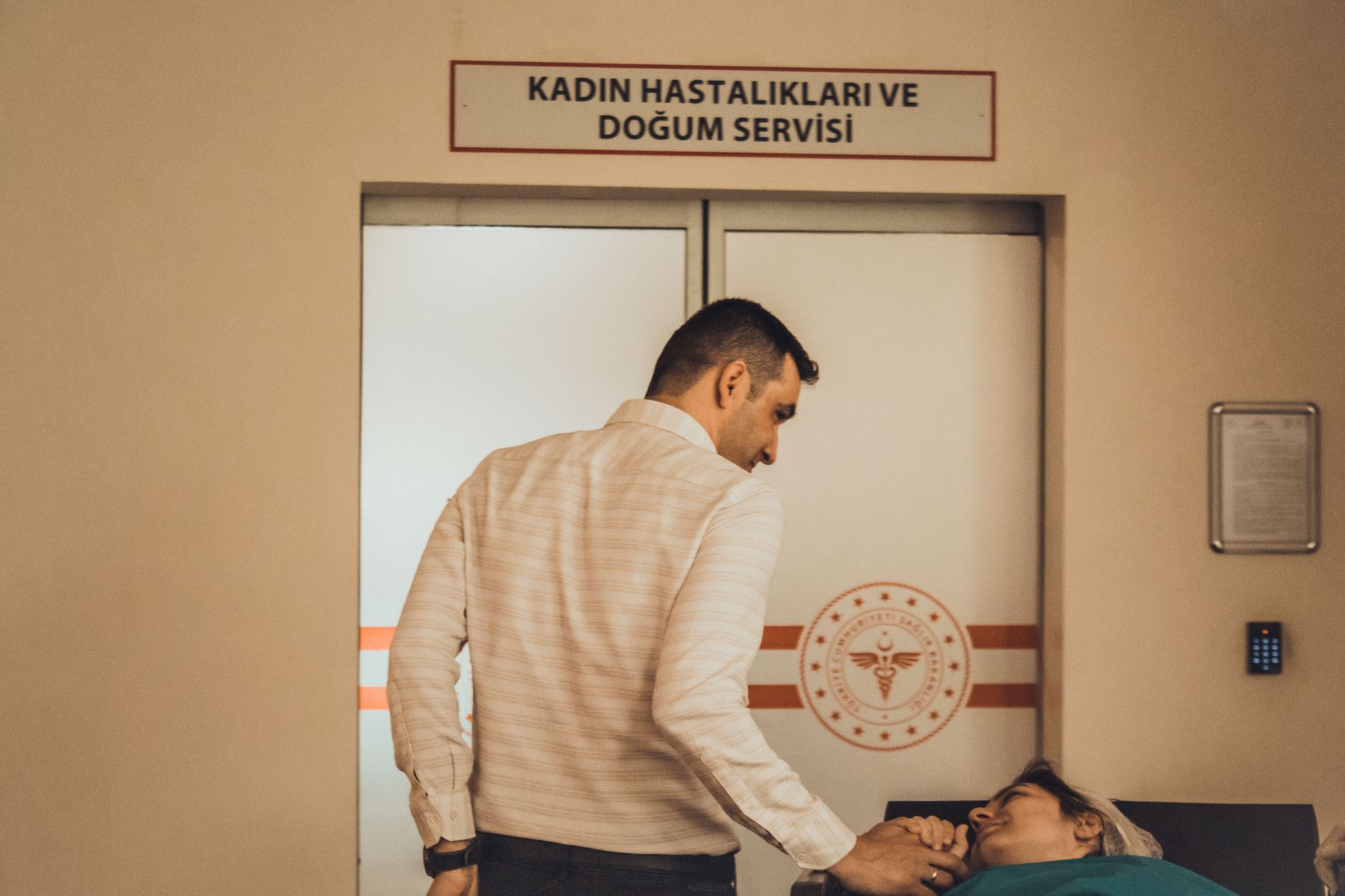
July and August are Türkiye's busiest months for tourism, and clinics in Istanbul and along the coast see a corresponding uptick in international enquiries. This is not a problem in itself — Türkiye's larger hospitals are well-staffed and used to high volumes — but it does mean airport transfers, popular hotels, and some outpatient services move at a brisker pace. Patients who choose summer should build in a little extra time for logistics and be realistic about heat, especially if their recovery involves compression garments, bandages, or limited mobility.
Winter, by contrast, is the quietest period in many clinics, particularly in January and February. Streets are calmer, hotels offer competitive rates, and appointment calendars are more flexible. The trade-off is shorter days and the occasional rainy week, which matters if you had hoped to spend recovery time exploring. For many patients, though, a quiet winter stay in a well-heated hotel with a view over the Bosphorus is a genuinely pleasant way to recover.
It is also worth noting that Turkish clinics do not close down in any season. Public holidays, such as the Ramadan feast and the autumn Republic Day period, can affect outpatient hours for a few days, so coordinators always check these dates when proposing a treatment window. With that small caveat handled in advance, both the height of summer and the depth of winter can work beautifully.
Making the Most of Quieter Clinic Periods
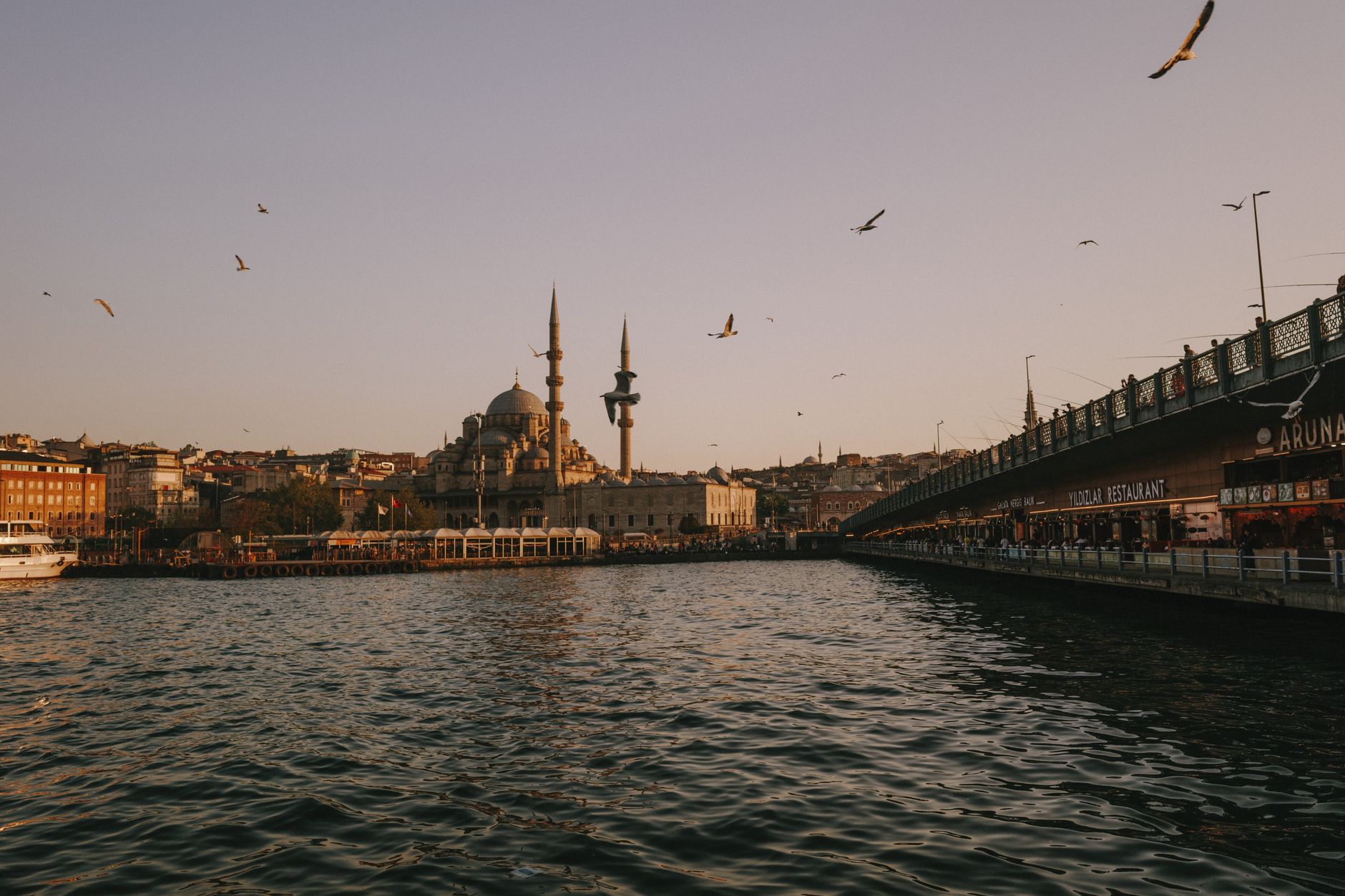
Quieter periods are not just about cheaper flights. When a clinic's schedule has more breathing room, several practical benefits follow. Consultation appointments may run longer, pre-operative assessments can be spread more comfortably across a day, and there is often greater flexibility if you need to adjust a follow-up review by a day or two. For patients travelling with a companion, quieter weeks also make it easier to find adjoining hotel rooms and restaurant tables without fuss.
To identify the calmer windows, ask your international coordinator directly which weeks tend to be least busy for your specific procedure. Some treatments are seasonal in demand — certain elective procedures cluster around holiday periods — while others are evenly spread through the year. A good coordinator will know the pattern for your clinic and can suggest a date that gives you both a comfortable season and a less crowded clinical calendar.
There is also a personal dimension to quiet periods: many patients find that a calmer environment reduces anxiety. Waiting rooms with fewer people, nurses with more time to explain aftercare, and a city that is not at full tourist throttle can make the whole experience feel more personal. If nervousness about travelling for treatment is on your mind, deliberately choosing a quieter month is a simple, effective way to soften the experience.
How International Coordinators Align Treatment, Flights, and Follow-Up
The single biggest advantage of working with an established medical tourism coordinator is that they treat your dates as a single connected plan rather than a set of separate bookings. A coordinator will typically start from your preferred treatment window, then work backwards to flight arrival times, pre-operative consultation slots, the procedure itself, and the post-operative review that must happen before you fly home.
This sequencing matters more than it might seem. Certain procedures require a minimum stay in Türkiye — sometimes seven to fourteen days — before a final review clears you to travel. Coordinators build this into the itinerary so that your return flight is not booked too early, and they can often arrange the follow-up review at a time that suits your recovery pace. If a flight is delayed or a review needs to move, a good coordinator adjusts the surrounding arrangements rather than leaving you to sort it out alone.
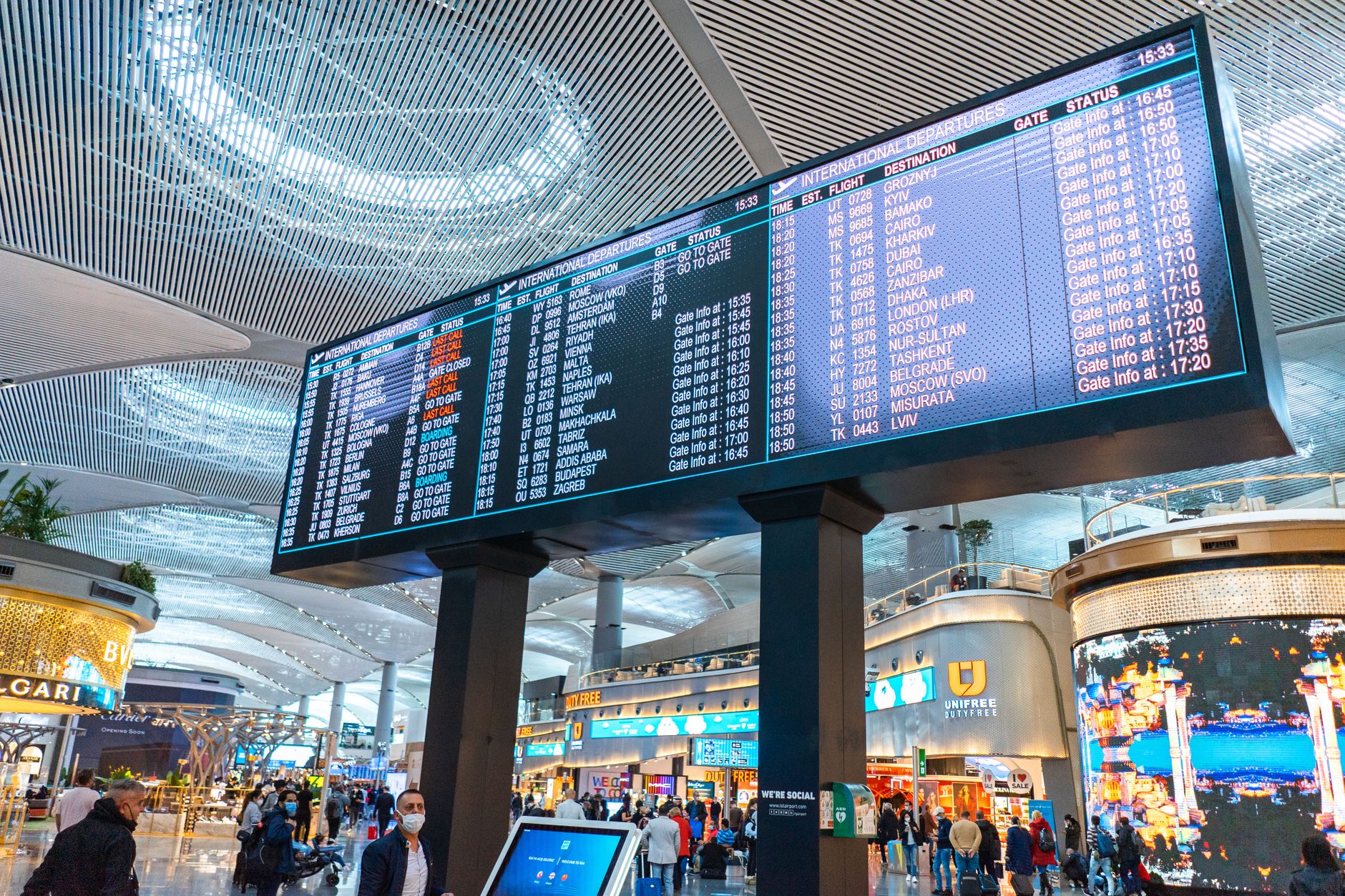
Flights themselves are part of the calculation. Coordinators know which airlines and routes offer the most comfortable journey for patients recovering from particular procedures, and they can advise on timing — for example, avoiding tight connections or overnight layovers immediately after treatment. They also help with airport transfers, wheelchair assistance where needed, and hotel choices close to the clinic, all of which reduce the friction of travel on a healing body.
Finally, coordinators help with the less visible follow-up: remote check-ins after you return home, sharing records with your local doctor, and scheduling any later review that can be done online. This continuity means the treatment date you choose in Türkiye is the start of a supported recovery, not the end of the clinic's involvement.

A Practical Checklist for Picking Your Date
With all of this in mind, choosing a treatment date becomes a manageable, even enjoyable, exercise. The following pointers can help you move from a vague idea to a confirmed booking with confidence.
- Start with your body, not the brochure. Think about whether you recover better in mild weather, prefer warmth, or feel calmer in quieter, cooler months. Let that guide your preferred season before you look at prices.
- Ask your coordinator about clinic rhythms. Request the quieter weeks for your specific procedure and confirm any public holidays that might affect outpatient hours.
- Confirm the minimum stay. Clarify how many days you must remain in Türkiye before your post-operative review and return flight, then build the trip around that number.
- Book flights after the clinical plan. Let the treatment schedule dictate flight dates, not the other way around, and ask for advice on the most comfortable routes.
- Leave a buffer day. A little extra time before your return flight absorbs delays and gives you a calmer final review.
- Plan the follow-up early. Agree in advance how remote check-ins and any local follow-up will work once you are home.
Türkiye's gentle seasons and well-staffed clinics are a genuine advantage for international patients: they offer choice, flexibility, and the reassurance of a medical system that hums along comfortably all year. With a little planning and the support of a good coordinator, you can pick a date that suits your recovery, your schedule, and your peace of mind — and arrive ready to focus on healing rather than logistics.
Thinking about treatment in Turkey?
Send us a question about this site or about the information published on it. This is a publisher's mailbox, not a medical service and not a route to a particular provider — for clinical questions, contact your own doctor.