

Chronic headaches and neurological pain can drain your energy, disrupt your work, and make even simple daily tasks feel overwhelming. If you have been living with migraines that do not respond to standard treatments, or nerve pain that no one has been able to explain, you may be wondering where to turn next. Türkiye—and especially Istanbul—has become a leading destination for international patients seeking comprehensive neurological assessment and modern pain management. With world-class hospitals, rapid access to advanced diagnostics, and multidisciplinary teams who treat the whole person, Turkish clinics offer a practical, hopeful path toward lasting relief.
Why Türkiye Is a Top Choice for Neurological Care
Türkiye has invested heavily in its healthcare infrastructure over the past two decades. Many private hospitals in Istanbul and Ankara are accredited by international bodies such as JCI (Joint Commission International) and TEMOS, and they employ neurologists, neurosurgeons, and pain specialists who have trained in Europe, North America, and leading Turkish universities. These centres combine advanced technology with a patient-centered approach, making them attractive to international patients who want expert care without long waiting lists.
One of the biggest advantages is speed. In many countries, seeing a neurologist can take months, and getting an MRI or EEG may take even longer. In Türkiye, you can often complete your initial consultation, imaging, and a treatment plan within a single week. For someone in constant pain, that rapid timeline can be life-changing. Hospitals are also accustomed to coordinating with international patients, offering services such as translation, visa support, and airport transfers.
Cost is another factor. Even after travel and accommodation, many patients find that comprehensive neurological workups and treatments in Türkiye cost significantly less than in Western Europe or the United States. This does not mean lower quality—Turkish neurology centres use the same imaging equipment (3T MRI, PET-CT, high-resolution ultrasound) and follow international guidelines for migraine and neuropathic pain management.
Understanding Chronic Headache and Neurological Pain
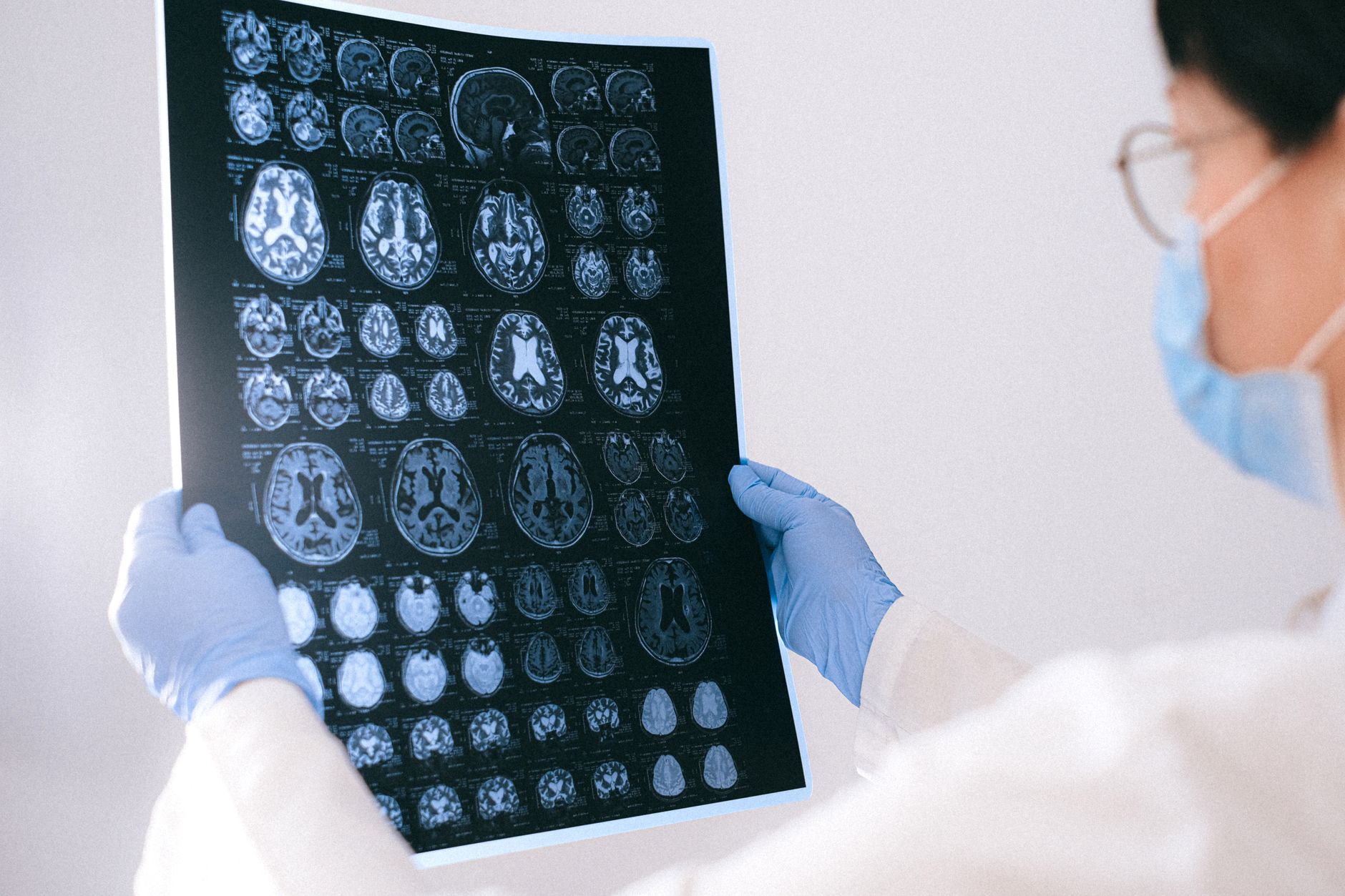
Chronic headache is not simply a bad headache. It refers to headaches that occur on 15 or more days per month, and it includes conditions such as chronic migraine, medication-overuse headache, and tension-type headache. Neurological pain—often called neuropathic pain—arises from damage or dysfunction in the nervous system. It can feel like burning, electric shocks, tingling, or stabbing pain, and it may be caused by diabetes, shingles, spinal issues, multiple sclerosis, or nerve compression.
These conditions are complex, and they often overlap. A patient with chronic migraine may also have neck pain and anxiety, while someone with trigeminal neuralgia may experience both facial pain and sleep disruption. That is why a one-size-fits-all approach rarely works. The best outcomes come from a thorough evaluation that looks at your medical history, triggers, lifestyle, and previous treatments—and from a team that includes neurologists, pain specialists, physiatrists, psychologists, and sometimes neurosurgeons.
In Türkiye, neurologists are trained to distinguish between primary headaches (such as migraine) and secondary headaches (caused by another condition). They use detailed questionnaires, headache diaries, and imaging when needed. For neuropathic pain, they may use nerve conduction studies, quantitative sensory testing, or skin biopsies to pinpoint the source. This diagnostic rigor is the foundation of effective treatment.
Advanced Diagnostics: Fast Answers, Fewer Guesses
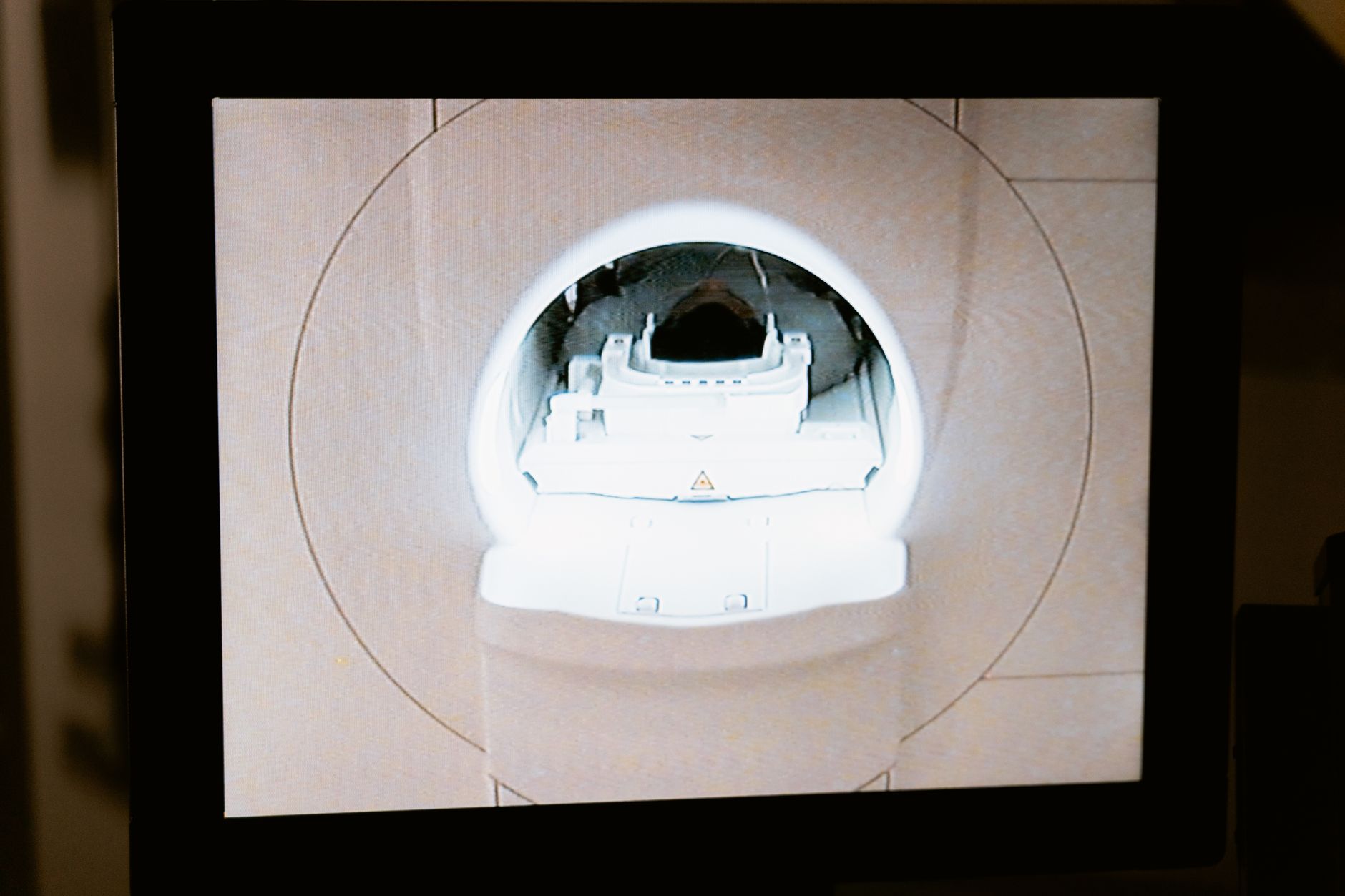
Quick access to diagnostics is one of the strongest reasons to choose a Turkish clinic. Instead of waiting weeks or months, you can undergo a full panel of tests in a matter of days. Common evaluations include:
- High-resolution MRI (3 Tesla): Detects brain lesions, tumors, multiple sclerosis plaques, and spinal cord abnormalities.
- CT angiography and MR angiography: Visualizes blood vessels to rule out aneurysms or stenosis.
- EEG and video-EEG monitoring: Assesses brain electrical activity, useful for seizures and some headache syndromes.
- Nerve conduction studies and EMG: Identify nerve damage or compression.
- Blood tests and genetic panels: Screen for inflammatory, metabolic, or hereditary causes.
Many hospitals in Istanbul offer same-day or next-day imaging, and results are reviewed by neuroradiologists who specialize in neurological disorders. You will not be left waiting in limbo; your neurologist will typically discuss findings with you in person, often with a translator present if needed. This rapid feedback loop allows treatment to start quickly, which is crucial for conditions where early intervention improves outcomes.
Some centres also offer advanced procedures such as lumbar puncture, botulinum toxin injections, and nerve blocks as part of the diagnostic-therapeutic process. If a secondary cause is found—such as a sinus infection, sleep apnea, or medication overuse—the team can address it immediately.

Multidisciplinary Treatment Options That Go Beyond Medication
Modern headache and pain care in Türkiye is not limited to prescribing pills. Leading clinics use a multidisciplinary model that combines pharmacological and non-pharmacological therapies. Depending on your diagnosis, your plan may include:
- Preventive medications: Beta-blockers, anticonvulsants, antidepressants, and CGRP monoclonal antibodies for migraine.
- Acute treatments: Triptans, gepants, and ditans for migraine attacks; NSAIDs and opioids (used cautiously) for other pain.
- Botulinum toxin (Botox) injections: FDA-approved for chronic migraine and also used for certain neuropathic pain syndromes.
- Nerve blocks and radiofrequency ablation: Targeted injections to interrupt pain signals.
- Spinal cord stimulation and peripheral nerve stimulation: Implantable devices for severe, refractory neuropathic pain.
- Physical therapy and rehabilitation: For neck and back pain contributing to headaches.
- Psychological support: Cognitive behavioral therapy, biofeedback, and relaxation training to manage stress and pain perception.
- Lifestyle and dietary counseling: Identifying triggers, improving sleep, and designing an anti-inflammatory diet.
Turkish neurologists are also increasingly using newer treatments such as CGRP inhibitors (erenumab, galcanezumab, fremanezumab) and onabotulinumtoxinA, which can significantly reduce migraine frequency. For neuropathic pain, they may prescribe gabapentinoids, SNRIs, or topical lidocaine, and they are experienced in titrating these medications to minimize side effects.
What sets many Turkish clinics apart is the time they spend with you. Initial consultations often last 45–60 minutes, allowing the doctor to understand your full history. Follow-up appointments are scheduled promptly, and you can usually reach your care team via email or phone between visits. This continuity is especially valuable when you return home and need to coordinate with local doctors.

How to Choose the Right Clinic for You
With many excellent options, the choice can feel overwhelming. Start by looking for hospitals with a dedicated neurology department and a pain management unit. Check whether they have experience treating international patients and whether they offer services in your language. Accreditation such as JCI or ISO is a good sign of quality and safety. You can also ask for the names and credentials of the neurologists who will be involved in your care.
It is equally important to consider the clinic's approach. Some centres focus on interventional procedures, while others emphasize holistic, medication-based management. If you have tried many drugs without success, a clinic with expertise in botulinum toxin, nerve blocks, or neuromodulation may be more suitable. If your pain is related to stress or sleep, a program with psychological support and physiotherapy could be ideal. Do not hesitate to ask about success rates, potential risks, and what happens if a treatment does not work.
Telemedicine has made it easier to consult with Turkish neurologists before traveling. Many hospitals offer video consultations where you can discuss your case, share medical records, and receive a preliminary treatment plan. This helps you make an informed decision and ensures that your trip is focused and efficient. Once you arrive, you will typically have a face-to-face evaluation, any necessary tests, and the start of your treatment—all within a short timeframe.
Practical Tips for International Patients
Planning a medical trip requires attention to logistics. Most international patients can enter Türkiye with a standard tourist visa or an e-Visa, but check your specific requirements. Istanbul Airport is a major hub with direct flights from many cities, and hospitals often provide airport pickup. Accommodation near the hospital can range from budget hotels to luxury suites; many clinics have partnerships that offer discounted rates.
Bring copies of your medical records, including imaging CDs, lab results, and a list of medications you have tried. It is also wise to have a companion who can help with translation and support. Payment is usually required upfront for international patients, but many hospitals accept credit cards, bank transfers, and sometimes insurance. Ask for a detailed cost estimate before you commit.
After treatment, you will receive a comprehensive report and a follow-up plan. Your Turkish doctor can communicate with your local neurologist to ensure continuity of care. Some clinics also offer remote follow-up consultations for a period after you return home, so you are not left on your own. With the right preparation and the right clinic, you can turn a difficult chapter of chronic pain into a story of relief and renewed hope.
Thinking about treatment in Turkey?
Share your contact details and a verified doctor will follow up with a plan built around you — free, no obligation.