

Why Türkiye Makes Treatment Fit Into Real Life
For working professionals, the hardest part of medical treatment is rarely the procedure itself — it is the calendar. Between project deadlines, school runs, caring for ageing parents, and limited paid leave, a long absence abroad can feel impossible. This is exactly where Türkiye has changed the equation for thousands of international patients each year.
Istanbul's major hospitals and accredited clinics operate at a pace that few healthcare systems can match. Consultations are often arranged within days rather than months, diagnostic imaging can be completed the same day or the next, and treatment plans are frequently delivered within a single focused visit. Instead of stretching care across many weeks of scattered appointments, Turkish clinics are built around compression: fewer trips, shorter stays, and clearer timelines.
The result is genuinely positive. Patients routinely schedule a procedure, complete their recovery, and return to work within a window that fits standard annual leave or a short medical absence. Türkiye does not ask you to put your career on hold — it asks you to plan one well-organised trip.
Understanding Typical Timeframes Before You Request Leave
Every treatment has its own rhythm, so the first step in coordinating time off is learning the realistic timeline for your specific procedure. Dental work such as implants or full-arch restoration often needs five to ten days on the ground, sometimes across two short visits separated by a few months of healing. Hair transplantation generally involves two to three days of treatment and a few days of gentle recovery before flying home.
Vision correction such as LASIK or lens replacement is even faster: many patients complete evaluation, surgery, and a follow-up check within three to four days. Bariatric and general surgical procedures typically require a hospital stay of two to five nights plus a recovery period before long-haul travel. Aesthetic surgery timelines vary from a long weekend for minor procedures to ten to fourteen days for more extensive ones.
Orthopaedic, cardiac, and oncology care require individualised planning, and reputable clinics will provide a written treatment schedule after reviewing your medical records. Ask for this in writing before you approach your employer — a clear, dated plan makes any leave conversation far easier and demonstrates that you have thought carefully about your responsibilities.
As a rule of thumb, most patients find that one to two weeks of leave, occasionally supplemented by a few remote-working days, is enough to complete a wide range of treatments in Türkiye. Knowing this in advance lets you choose the right leave type instead of guessing.
Fast-Track Appointment Options That Minimise Time Away
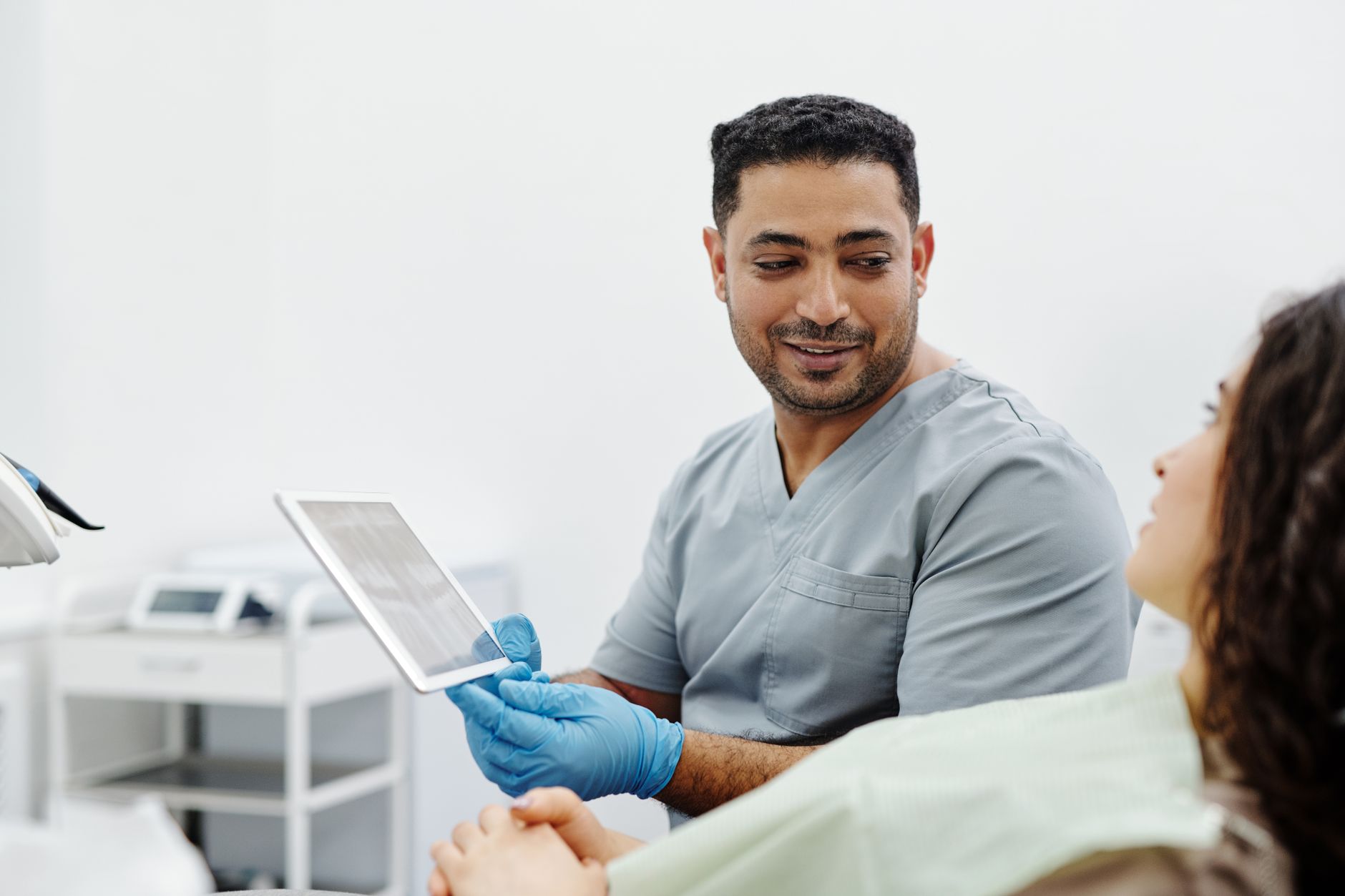
One of Türkiye's strongest practical advantages is the availability of accelerated scheduling. Many internationally focused clinics offer express pathways in which your consultation, blood tests, imaging, and surgical planning happen within forty-eight hours of arrival. This is not a compromise on quality — it simply reflects capacity, private-sector efficiency, and a service culture designed around the needs of travelling patients.
When you contact a clinic, ask specifically about fast-track or priority packages. These usually include airport transfer, a same-day or next-day consultation, bundled diagnostics, and a fixed treatment date so you can book flights and accommodation with confidence. Some hospitals also offer combined pre-operative assessment by video call before you travel, which removes an entire trip from the schedule.
Coordinating with a medical tourism facilitator can further compress your timeline, because they handle appointment sequencing, translation, and inter-department scheduling that would otherwise cost you days of email exchanges. The goal is a single, tightly choreographed visit rather than repeated journeys.
For patients who genuinely cannot take consecutive weeks away, some treatments can be staged around weekends and public holidays. A Thursday arrival, Friday procedure, and Monday discharge is a realistic pattern for several day-case procedures, allowing you to use only two or three working days of leave.

Getting Employer-Ready Documentation From Turkish Clinics
Professionals often worry that treatment abroad will complicate their absence from work. In practice, Turkish clinics and hospitals are well accustomed to international patients and routinely issue formal medical reports, treatment summaries, and sick-leave certificates in English or in a certified translation.
These documents typically state your diagnosis, the procedure performed, the dates of admission and discharge, the recommended recovery period, and the treating physician's signature and hospital stamp. Many employers, HR departments, and insurance providers abroad accept this documentation, particularly when it follows a clear format and includes contact details for verification.
Before you travel, confirm three things with your clinic: that the sick-leave note will specify a rest period in days, that it will be provided in a language your employer accepts, and that a certified translation can be arranged if required. Ask for both a digital copy sent by email and a printed original to carry home.
It also helps to inform your HR department early that your treatment will take place abroad. A short email stating the planned dates, the treating facility, and the expected documentation removes ambiguity and protects you if any administrative questions arise later. Being proactive turns a potentially awkward conversation into a routine one.
Where your contract allows it, combining certified medical leave with a few days of approved remote work can extend your recovery window without consuming extra annual leave — a useful option for roles that can be performed from a laptop.

Planning Family Logistics While You Are Away
Treatment abroad affects more than your work calendar. Children's routines, a partner's commitments, and care for dependent relatives all need a plan. The good news is that Istanbul and other Turkish medical hubs are convenient, family-friendly cities with reliable transport, international schools, and accommodation ranging from recovery hotels to serviced apartments.
If you are travelling with a companion, choose accommodation within walking distance of the hospital or on a direct metro line. Many clinics partner with nearby hotels that offer medical-guest rates, quiet rooms, and flexible check-in for patients arriving after long flights. Having a companion nearby reduces stress enormously during the first forty-eight hours after a procedure.
For families travelling with children, look for apartments with kitchenettes and laundry facilities, which make longer stays far more comfortable. Turkey is welcoming to families, and everyday logistics — groceries, pharmacies, taxis, and playgrounds — are easy to navigate even without Turkish.
If you are leaving dependents behind, arrange childcare, school pickups, and emergency contacts in advance and put everything in a shared digital calendar. Give one trusted person access to your itinerary, clinic contact details, and travel insurance documents. This single step removes most of the anxiety that families feel when a parent travels for care.
Finally, build in a buffer day at each end of the trip. Arriving a day before your appointment allows for rest and any last-minute preparation, while an extra recovery day before flying home reduces the risk of complications and rushed departures.
Budgeting Leave, Costs, and Peace of Mind Together
Coordinating time off is easier when the financial picture is clear. Turkish private healthcare is significantly more affordable than comparable treatment in Western Europe or North America, often allowing patients to combine treatment, flights, and accommodation for less than the cost of the procedure alone elsewhere.
Ask your clinic for an itemised quotation covering consultation, diagnostics, procedure, medication, and follow-up. Clarify what is included in fast-track packages — transfers, interpretation, and post-operative checks are frequently bundled, which simplifies budgeting and reduces hidden costs during your stay.
Check whether your travel insurance or employer health plan provides any reimbursement for treatment abroad, and keep every receipt and medical report. Even where direct coverage is limited, thorough documentation supports any claim or tax enquiry you may pursue later.
Most importantly, remember that the point of careful planning is not just efficiency — it is allowing yourself to focus fully on recovery. When your leave is approved, your family is settled, and your documents are in order, you can approach treatment calmly instead of counting the days until you must return to work.
Türkiye has built its reputation on making advanced medicine accessible and fast. With a little forethought about scheduling and paperwork, you can access that care without sacrificing your career or disrupting your family's life — a genuinely achievable balance for busy professionals.
Thinking about treatment in Turkey?
Send us a question about this site or about the information published on it. This is a publisher's mailbox, not a medical service and not a route to a particular provider — for clinical questions, contact your own doctor.