

Why Türkiye's Clinics Are Natural Partners in Shared Care
One of the quiet pleasures of receiving treatment in Türkiye is discovering how openly the clinical culture treats information. Turkish private hospitals — particularly the internationally accredited groups in Istanbul, Ankara and Izmir — are accustomed to working with patients who travel. Their coordinators, nurses and surgeons routinely prepare operative notes, discharge summaries, laboratory panels and imaging on CD or via secure link for patients who will continue follow-up at home. The default assumption is not "the file stays here" but "the file belongs to the patient."
That collaborative spirit is worth understanding before you board your flight. Continuity of care is not an afterthought in Turkish medical tourism; it is part of the product. Multi-disciplinary teams write discharge instructions in English as a matter of routine, and many clinics maintain an international patient department whose job includes answering follow-up questions from foreign physicians weeks or months after you have returned home.
This guide walks you through the practical steps: how to authorise the release of your records, exactly which documents to collect before you leave Türkiye, how to introduce your Turkish specialist to your home GP, and how to keep the two halves of your care team talking. The tone is deliberately upbeat — because in most cases, the process is smoother than patients expect.
Step One: Authorise Records Sharing Before You Fly Out
Turkish clinics cannot send your medical records to a third party without your explicit written consent — and that is a feature, not a bug. It protects your privacy. The practical consequence is that you should sign the relevant authorisation during your stay, while you are still inside the hospital's system, rather than trying to arrange it by email from abroad.
Ask your international patient coordinator for the clinic's "medical records release form" or "information sharing consent form." Most hospitals have a standard bilingual version. On it, you will typically specify: (1) your full name and passport number as they appear in your file; (2) the name, clinic address, phone and email of the physician or institution receiving the records; (3) the scope of the release — for example, "all records relating to the [procedure] performed on [date]"; and (4) the format in which you want the records delivered (printed, encrypted PDF, or physical media).
Sign the form in person, ask for a photocopy or scan for your own records, and confirm with the coordinator the expected turnaround time. Twenty-four to seventy-two hours is common for standard discharge documentation; imaging on disc may take a little longer. If you are travelling onward quickly, ask whether the clinic can provide the core documents hand-delivered before you leave and send supplementary files later.
Tip: Name both your home GP and, if relevant, the specialist who will manage follow-up — for example, your cardiologist or orthopaedic surgeon. A release naming two recipients saves you repeating the paperwork later.
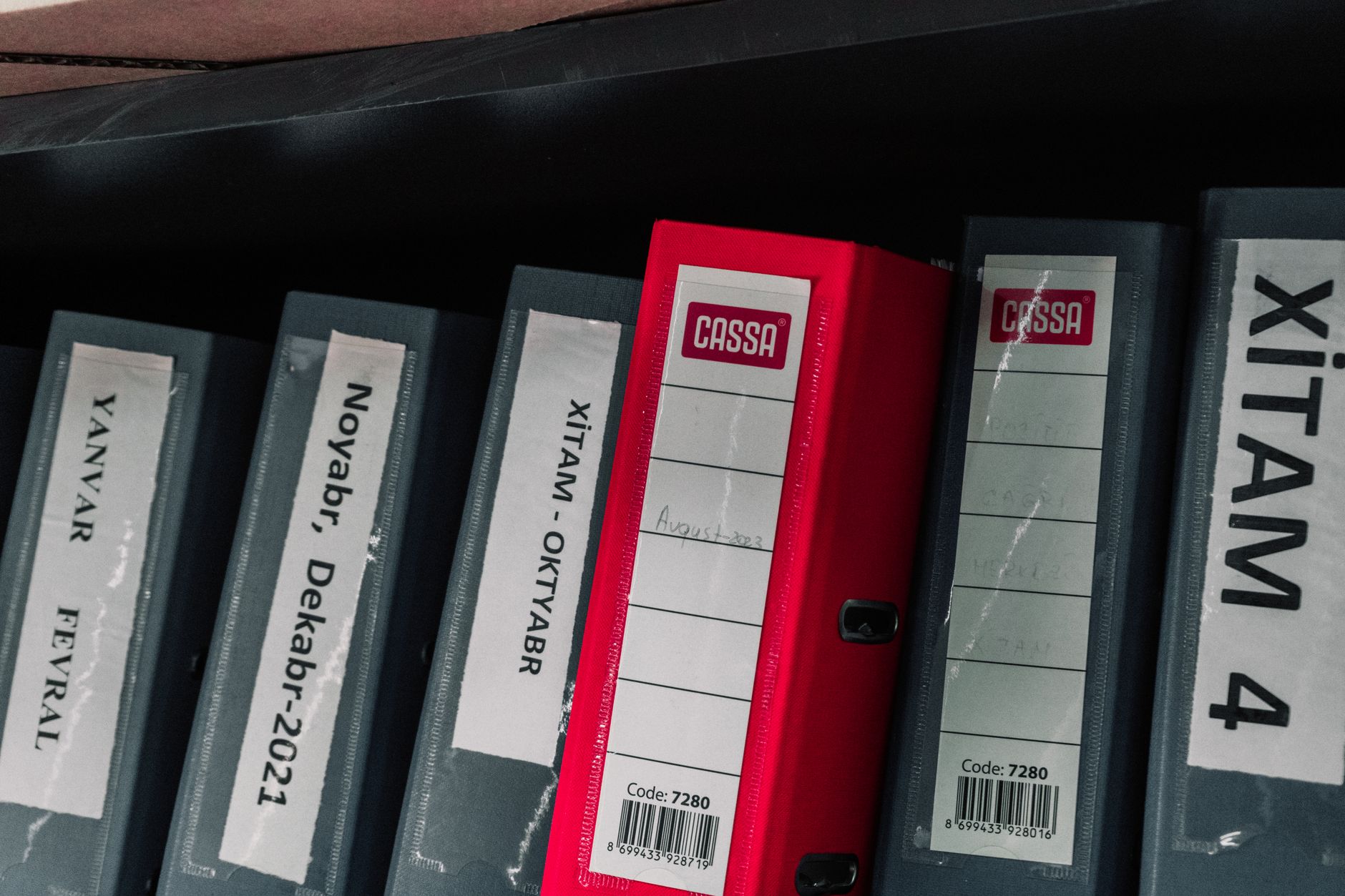
The Departure Checklist: Documents to Request Before You Leave
The single most useful habit you can adopt is to request your complete clinical package before discharge, not after. Ask your coordinator for a "discharge file" or "medical report package." The best clinics compile this as standard, but it is entirely reasonable — and warmly received — to ask for each item explicitly.
Your checklist should include the following. First, the discharge summary (in Turkish hospitals often called the epikriz): a narrative of your admission, diagnosis, procedure performed, anaesthesia used, implants or devices fitted with their serial and lot numbers, medications prescribed, and follow-up instructions. Second, the operative report or procedure note, written by the surgeon, describing technique and findings. Third, laboratory results from admission and discharge, including full blood count, biochemistry, coagulation and any microbiology.
Fourth, imaging — X-rays, CT, MRI, ultrasound — ideally on DICOM disc as well as a written radiology report; the images themselves matter to your home specialist far more than the report alone. Fifth, the prescription list with generic drug names, doses and durations, since brand names differ between Türkiye and your home country. Sixth, nursing notes and any physiotherapy or rehabilitation plan if relevant. Finally, the contact details of your treating physician and the international patient department, plus a note of who to email for follow-up questions.
Ask, too, for an English translation where the originals are in Turkish. Most accredited hospitals provide this as standard for international patients; smaller clinics may charge a modest translation fee. Keep both versions — your home doctor will appreciate the English for reading, while the Turkish originals remain the legal source document.

How to Brief Your Home Doctor Before and After the Trip
Shared care works best when your home physician is not surprised. Before you travel, send your GP or specialist a short email or letter explaining where you are going, what procedure is planned, the name and contact details of the Turkish clinic, and the dates of your stay. Ask whether they would like any specific information sent directly, and confirm they are willing to take over follow-up prescribing and monitoring. This simple courtesy transforms the post-trip handover.
On your return, book a follow-up appointment for the first week or two home — earlier if your Turkish team advises it. Bring the full discharge package, ideally in printed form for the consultation and a digital copy to leave with the practice. Walk your doctor through the discharge summary section by section; do not assume they will read it in advance.
It is also worth asking your Turkish clinic to send the records directly to your home physician, rather than relying solely on you as courier. A short cover letter from the Turkish specialist — a "Dear colleague" note summarising the procedure and recommended follow-up — carries real weight and is a hallmark of the collaborative culture in Türkiye's leading hospitals. If the clinic offers this, accept gladly. If not, request it.

Keeping the Dialogue Open: Follow-Up, Prescriptions and Questions
Continuity of care is not a one-time handover; it is an ongoing conversation. Most Turkish clinics that treat international patients maintain an email address or WhatsApp line for post-discharge queries, staffed by the international patient department and routed to your surgeon or treating physician when clinical input is needed. Use it — but use it thoughtfully. Batch your questions, include your patient file number, and be specific.
Prescription continuity deserves particular attention. If you are continuing medication started in Türkiye, confirm with your home doctor that the equivalent is available and licensed locally, and ask the Turkish clinic to provide generic names and, where possible, a written rationale for the choice of drug. For patients on anticoagulants, immunosuppressants or hormone therapy, a clear written plan covering duration, monitoring blood tests and stopping criteria is essential.
Follow-up imaging or laboratory tests may be scheduled for three, six or twelve months after your procedure. Ask your Turkish clinic to specify exactly what should be checked, when, and what findings should prompt a call back to Istanbul. Your home doctor can then order the tests locally and — with your authorisation — share the results back to Türkiye for review. This round-trip is increasingly common and works well when both sides have each other's contact details.
When Your Home Doctor Has Questions — and How to Make Answers Easy
Occasionally your home physician will want to speak directly with your Turkish surgeon: to clarify an operative detail, discuss an unexpected symptom, or confirm a follow-up protocol. Türkiye's clinics are generally receptive to these professional-to-professional conversations, though scheduling across time zones requires a little patience.
To make it easy, ensure your home doctor has: the name and direct contact of your treating physician; the hospital's international patient department email and phone; your patient file or protocol number; and a copy of the discharge summary in English. Offer to arrange a brief video or telephone call through the coordinator. A short, scheduled conversation between clinicians often resolves questions that would otherwise take weeks of email.
Keep your own records too. A simple folder — physical and digital — containing the discharge package, correspondence, prescriptions and follow-up results is invaluable, both for your own peace of mind and for any future clinician who joins your care. Patients who travel for treatment become, in effect, the curators of their own medical history; Turkish clinics make that role far lighter than it might be elsewhere.
Practical Pointers for a Smooth Shared-Care Experience
Book your discharge-document appointment before your final day. Hospitals are busy, and leaving document collection to the last morning can mean missing items. Ask for a named contact in the international patient department and note their direct email.
Check data-protection formalities. Under Turkish personal data protection law (KVKK), releasing records to a third party requires your explicit consent; the release form you sign covers this. If your home country has its own rules — for example around transferring health data internationally — your GP's practice manager can advise.
Finally, express your appreciation. The coordinators, nurses and physicians who assemble your records and answer follow-up questions are doing skilled, often invisible work. A thank-you note, a positive review, or a brief email to the hospital's patient-experience team goes a long way — and reflects the same collaborative spirit that makes Türkiye such a welcoming place to receive care.
Thinking about treatment in Turkey?
Send us a question about this site or about the information published on it. This is a publisher's mailbox, not a medical service and not a route to a particular provider — for clinical questions, contact your own doctor.