

Why Money Matters for a Smooth Medical Journey
When you travel to Türkiye for medical care, the last thing you want is financial stress distracting you from healing. A little preparation around currency, payments, and banking can make the entire experience feel effortless. Türkiye's healthcare sector is modern and well-accustomed to international patients; clinics and hospitals routinely accept international bank transfers, credit cards, and even coordinate with insurance providers. By understanding how money flows here, you gain peace of mind and can budget with confidence.
This guide walks you through the practicalities: what currency to use, how to exchange money wisely, when to open a Turkish bank account, and how to interpret value in Türkiye's healthcare system. The goal is simple — enable you to handle finances calmly so more of your journey is focused on recovery.
“Budgeting well means more of the journey feels effortless and focused on recovery.”
Remember that Türkiye is a convenient, modern destination for managing treatment finances. Most hospitals in Istanbul, Ankara, and Izmir have international patient departments that speak English and can guide you through payment options before you even arrive.
Understanding the Turkish Lira and Exchange Basics
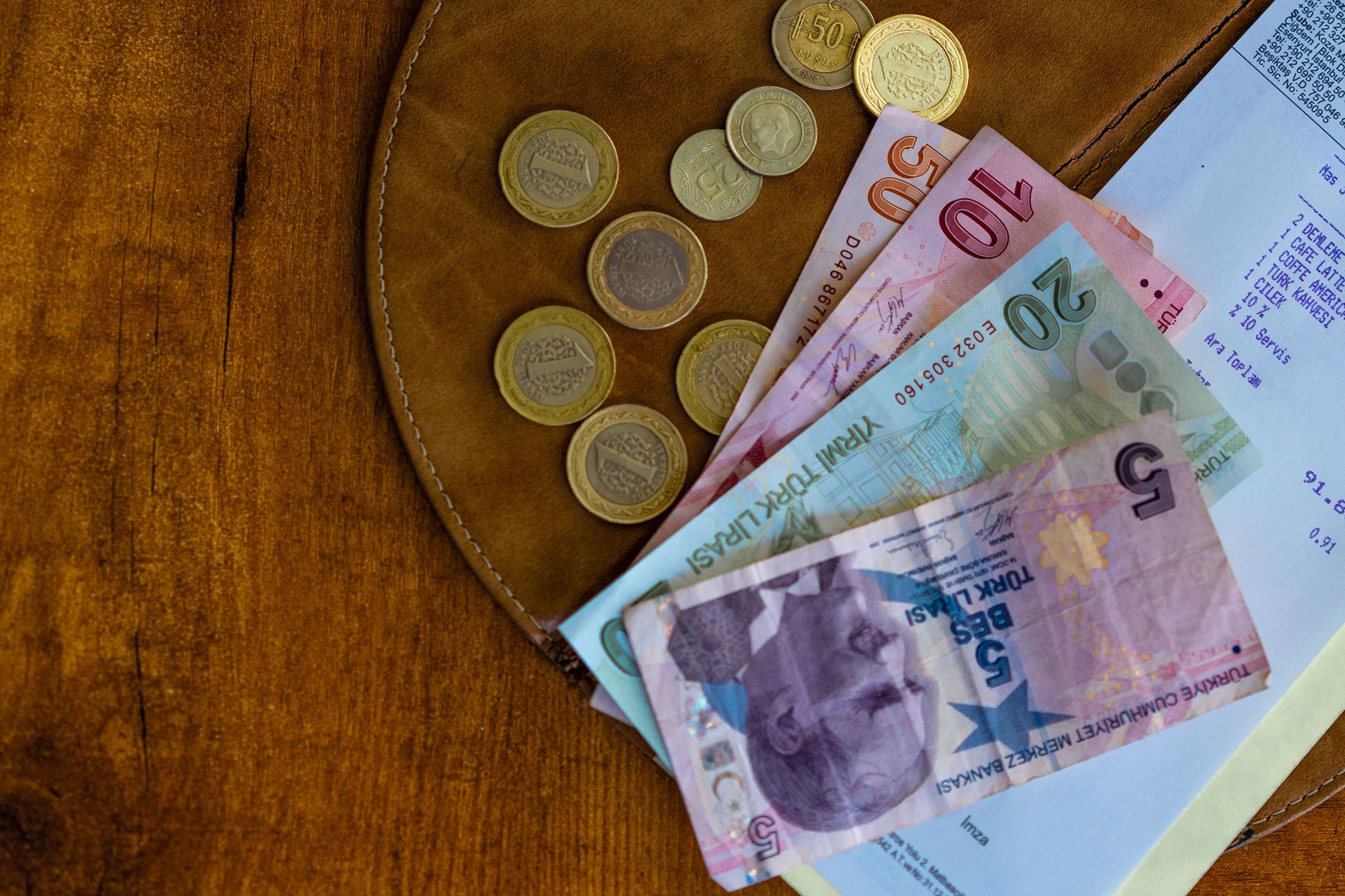
The official currency of Türkiye is the Turkish lira (TRY), symbolized by ₺. As a medical traveler, you'll likely encounter prices quoted in lira, but many clinics also list fees in euros or US dollars for international patients. This dual pricing can be helpful, but it's wise to know the current exchange rate so you can compare costs accurately.
Exchange rates fluctuate daily. Before you travel, check a reliable financial site or your bank's app to get a sense of the rate. Avoid exchanging large amounts at the airport, where rates tend to be less favorable. Instead, use banks or reputable exchange offices (döviz bürosu) in city centers. In Istanbul, for example, exchange offices in areas like Nişantaşı or Kadıköy often offer competitive rates with low commissions.
When you exchange money, always ask about commissions and whether the rate includes any hidden fees. Some offices advertise “no commission” but offer a lower rate; always compare the final amount you receive. It's also a good idea to carry a mix of cash and cards — small amounts of cash for incidental expenses like taxis or snacks, and cards for larger hospital payments.
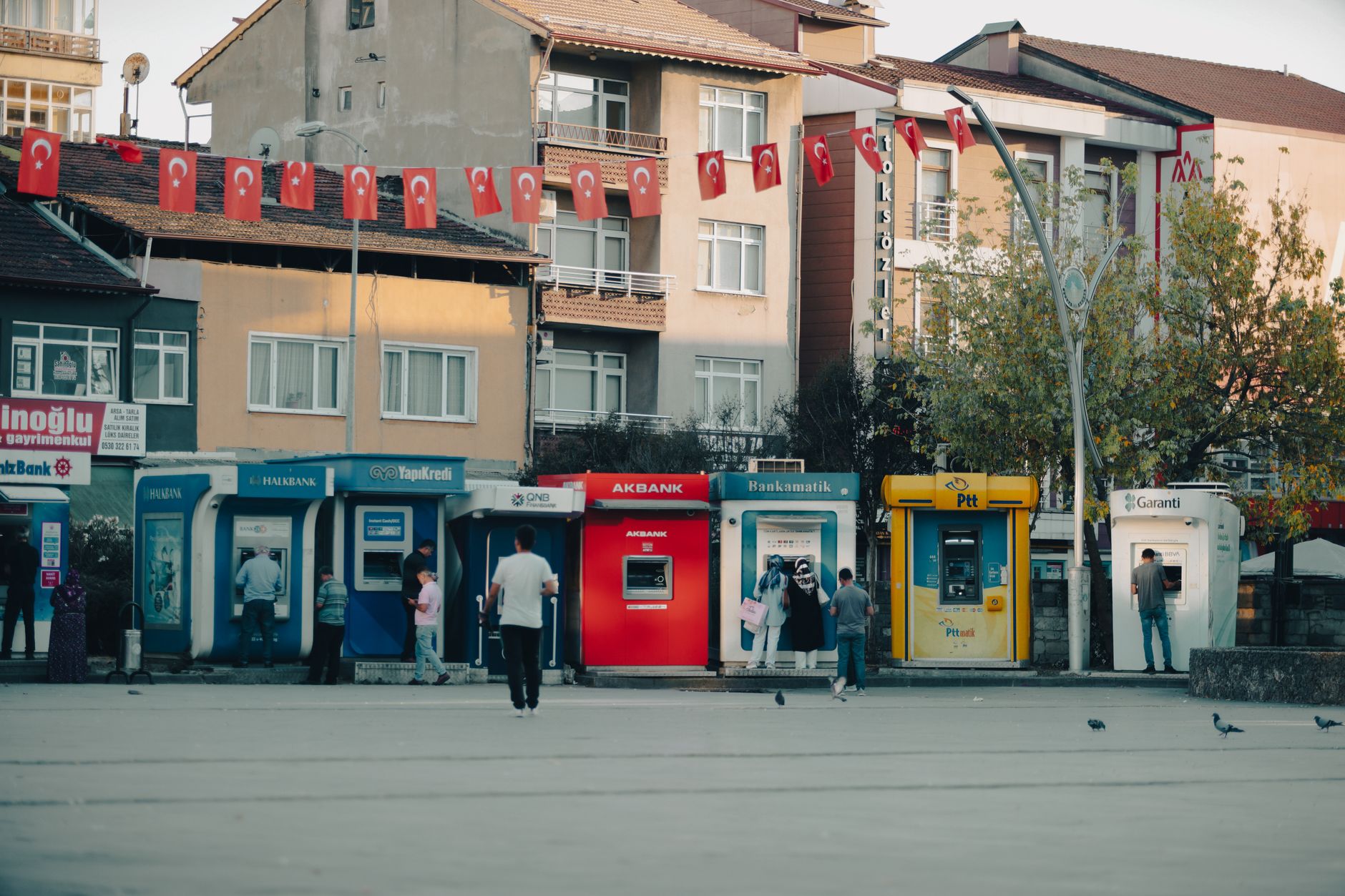
ATMs are widely available and accept foreign cards, but be aware of withdrawal limits and fees from both your home bank and the Turkish bank. Using a card directly for purchases often gives a better exchange rate than withdrawing cash, so reserve cash withdrawals for when you truly need them.
Paying for Medical Treatment: Options That Work
Türkiye's healthcare providers are well-versed in handling international payments. Most private hospitals and clinics accept:
- International bank transfers — the most common method for large treatment fees. You'll receive the hospital's bank details (IBAN, SWIFT code) and can transfer funds from your home bank. This is secure but may take 1–3 business days and incur transfer fees.
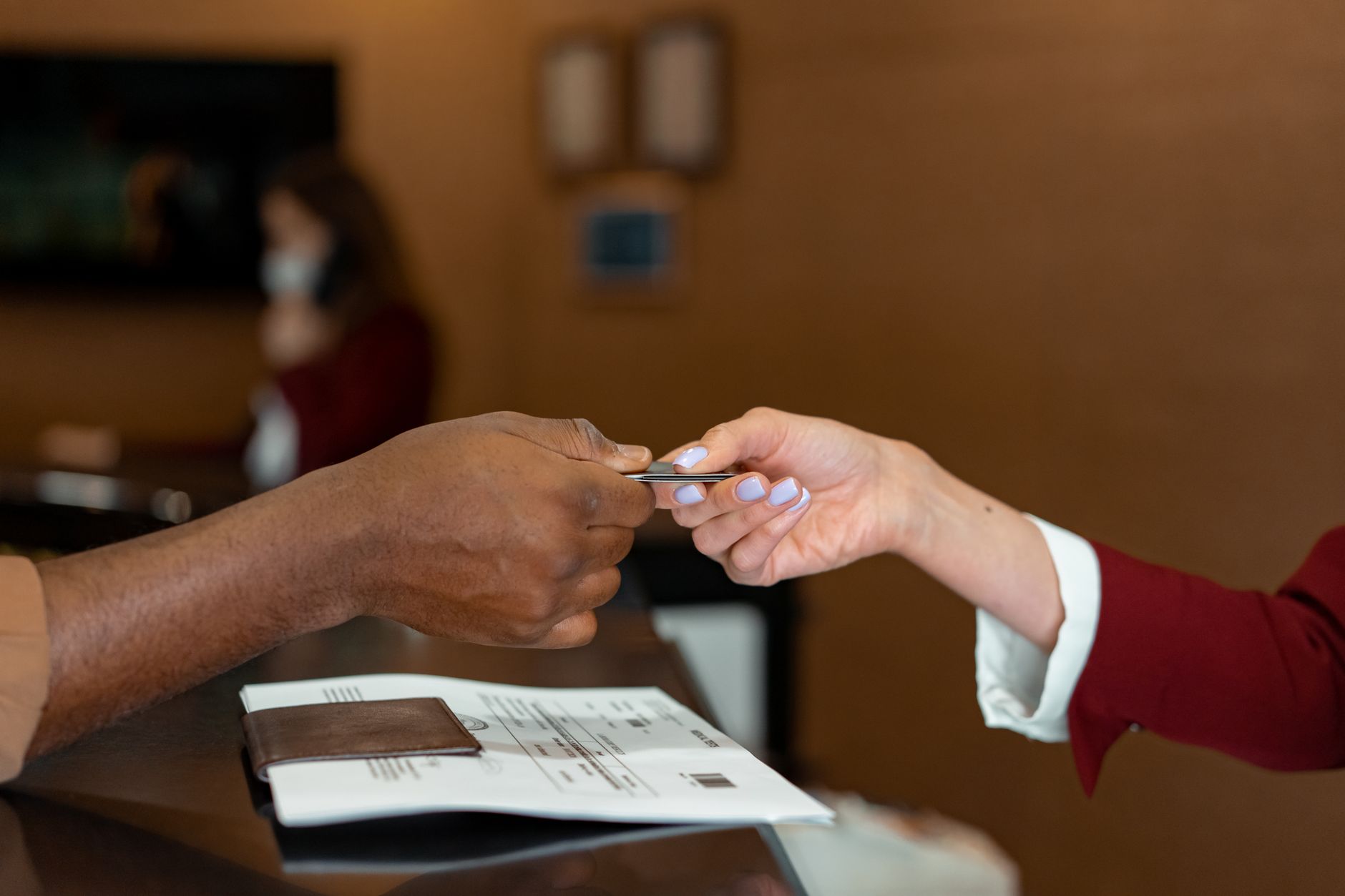
- Credit and debit cards — Visa and Mastercard are widely accepted. Some hospitals may pass on a small card processing fee (around 2–3%), so ask in advance.
- Cash — accepted in lira, euros, or US dollars at many clinics, but carrying large sums is risky. Use cash only for smaller payments.
- Coordinated insurance billing — if your insurance covers treatment abroad, the hospital's international department may bill your insurer directly. This requires prior authorization and paperwork, so start early.
Before you commit to a treatment package, ask for a written quote that details what's included — surgery, hospital stay, medications, follow-up visits — and what's not. Clarify payment schedules: some clinics require a deposit to secure your date, with the balance due upon arrival or after the procedure. Having a clear payment plan reduces surprises.
For major treatments like organ transplants or complex surgeries, hospitals may require full payment before the procedure. In such cases, a bank transfer is usually the safest and most trackable method. Keep all receipts and transfer confirmations; they're essential for insurance claims and for your own records.
Opening a Turkish Bank Account: When and How
For most medical travelers, a short stay means you won't need a Turkish bank account. However, if you're planning an extended stay for treatment (e.g., IVF cycles, rehabilitation, or bariatric surgery with follow-ups), a local account can simplify bill payments and reduce card fees.
To open an account, you'll need a Turkish tax identification number (vergi numarası), which you can obtain online or at a tax office with your passport. Then visit a bank branch with your passport, proof of address (your hotel reservation may suffice), and your tax number. Some banks allow non-residents to open accounts, but policies vary. Major banks like Ziraat Bankası, İş Bankası, and Garanti BBVA have English-speaking staff in tourist areas.
A Turkish bank account lets you pay utility bills, transfer money to your hospital, and use local mobile payment apps. But weigh the benefits against the paperwork and potential monthly fees. If your stay is under a month, it's often easier to use your home bank card and withdraw cash as needed.
If you do open an account, consider a bank that offers a debit card with low international transaction fees. This can be handy for everyday expenses. Also, set up online banking so you can monitor your balance and make transfers without visiting a branch.
Using Cards, ATMs, and Mobile Payments Wisely
Credit and debit cards are accepted almost everywhere in Turkish cities, from hospitals to restaurants. Notify your home bank before you travel to avoid having your card blocked for suspicious activity. Also, check if your card charges foreign transaction fees (often 1–3%); a card with no foreign transaction fees can save you money.
ATMs are plentiful, but use those attached to major banks (e.g., Akbank, Yapı Kredi) to reduce skimming risks. When withdrawing, you'll often be offered a choice between the local currency (TRY) and your home currency — always choose TRY to get your bank's exchange rate, which is usually better. Withdrawal limits vary; typically, you can take out 1,000–5,000 TRY per transaction, but your home bank may impose its own daily limit.
Mobile payments like Apple Pay and Google Pay are increasingly accepted in urban areas, but don't rely solely on them. Carry a physical card as backup. For hospital payments, cards are convenient, but for large amounts, a bank transfer may be more cost-effective if your card has a low limit or high fees.
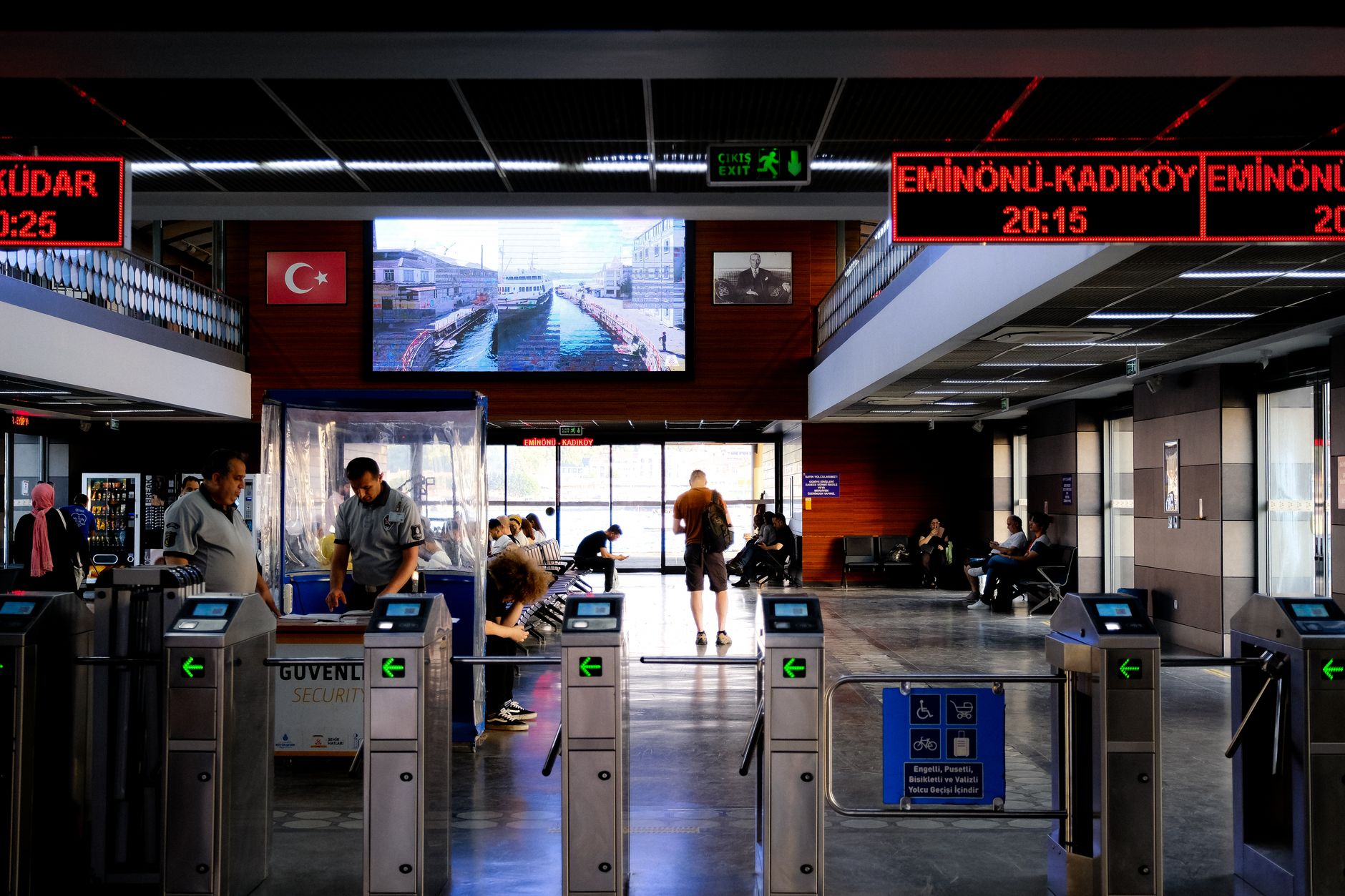
Keep small change handy for tips and public transport. Istanbulkart, the city's transit card, can be purchased and loaded with cash at kiosks — useful if you're navigating between appointments.
Insurance Coordination and Reimbursement
If you have health insurance that covers treatment abroad, coordinate with your insurer before traveling. Obtain pre-authorization for your procedure, as most policies require it. The hospital's international patient department can often assist with the paperwork and may directly bill your insurer if they have a partnership.
If you pay out-of-pocket and seek reimbursement later, collect every document: itemized bills, medical reports, payment receipts, and proof of treatment. Submit these to your insurer promptly. Policies vary widely, so confirm what's covered — some may exclude certain procedures or require you to use specific hospitals.
For patients from countries with national health systems, check if your government has a reciprocal agreement with Türkiye. For example, some European countries have agreements that cover emergency care, but elective medical tourism is usually not included. Always clarify before assuming coverage.
If insurance won't cover your treatment, consider medical tourism packages that bundle treatment, accommodation, and transfers. These can offer predictable costs and reduce financial logistics.
Exchange Tips and Avoiding Common Pitfalls
To get the most value from your money, follow these practical tips:
- Monitor exchange rates for a few weeks before your trip and exchange when the rate is favorable, but don't obsess — currency markets are unpredictable.
- Use bank ATMs during business hours in case your card gets stuck; you'll have support available.
- Avoid dynamic currency conversion at ATMs and card terminals — always pay in Turkish lira.
- Keep your receipts for all medical expenses; they're essential for insurance and tax purposes.
- Don't carry excessive cash — use cards or transfers for large sums.
- Inform your bank of your travel dates and destination to prevent card freezes.
Another pitfall is assuming all hospitals accept the same payment methods. Always confirm payment options with your chosen clinic in advance. Some may prefer bank transfers for large amounts, while others might offer discounts for cash payments in foreign currency.
Be cautious of unofficial “currency exchangers” on the street; they may offer attractive rates but risk counterfeits or scams. Stick to banks and licensed exchange offices.
What Value Looks Like in Türkiye's Healthcare Sector
Türkiye offers high-quality healthcare at a fraction of the cost in Western Europe or North America. But value isn't just about price — it's about outcomes, safety, and overall experience. Many Turkish hospitals are JCI-accredited, meaning they meet international standards for patient care and safety.
When evaluating value, consider the full package: surgeon expertise, technology, hospital cleanliness, nursing care, and post-operative support. A lower price might not be a bargain if it compromises quality. Conversely, a higher-priced hospital may offer superior outcomes and a smoother journey.
Budgeting for extras like medications, follow-up visits, and potential complications is wise. Ask your clinic for a detailed cost breakdown and what contingencies are covered. Some hospitals offer packages that include revisions or additional nights if needed — these can be worth the extra cost for peace of mind.
Ultimately, value in Turkish healthcare comes from the combination of affordability, modern facilities, and the warm hospitality of medical staff. By managing your finances calmly, you allow yourself to focus on what truly matters: your health and recovery.
With these guidelines, you're well-equipped to handle currency, payments, and banking during your medical journey in Türkiye. Safe travels and a speedy recovery!
Thinking about treatment in Turkey?
Send us a question about this site or about the information published on it. This is a publisher's mailbox, not a medical service and not a route to a particular provider — for clinical questions, contact your own doctor.