

Why Money Logistics Matter for a Calm Medical Trip
Planning medical travel to Türkiye is exciting — and it is completely normal to have a few practical questions about money before you fly. The good news is that Türkiye has a modern, well-connected banking system, and most clinics in Istanbul, Ankara, Antalya and Izmir are very used to welcoming international patients. That means currency exchange, card payments and payment plans are usually straightforward when you know what to expect.
In this guide, we will walk through the Turkish lira, how to exchange money, where cards are accepted, how bank transfers work, and why transparent pricing and flexible payment structures have become a real strength of Türkiye's medical tourism sector. The goal is simple: fewer unknowns, more confidence, and a trip that feels organised from the first email to the final follow-up.
One reassuring thought to carry with you: many patients describe the financial side of their Turkish medical journey as one of the easiest parts of the whole experience. With a little preparation, you can feel the same way.
Getting to Know the Turkish Lira (TRY)
The official currency of Türkiye is the Turkish lira, abbreviated as TRY and written with the symbol ₺. It is divided into 100 kuruş. Banknotes come in denominations of 5, 10, 20, 50, 100 and 200 lira, while coins include 1, 5, 10, 25 and 50 kuruş, plus 1 lira. You will see prices displayed with the ₺ symbol or as "TL" — both mean the same thing.
Because exchange rates move over time, it is worth checking the current rate closer to your travel date rather than relying on numbers you saw months ago. Your clinic's international patient coordinator can tell you the exchange rate assumptions used in your quote, and many clinics quote in euros or US dollars for clarity while accepting payment in lira or foreign currency. If a price is quoted in your home currency, ask whether the rate is locked at the time of booking — that is a fair and common question.
You do not need to arrive with a wallet full of lira. Most patients exchange a small amount for daily expenses and handle the medical payment through a bank transfer or card. Think of lira as your everyday spending money: taxis, cafés, museum tickets and small souvenirs.
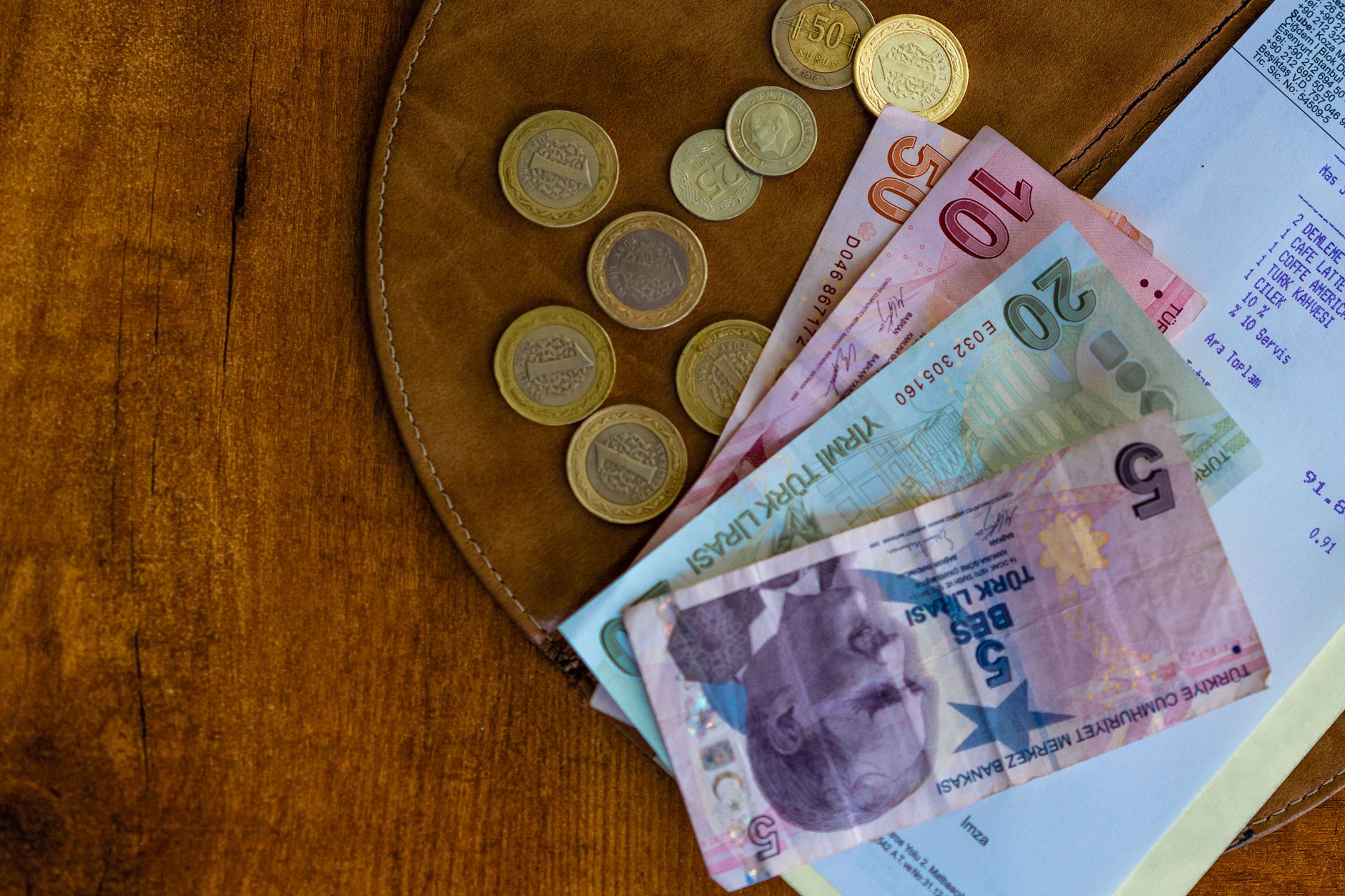
Exchanging Money: Banks, Exchange Offices and ATMs
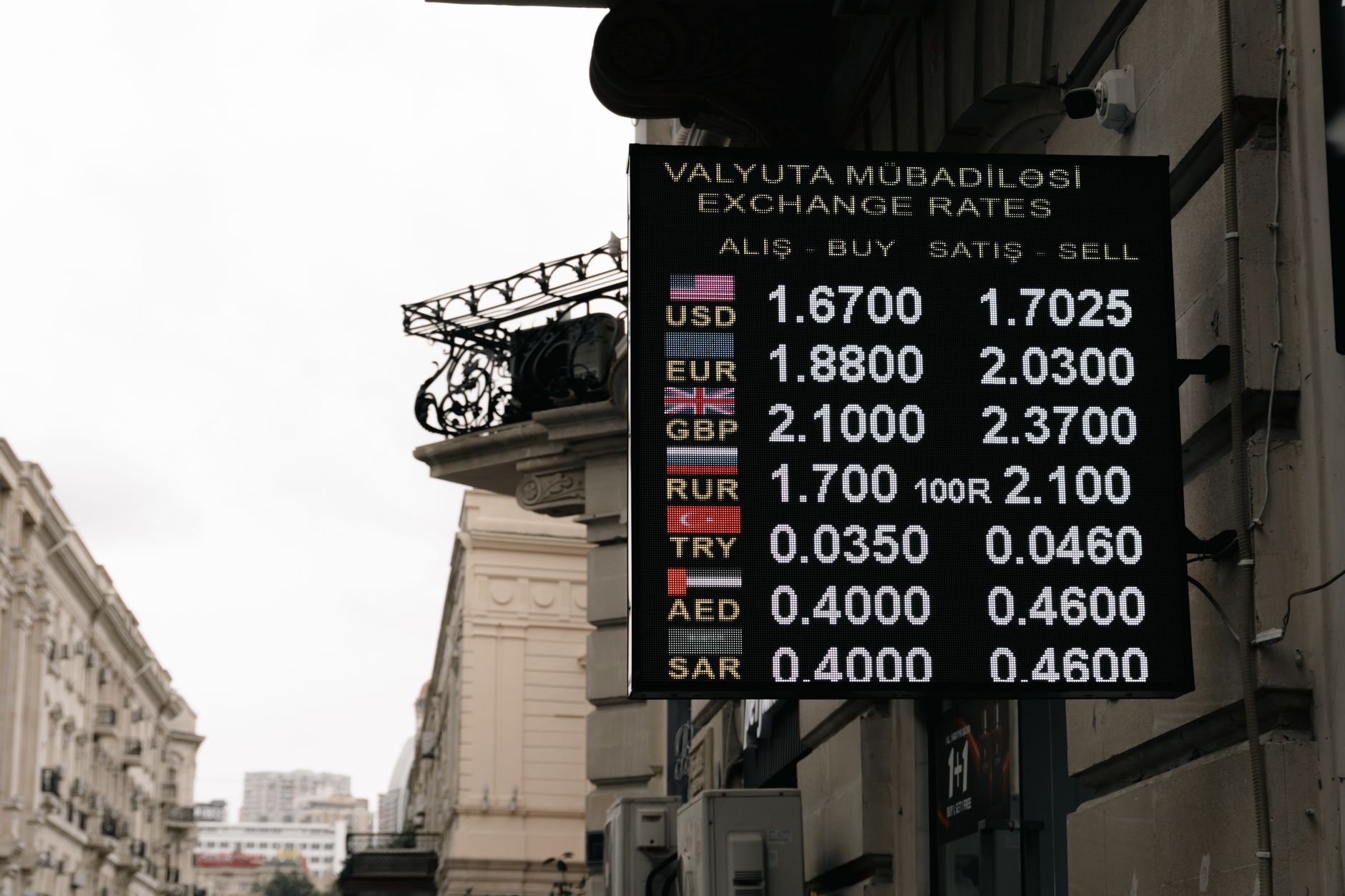
Türkiye makes exchanging money easy. You will find bank branches, authorised exchange offices (döviz bürosu) and ATMs throughout Istanbul and other major cities. Airports also have exchange counters, though rates there are often less favourable than in the city — a small amount for immediate needs is usually enough until you reach your accommodation.
Banks and dedicated exchange offices generally offer competitive rates for euros, US dollars and British pounds. Bring clean, unmarked banknotes, as worn or torn notes may be refused. When exchanging, always count your money before leaving the counter and keep the receipt. It is also wise to compare the rate and any commission at two or three nearby offices; the difference is often small but worth a quick look.
ATMs are widely available and many accept international cards. For the best experience, use ATMs attached to well-known banks, choose to withdraw in Turkish lira (declining the ATM's own conversion offer if prompted), and take out larger amounts less often to reduce per-transaction fees. Your home bank's fees are worth checking before you travel, but these are usually modest and easy to plan for.
Tip: Tell your bank you are travelling to Türkiye so your card is not flagged for unusual activity. A quick note in your banking app is often all it takes.
Card Acceptance at Turkish Clinics and in Daily Life
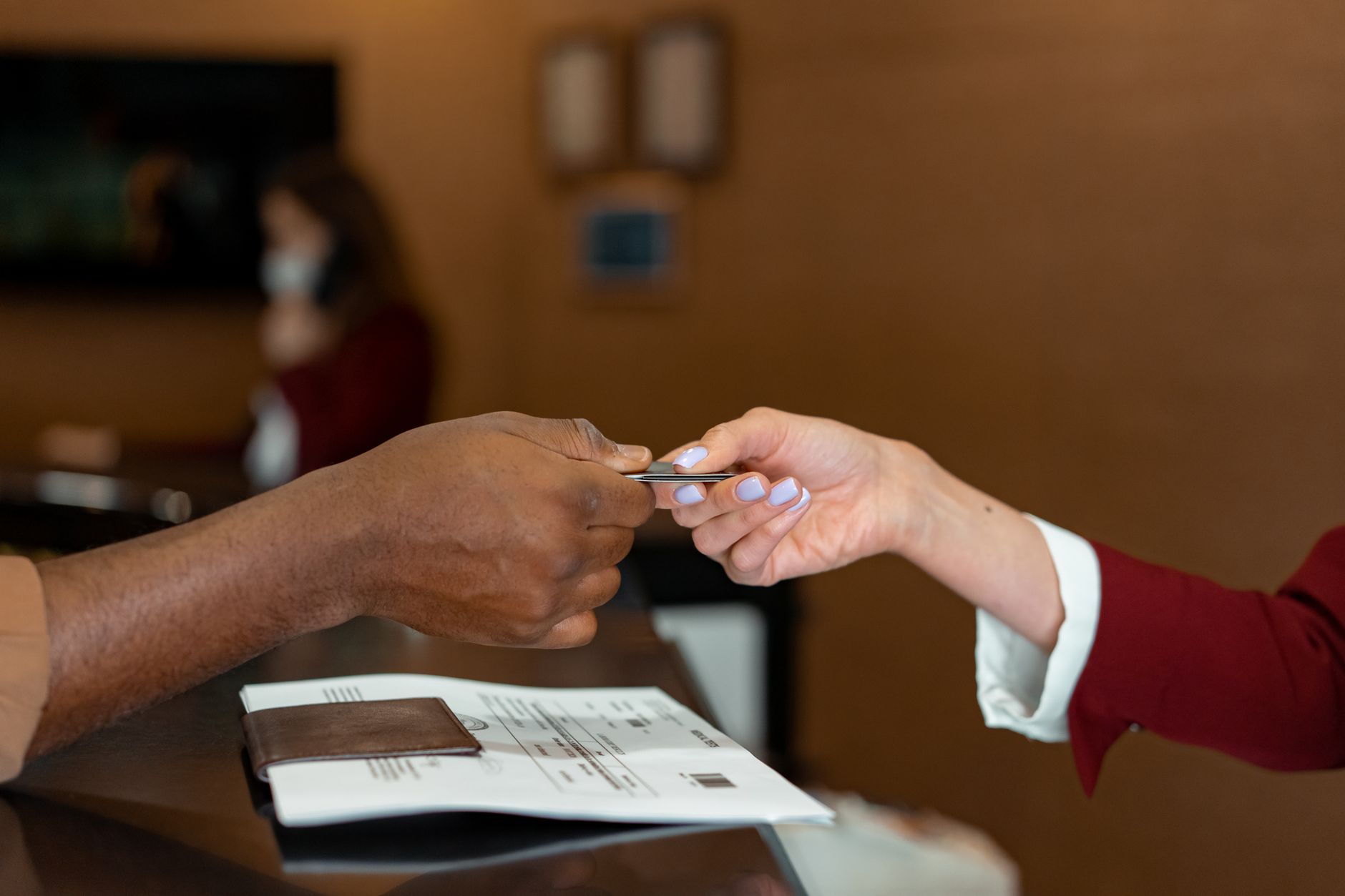
Card acceptance in Türkiye is excellent. Visa and Mastercard are widely accepted at hospitals, clinics, hotels, restaurants and shops. Many larger clinics also accept American Express, though it is always best to confirm with your specific provider. Contactless payments are standard, and mobile wallets linked to international cards work in most places.
At clinics, cards are typically accepted for deposits, package balances and additional services. Some hospitals process payments at a dedicated international patient desk, which keeps things private and organised. If your card has a daily or per-transaction limit, let your bank know in advance or split the payment across two cards — clinics are familiar with this and can usually accommodate it smoothly.
For everyday spending, cards are convenient, but carrying a small amount of cash in lira is still handy for taxis, small kiosks and tips. A useful habit is to keep a modest cash reserve and rely on cards for larger amounts. This balance keeps you flexible without carrying more cash than you need.
Bank Transfers and International Payments
For the medical package itself, many international patients choose a bank transfer (also called a wire or SWIFT transfer). Your clinic will provide account details, often including an IBAN, the bank name, and a SWIFT/BIC code. Transfers usually clear within one to three business days, though this can vary by country and bank.
Always double-check the account name and IBAN before sending, and include your patient reference or invoice number in the payment description. This helps the clinic match your payment quickly and avoids delays. After sending, share the transfer receipt with your coordinator — they can confirm receipt and update your file.
Some patients prefer to pay part of the balance by transfer and the rest by card on arrival. This hybrid approach is common and gives you flexibility. If you use a specialist transfer service, compare the total cost including fees and exchange rate margin, not just the headline fee. Your clinic may also accept payments through reputable online payment links for deposits, which can be very convenient.
Payment Plans and Transparent Pricing in Türkiye
One of the genuine strengths of Türkiye's medical tourism sector is price transparency. Reputable clinics provide itemised quotes that explain what is included: consultations, surgery or treatment, hospital stay, medications, transfers, interpreters and follow-up. When you can see exactly what you are paying for, it is much easier to compare options and plan your budget with confidence.
Flexible payment structures are also common. Many clinics ask for a deposit to secure your date, with the balance due before or on arrival. Some offer staged payments tied to your treatment milestones, and a growing number provide instalment options through partner banks or financing providers for eligible patients. It is perfectly reasonable to ask: What deposit is required? When is the balance due? Are there any additional costs I should anticipate?
Clear answers to these questions are a sign of a well-organised clinic. Do not hesitate to request a written summary of the payment schedule and what happens if your plans change. Reputable providers will explain their cancellation and rescheduling policy in plain language. This openness is exactly why so many patients feel financially comfortable choosing Türkiye.
Budgeting Beyond the Clinic: Daily Costs in Istanbul
Daily life in Istanbul can be very affordable, especially compared with many European and North American cities. Public transport, local cafés and markets are budget-friendly, while fine dining and luxury shopping are available if you want them. For patients and companions, a simple daily budget for meals, transport and small extras is easy to estimate once you know your accommodation and treatment schedule.
Plan for a few practical items: airport transfers (often included in medical packages), local SIM cards or eSIMs, and modest tips for service staff. If you are travelling with a companion, factor in their meals and transport too. Your clinic's coordinator can often suggest nearby restaurants and pharmacies that are convenient and reasonably priced.
Keeping a small contingency for unexpected comforts — a taxi instead of walking, or an extra night's stay — adds peace of mind without straining your budget. Many patients find that even with these extras, the overall value of their Turkish medical journey remains excellent.
Practical Money Tips for a Stress-Free Trip
- Notify your bank and card providers about your travel dates.
- Carry a mix of payment methods: a primary card, a backup card, and some cash in lira.
- Keep digital and printed copies of transfer receipts and payment confirmations.
- Ask your clinic for an itemised quote and a written payment schedule.
- Use bank-affiliated ATMs and decline dynamic currency conversion when offered.
- Confirm whether your package includes transfers, medications and follow-up visits.
- Keep a small cash reserve for taxis, tips and small purchases.
These simple habits remove most of the friction from money logistics, leaving you free to focus on your health and your recovery.
Your Confidence Checklist Before You Fly
Before departure, confirm your clinic's accepted payment methods, deposit amount and balance due date. Check your card limits and international usage settings, and decide how much cash you want to exchange on arrival. Save your clinic's payment details and your bank's international contact number in your phone.
Pack your payment cards separately from your cash, and keep copies of important documents in your email or cloud storage. If you are using a payment plan, note each instalment date in your calendar. A little organisation now means a smoother, more relaxing experience in Türkiye.
Most of all, remember that you are not navigating this alone. Turkish clinics that welcome international patients do this every day, and their teams are there to answer your questions cheerfully and clearly. With transparent pricing, flexible payment options and a modern banking system, Türkiye makes the financial side of medical travel refreshingly manageable — so you can arrive feeling informed, prepared and positive about the journey ahead.
Thinking about treatment in Turkey?
Share your contact details and a verified doctor will follow up with a plan built around you — free, no obligation.