

Why Türkiye Is a Global Hub for Endometriosis Excision and Fertility Preservation
Endometriosis affects roughly one in ten women of reproductive age, yet many spend years bouncing between specialists before receiving a definitive diagnosis. For patients who want more than symptom management — who want complete excision of disease while protecting their ability to conceive — Türkiye has quietly become one of the world's most trusted destinations. Turkish hospitals in Istanbul, Ankara, and Izmir now host minimally invasive gynaecology teams who perform hundreds of advanced laparoscopic and robotic-assisted excision procedures each year, frequently for international patients who have been told their case is "too complex" or "too close to the bowel, bladder, or ureter."
What sets these teams apart is not a single surgeon but a system: fellowship-trained endometriosis surgeons working shoulder-to-shoulder with reproductive endocrinologists, fertility preservation specialists, colorectal and urologic surgeons, expert sonographers, and physiotherapists. This multidisciplinary model means your surgery is planned around two goals at once — removing disease thoroughly and safeguarding your ovarian reserve, fallopian tubes, and uterus.
For medical travellers, the practical appeal is just as strong. Türkiye offers JCI-accredited hospitals, English-speaking coordinators, shorter wait times than many Western systems, and transparent package pricing that often includes diagnostics, surgery, hospital stay, and follow-up. When you are already managing pain, fatigue, and fertility anxiety, removing logistical friction matters enormously.
Understanding Endometriosis Excision: What Makes a Fertility-Sparing Approach Different
Endometriosis surgery is not one procedure — it is a spectrum. At one end sits ablation or superficial cauterisation, which burns the surface of lesions. At the other sits full-thickness excision, where the surgeon identifies and removes the entire lesion, including its roots, while preserving healthy tissue. For deep infiltrating endometriosis (DIE) involving the rectum, bladder, ureters, or uterosacral ligaments, excision by an experienced high-volume surgeon is widely associated with better long-term pain relief and lower recurrence rates.
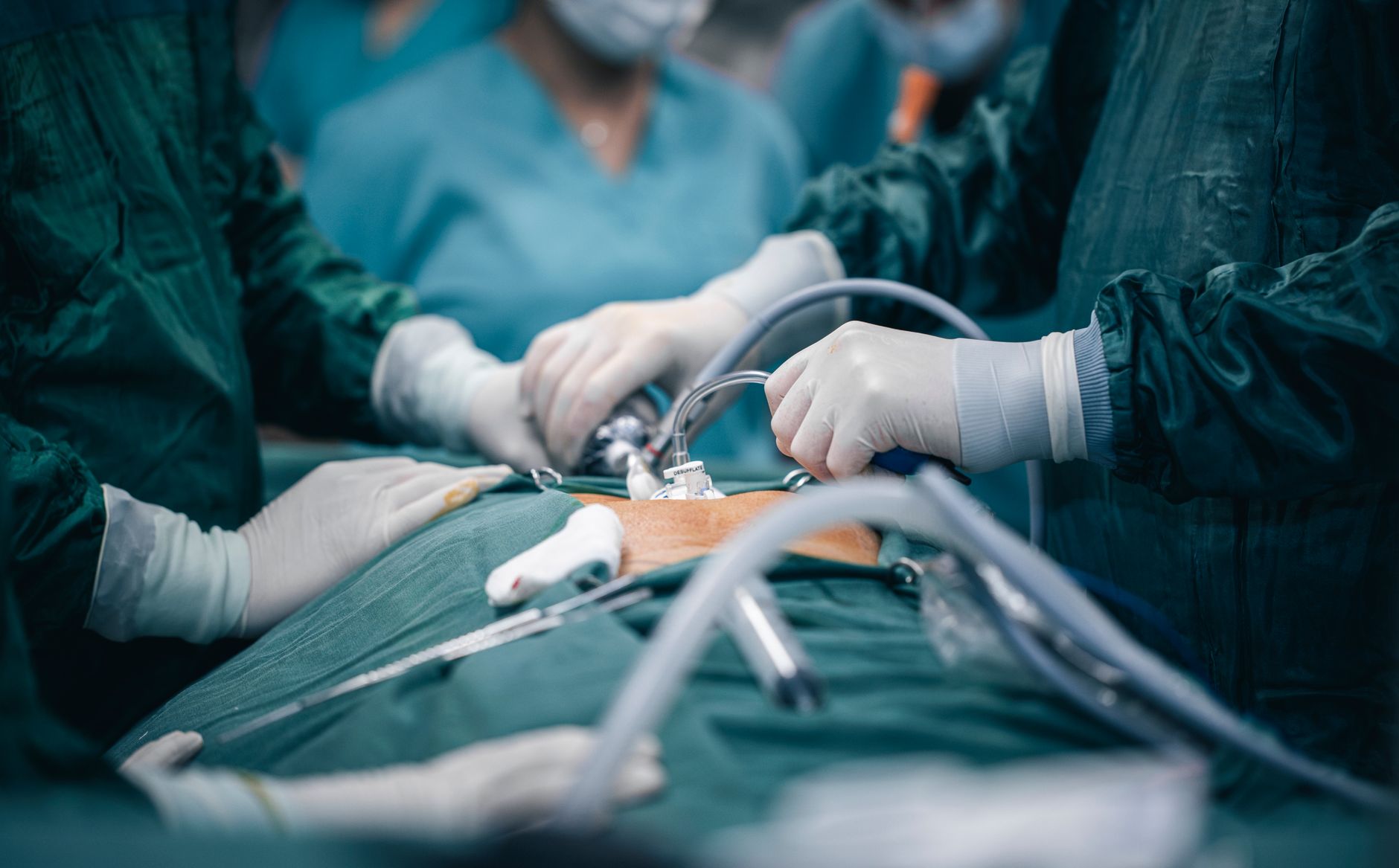
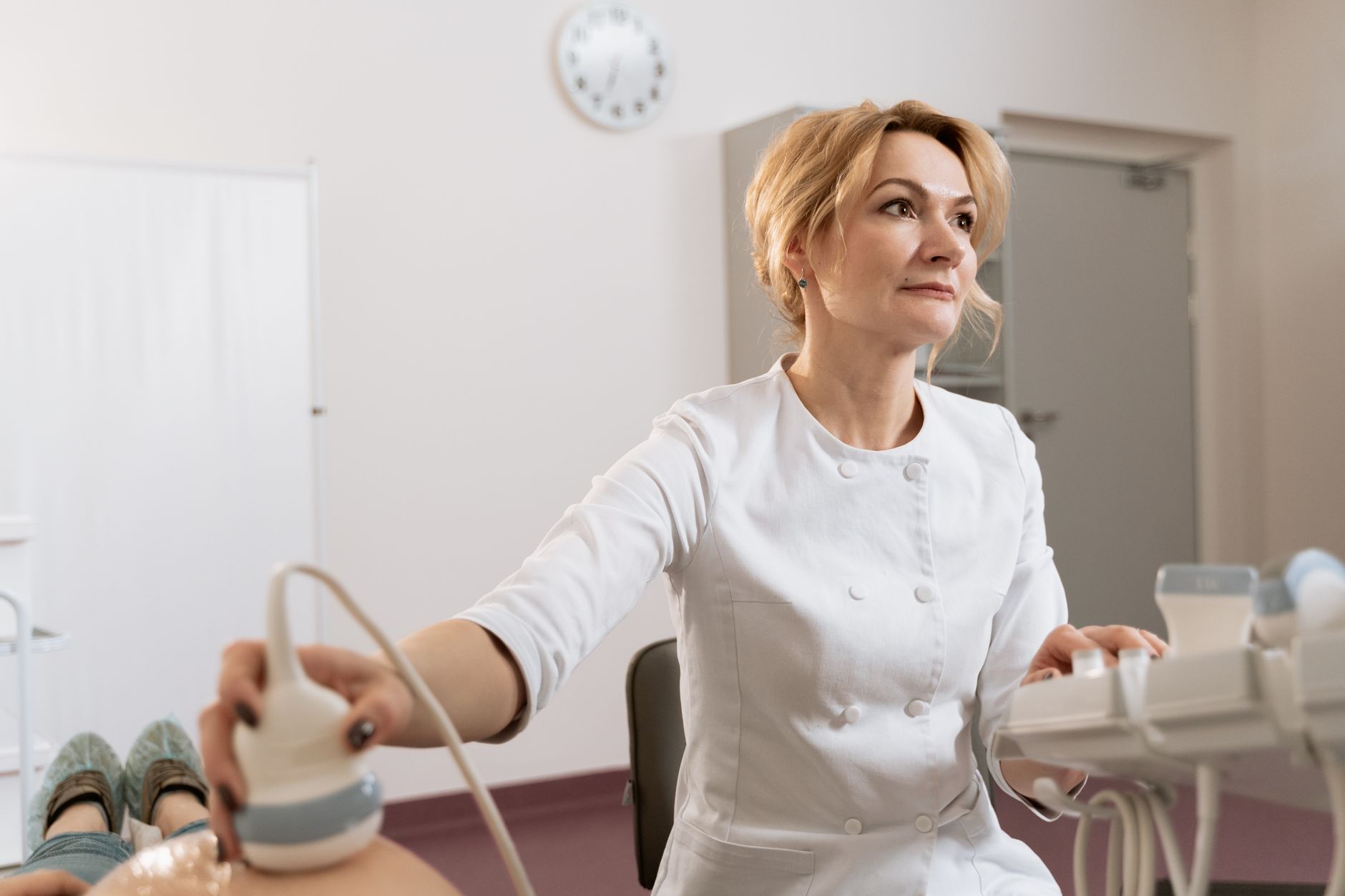
A fertility-sparing approach adds another layer of precision. The surgeon must balance complete removal against the risk of damaging ovarian tissue, interrupting tubal function, or creating adhesions. This is why Turkish centres routinely use advanced imaging — transvaginal ultrasound with bowel preparation, and where needed MRI — to map disease before entering the operating room. The surgical plan is drawn in advance, often reviewed by a multidisciplinary board, rather than decided on the spot.
Techniques you should expect to hear discussed include laparoscopic excision, robotic-assisted laparoscopy for very deep or multi-organ disease, ovarian cystectomy performed with meticulous haemostasis to protect the ovarian reserve, adhesiolysis, and nerve-sparing dissection to reduce post-operative bladder and bowel dysfunction. If you hope to conceive, your surgeon and fertility specialist should discuss whether a short period of ovarian suppression, immediate IVF planning, or natural conception attempts best fit your situation.
Excision surgery in expert hands does not compete with fertility care — it is part of it. The goal is a pain-free, anatomically restored pelvis that gives you the best possible starting point, whether you conceive naturally or through assisted reproduction.
Diagnosis, Planning, and the Coordinated Single-Trip Model
One of the greatest frustrations for endometriosis patients is fragmentation: a scan here, a consultation there, a surgery months later, and follow-up scattered across different cities. Türkiye's leading clinics have built a single coordinated trip model that compresses diagnosis, surgical planning, operation, and early recovery into one well-organised visit. A typical pathway begins with remote review of your records — previous imaging, operative notes, hormone history, and fertility goals — often within 48 to 72 hours of contact.
You then receive a preliminary plan and a transparent cost estimate before you travel. On arrival, you attend an in-person consultation that may include a high-resolution ultrasound, bloodwork, anaesthesia assessment, and, if required, a cardiology or internal medicine clearance. Complex cases are frequently discussed in a multidisciplinary meeting that includes gynaecology, fertility, colorectal, urology, and pain management specialists. Only then is the final surgical plan confirmed with you, in your language, with time for every question.
The surgery itself usually requires a two- to four-night hospital stay depending on disease extent. Before discharge, you receive a written recovery protocol, a medication schedule, dietary and mobility guidance, and direct contact details for your care team. Many hospitals also assign an international patient coordinator who remains your single point of contact throughout the journey — arranging transfers, interpreting discharge instructions, and scheduling your post-operative video review once you are home.
This model is not simply convenient; it is clinically valuable. When diagnosis, surgery, and fertility counselling happen under one roof within days of each other, decisions are better informed, recovery begins sooner, and nothing is lost in translation between disconnected providers.
Fertility Preservation: Protecting Your Options Before, During, and After Surgery
If you are of reproductive age, fertility preservation should be part of the conversation from the very first consultation — ideally before surgery. Turkish reproductive endocrinologists working alongside excision surgeons can assess your ovarian reserve through AMH testing and antral follicle counts, and discuss options such as oocyte or embryo cryopreservation prior to a planned operation when timing allows.
During surgery, the fertility-sparing philosophy translates into specific, measurable practices: conservative ovarian cystectomy that avoids excessive coagulation, careful handling of the tubo-ovarian relationship, adhesion-prevention techniques, and — where the uterus is involved — adenomyosis-focused management that avoids unnecessary hysterectomy. Patients who have previously been advised that hysterectomy is their only option are often surprised to find that organ-preserving excision is feasible in experienced hands.
After recovery, your Turkish team can coordinate with your local fertility clinic, sharing operative reports, imaging, and a clear conception timeline. Some patients attempt natural conception within a recommended window; others move directly to IVF or IUI with a pelvic environment that has been optimised. Either way, you leave with a documented plan rather than uncertainty.
It is worth being candid: no surgery can guarantee pregnancy, and endometriosis itself can affect fertility independent of treatment. What a fertility-sparing approach offers is the best achievable balance — significant pain relief and disease control without closing doors.
Choosing the Right Hospital and Surgical Team in Türkiye
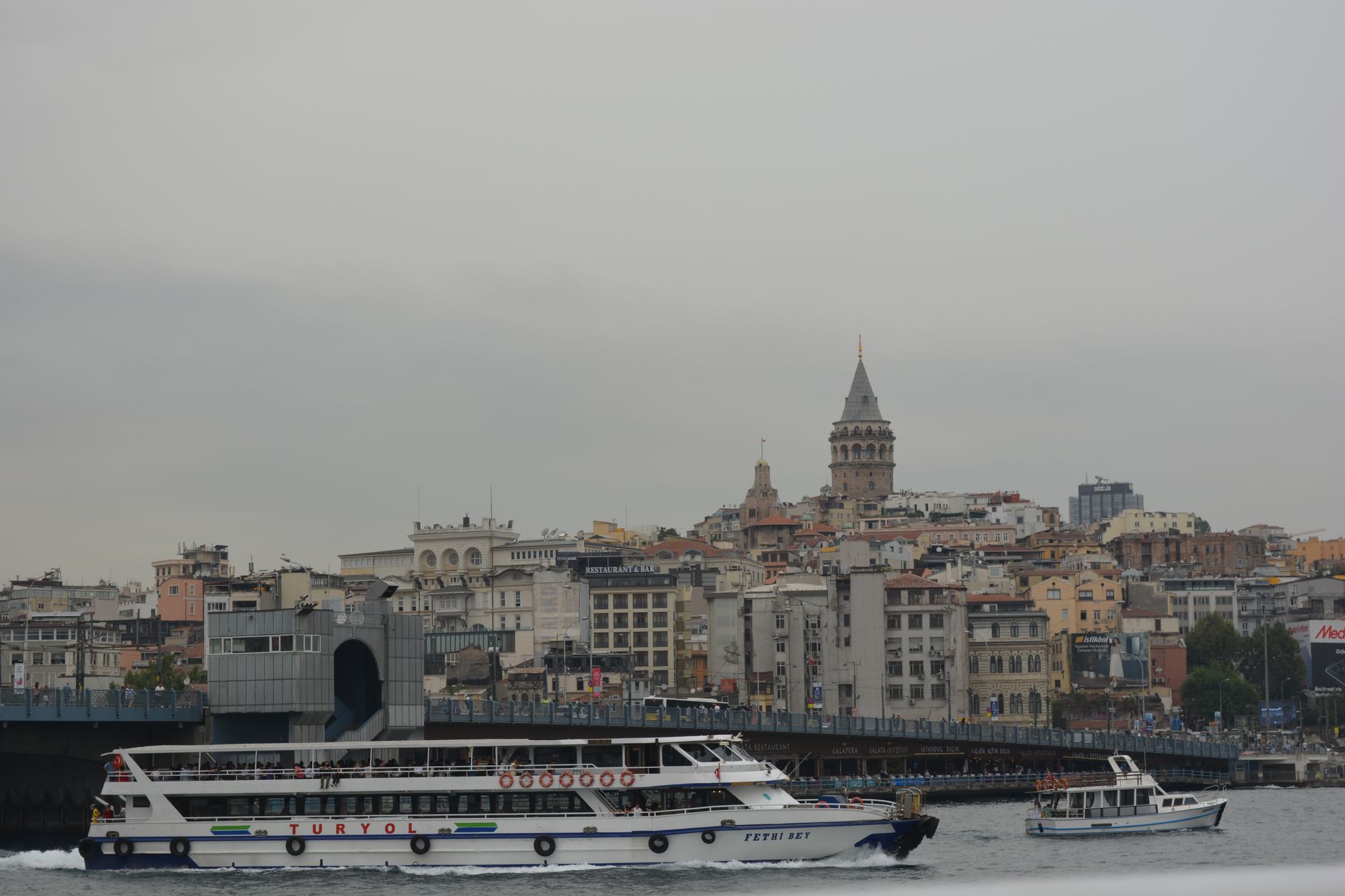
Not every clinic offering "endometriosis surgery" has the volume or multidisciplinary depth required for complex cases. When evaluating Turkish hospitals, look for dedicated endometriosis centres or minimally invasive gynaecology units with documented experience in deep infiltrating disease. Ask how many excision procedures the surgeon performs annually, whether a colorectal or urologic surgeon is routinely available, and whether fertility specialists participate in planning.
Accreditation matters. Many top Turkish hospitals hold JCI accreditation, alongside Turkish Ministry of Health certifications and ISO quality standards. International patient departments typically provide English, Arabic, German, Russian, and French support, and can arrange visa invitation letters, airport transfers, and accommodation near the hospital.
Equally important is the quality of communication. A good team will welcome your questions, review your old records seriously, avoid pressure or guaranteed-outcome promises, and explain the risks of surgery honestly — including the possibility of recurrence and the need for long-term management. Compassion here is not a marketing word; it shows up in unhurried consultations, pain management that is taken seriously, and nurses who understand that endometriosis affects sleep, work, relationships, and mental health.
Patient stories from Türkiye's endometriosis community frequently highlight the same themes: being believed at last, receiving a clear diagnosis after years of dismissal, and feeling that their fertility goals were treated as central rather than secondary.
Practical Trip Planning: Visas, Timing, Costs, and Recovery
Most international patients travelling to Türkiye for treatment can enter visa-free or with an e-Visa, depending on nationality; hospitals commonly issue invitation letters to support applications. Istanbul Airport and Sabiha Gökçen connect to most major cities, and private hospital transfers are standard for medical travellers. Plan to arrive at least two to three days before surgery for consultations and pre-operative tests.
Budgeting should cover more than the surgeon's fee. A transparent package often includes consultations, imaging, surgery, anaesthesia, hospital stay, medications, and initial follow-up, but you should confirm what is excluded — extended ICU care, additional procedures, or fertility treatments such as IVF. Compared with many Western markets, Turkish pricing for complex laparoscopic excision is typically significantly lower, though the priority should always be surgical expertise rather than the lowest quote.
Recovery varies with disease extent. Superficial excision may allow a return to light activity within one to two weeks, while deep multi-organ surgery can require four to six weeks of gradual recovery, with attention to pelvic floor physiotherapy, gentle walking, anti-inflammatory nutrition, and bowel-friendly habits. Your Turkish team should provide a written recovery plan and offer telehealth follow-up at set intervals.
Before you fly, gather your records, arrange travel insurance that covers complications, book flexible accommodation, and bring a companion if possible. Emotional support during recovery is not a luxury — it is part of good outcomes.
Frequently Asked Questions from Medical Travellers
Is excision surgery safe in Türkiye? In accredited, high-volume centres with multidisciplinary teams, advanced laparoscopic excision is performed to international standards. As with any surgery, outcomes depend on disease complexity, surgeon experience, and your overall health, so ask detailed questions and review credentials carefully.
Can I combine surgery with IVF in one trip? Sometimes. If you wish to preserve fertility, egg retrieval may be possible before surgery, while embryo transfer is generally delayed until you have recovered. Your reproductive endocrinologist will advise on the safest sequence.
How long should I stay? Most patients plan two to three weeks in Türkiye, covering arrival, diagnostics, surgery, hospital discharge, and a post-operative review. Complex cases may need longer.
Will my local doctor cooperate? Turkish teams routinely share operative reports, imaging, and discharge summaries with your home physician or fertility clinic, ensuring continuity of care long after you return.
For women facing endometriosis and fertility uncertainty, Türkiye offers something increasingly rare: a coordinated, compassionate, expert pathway where diagnosis, excision, and fertility preservation are treated as one connected story. With careful planning, the right team, and realistic expectations, a single trip can deliver clarity, relief, and renewed hope.
Thinking about treatment in Turkey?
Share your contact details and a verified doctor will follow up with a plan built around you — free, no obligation.