

Why Telehealth Is a Genuine Strength of Turkish Clinics
Türkiye has become a global hub for medical tourism, not only because of well-equipped hospitals and published pricing, but because its established clinics are built for international patients. Many surgeons in Istanbul, Ankara, and Izmir routinely treat patients from Europe, the Middle East, and beyond, and they have refined their pre-arrival processes to a fine art. The video consultation is not an afterthought; it is the first real step of your treatment journey. It allows an experienced surgeon to review your photos, scans, and medical history before you ever book a flight, saving you time, money, and uncertainty.
Unlike a rushed in-person meeting after a long flight, a scheduled video call gives you and your surgeon dedicated time to discuss goals, techniques, and expectations in detail. Turkish clinics that cater to international patients often have multilingual coordinators, digital imaging tools, and structured questionnaires that make the online assessment remarkably thorough. When done right, the virtual consultation can be as informative as a physical one — and sometimes more comfortable, since you are in your own home with your medical records at hand.
This guide walks you through every stage: preparing your questions, taking useful photos, uploading the right records, and ensuring a written summary that keeps everyone aligned for your trip. By the end, you will know how to turn a 30-minute video call into a confident, well-informed decision.
Before the Call: Gather Your Medical History and Questions
The success of your video consultation depends largely on what you bring to it. Start by collecting your relevant medical records. Depending on the procedure, this may include recent blood tests, imaging (X-rays, MRIs, CT scans), pathology reports, a list of current medications, and any previous surgical reports. If you have chronic conditions such as diabetes or hypertension, include recent readings and your management plan. Having these documents digitised as clear PDFs or high-resolution photos will allow your surgeon to review them during or after the call.
Next, write down your questions. It is easy to forget details when speaking with a specialist, especially in a second language or through an interpreter. Prioritise your concerns: What technique does the surgeon recommend and why? What are the risks and complication rates? How many similar procedures has the surgeon performed? What is the expected recovery timeline, and when can you fly home? Will there be follow-up appointments after you return? Being organised shows respect for the surgeon's time and ensures you get the answers you need.
Also, prepare a concise summary of your goals. For cosmetic procedures, describe what you hope to change and bring reference photos if helpful. For orthopaedic or bariatric surgery, explain how your condition affects daily life and what you expect from treatment. Clear communication helps the surgeon tailor advice to your specific situation rather than offering generic information.
How to Take Photos and Scans That Surgeons Can Actually Use
For many specialties — plastic surgery, dermatology, dentistry, orthopaedics — visual assessment is crucial. Poor-quality photos can lead to inaccurate advice or a request for a second call. To avoid that, follow a few simple rules. Use a plain, uncluttered background and natural daylight. Stand facing a window or use soft, indirect lighting; avoid harsh overhead lights that create shadows. Do not use filters or editing apps, as they distort skin texture and contours.
Take photos from multiple angles as instructed by the clinic. Typically, this means front, side, and oblique views, plus close-ups of the specific area. Hold the camera at eye level or chest level, not from above or below, to avoid distorting proportions. For dental or facial concerns, include a close-up of your smile and a profile shot. If you are asked for scans, send the original DICOM files or high-resolution images, not screenshots of a computer screen. Most clinics provide a secure upload link; use it rather than sending sensitive data over social media.
Label your files clearly, for example "front-view.jpg" or "MRI-lumbar-spine-2025.pdf", and organise them in a single folder. This small effort makes a big difference: the surgeon can quickly find what they need and focus on assessing your case rather than hunting through attachments.
What to Ask About Technique, Outcomes, and Recovery
The video call is your opportunity to understand exactly what will happen. Begin by asking about the surgeon's preferred technique and why it suits your anatomy or condition. For example, in rhinoplasty, there is a significant difference between open and closed approaches; in hip replacement, the choice between anterior and posterior approaches affects recovery. A surgeon will explain the rationale and discuss alternatives.
Next, ask about expected outcomes and how they are measured. What is the typical result at one month, six months, and one year? What percentage of patients need revision surgery? Are there any factors in your health profile that could compromise the result? Do not be afraid to ask for treatment photographs of similar cases — most clinics have them, and a surgeon will be happy to share. Also, clarify the recovery process: How many nights will you stay in hospital? When can you shower, exercise, or return to work? What are the signs of complications, and who do you contact if something goes wrong after you fly home?
Finally, discuss the logistics of your trip. How many days treatment progress surgery should you plan to stay in Türkiye? Will you need a companion? Does the clinic provide airport transfers, accommodation, and a translator? Understanding the full timeline helps you arrange flights and time off work with confidence.

Making the Most of the Video Call Itself
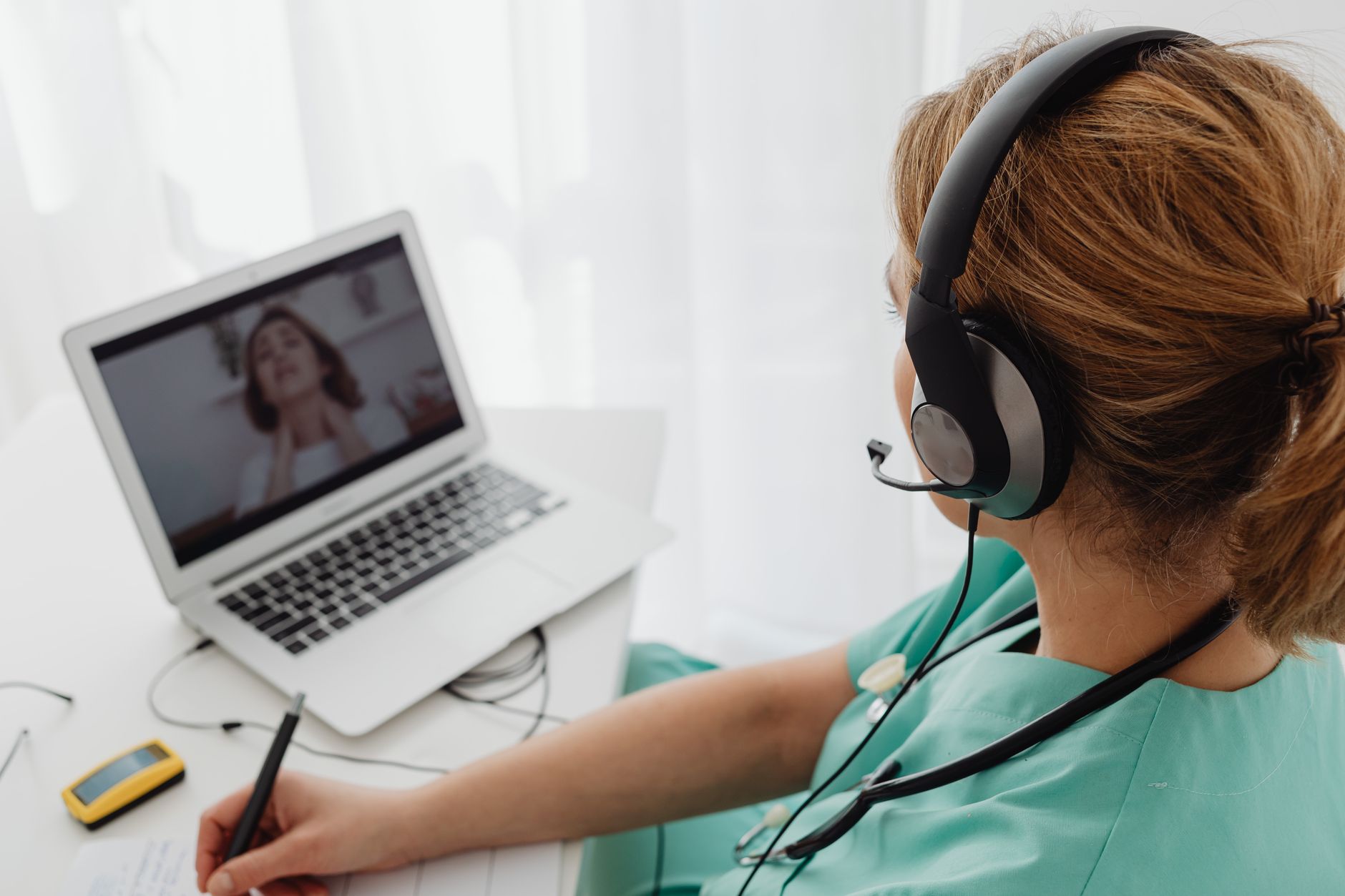
On the day of the consultation, treat it like a professional appointment. Find a quiet, well-lit room with a stable internet connection. Test your camera and microphone beforehand, and have your documents and questions open on your screen or printed nearby. If you are using an interpreter, confirm that they are familiar with medical terminology. Start the call by briefly summarising your main concern, then let the surgeon guide the conversation. Take notes or ask if you can record the call (with permission) so you can review the details later.
Be honest and thorough. If you smoke, disclose it. If you have had previous surgeries, mention them. Withholding information can lead to unsafe recommendations. Ask for clarification whenever something is unclear; a good surgeon will appreciate your engagement. Remember that the video call is a two-way assessment — the surgeon is evaluating whether you are a suitable candidate, and you are evaluating whether you feel confident in their care.
Pay attention to the clinic's communication style. Are they responsive and organised? Do they answer your questions directly, or do they deflect? The quality of the virtual interaction often reflects the quality of care you will receive in person. If something feels off, it is better to find out now than after you have booked a flight.
After the Call: The Written Summary That Keeps Everyone Aligned
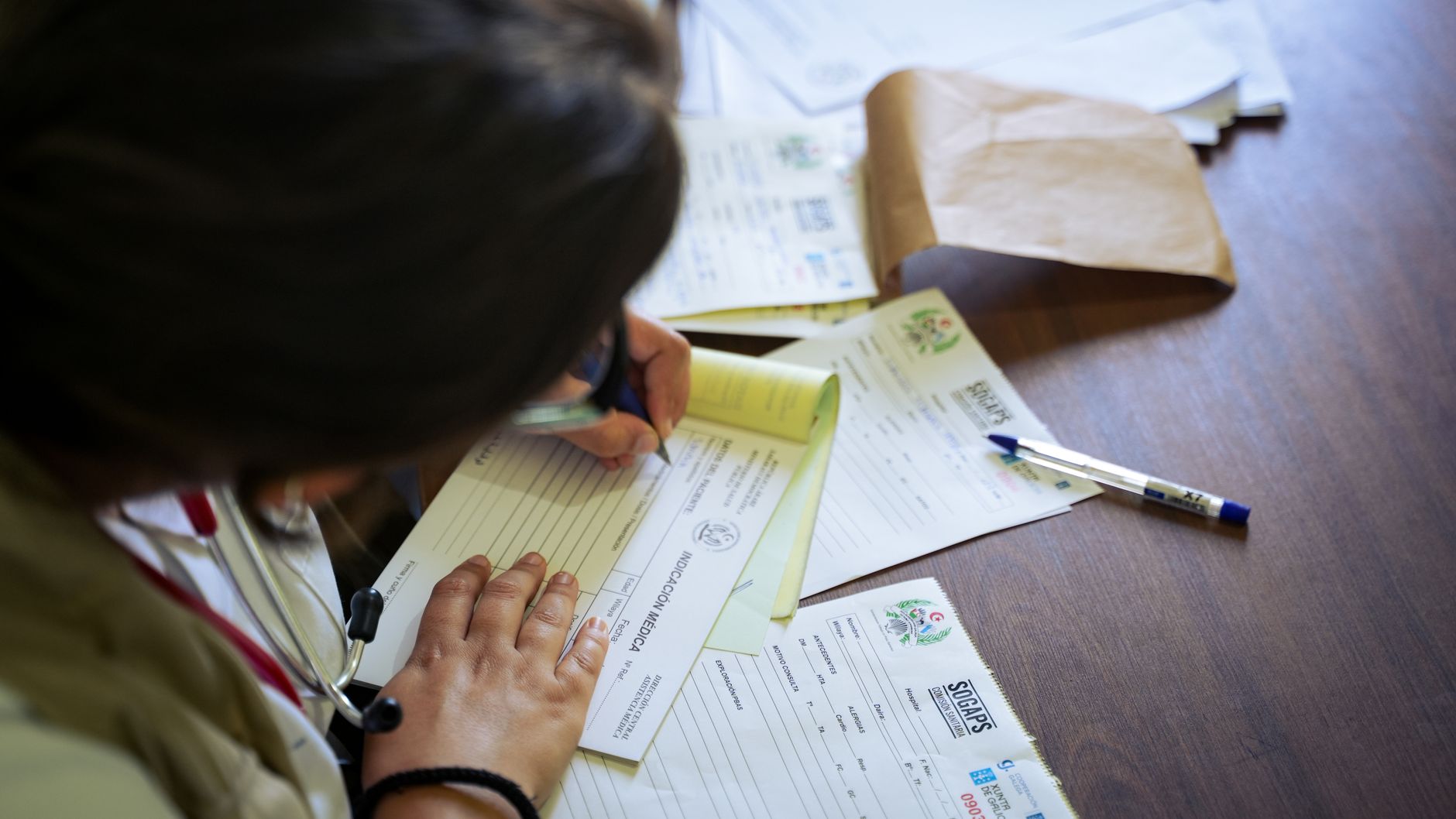
A professional clinic will send you a written summary after the consultation. This document should outline the recommended procedure, the surgeon's observations, the expected outcomes, the costs, and the proposed timeline. It may also include pre-operative instructions, such as which medications to stop and when to arrive in Türkiye. If you do not receive a summary within a few days, ask for one. This record is invaluable for your own reference and for coordinating with your local doctor.
Review the summary carefully and compare it with your notes. Are there any discrepancies or unanswered questions? Follow up via email so you have a written trail. If you are considering multiple clinics, use the summaries to compare not just prices but also the thoroughness of the assessment and the clarity of communication. A detailed, personalised summary is a sign of a clinic that values transparency and patient safety.
Once you decide to proceed, the summary becomes the foundation of your treatment plan. Share it with your primary care physician at home, especially if you need pre-operative tests or medication adjustments. The clinic may also schedule a second video call closer to your travel date to confirm details and answer any new questions. This continuity ensures that when you arrive in Istanbul or another Turkish city, everyone — you, the surgeon, and the support team — is on the same page.
Practical Tips for a Smooth Virtual Experience
Technology can be unpredictable, so have a backup plan. If your video call drops, have a phone number for the clinic and a mobile data connection ready. Use a headset to improve audio quality and reduce echo. Keep your phone charged and your computer plugged in. If you are using a translation app, test it beforehand; for complex medical discussions, a human interpreter is far better.
Time zones matter: confirm the appointment in your local time and set two alarms. Be ready a few minutes early. Dress comfortably but appropriately — you may need to show a body part for assessment, so wear something easy to adjust. Have a pen and paper or a notes app open. Finally, do not rush the call. If you feel pressured to decide on the spot, ask for time to consider. A clinic will respect that.
Remember that the video consultation is not a commitment to surgery; it is a chance to gather information. The more prepared you are, the more you will get out of it. With Türkiye's internationally minded clinics, you can expect a professional, patient-centred experience that starts long before you board your flight.
Turning a Virtual Consultation into a Confident Journey
Your first video consultation with a Turkish surgeon is more than a formality — it is the cornerstone of a safe and successful medical journey. By preparing your records, taking clear photos, asking the right questions, and insisting on a written summary, you transform a simple online meeting into a robust pre-operative assessment. This is the strength of Türkiye's medical tourism sector: experienced surgeons who take the time to understand your case remotely, and clinics that are set up to support you at every step.
When you arrive in Türkiye, you will already know your surgeon, your procedure, and your recovery plan. That familiarity reduces anxiety and builds trust, which in turn supports better outcomes. Whether you are considering cosmetic surgery, dental work, bariatric treatment, or orthopaedic care, the virtual consultation is your opportunity to make an informed choice from the comfort of home.
So take the time to prepare, ask boldly, and document everything. The result will be a smoother trip, a clearer mind, and a better chance of achieving the results you hope for. Türkiye's clinics are ready to meet you online — make that first meeting count.
Thinking about treatment in Turkey?
Send us a question about this site or about the information published on it. This is a publisher's mailbox, not a medical service and not a route to a particular provider — for clinical questions, contact your own doctor.