

Türkiye has become one of the world's most popular destinations for medical tourism, and for good reason: internationally accredited hospitals, highly trained specialists and competitive pricing are found not only in Istanbul but also in Ankara and Izmir. Many clinic groups now operate across all three cities, coordinating consultations, surgery and follow-up care for overseas patients. That network model opens up more appointment availability and lets you benefit from the right specialist wherever they practise — but it also means you need to plan how your care moves between cities.
This guide explains how to choose your treatment city, how to arrange internal transfers or domestic flights, and how to keep your records consistent across sites so that every clinician you meet has the full picture. Whether you are considering a single procedure in one city or a coordinated pathway spanning two or three, the principles below will help you travel with confidence.
Why Türkiye's Three Major Cities Matter for Medical Travel
Istanbul is the largest medical hub in the country, home to many of the hospitals that first attracted international patients and to a dense cluster of clinics covering everything from hair transplantation and dental work to complex cardiac and oncological care. Its two international airports and direct flights from most world capitals make it the natural entry point for many travellers. Ankara, the capital, is equally strong clinically — particularly in university-affiliated and research-driven hospitals — and offers a calmer, more residential experience with excellent oncology, orthopaedics and organ transplantation programmes.
Izmir, on the Aegean coast, combines a milder climate with a growing selection of accredited private hospitals and clinics, especially in ophthalmology, fertility, orthopaedics and aesthetic surgery. Patients often find shorter waiting times and a more relaxed recovery environment here, with the added appeal of seaside towns nearby for the post-treatment phase.
Because many clinic groups operate across all three cities, your chosen provider may offer consultations or follow-up appointments in more than one location. Understanding this geography early helps you decide where to land, where to be treated and where to recover — and it can significantly expand your options when a particular surgeon or specialist has limited availability in one city.

How to Choose Your Treatment City
Start with the clinical question rather than the travel question. Ask your coordinator which of the group's sites has the most experience with your specific procedure, which surgeons are based where, and whether your aftercare can realistically happen in a different city from your surgery. For highly specialised interventions — certain types of cancer surgery, paediatric cardiology or complex spinal work — it is usually worth travelling to the centre of excellence even if it is not your first-choice city for sightseeing.
Next, weigh practical factors. Istanbul offers the widest choice of hospitals, hotels and international flight connections, but it is a large, busy metropolis; some patients prefer Ankara's calmer pace or Izmir's coastal setting for recovery. Consider the length of your stay, the number of follow-up visits you will need, and whether family members will accompany you. A procedure requiring weekly checks may be easier to manage in a compact city where your hotel, clinic and pharmacy are minutes apart.
Finally, check accreditation and language support at each specific site, not just at the group's flagship hospital. Ask whether the branch you are considering has international patient departments, English-speaking nursing staff, and the same equipment and protocols as the main campus. A short video consultation with the clinician who will actually perform your procedure is a sensible way to confirm the fit before you commit to a city.

Understanding Cross-City Clinic Networks
Large Turkish provider groups often run hospitals and outpatient clinics in several cities under one quality-management system. For patients, this has clear advantages: shared protocols, common laboratory standards and the ability to have diagnostics done near home — or near your hotel — while surgery happens at a specialist centre. Records, imaging and pathology results can usually be accessed electronically by clinicians at any site in the network.
However, networks are not always fully integrated. Ask specifically whether your consultation, imaging, surgery and follow-up will take place under one provider number and one billing entity, and whether the surgeon who consults you in Istanbul will also operate there or hand you over to a colleague in Ankara or Izmir. Handovers are common and can work well, but they must be planned, with a named contact at each stage.
It also helps to know the difference between a hospital group and a marketing brand. Some websites present a unified front while individual clinics operate semi-independently. Request the name of the licensed facility, its accreditation status and the registration details of your surgeon, then verify them with Türkiye's health authorities or the international accreditation body's directory. A reputable coordinator will welcome these questions.
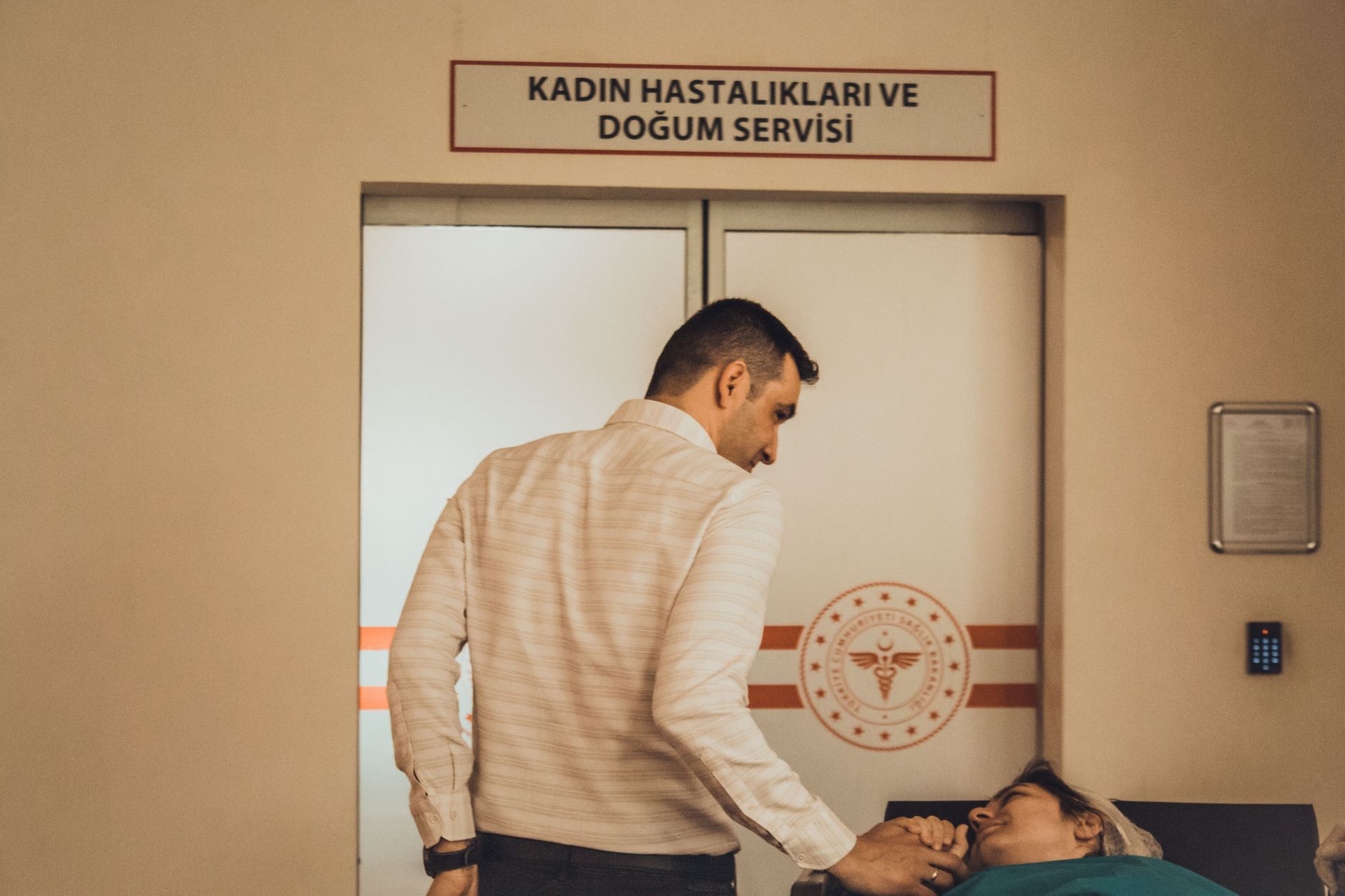
Arranging Internal Transfers and Domestic Flights
Türkiye's domestic transport network makes intercity medical travel straightforward. Istanbul, Ankara and Izmir are linked by frequent, short flights — typically around an hour — operated by several airlines, and the high-speed rail line between Istanbul and Ankara takes roughly four and a half hours city centre to city centre. For patients who have just had surgery, flying is usually preferable to long road journeys, but always confirm with your surgeon that you are fit to fly and obtain any necessary medical clearance or fit-to-fly letter.
Book flexible tickets where possible, especially for the return leg, and allow generous buffers around appointments. Use airport assistance services if you have reduced mobility, and arrange a private transfer or clinic shuttle rather than navigating public transport after procedures. Many hospitals in all three cities offer airport pick-up as part of their international patient packages; confirm whether this covers domestic as well as international arrivals.
If your pathway involves more than one city, sequence your travel to minimise strain: for example, complete consultations and diagnostics in Istanbul, travel to Ankara for surgery, then recover in Izmir before flying home. Keep a simple itinerary shared with your coordinator, including flight numbers, hotel addresses and the phone number of a 24-hour contact at each site. Build in a rest day after every transfer — your body will thank you.

Keeping Records Consistent Across Sites
Fragmented records are the most common source of avoidable problems in cross-city care. Before you travel, ask each provider to send your full file — history, medication list, allergy information, imaging, laboratory results and operative notes — to the next site in advance, and carry a digital and printed copy yourself. Include recent blood tests, ECG and any chronic-condition documentation, translated into English or Turkish where needed.
At every appointment, confirm that the clinician has actually received and reviewed the previous site's notes. Keep a single folder — physical or on your phone — for discharge summaries, prescriptions and imaging discs, and photograph every document as it is handed to you. If medication is changed in one city, make sure the next clinician knows; bring the actual boxes or a clear list with generic names and doses.
Ask for copies of imaging in DICOM format on a USB drive or via a secure download link, since repeat scans are costly and sometimes unnecessary. Finally, request a consolidated discharge report at the end of your trip that covers all sites involved. This single document will be invaluable to your doctor at home and helps ensure continuity when your care returns to your own country.

Practical Tips for a Smooth Multi-City Medical Journey
- Time your trip around recovery: leave the busiest city for last if you need rest, or start there if you need the widest choice of specialists.
- Confirm insurance and billing: check whether your policy or the clinic's package covers intercity transfers, domestic flights and accommodation in each city.
- Keep a medication buffer: carry extra supplies in original packaging with prescriptions, and check Turkish customs rules for controlled medicines.
- Share a written itinerary: give your coordinator and a family member the dates, addresses and emergency contacts for every city on your route.
- Plan the recovery setting: ask which city and neighbourhood the clinic recommends for post-operative rest, and whether nursing or physiotherapy visits are available there.
Türkiye's intercity clinic networks give overseas patients remarkable flexibility: access to leading specialists, shorter waits and the freedom to combine treatment with recovery in a setting that suits them. With careful sequencing, clear documentation and a named contact at every site, moving between Istanbul, Ankara and Izmir can be a smooth, well-managed part of your care rather than a source of stress.
Thinking about treatment in Turkey?
Send us a question about this site or about the information published on it. This is a publisher's mailbox, not a medical service and not a route to a particular provider — for clinical questions, contact your own doctor.