

Two Airports, One City, Twice the Flexibility
Most medical travellers researching Istanbul assume they will fly into Istanbul Airport (IST), the vast new hub on the European side that dominates international long-haul schedules. In practice, Istanbul is a two-airport city, and the second one — Sabiha Gökçen (SAW), on the Asian side — quietly serves tens of millions of passengers a year and is the arrival point for a large share of patients heading to clinics in Kadıköy, Ataşehir, Maltepe, Kartal and the wider Anatolian side.
For clinic-bound travellers, this is good news. Having two modern, well-equipped airports gives you genuine flexibility: you can choose the route that best matches your hospital district, your flight times, your budget and your tolerance for crowds on the day of surgery or consultation. Neither airport is "better" in absolute terms — they simply suit different itineraries, and knowing which is which can remove a surprising amount of stress from an already stressful trip.
This guide is written from the patient's perspective. It explains where Sabiha Gökçen sits geographically, which clinic districts it serves best, how transfers work from each terminal, how Turkish clinics coordinate airport pickups, and what practical details — from visa desks to wheelchair assistance — matter when you are travelling for medical care rather than leisure.
Where Sabiha Gökçen Sits — and Why Location Matters for Patients
Sabiha Gökçen International Airport lies on the Asian side of Istanbul, roughly 35 kilometres southeast of the Bosphorus in the Pendik/Kurtköy area. The city's other airport, Istanbul Airport, sits far to the northwest on the European side, near the Black Sea coast. The two are separated by the entire urban core — the Bosphorus, the historic peninsula and the dense European districts — which means the distance between them is significant in both kilometres and, on a bad traffic day, hours.
This geography drives the core decision for medical travellers. If your hospital or clinic is on the Asian side — including the medical clusters around Ataşehir, Kozyatağı, Kadıköy, Ümraniye, Maltepe and Kartal — Sabiha Gökçen is usually the closest airport, often 25 to 45 minutes away by car depending on traffic. If your clinic is in Şişli, Nişantaşı, Beşiktaş, Levent or the historic European districts, Istanbul Airport or the European-side motorway network will generally be faster.
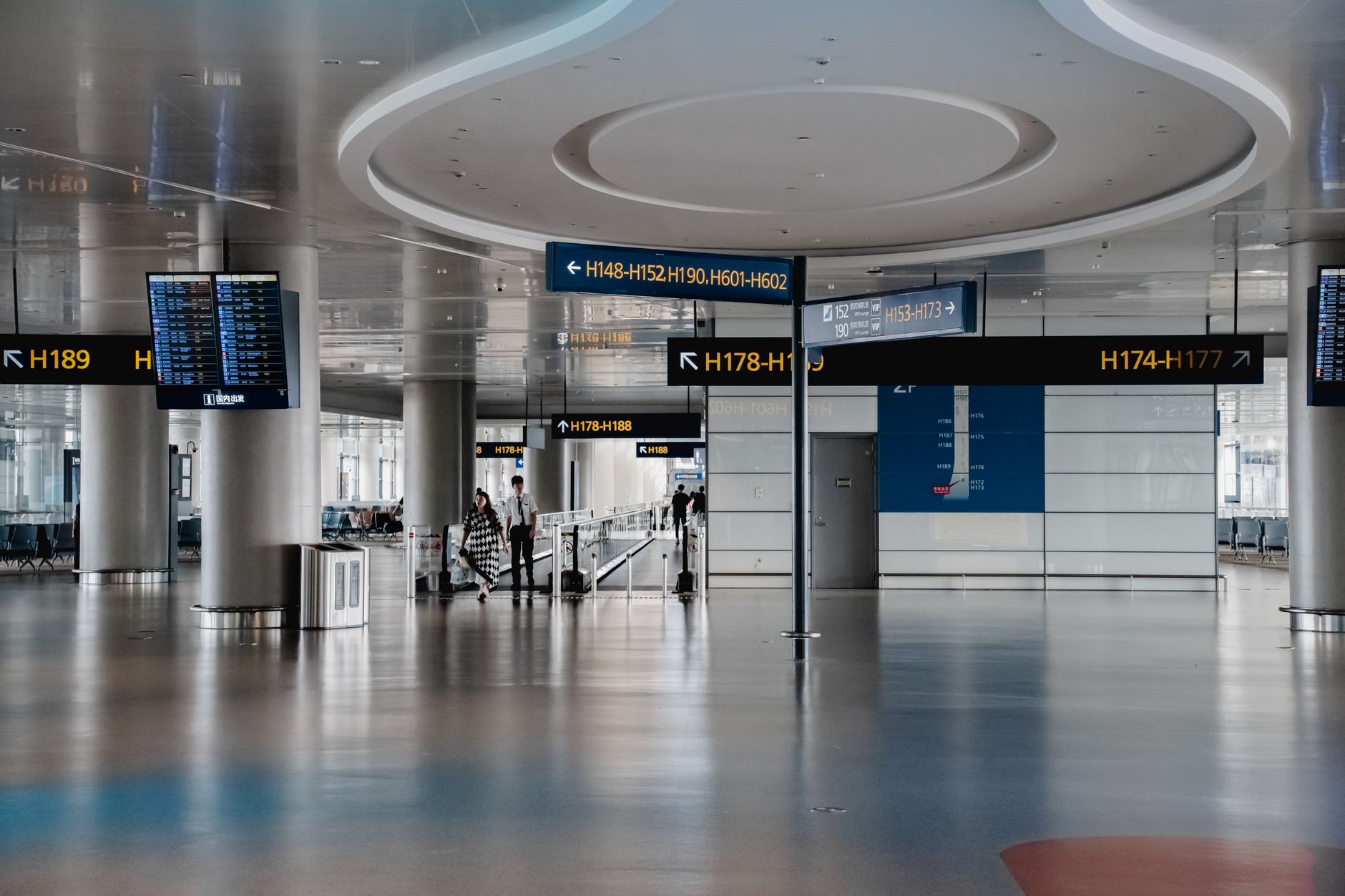
There is a second, subtler advantage for patients: Sabiha Gökçen is smaller and, by many travellers' accounts, calmer. Arrivals halls are less overwhelming, passport queues are frequently shorter, and the walk from gate to baggage reclaim to the meeting point is shorter and simpler. For someone arriving tired, anxious or in discomfort after a long flight, a quieter terminal is not a luxury — it is a real comfort.
Which Airport Suits Which Clinic District
As a rule of thumb, match the airport to the side of the city where you will be treated. Sabiha Gökçen (SAW) is the natural choice for hospitals and clinics in Ataşehir, Kozyatağı, Kadıköy, Üsküdar, Ümraniye, Maltepe, Kartal and Pendik, plus the growing medical corridor along the E-5 and TEM highways on the Asian side. Many of Istanbul's large private hospital groups have campuses in these districts, and several hair-transplant, dental and aesthetic clinics cluster here precisely because of the airport's convenience.
Istanbul Airport (IST) is generally the better fit for clinics in Şişli, Nişantaşı, Beşiktaş, Levent, Etiler, Bakırköy, Bahçelievler and the historic peninsula districts of Fatih and Sultanahmet. If your treatment plan includes several appointments spread across the European side, or you plan to combine treatment with sightseeing around Hagia Sophia, the Grand Bazaar and the Bosphorus, IST will usually reduce your daily travel time.
Some patients deliberately split the difference. It is entirely possible to fly into one airport and out of the other — Turkish Airlines and Pegasus both operate extensive domestic and international networks — which can be useful if your clinic is midway between the two or if flight prices or timings favour different terminals on the outbound and return legs. Istanbul's modern airport infrastructure makes this far simpler than it sounds.
Getting from Sabiha Gökçen to Your Clinic: Transfers and Options
For nearly all clinic-bound patients, a pre-arranged private transfer is the simplest and most appropriate option. Most Istanbul clinics offering medical tourism services include or offer airport pickup as part of their package, sending a driver with a name board to the arrivals hall. The typical journey from SAW to Ataşehir or Kozyatağı takes around 30 to 45 minutes outside peak hours; to Kadıköy, roughly 40 to 55 minutes; to Üsküdar or Ümraniye, 45 to 60 minutes. Always allow extra time during weekday morning and evening rush hours.
If you prefer to arrange your own transport, licensed taxis are available outside the arrivals terminal, and ride-hailing apps work at both Istanbul airports, though pickup points are designated — follow the signs rather than accepting offers from unlicensed drivers inside the terminal. Public options exist too: the M4 metro line connects Sabiha Gökçen directly to Kadıköy and the Asian-side network, and the airport bus (Havabus and municipal services) links to various city points. These are inexpensive and reliable but involve walking, stairs and luggage handling, which may not suit patients arriving for surgery or travelling with mobility limitations.
For patients with reduced mobility, note that wheelchair assistance at SAW is generally well organised if requested through your airline in advance. Drivers arranged by clinics can usually meet you at the exit with a vehicle suitable for limited mobility — but confirm this when booking, especially if you use a wheelchair or require a vehicle with space for medical equipment.
How Clinics Coordinate Pickups from Either Terminal
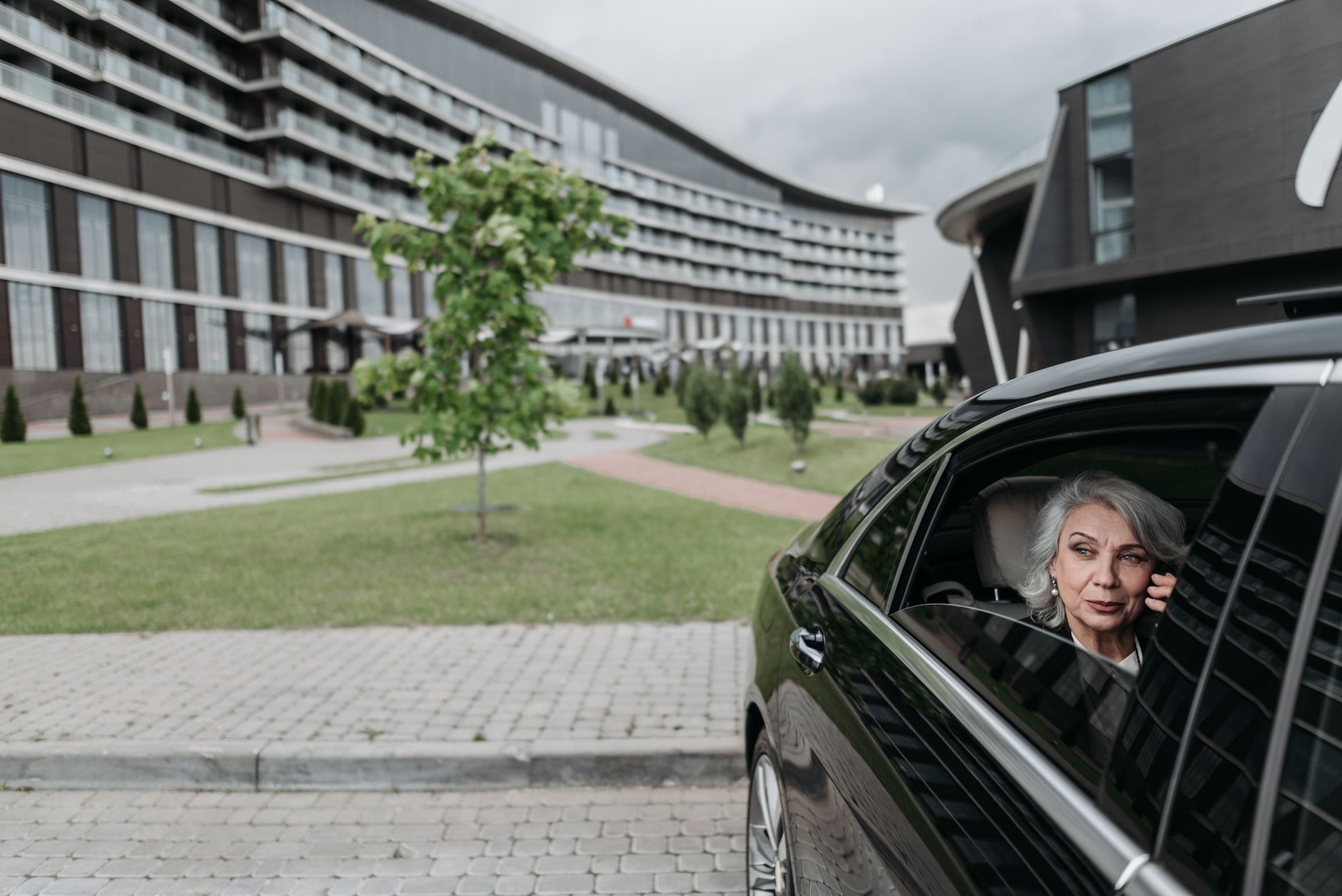
Reputable Istanbul clinics treat airport transfers as part of the medical journey, not an afterthought. When you confirm treatment, you will typically be asked for your flight number, arrival airport, airline, scheduled arrival time and the number of accompanying passengers. The clinic's guest-relations or international-patient team then arranges a driver, often sharing a live tracking link so you know when the vehicle has been dispatched and where it is waiting.
A well-organised pickup includes a clear meeting point — usually just outside the arrivals exit, past the taxi rank, with a name board — plus a WhatsApp number for the driver or coordinator. Good clinics will also monitor your flight for delays and adjust the pickup automatically, and they will have a plan for late-night arrivals, when terminal services are quieter. If you are arriving at Sabiha Gökçen and your clinic is on the European side, or vice versa, confirm the transfer is included rather than assumed; the cross-city journey is longer and worth discussing in advance.
Practical tip: send your clinic a screenshot of your e-ticket and your passport name exactly as it appears, since drivers and hospital reception staff match names carefully. Also confirm whether your transfer covers only the airport-to-hotel leg or also hotel-to-clinic journeys between appointments, and whether a return transfer to the airport on departure day is included.
Arrival Tips: Passports, Visas and Terminal Services at SAW
Sabiha Gökçen's international terminal handles a steady flow of medical tourists, particularly from Europe, the Middle East, Central Asia and North Africa. Visa requirements depend on nationality; many visitors can obtain an e-visa online before travel or a visa on arrival, but rules change, so check the official Turkish e-visa portal and confirm with your clinic well before booking flights. Carry printed copies of your appointment letter, treatment confirmation and hotel booking — these can help at border control if you are asked about the purpose of your visit.
Baggage reclaim at SAW is generally efficient, and the terminal offers currency exchange, SIM-card vendors, cafés and pharmacies — useful if you need to fill a prescription or buy basic supplies on arrival. If you are travelling with medical documentation, imaging CDs or medication, keep them in your hand luggage and, where relevant, carry a doctor's letter explaining any prescription drugs.
For travellers with connecting flights, note that domestic connections within Turkey are straightforward from SAW, and the airport is a base for Pegasus Airlines in particular, which makes it convenient for patients flying via Istanbul from secondary European cities. If your itinerary involves a long layover, the terminal's seating and quiet areas are adequate, but patients with mobility issues or post-operative discomfort may prefer a lounge or a hotel near the airport.
Planning Your Return: Departure from Istanbul
The departure leg deserves as much planning as the arrival. Many clinics advise a specific interval between surgery and flying — often 7 to 10 days for procedures such as rhinoplasty, and longer for certain orthopaedic or bariatric operations — and this affects which flight you can safely book. Confirm your clinic's "fit to fly" guidance before purchasing tickets, and build in a buffer day or two in case of follow-up appointments or minor complications.
On departure day, allow generous time at either airport; Sabiha Gökçen is usually quicker to navigate than Istanbul Airport, but security and passport queues can still be significant at peak times. If you are flying home from a different airport than you arrived at, arrange your transfer with the clinic rather than improvising on the day, and keep any post-operative medication and medical letters in your carry-on, along with a copy of your discharge summary in English.
Finally, keep your clinic's emergency contact number saved in your phone and know the address of your hotel in Turkish. Istanbul's two modern airports give medical travellers a level of flexibility that few cities can match — and with a little planning around which terminal suits your clinic district, your arrival on the Asian side can be one of the calmest parts of the whole journey.
Thinking about treatment in Turkey?
Send us a question about this site or about the information published on it. This is a publisher's mailbox, not a medical service and not a route to a particular provider — for clinical questions, contact your own doctor.