

Why Türkiye Is a Global Hub for Complex Medical Care
Türkiye has become one of the world's leading destinations for medical tourism, welcoming hundreds of thousands of international patients each year. What sets the country apart is not only advanced technology and internationally accredited hospitals, but an integrated care model built to handle complex, multi-need patients. For travelers with diabetes, hypertension, or other chronic conditions, this integrated approach is not an afterthought—it is a core part of the treatment philosophy.
Hospitals in Istanbul, Ankara, Izmir, and Antalya routinely treat international patients who arrive with a primary surgical or medical need and a secondary set of chronic conditions. The teams are experienced in coordinating endocrinology input, adjusting medications, and monitoring blood glucose throughout the hospital stay. This means you do not have to choose between getting your main treatment and keeping your diabetes under control.
Whether you are considering bariatric surgery, cardiac care, orthopedic procedures, or dental work, understanding how chronic conditions are managed during your trip will help you prepare with confidence. This guide explains exactly how Türkiye's hospitals handle diabetes, hypertension, and similar conditions before, during, and after your treatment.
Pre-Treatment Coordination: What Happens Before You Fly
The coordination of chronic condition care begins long before you board your flight. Reputable Turkish hospitals with international patient departments request a detailed medical history, recent lab results, and a list of your current medications. This allows the clinical team to assess how your chronic condition might interact with the planned treatment and anesthesia.
If you have diabetes, the hospital will typically ask for your most recent HbA1c, fasting glucose readings, and any records from your endocrinologist. For hypertension, they will want to see blood pressure logs and information about your current antihypertensive regimen. This information is reviewed by the relevant specialists—often an endocrinologist, cardiologist, or internal medicine physician—who then collaborates with your primary surgeon or treating physician.
This pre-arrival review is also when medication adjustments are planned. For example, if you take metformin, you may be advised to pause it before surgery due to interactions with contrast dyes or anesthesia. If you use insulin, the team may create a temporary perioperative insulin plan. You will receive clear instructions in writing, often in your language, so you know exactly what to do in the days leading up to your departure.
Many hospitals also offer a pre-consultation via video call, allowing you to speak directly with the endocrinologist or internal medicine specialist who will oversee your chronic condition management during your stay. This is a good time to ask questions about glucose monitoring, dietary options, and how your medication schedule will be adapted.

On Arrival: Comprehensive Assessment and Personalized Planning
Upon arrival at the hospital, you will undergo a thorough assessment that goes beyond the immediate treatment area. This typically includes blood tests, an electrocardiogram, blood pressure monitoring, and a glucose reading. For patients with diabetes, the hospital may also check ketones, kidney function, and electrolyte balance to ensure you are stable for the planned procedure.
Based on these results, your care team finalizes a personalized plan for managing your chronic condition throughout your stay. This plan is documented and shared with all relevant departments—surgery, anesthesia, nursing, and nutrition. You will meet the endocrinologist or internal medicine specialist who will follow you daily, and you will be given a schedule for glucose checks and medication administration.
Hospitals in Türkiye are also accustomed to dietary requirements. If you follow a diabetic diet, the nutrition team can adjust your meals accordingly. Many hospitals have halal, vegetarian, and low-glycemic options, and they can accommodate cultural preferences. This attention to detail helps keep your blood sugar stable and reduces the risk of complications.
If you have hypertension, your blood pressure will be monitored regularly, and medications may be adjusted to account for the effects of surgery, pain management, and fluid balance. The goal is to keep you within a safe range without disrupting your primary treatment.
During Your Hospital Stay: Integrated Monitoring and Adjustments
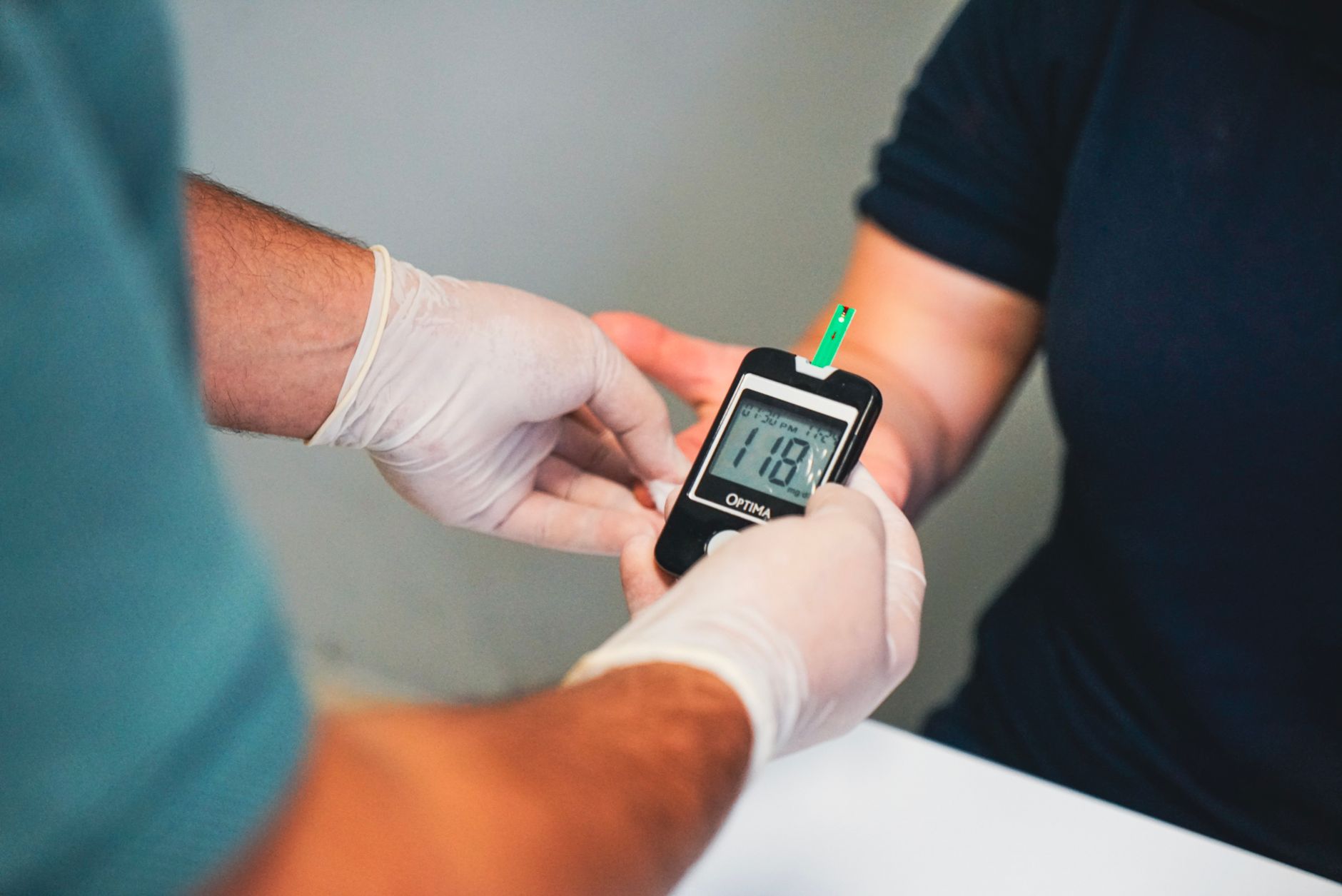
During your hospital stay, chronic condition management is woven into your daily care routine. Nurses are trained to check blood glucose and blood pressure at scheduled intervals, and the results are recorded in your electronic medical record. Any abnormal reading triggers a prompt response from the medical team.
For patients with diabetes, the hospital may use a combination of fingerstick glucose checks and, in some cases, continuous glucose monitoring (CGM) devices. If you already use a CGM, the team can often incorporate your device into their monitoring, provided you bring spare sensors and transmitters. Insulin is typically administered by nurses according to a sliding scale or a personalized regimen, and doses are adjusted based on your glucose trends and food intake.
Medication adjustments are common during this period. Some medications may be given intravenously instead of orally while you are nil by mouth, and the endocrinologist will ensure that your diabetes medications are transitioned safely. If you are on multiple medications for hypertension, the team will monitor for interactions with anesthesia and pain relievers.
Importantly, you are not a passive recipient of care. You can and should communicate your usual routine, symptoms, and concerns to the nursing staff. Translation services are available in many hospitals, and international patient coordinators can help bridge any language gaps. This collaborative approach ensures that your chronic condition is managed as effectively as your primary treatment.

Post-Treatment Care: Transitioning Back to Your Routine
As you recover and prepare for discharge, the focus shifts to transitioning your chronic condition care back to your own routine. Before you leave the hospital, you will receive a detailed discharge summary that includes any changes to your medications, your target glucose and blood pressure ranges, and instructions for follow-up.
If your medication doses were adjusted during the hospital stay, the discharge plan will specify the new doses and timing. You will also be advised on when to resume medications that were temporarily stopped, such as metformin. The hospital may provide a short supply of medications to cover your journey home, and they will give you prescriptions that you can fill at a pharmacy.
Many hospitals schedule a follow-up appointment or telemedicine consultation for a few weeks after you return home. This allows the endocrinologist or internal medicine specialist to review your progress and coordinate with your local doctor. You will also be given contact information for the international patient department in case you have questions after discharge.
Before you fly, ensure you have enough medication and supplies for your trip, including insulin, testing strips, and any devices. It is also wise to carry a letter from your doctor explaining your medical condition and medications, especially when traveling with injectables or controlled substances.

Choosing the Right Hospital for Your Needs
Not all hospitals are equally equipped to manage complex chronic conditions alongside primary treatments. When researching options in Türkiye, look for hospitals that have an international patient department, accreditation from bodies like JCI or TEMOS, and a multidisciplinary team that includes endocrinologists and internal medicine specialists.
It is also helpful to ask specific questions: How many international patients with diabetes do you treat each year? Do you have a dedicated diabetes management protocol for surgical patients? What languages does your staff speak? How do you handle dietary requirements? The answers will give you a sense of how experienced the team is in coordinating care for patients like you.
Reading patient testimonials and speaking with former patients can provide additional reassurance. Many hospitals can connect you with past international patients who have similar conditions, allowing you to hear firsthand about their experience.
Türkiye's integrated care model is designed for exactly this kind of complex, multi-need international patient. By choosing a hospital with robust chronic condition management, you can focus on your recovery knowing that your diabetes or hypertension is being expertly handled.
Practical Tips for a Smooth Medical Journey
Preparation is key to a successful medical trip. Start by gathering all your medical records, including recent lab results, medication lists, and letters from your treating physicians. Bring these in both digital and printed form. If you use a continuous glucose monitor, pack extra sensors and ensure your device works internationally.
During your stay, keep a simple log of your glucose readings, blood pressure, and any symptoms. This information is valuable for your care team and will help them fine-tune your treatment. Do not hesitate to ask for a translator if you need one—clear communication is essential.
After you return home, schedule a follow-up with your local doctor and share your discharge summary with them. This ensures continuity of care and helps your regular physician understand any changes made during your trip.
Finally, remember that medical tourism is a partnership between you, your local healthcare providers, and the team in Türkiye. With proper planning and open communication, you can receive world-class treatment for your primary condition while keeping your chronic conditions well controlled.
Thinking about treatment in Turkey?
Send us a question about this site or about the information published on it. This is a publisher's mailbox, not a medical service and not a route to a particular provider — for clinical questions, contact your own doctor.