
Why Digital Readiness Matters for Your Medical Journey to Türkiye
Türkiye has become a global leader in medical tourism, welcoming hundreds of thousands of international patients each year to cities like Istanbul, Antalya, Ankara, and Izmir. What sets Turkish hospitals apart is not only clinical expertise and affordability, but also their impressive digital infrastructure. Most accredited facilities operate on fully integrated hospital information management systems (HIMS), use PACS (Picture Archiving and Communication Systems) for radiology, and offer secure patient portals where you can upload records before you even board your flight.
When your medical records, imaging, and lab results arrive ahead of you in a structured digital format, your first consultation becomes a productive, treatment-focused conversation rather than a paperwork session. You avoid repeating expensive tests, reduce waiting time, and give your specialist a complete picture of your health history from day one.
This guide walks you through exactly what to prepare, how to transfer it securely, and what to expect when you arrive in Istanbul or Antalya. Follow this checklist and you will land in Türkiye fully prepared—ready to focus on your health, not on chasing documents.
What Records to Gather Before You Leave Home
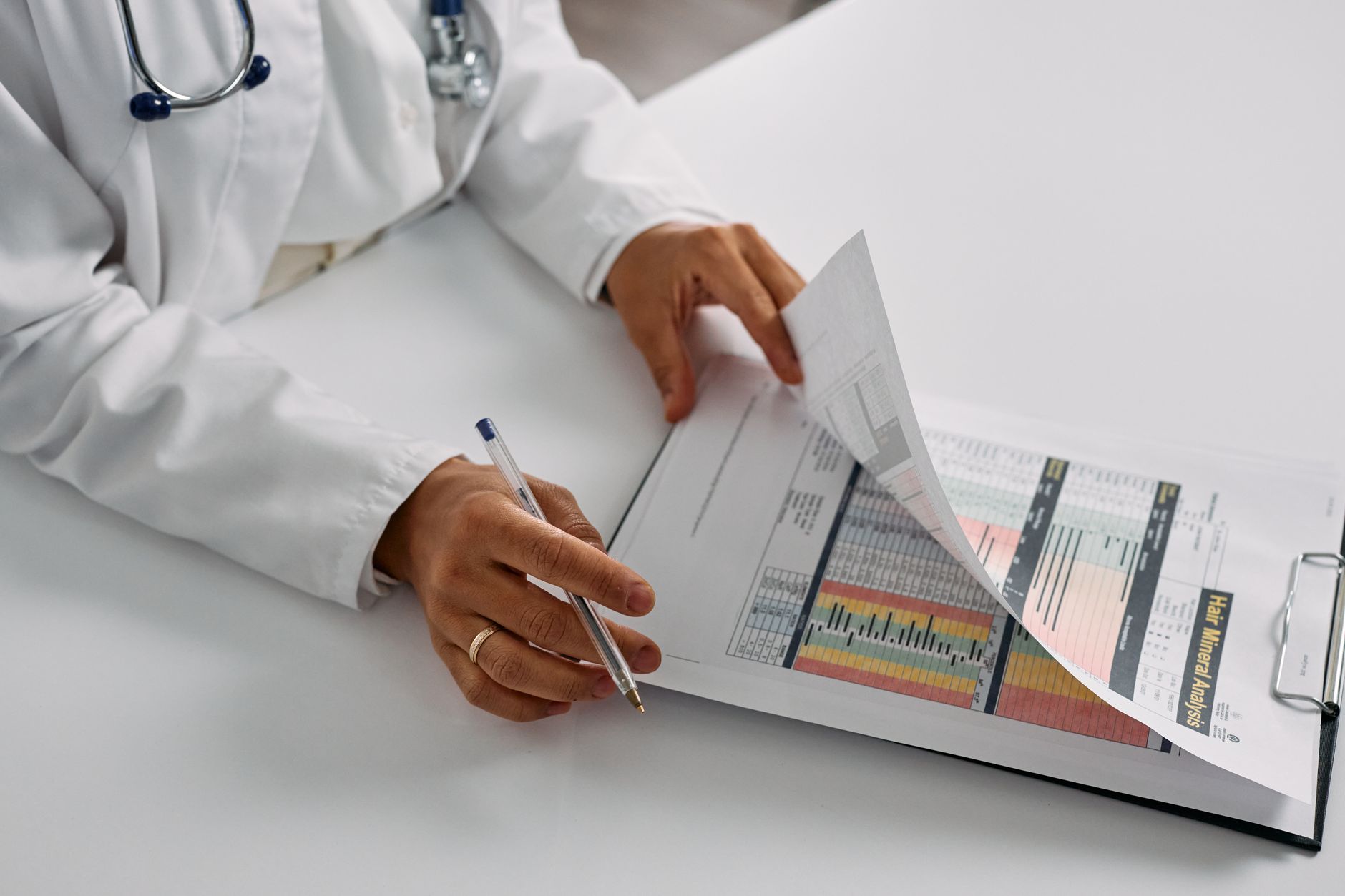
Start by creating a master folder—physical and digital—containing every relevant document from the past 3–5 years. At minimum, you should collect recent blood tests, pathology reports, biopsy results, surgical notes, discharge summaries, medication lists, allergy information, and vaccination records. If you have a chronic condition such as diabetes or heart disease, include recent monitoring logs and specialist consultation notes.
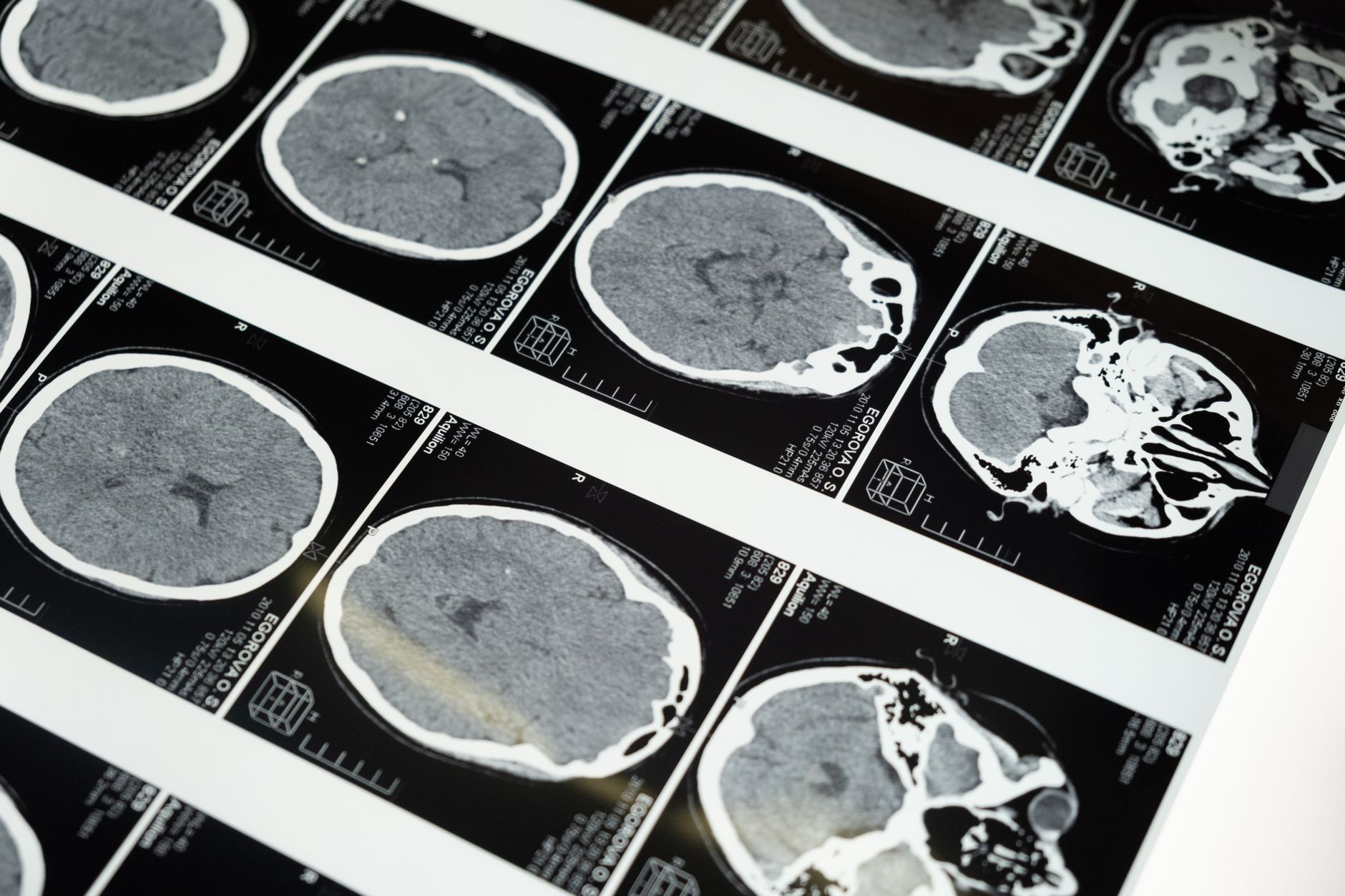
For imaging, request the original DICOM files—not just the printed films or PDF reports. DICOM (Digital Imaging and Communications in Medicine) is the universal standard that Turkish radiologists and specialists can load directly into their PACS. This applies to MRI, CT, PET-CT, ultrasound, mammography, and X-ray studies. Ask your imaging center for a CD, DVD, or USB drive containing the raw DICOM data, and if possible, a cloud link as a backup.
Finally, write a one-page medical summary in plain language. Include your diagnosis (if known), timeline of symptoms, previous treatments, current medications with dosages, and specific questions for your Turkish doctor. This summary helps the coordination team route your case to the right specialist immediately.
How to Transfer Your Records and DICOM Imaging Securely
Turkish hospitals are well-versed in receiving international records. Most have dedicated international patient departments that accept transfers via secure, encrypted channels. The safest methods include hospital-provided patient portals, encrypted email services (such as ProtonMail or hospital-specific secure links), and reputable cloud storage with access controls. Avoid sending sensitive medical data over regular, unencrypted email or messaging apps.
If you have DICOM files, compress them into a single ZIP or RAR archive and upload them to the secure portal or cloud folder provided by your hospital. If the files are very large (PET-CT and multiphase MRI can exceed several gigabytes), ask the international patient coordinator for a preferred file transfer service such as WeTransfer Pro, Dropbox Business, or a hospital-specific FTP/SFTP link.
Before sending, label every file clearly with your full name, date of birth, and the type of study. A simple naming convention like Lastname_Firstname_2024-05-12_MRI-Brain prevents confusion. Include a short index document listing each file and what it contains. This small step dramatically speeds up review by the radiology and specialist teams.
Always request a confirmation of receipt. A good coordinator will acknowledge within 24–48 hours and may ask for additional tests or clarify images. If you do not hear back, follow up politely—this ensures nothing is missed before your arrival.
Preparing Lab Results and Pathology Reports for Turkish Standards
Laboratory results from your home country are generally accepted, but Turkish hospitals often prefer to run a basic panel on arrival to establish baseline values in their own system. To minimize repeat testing, bring recent (within 3 months) comprehensive lab work, including complete blood count, metabolic panel, liver and kidney function, coagulation profile, and any disease-specific markers such as tumor markers or hormone levels.
Pathology reports deserve special attention. If you have biopsy slides or paraffin blocks, consider hand-carrying them or arranging shipment through a certified courier. Turkish pathology departments can re-review slides, and this second opinion may be invaluable for treatment planning. Ensure your pathology report includes a full description and, if possible, an English translation.
For genetic tests, bring the raw data files (e.g., VCF files) in addition to the interpretive report. Turkish geneticists can reanalyze the data if needed, saving you the cost and time of repeating an expensive test.
If your records are not in English, arrange for a certified translation of key documents—discharge summaries, operative notes, and pathology reports. Most Turkish hospitals can provide translation services on-site, but having translations ready accelerates the process.
Using Patient Portals and Digital Health Apps in Türkiye
Many Turkish hospitals offer patient portals where you can create an account before arrival. Through these portals, you can upload documents, view appointments, message your care team, and access test results. Some hospitals also use mobile apps that integrate with wearable devices, allowing you to share heart rate, blood glucose, or blood pressure trends with your doctor.
Türkiye's e-Nabız system is a national electronic health record platform used by citizens, and some private hospitals have interfaces that can incorporate international patient data. While foreign patients typically do not have direct e-Nabız access, your hospital's international department can help integrate your records into their internal systems.
When you arrive, ask for a demonstration of the patient portal and ensure you know how to access your reports and communicate with your team. This digital fluency will make your entire treatment journey smoother, from admission to follow-up.
On Arrival: What to Bring and What to Expect
Even with digital transfers, always hand-carry a physical backup: a USB drive with all DICOM files, a folder with printed key reports, and your one-page summary. Technology can fail, and having a backup ensures your consultation proceeds without delay.
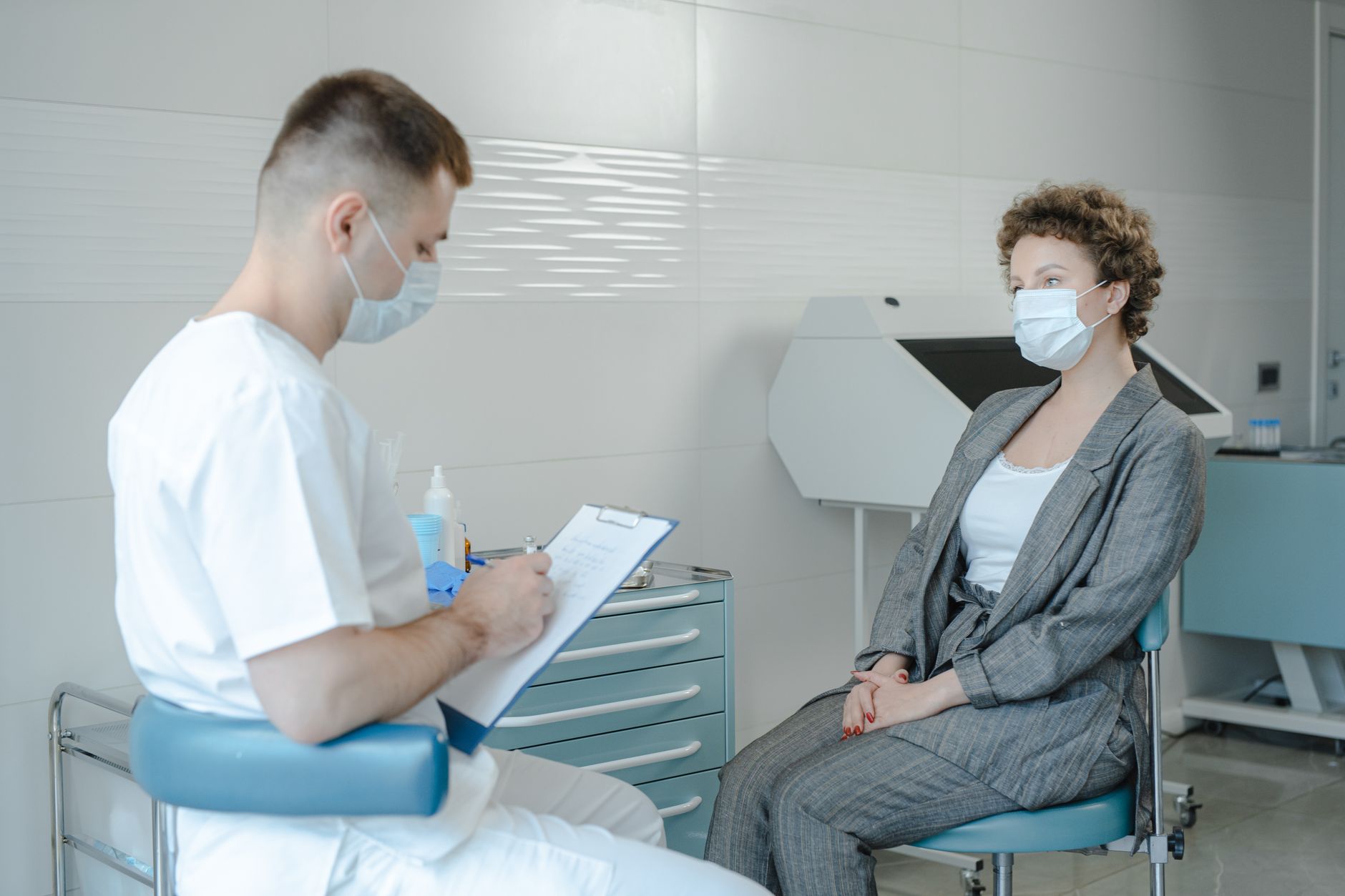
At your first appointment in Istanbul or Antalya, you will typically meet an international patient coordinator who speaks your language, followed by the specialist. Because your records were sent ahead, the doctor will have already reviewed them. The consultation will focus on confirming the diagnosis, discussing treatment options, and scheduling any necessary additional tests—often the same day or next day.
Expect a highly efficient process. Turkish hospitals are known for rapid turnaround: lab results in a few hours, imaging within 24 hours, and surgical dates often within days. Your preparation directly contributes to this speed. If you have not sent records in advance, you may spend your first day repeating tests that could have been avoided.
Checklist: Your Pre-Departure Medical Records To-Do List
- Collect recent lab results, pathology reports, imaging reports, surgical notes, and medication lists.
- Request DICOM files for all imaging studies on CD/DVD/USB or via secure cloud link.
- Write a one-page medical summary with diagnosis, timeline, medications, and questions.
- Translate key documents into English if they are not already.
- Contact your Turkish hospital's international patient department for secure upload instructions.
- Label all files clearly and include an index document.
- Upload records via the hospital portal or encrypted transfer service.
- Confirm receipt with the coordinator and respond promptly to any requests.
- Pack a physical backup (USB drive with DICOM files, printed reports, summary).
- Bring your passport, visa, insurance documents, and a list of emergency contacts.
With these steps completed, you will arrive in Türkiye ready to begin treatment without wasted time. Your Turkish medical team will have your full history at their fingertips, and you can focus on what matters most: your health and recovery.
Thinking about treatment in Turkey?
Share your contact details and a verified doctor will follow up with a plan built around you — free, no obligation.