

Why Türkiye for ENT and Sinus Surgery?
Türkiye has become a leading destination for medical travellers seeking high-quality ear, nose and throat (ENT) care. Turkish ENT specialists are highly trained, often with fellowships in Europe and the United States, and work in modern, well-equipped clinics that rival those in many Western countries. The combination of skilled surgeons, attentive nursing and speedy access to treatment makes Türkiye an attractive option for procedures such as endoscopic sinus surgery, septoplasty, tonsillectomy, cochlear implantation and comprehensive balance assessment.
Patients from Europe, the Middle East, Central Asia and beyond are drawn to Turkish ENT centres for several reasons: shorter waiting times, competitive pricing, and a patient-centred approach that emphasizes comfort and clear communication. Many clinics have dedicated international patient departments that assist with scheduling, translation and accommodation, ensuring a smooth experience from first enquiry to follow-up.
Moreover, Türkiye's medical infrastructure is robust, with hospitals accredited by international bodies such as JCI (Joint Commission International). ENT departments are equipped with advanced diagnostic tools like endoscopes, CT scanners, MRI and audiometry suites, enabling precise diagnosis and effective treatment. Whether you need a routine tonsillectomy or a complex cochlear implant, you can expect evidence-based care delivered with Turkish hospitality.
Common ENT Procedures Offered in Türkiye
Turkish ENT clinics offer a full spectrum of surgical and non-surgical treatments. Endoscopic sinus surgery is performed using minimally invasive techniques to treat chronic sinusitis, nasal polyps and blocked sinuses. Surgeons use high-definition endoscopes to navigate the sinus cavities with precision, reducing recovery time and preserving healthy tissue.
Septoplasty corrects a deviated nasal septum to improve breathing and reduce snoring. It is often combined with turbinate reduction for enhanced airflow. Tonsillectomy (removal of tonsils) is commonly done for recurrent tonsillitis or sleep apnoea, using modern techniques like coblation or laser that minimise pain and bleeding.
For hearing loss, cochlear implants are a transformative option. Turkish centres have extensive experience in implanting both children and adults, with comprehensive rehabilitation programs. Balance assessment services include videonystagmography (VNG), vestibular evoked myogenic potentials (VEMP) and posturography to diagnose dizziness and vertigo, followed by tailored therapy.
Other procedures include thyroid surgery, parotidectomy, sleep surgery for snoring and obstructive sleep apnoea, and paediatric ENT interventions. Many clinics also provide allergy testing and immunotherapy for nasal allergies.
The Practical Journey: From Enquiry to Recovery
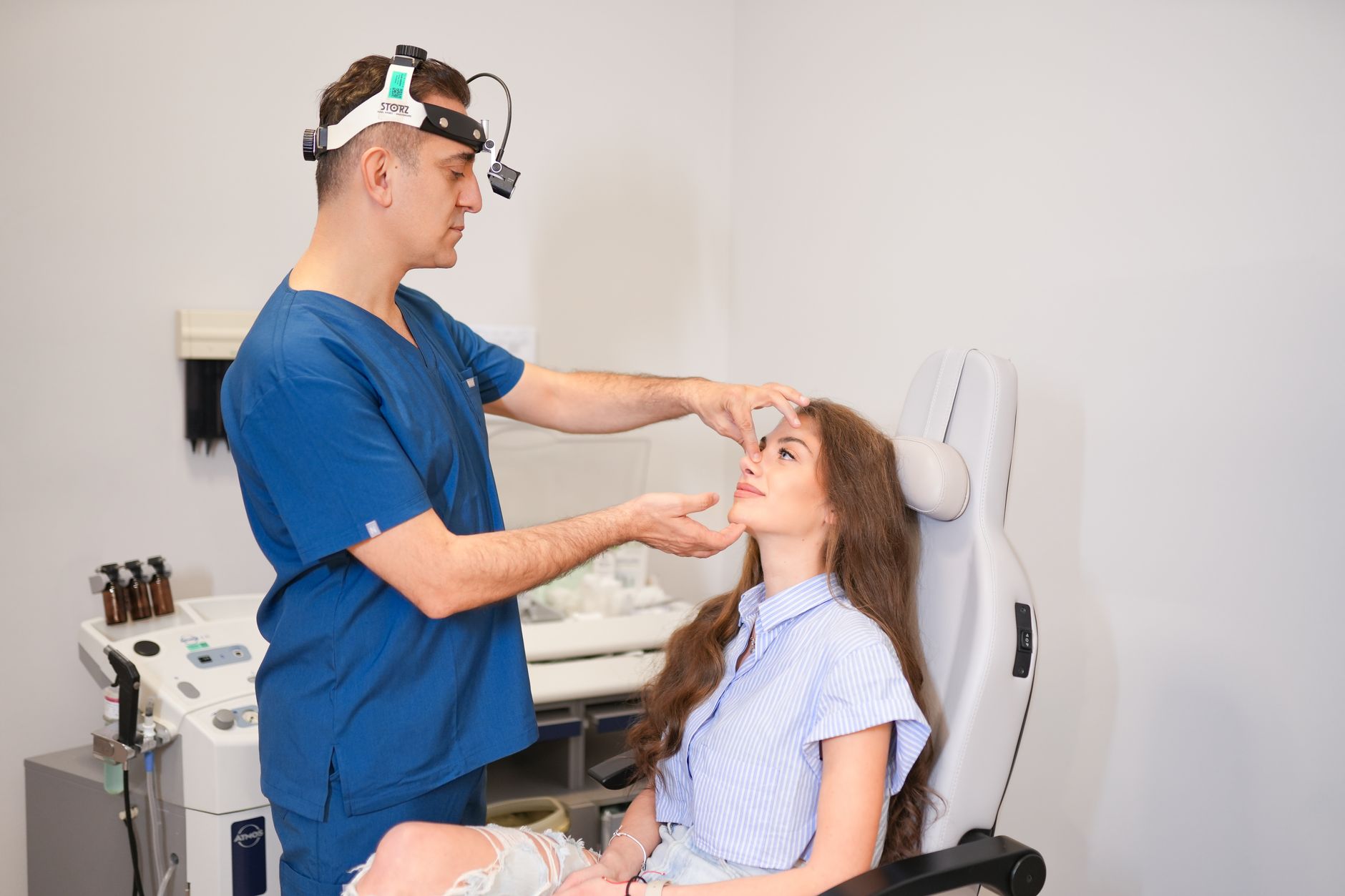
Planning your ENT treatment in Türkiye involves several well-defined steps. Most international patients start by contacting a clinic or a medical tourism facilitator with their medical history and recent reports. The clinic's international team will review your case and provide a preliminary treatment plan and cost estimate, usually within a few days.
Once you decide to proceed, the clinic will schedule your surgery and send a formal invitation letter for visa purposes if needed. You'll be advised on pre-operative preparations, such as stopping certain medications and arranging blood tests. Many clinics offer video consultations with the surgeon before you travel, so you can ask questions and understand what to expect.
Upon arrival in Türkiye, you'll have a face-to-face consultation and any necessary pre-operative scans. After surgery, you'll receive post-operative care and a follow-up appointment before you fly home. The entire process is typically streamlined to minimise your stay while ensuring safety and quality.
Pre-Operative Scans and Assessments
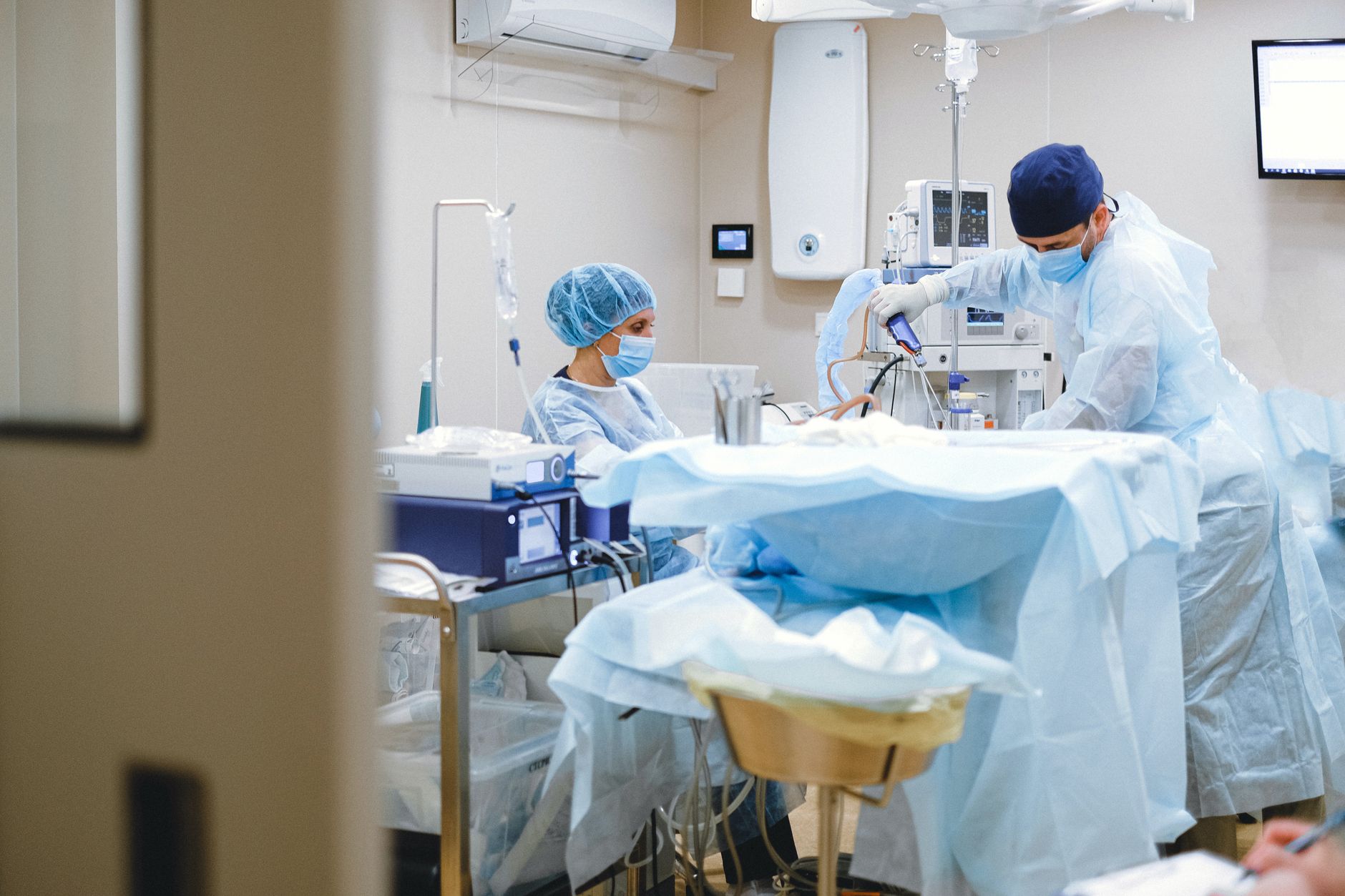
Before any ENT surgery, thorough diagnostic evaluation is essential. In Türkiye, you can expect a comprehensive workup that may include:
- Nasal endoscopy: A thin, flexible tube with a camera examines the nasal passages and sinuses.
- CT scan of the sinuses: Provides detailed images of sinus anatomy and identifies polyps or infection.
- MRI: Used for complex cases, such as tumours or cochlear implant planning.
- Audiometry and tympanometry: Assess hearing and middle ear function.
- Allergy testing: Skin prick or blood tests to identify allergens.
- Blood tests and ECG: Routine pre-operative screening.
These tests are usually completed within a day or two, thanks to efficient scheduling. Results are reviewed by your surgeon, who will discuss the findings and finalise the surgical plan. If you have existing scans from your home country, bring them along to avoid duplication.
Surgery: Day-Case or Short-Stay Options
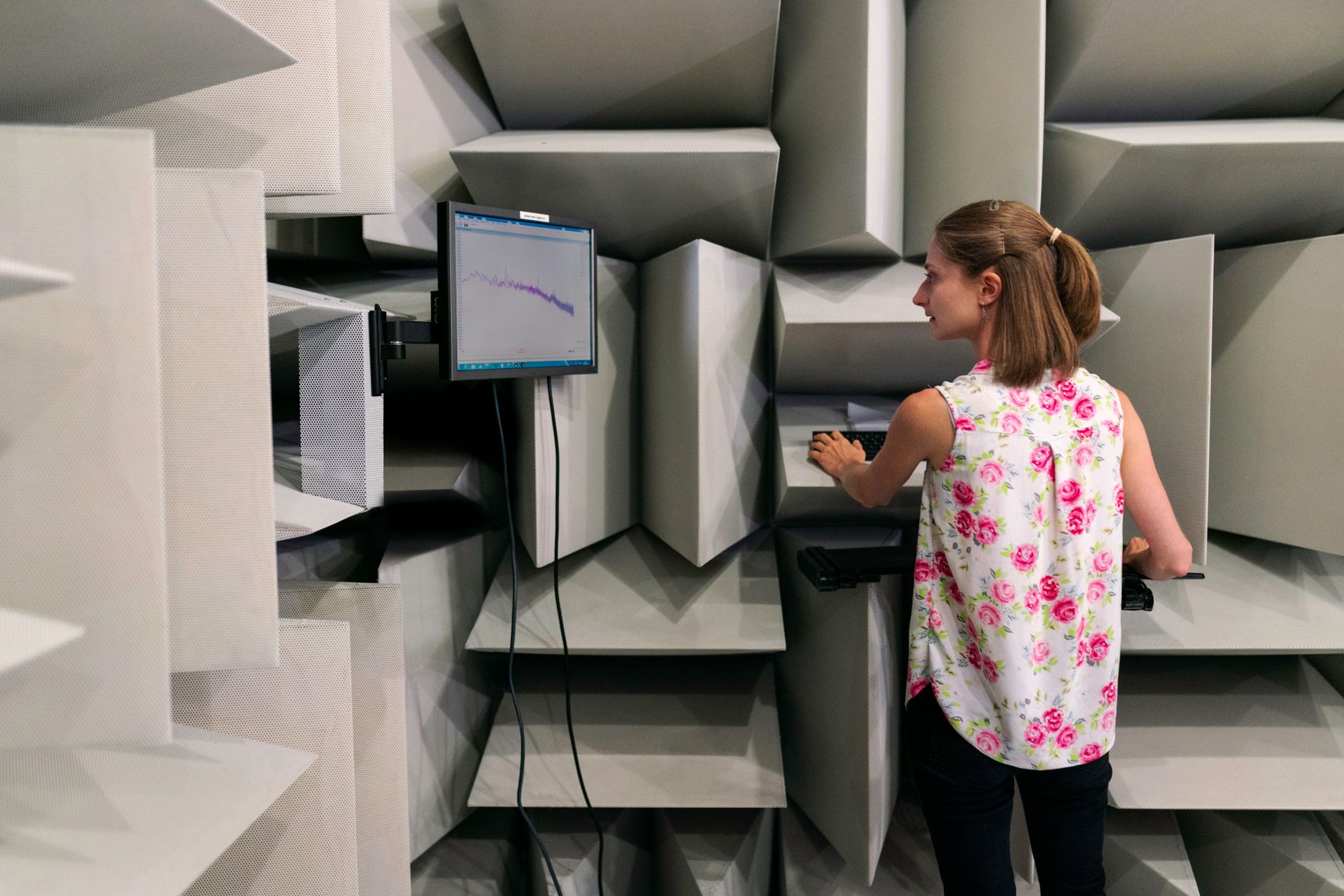
Many ENT procedures in Türkiye are performed as day-case surgeries, meaning you can go home the same day. For example, septoplasty and tonsillectomy are often done on an outpatient basis, though some patients may stay overnight for observation. Endoscopic sinus surgery may require a short stay of one to two nights, depending on the extent of surgery.
Cochlear implant surgery typically involves a one-night stay, while more complex procedures like thyroidectomy or parotidectomy may require two to three nights. Turkish hospitals are well-equipped with modern operating theatres, recovery rooms and comfortable inpatient units. Nursing care is attentive, with staff trained to manage post-operative pain, monitor vital signs and assist with mobility.
Anaesthesia is administered by experienced anaesthesiologists, and you'll be continuously monitored during and after surgery. The use of minimally invasive techniques helps reduce discomfort and speeds up recovery, allowing you to return to normal activities sooner.
Post-Operative Checks and Fit-to-Fly Advice
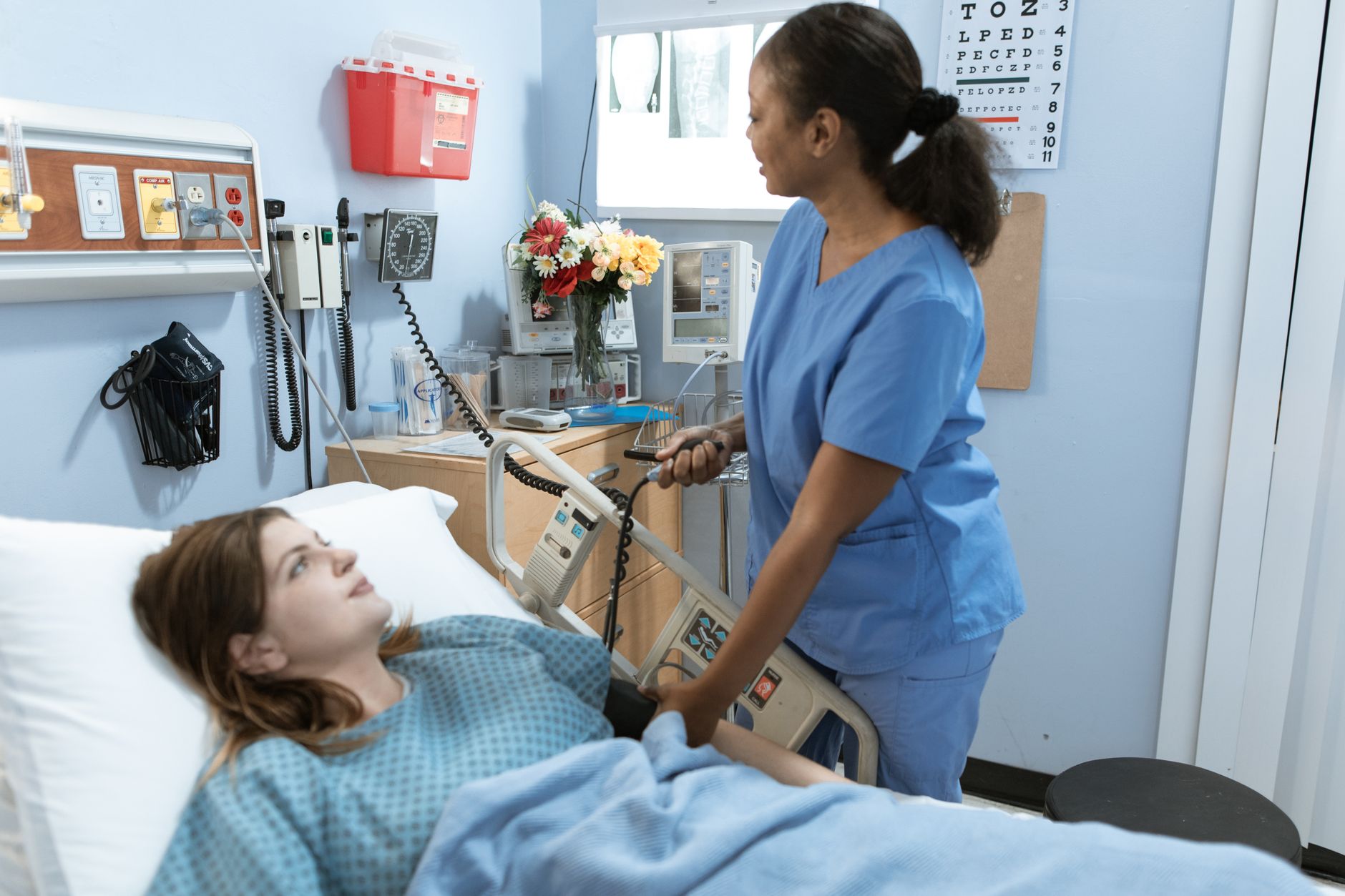
After surgery, you'll have a follow-up appointment with your surgeon, usually within 5 to 7 days. This check-up ensures proper healing and addresses any concerns. For nasal surgery, the surgeon may remove splints or packing and provide instructions on nasal irrigation and medications.
Flying after ENT surgery requires careful consideration. For most procedures, it is advisable to wait at least 7 to 10 days before air travel to reduce the risk of bleeding or pressure-related complications. Your surgeon will give you a fit-to-fly certificate when it is safe to travel. For sinus surgery, pressurised cabins can cause discomfort, so using saline sprays and avoiding heavy lifting is recommended.
Turkish clinics provide detailed aftercare instructions and a discharge summary for your local doctor. They also offer telemedicine follow-ups for patients who return home, ensuring continuity of care. If you experience any unusual symptoms after returning home, you can contact the clinic's international patient line for advice.
Choosing the Right ENT Clinic in Türkiye
With many clinics offering ENT services, selecting the right one is crucial. Look for clinics with:
- Accreditation such as JCI or ISO.
- Surgeons who are board-certified and have experience with international patients.
- Modern diagnostic and surgical equipment.
- English-speaking staff or interpreter services.
- Transparent pricing and no hidden fees.
- Positive patient testimonials and before-and-after results.
It's also wise to check if the clinic has a dedicated international patient department that can assist with travel logistics, accommodation and visa support. Some clinics offer package deals that include airport transfers, hotel stays and translation services, making your journey hassle-free.
Don't hesitate to ask questions about the surgeon's experience, success rates and what to expect during recovery. A reputable clinic will be happy to provide detailed information and connect you with former patients if requested.
Planning Your Trip: Logistics and Accommodation
Most international patients fly into Istanbul, Ankara or Izmir, where major ENT clinics are located. Istanbul Airport and Sabiha Gökçen Airport are well-connected to global destinations, and clinics often arrange airport pickups. Accommodation options range from budget hotels to luxury suites near hospitals, many with special medical-tourism rates.
It's advisable to arrive a few days before your scheduled surgery to complete pre-operative tests and consult with your surgeon. Plan to stay in Türkiye for at least 10 to 14 days for most ENT procedures, including surgery and follow-up. If you're travelling with a companion, ensure your accommodation can accommodate two people comfortably.
Check visa requirements for your nationality; many countries have visa-free access or e-visa options for Türkiye. Your clinic can provide an invitation letter to support your visa application. Also, inform your bank about your travel to avoid card issues, and consider travel insurance that covers medical procedures.
Safety, Quality and Patient Rights
Turkish healthcare is regulated by the Ministry of Health, which sets strict standards for hospital hygiene, equipment and staff qualifications. Many private hospitals have international accreditation, ensuring adherence to global best practices. Patient rights are protected by law, including the right to informed consent, privacy and access to medical records.
Before surgery, you'll receive a detailed consent form outlining the procedure, risks and benefits. Interpreters are available to ensure you fully understand the information. If you have any doubts, ask for clarification—Turkish medical staff are known for their patience and willingness to explain.
Post-operative complications are rare but can happen. Turkish clinics have protocols in place to manage emergencies, and many have intensive care units. It's reassuring to know that you're in good hands with skilled professionals who prioritise your safety.
Cost Considerations and Value
ENT surgery in Türkiye is significantly more affordable than in Western Europe or North America, often 50-70% lower, without compromising quality. For example, endoscopic sinus surgery might cost between $2,500 and $4,000, septoplasty around $2,000-$3,500, and cochlear implants $20,000-$30,000, depending on the device. These prices usually include hospital fees, surgeon fees, anaesthesia, standard implants and follow-up visits.
It's important to get a detailed quote that specifies what is included and what is not (e.g., medications, additional nights, complications). Some clinics offer all-inclusive packages that cover accommodation and transfers, simplifying budgeting. While cost is a factor, don't compromise on quality—choose a clinic based on credentials and outcomes, not just price.
Conclusion: Expert ENT Care with Turkish Hospitality
Türkiye offers a compelling combination of skilled ENT specialists, modern facilities and patient-friendly services. From the initial enquiry to post-operative follow-up, the journey is designed to be smooth and stress-free. Whether you're seeking relief from chronic sinusitis, hearing restoration through cochlear implants, or balance assessment for dizziness, Turkish ENT centres provide expert care with a personal touch.
By understanding the practical steps—pre-operative scans, surgery options, post-operative checks and fit-to-fly advice—you can plan your medical travel with confidence. With its rich culture, warm hospitality and high standards of healthcare, Türkiye is an excellent choice for your ENT needs.
Thinking about treatment in Turkey?
Send us a question about this site or about the information published on it. This is a publisher's mailbox, not a medical service and not a route to a particular provider — for clinical questions, contact your own doctor.