

Why Türkiye for Neurology and Brain Health Screening?
Türkiye has emerged as a leading destination for medical travellers seeking neurological assessments, particularly for those with concerns about headaches, memory changes, or movement disorders. The country's neurology departments are equipped with cutting-edge imaging technology, including 3T and 7T MRI scanners, high-resolution EEG systems, and PET-CT for advanced brain metabolism studies. These facilities are staffed by specialists trained in Europe and the United States, many of whom are members of international neurological societies.
What sets Türkiye apart is the speed of access. While patients in many countries wait weeks or months for an MRI or a neurologist consultation, Turkish hospitals and imaging centres often bundle consultations, imaging, and EEG into a single short visit—sometimes within 48 to 72 hours. This efficiency is especially valuable for travellers who cannot afford lengthy disruptions to their lives. Moreover, the cost of these services is significantly lower than in Western Europe or North America, without compromising quality. Accredited hospitals in Istanbul, Ankara, and Izmir hold JCI certifications, ensuring rigorous safety and quality standards.
Another advantage is the integrative approach: neurologists work closely with neuroradiologists, neurophysiologists, and other specialists to provide a holistic evaluation. For patients with complex or ambiguous symptoms, this multidisciplinary collaboration can lead to faster and more accurate diagnoses. Additionally, many centres offer English-speaking staff and international patient coordinators who assist with scheduling, translation, and logistical support, making the experience reassuring for foreign visitors.
Choosing the Right Hospital and Neurology Department
Türkiye boasts numerous hospitals with dedicated neurology departments. In Istanbul, institutions such as Acıbadem Healthcare Group, Memorial Şişli Hospital, and Koç University Hospital are renowned for their neurological services. Ankara offers Hacettepe University Hospitals and Güven Hospital, while Izmir has Ege University Hospital and Kent Hospital. When selecting a facility, consider factors such as accreditation (JCI, ISO), the availability of specific diagnostic equipment (e.g., 3T MRI for detailed brain imaging), and the expertise of the neurologists—look for specialists with fellowship training abroad or active participation in international research.
It's also wise to check whether the hospital has a dedicated international patient department that can help coordinate appointments and provide language support. Some hospitals offer telemedicine pre-consultations, allowing you to discuss your case with a neurologist before travelling. This can help determine the appropriate tests and streamline your visit. Additionally, consider the location and accessibility of the hospital; Istanbul's major medical hubs are well-connected by public transport and often have nearby accommodation options.
Reading patient testimonials and outcomes can provide insight into the quality of care. Platforms like Google Reviews, international patient forums, and the hospital's own website can offer valuable information. However, be cautious of overly promotional claims; focus on factual data such as success rates for specific procedures, infection rates, and patient satisfaction scores. Finally, ensure that the hospital's neurologists specialise in your area of concern—whether that's headache medicine, cognitive disorders, or movement disorders—as subspecialty expertise can significantly impact diagnostic accuracy and treatment recommendations.
Which Records to Bring for a Neurology Consultation
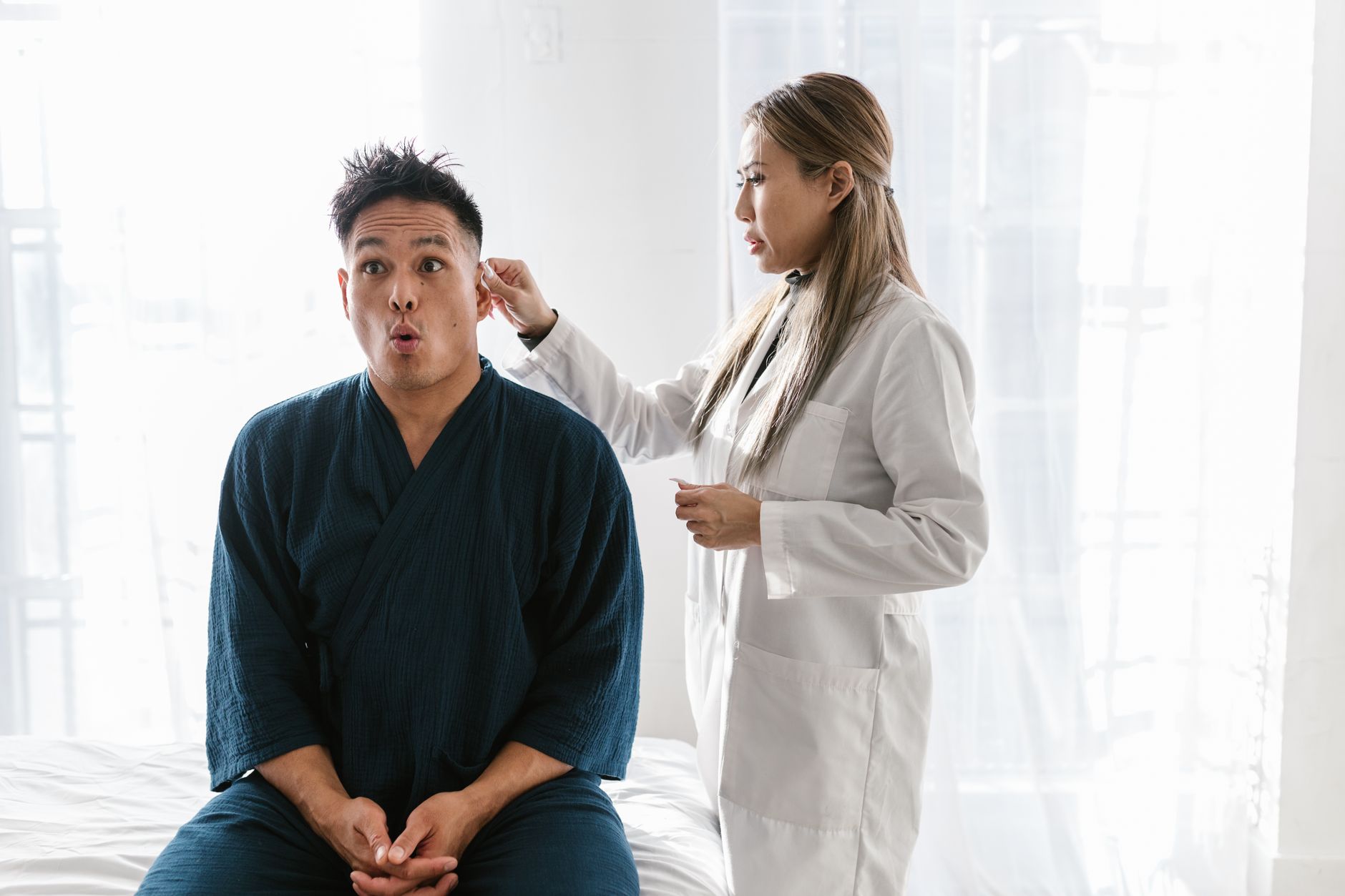
To make the most of your neurology consultation in Türkiye, thorough preparation is essential. Bring all relevant medical records, including a detailed medical history, previous imaging studies (MRI, CT, PET scans) on CD or DVD in DICOM format, and any previous EEG or EMG reports. If you have had blood tests related to neurological conditions (e.g., vitamin B12, thyroid function, autoimmune markers), include those results. A timeline of your symptoms—when they started, how they have changed, and any triggers—is invaluable for the neurologist. For memory concerns, it can be helpful to bring a diary of cognitive changes or input from a family member.
Also, prepare a list of all medications you are currently taking, including dosages and frequencies, as well as any allergies. If you have a family history of neurological disorders, document it. If you have seen other specialists (e.g., psychiatrists, rheumatologists) for related symptoms, include their notes. For patients with movement disorders, a video recording of the symptoms can be extremely useful, as symptoms may not be present during the consultation. Be sure to bring your passport and visa documents, as well as insurance information if applicable.
It's advisable to have these records translated into English or Turkish if they are in another language. Many hospitals can arrange professional translation services for a fee, but doing this in advance can save time. Organise your records in a folder or digital file with clear labels, and bring both physical and digital copies. This preparation not only facilitates a smoother consultation but also ensures that the neurologist has a complete picture, leading to more accurate diagnosis and personalised recommendations.
How MRI and EEG Appointments Are Bundled into a Short Visit
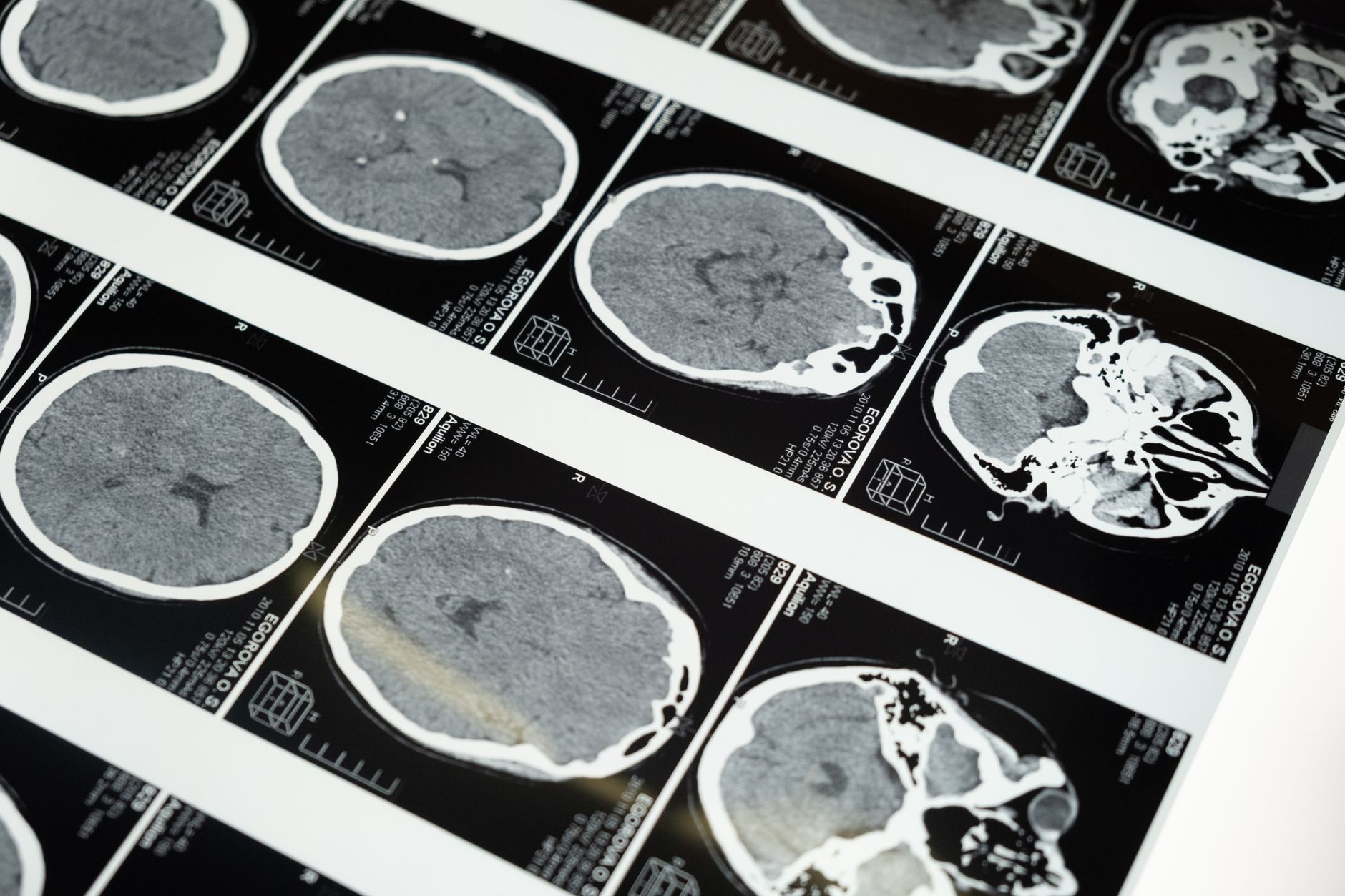
One of the key advantages of seeking neurology care in Türkiye is the efficiency of scheduling. Many hospitals offer bundled packages for international patients that include a neurology consultation, MRI, and EEG within a short timeframe—often within two to three days. Typically, upon arrival, you will have an initial consultation with a neurologist who will review your medical history and determine the appropriate tests. Imaging and EEG appointments are then scheduled, sometimes on the same day or the next. Results are usually available within 24 to 48 hours, and a follow-up consultation is arranged to discuss findings and plan any further steps.
To ensure a smooth experience, it's important to communicate your availability and any constraints when booking. The international patient coordinator can help arrange a schedule that minimises waiting and maximises convenience. For MRI, be aware that certain implants or metal in the body may be contraindications; inform the staff in advance. For EEG, you may be asked to come with clean, dry hair and to avoid caffeine beforehand. Some centres offer sleep-deprived EEG for specific conditions, so clarify instructions.
The bundled approach not only saves time but also reduces the stress of navigating multiple appointments. It allows for a comprehensive evaluation in a single trip, which is particularly beneficial for those travelling from abroad. Additionally, having all tests and consultations under one roof facilitates communication between specialists and ensures that no detail is overlooked. After your visit, you will receive a detailed report summarising the findings, diagnosis, and treatment recommendations, which you can share with your home doctor.
How Neurologists Share Results with Your Home Doctor
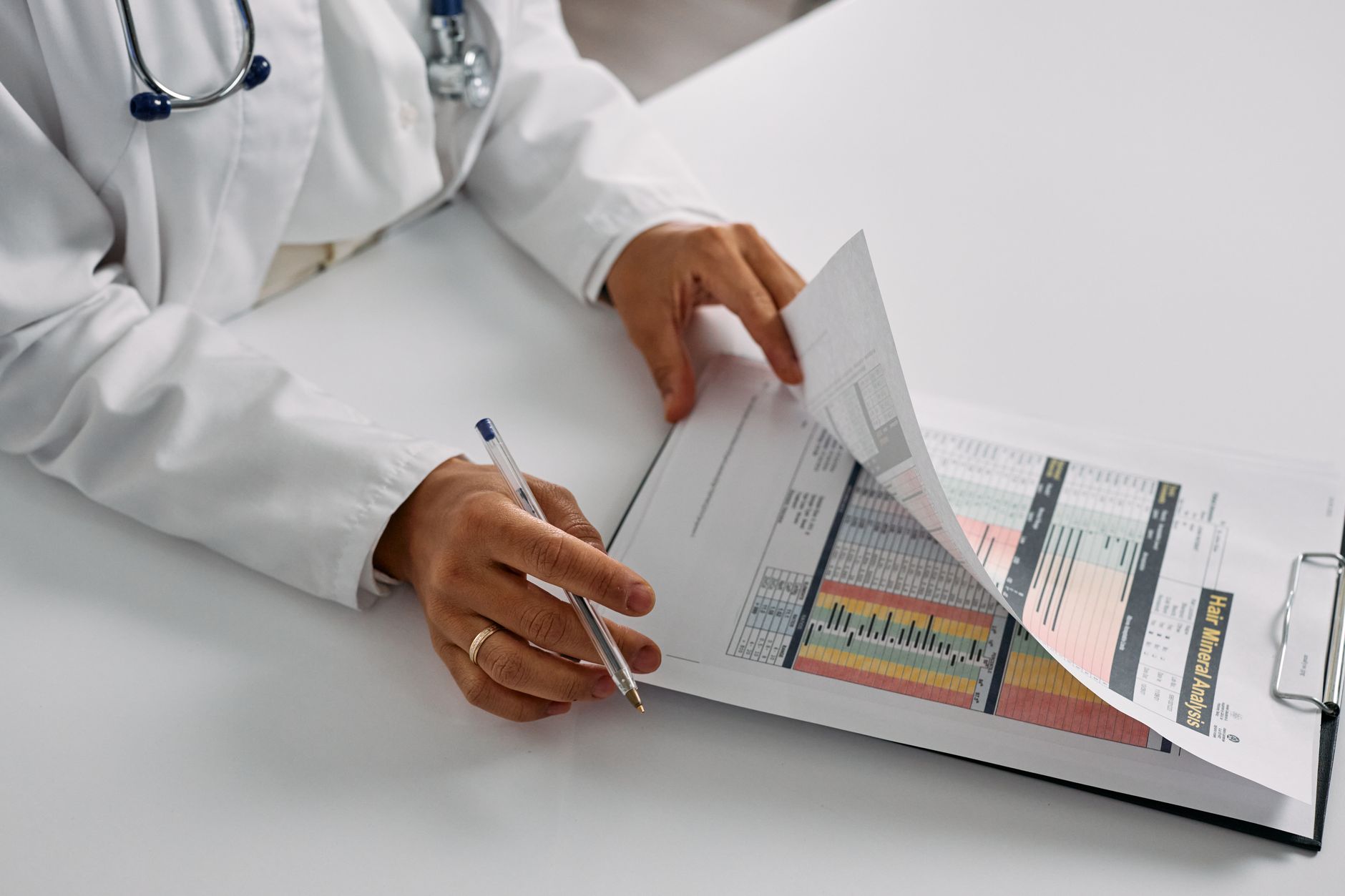
Continuity of care is a priority for Turkish neurology departments. After your evaluation, the neurologist will prepare a comprehensive medical report in English (or your preferred language) that includes your history, examination findings, test results, diagnosis, and treatment plan. This report can be sent directly to your home doctor via secure email or provided to you on a USB drive or printed copy. Many hospitals also offer a telemedicine follow-up to discuss the findings with you and your local physician, ensuring that your home care team is fully informed.
It's helpful to provide the hospital with your home doctor's contact details at the beginning of your visit so that reports can be shared promptly. If your home doctor has specific questions or needs additional information, the international department can facilitate a direct consultation between the specialists. This collaborative approach ensures that any recommendations are seamlessly integrated into your ongoing care. Additionally, you will receive instructions for any follow-up tests or lifestyle modifications, and the hospital can help coordinate these with your local providers.
For patients who require ongoing management, such as those with chronic neurological conditions, the Turkish neurologist may suggest a schedule for remote follow-ups or recommend local specialists. They can also provide guidance on medication adjustments and monitoring. The goal is to empower you and your home doctor with clear, actionable information, so you can continue your care with confidence. Many patients appreciate the detailed documentation and the willingness of Turkish specialists to collaborate with international colleagues.
Practical Tips for a Smooth Medical Journey
Planning your medical travel to Türkiye involves several logistical considerations. Firstly, check visa requirements for your nationality; many countries have visa-free access or e-visa options for short stays. Ensure your passport is valid for at least six months beyond your travel dates. Book accommodation near the hospital to minimise travel time, and consider staying a few extra days for rest and any follow-up appointments. Travel insurance that covers medical expenses is recommended, although many hospitals require upfront payment for international patients and may not bill insurance directly.
Regarding payments, most hospitals accept credit cards, bank transfers, and cash in major currencies. It's advisable to get a detailed cost estimate before travelling and to confirm what is included in any package. Keep all receipts for reimbursement claims. Language is generally not a barrier in international hospitals, but learning a few basic Turkish phrases can enhance your experience. The local currency is the Turkish lira, but euros and US dollars are widely accepted in medical facilities.
Finally, allow time for rest and recovery, especially if you undergo extensive testing. Istanbul and other cities offer a wealth of cultural and culinary experiences, but your health should remain the priority. Follow any pre-test instructions carefully, such as fasting for certain scans. Stay hydrated and get plenty of sleep to ensure accurate test results. With careful planning, your medical journey to Türkiye can be both productive and comfortable, providing you with the clarity and reassurance you seek about your brain health.
Thinking about treatment in Turkey?
Send us a question about this site or about the information published on it. This is a publisher's mailbox, not a medical service and not a route to a particular provider — for clinical questions, contact your own doctor.