

Why Türkiye Is a Global Hub for Urology Care
Türkiye has quietly become one of the world's most trusted destinations for urological treatment, and the numbers tell the story. Each year, hundreds of thousands of international patients travel to cities like Istanbul, Ankara, Izmir and Antalya for procedures ranging from simple kidney stone removal to complex robotic prostate surgery. For patients facing long waiting lists, limited local technology or high out-of-pocket costs at home, Türkiye offers a rare combination: advanced medical infrastructure, internationally trained specialists and genuinely fast access to care.
Urology is one of the strongest specialties in the Turkish health system. The country's major hospitals are equipped with the latest generation of laser lithotripsy platforms, robotic surgical systems and high-resolution imaging suites. Many Turkish urologists completed part of their training or fellowships in Europe or North America and are fluent in English, and hospitals routinely employ multilingual patient coordinators who manage everything from airport pickup to post-operative follow-up.
What makes Türkiye particularly attractive is volume. Because Turkish urology departments treat such a high number of both local and international patients, their teams are deeply experienced. High surgical volume is consistently linked to better outcomes, shorter operating times and lower complication rates—especially in stone disease and prostate surgery. For a medical traveler, this means your procedure is not a rare event for the team; it is part of their daily routine.
Fast Appointments and Same-Week Treatment Access
One of the first things international patients notice about Türkiye is speed. In many countries, seeing a urologist can take weeks, and scheduling a procedure can take months. In Türkiye's private and university-affiliated hospitals, international patients can often secure a consultation within 24 to 72 hours of sending their medical records, and many are able to complete their diagnostic workup and undergo treatment within the same week of arrival.
This fast-track process is made possible by dedicated international patient departments. These teams review uploaded imaging (CT, ultrasound, X-ray), laboratory results and prior medical reports before you travel, so that your first in-person appointment is focused on confirming the plan rather than starting from zero. If you are flying in with a symptomatic kidney stone or an urgent prostate issue, this efficiency can make a real difference in comfort and peace of mind.
Same-week treatment does not mean rushed treatment. It means the administrative and diagnostic steps are compressed, while the medical decision-making remains thorough. Many hospitals offer combined appointments where you meet the urologist, complete any missing imaging and speak with an anesthesiologist and a coordinator all within one or two days, allowing surgery to be scheduled almost immediately afterward.
For many international patients, the journey from first email to completed kidney stone procedure takes less than ten days—something that is practically unheard of in many public health systems.
Modern Kidney Stone Treatment: Laser Lithotripsy and Beyond
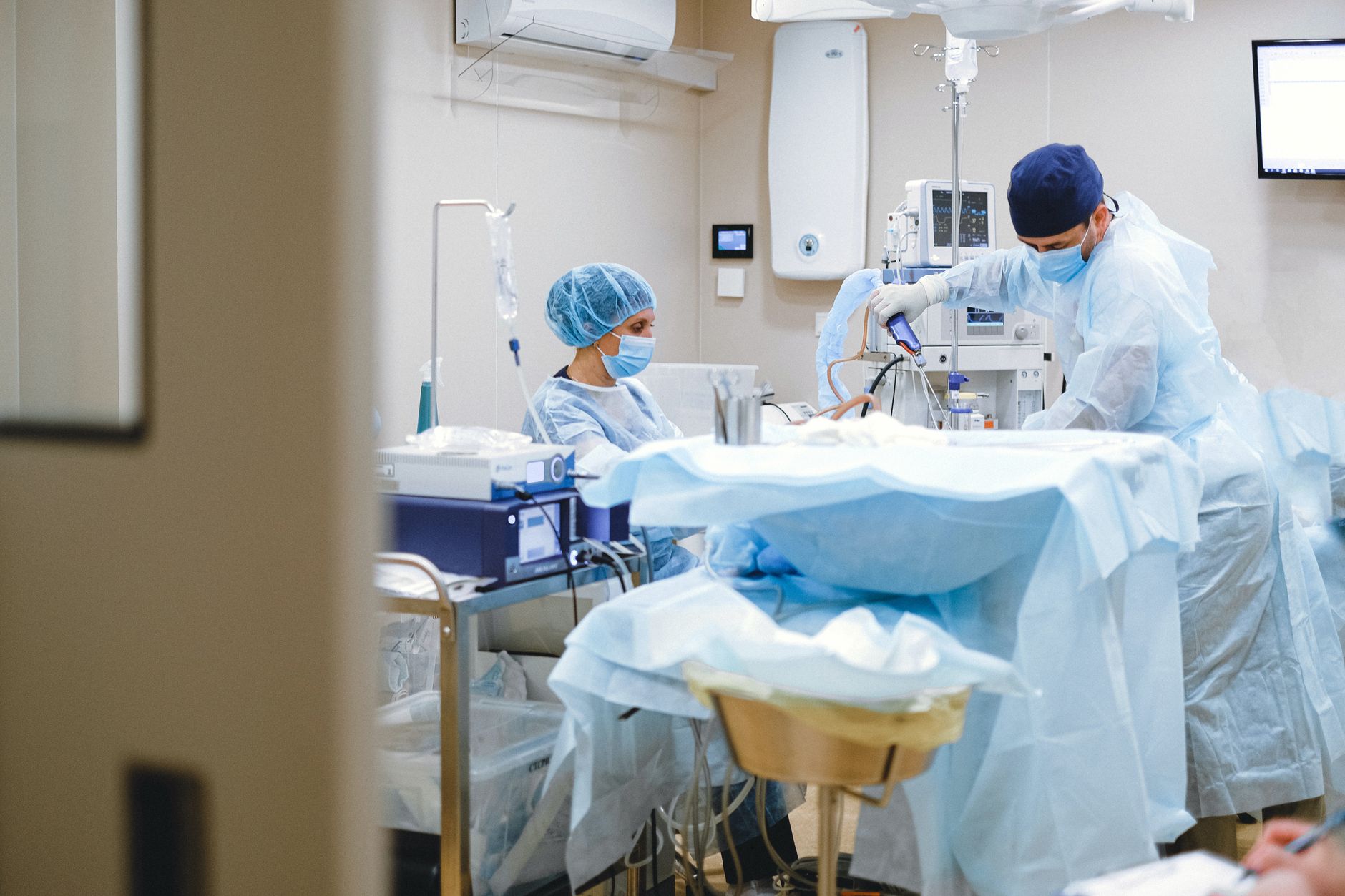
Kidney stones are the single most common reason international patients seek urological care in Türkiye. Turkish hospitals offer the full spectrum of modern stone management: extracorporeal shock wave lithotripsy (ESWL), ureteroscopy (URS), retrograde intrarenal surgery (RIRS) with flexible ureteroscopes, and percutaneous nephrolithotomy (PCNL) for large or complex stones. The common thread is minimally invasive technique and laser technology.
Laser lithotripsy—using Holmium or Thulium fiber lasers—has transformed stone treatment. Instead of open surgery, a thin flexible scope is passed through natural urinary passages to reach the stone, which is then fragmented with laser energy and either removed or left as fine dust that passes naturally. There is no incision, blood loss is minimal, and most patients are discharged within 24 hours. For stones that would previously have required open surgery, modern laser systems can often complete the job in under an hour.
Turkish urology centres were early adopters of high-power laser platforms and disposable digital scopes, which improve both safety and stone-free rates. Many hospitals also use low-dose CT and ultrasound to plan the exact access route, reducing radiation exposure and improving precision. If you have been told your stone is "too large" or "too complicated" for minimally invasive treatment, a Turkish stone centre may still offer a endoscopic solution.
Recovery from laser stone treatment is typically short. Most patients walk within hours, return to normal eating the same day and can fly home within three to five days, depending on the procedure and their overall health. A ureteral stent may be placed temporarily and removed later, sometimes after you return home, with clear instructions provided by your Turkish team.
Robotic and Minimally Invasive Prostate Surgery
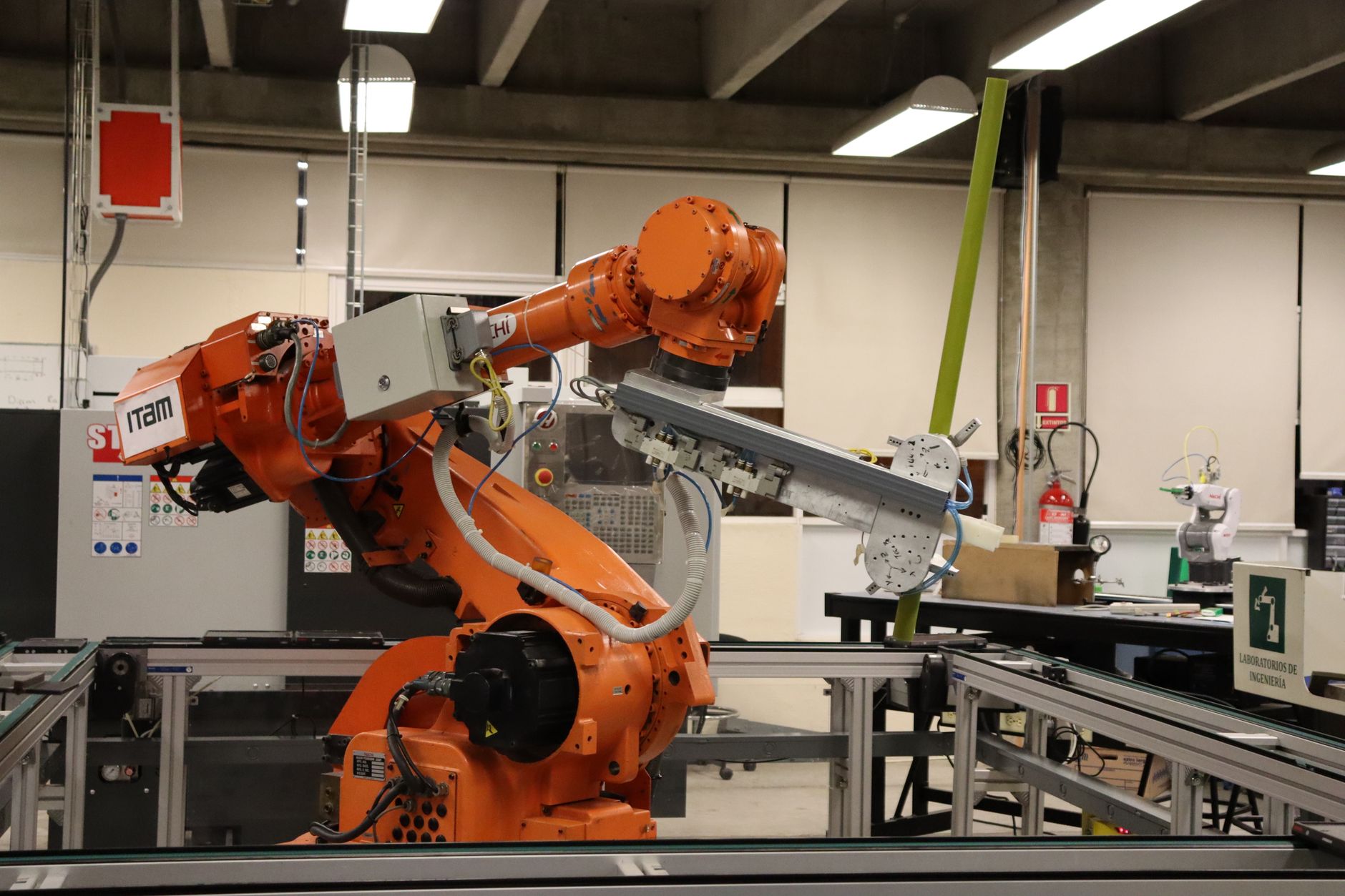
Prostate surgery is the other major draw for international patients. Turkish hospitals are equipped with da Vinci and other robotic surgical systems, and many urologists perform hundreds of robotic radical prostatectomies each year. Robotic-assisted surgery offers magnified 3D vision, precise instrument control and smaller incisions, which translates into less pain, less blood loss and faster recovery compared with traditional open prostatectomy.
For benign prostate enlargement (BPH), Turkish clinics offer a full menu of minimally invasive options: holmium laser enucleation of the prostate (HoLEP), greenlight laser vaporization, bipolar TURP and newer techniques such as Rezum or Urolift where appropriate. These procedures typically require only a short hospital stay, and most patients notice significant improvement in urinary flow within days to weeks.
Prostate cancer care in Türkiye is multidisciplinary. Urologists, medical oncologists, radiation oncologists and pathologists review cases together, and patients can often choose between robotic surgery, focal therapy, brachytherapy or radiation based on their stage and preferences. For international patients, this means access to a full range of options rather than being steered toward a single treatment because of local equipment limits.
Recovery after robotic prostate surgery is usually faster than many patients expect. Most men are mobile the day after surgery, leave the hospital in two to three days and can resume light activities within a week or two. Catheter removal typically happens within a few days, and continence and sexual function outcomes are carefully discussed and managed with pelvic floor rehabilitation and follow-up.

The Typical Diagnostic Pathway for International Patients
The diagnostic pathway in Türkiye is structured, transparent and designed to minimize time on the ground. It usually begins before you travel. You upload your medical records—blood tests, urinalysis, imaging files (DICOM), biopsy reports and a list of medications—through a secure portal or by email. A urologist reviews them, often within one working day, and proposes a preliminary plan and cost estimate.
On arrival, you attend a consultation at the hospital. This may include a physical examination, a fresh ultrasound or non-contrast CT, blood work and, if needed, urodynamic studies or a prostate MRI. Because these tests are done in-house, results are usually available the same day or the next morning. This is a key advantage: you are not sent to multiple outside facilities over several weeks.
Once the diagnosis is confirmed, your urologist explains the recommended procedure, alternatives and expected recovery. You meet the anesthesia team, sign consent forms with a translator present if needed, and receive pre-operative instructions. Surgery is typically scheduled within 24 to 72 hours. After the procedure, you receive a written discharge summary, medication plan and a scheduled follow-up, which can often be conducted by video call once you are home.
This entire sequence—consultation, diagnostics, surgery and initial recovery—often fits into a single trip of seven to ten days. For patients with flexible travel plans, it can be even shorter. The emphasis throughout is on clarity: you know what is happening, why it is happening and what it will cost before you commit.
Recovery Times and What to Expect After Treatment
Recovery timelines in Türkiye are generally in line with—or faster than—international standards, thanks to minimally invasive techniques and early mobilization protocols. After flexible ureteroscopy or laser lithotripsy for kidney stones, most patients are discharged within 24 hours and can return to desk work within a few days. Strenuous activity is usually restricted for one to two weeks, and flying is typically permitted after three to five days with a clearance letter.
For PCNL, which is used for larger stones, hospital stays are longer—usually two to four days—and full recovery takes two to three weeks. Robotic prostatectomy patients generally stay two to three days and can expect to resume light activity in one to two weeks, with full recovery over four to six weeks. HoLEP and laser BPH procedures often allow discharge within one to two days and a return to normal routines within a week.
Turkish hospitals provide detailed post-operative instructions in English and often in other languages. You will receive emergency contact numbers, a medication schedule and guidance on diet, hydration and warning signs. Many international departments also arrange follow-up imaging or lab tests in your home country and review the results remotely, so continuity of care is not lost when you leave.
Experience, Technology and Value: Why Turkish Urologists Stand Out
Turkish urologists treat an exceptionally high volume of patients, both local and international. This volume builds deep technical skill and pattern recognition. A surgeon who performs several hundred laser stone procedures or robotic prostatectomies a year is more likely to handle unexpected findings calmly and to complete the operation efficiently. For patients, that experience translates directly into safety and predictability.
Technology is another differentiator. Turkish urology departments invest continuously in new lasers, scopes, robotic platforms and imaging. Because hospitals compete for international patients, they prioritize equipment that reduces recovery time and improves outcomes. Many also participate in international clinical trials and adhere to European Association of Urology (EAU) and American Urological Association (AUA) guidelines, so the standard of care is familiar to patients from Europe, the Middle East, North Africa and beyond.
Value is the final piece. Even after flights and accommodation, treatment in Türkiye often costs significantly less than in Western Europe or North America, without compromising on technology or expertise. Transparent package pricing—covering surgery, hospital stay, medications, transfers and interpreting—makes budgeting straightforward.
For anyone facing a kidney stone, an enlarged prostate or a prostate cancer diagnosis, Türkiye offers a practical, high-quality and surprisingly fast path to treatment. With same-week appointments, advanced laser and robotic technology, and urologists who treat international patients every day, it is a destination that deserves serious consideration.
Thinking about treatment in Turkey?
Send us a question about this site or about the information published on it. This is a publisher's mailbox, not a medical service and not a route to a particular provider — for clinical questions, contact your own doctor.