

Why Türkiye Feels Like Home for Patients from Central Asia and the Caucasus
For travellers from Azerbaijan, Kazakhstan, Kyrgyzstan, Uzbekistan, Turkmenistan, Georgia, and the wider Caucasus, a medical trip to Türkiye is more than a journey to a hospital — it is a return to a cultural neighbourhood. From the moment you land in Istanbul, you will hear languages and encounter traditions that resonate with your own. Turkish and the Turkic languages of Central Asia share deep roots, and many clinics in Istanbul and Ankara now employ translators and patient coordinators who speak Azerbaijani, Kazakh, Uzbek, and Kyrgyz. This means you can discuss your symptoms, ask about risks, and understand your aftercare in a language close to your heart.
Türkiye’s hospitals are not just linguistically welcoming; they are world-class. The country has become a global hub for medical tourism, with dozens of JCI-accredited (Joint Commission International) hospitals and clinics that meet rigorous international standards. Whether you are considering cardiac surgery, orthopaedics, oncology treatment, or aesthetic procedures, you will find advanced technology, highly trained specialists, and a patient-centred approach that values privacy and comfort.
In this guide, we will walk you through the practical steps of planning a medical trip from Central Asia or the Caucasus, highlight the cultural and linguistic advantages that set Türkiye apart, and explain why so many patients return home not only healthier but also feeling that they were treated as family.
Shared Language and Cultural Affinities: A Bridge to Better Care
The linguistic ties between Turkish and the Turkic languages of Central Asia are a significant advantage in medical settings. While the languages are not mutually intelligible, the shared vocabulary and grammatical structures mean that many patients find it easier to learn medical terminology and to build rapport with Turkish healthcare providers. More importantly, a growing number of clinics in Türkiye offer dedicated translation services in Azerbaijani, Kazakh, Uzbek, and Kyrgyz, and some even have staff who have studied or worked in Central Asia. This reduces the risk of miscommunication, which is critical when discussing diagnosis, treatment options, and informed consent.
Beyond language, cultural affinities play a vital role in the healing process. The hospitality culture of Türkiye — known as misafirperverlik — mirrors the deep-rooted traditions of hospitality found across Central Asia and the Caucasus. Patients often remark that they feel like honoured guests rather than anonymous clients. Clinics frequently provide halal food, prayer rooms, and family-friendly accommodation, recognising that medical travel is often a family affair. For patients from Azerbaijan, the close ties between the two countries — encapsulated in the motto “One nation, two states” — extend to the healthcare sector, with many Azerbaijani patients choosing Türkiye for its combination of proximity, quality, and cultural familiarity.
This cultural comfort is not merely a nice-to-have; it has measurable benefits. Studies show that patients who feel understood and respected are more likely to adhere to treatment plans, experience less anxiety, and report higher satisfaction. For patients travelling abroad for medical care, the stress of being in an unfamiliar environment can be significant. Türkiye mitigates this by offering a familiar cultural landscape, from the food and music to the warmth of personal interaction.
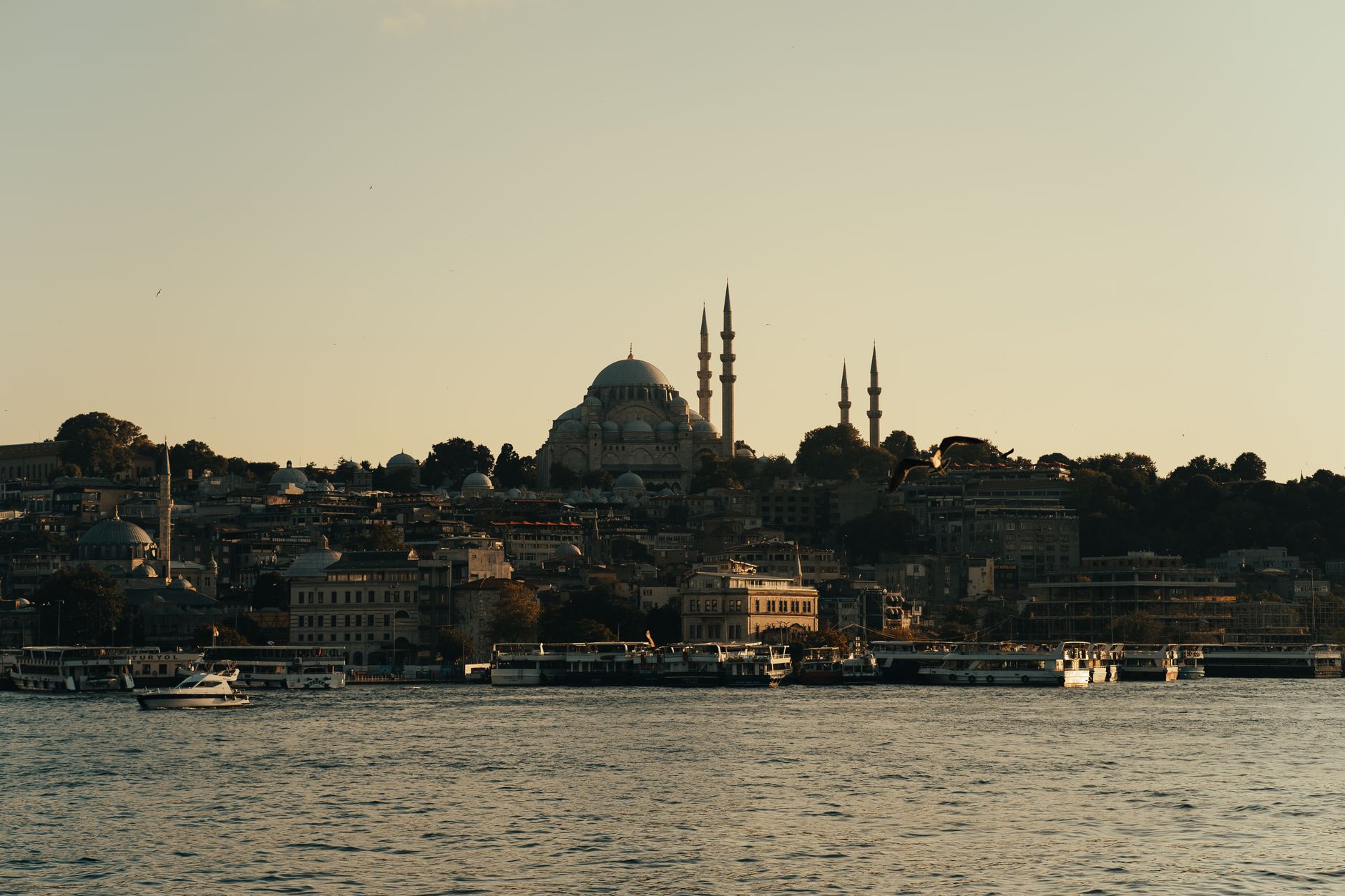
Advanced Hospitals and JCI-Accredited Clinics
Türkiye has invested heavily in its healthcare infrastructure over the past two decades. Today, it boasts some of the most modern hospitals in the region, many of which are equipped with cutting-edge diagnostic imaging, robotic surgery systems, and accredited laboratories. The presence of JCI accreditation is a testament to the quality and safety standards maintained by these institutions. JCI accreditation is an international benchmark that evaluates hospitals on patient safety, infection control, medication management, and patient rights, among other criteria. Choosing a JCI-accredited hospital gives you confidence that you are receiving care that meets global standards.
Medical tourism in Türkiye is well-regulated, and the government has established incentives for hospitals to obtain international accreditation. As a result, many private hospitals in Istanbul, Ankara, Izmir, and Antalya have dedicated international patient departments that handle everything from initial consultation to post-operative follow-up. These departments often provide services in multiple languages, arrange airport transfers, and assist with visa invitation letters. The range of specialties available is comprehensive: cardiology, cardiovascular surgery, orthopaedics, oncology, neurosurgery, organ transplantation, in vitro fertilisation (IVF), and cosmetic surgery are all areas where Turkish hospitals excel.
Quality does not come at the expense of affordability. Even with the latest technology and highly qualified specialists, the cost of treatment in Türkiye is often significantly lower than in Western Europe or North America. For patients from Central Asia and the Caucasus, this combination of high quality and reasonable cost is a major draw. Many clinics offer package prices that include consultations, surgery, hospital stay, medications, and follow-up, providing transparency and peace of mind.

Convenient Flight Routes and Coordinated Visa Assistance
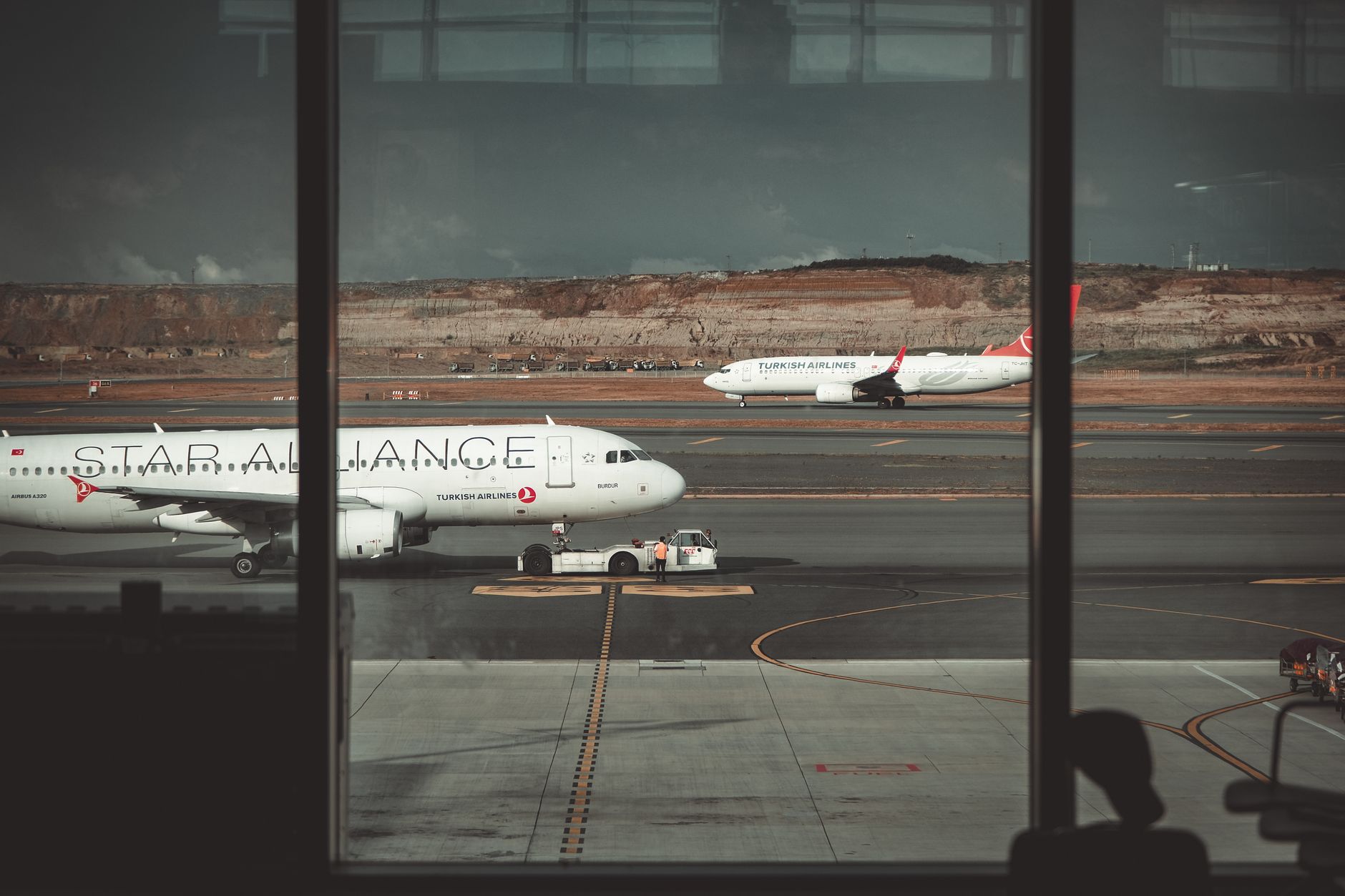
Getting to Türkiye from Central Asia and the Caucasus is easier than ever. Turkish Airlines, along with other regional carriers, operates frequent direct flights from major cities such as Baku, Tbilisi, Almaty, Astana, Tashkent, Bishkek, and Ashgabat to Istanbul and other Turkish cities. Flight times are relatively short — typically 2 to 5 hours — making it feasible to travel for treatment without enduring long-haul fatigue. Istanbul Airport, one of the world’s largest and most modern aviation hubs, offers smooth connections and a range of passenger services, including special assistance for those with reduced mobility.
Visa procedures have also been streamlined for many nationalities from the region. Citizens of Azerbaijan, Kazakhstan, Kyrgyzstan, and several other countries can enter Türkiye visa-free for short stays, while others can obtain an e-Visa online in minutes. For patients who require a visa for medical treatment, Turkish consulates offer expedited processing upon presentation of a medical invitation letter from a hospital. Many clinics provide visa support services, guiding patients through the documentation and ensuring that the process is as hassle-free as possible. This coordinated assistance is particularly valuable for patients who may be travelling with family members or caregivers.
Once in Türkiye, ground transportation is straightforward. Major hospitals often provide airport pick-up services, and Istanbul’s public transport network, including metro lines and dedicated hospital shuttles, makes it easy to reach appointments. For patients from the Caucasus, the option of travelling by land from Georgia to northeastern Türkiye is also available, although most prefer the speed and comfort of air travel.
Step-by-Step Planning: From First Inquiry to Follow-Up
Planning a medical trip can feel overwhelming, but breaking it down into clear steps can make the process manageable. Start by researching hospitals and clinics that specialise in your condition. Look for JCI accreditation, read patient testimonials, and check whether the hospital has an international patient department with language support in your preferred language. It is advisable to contact two or three hospitals to compare treatment plans, costs, and timelines. Many hospitals offer free online consultations where you can share your medical records and receive a preliminary assessment.
Once you have chosen a hospital, the international patient coordinator will guide you through the next steps. This typically includes providing a medical invitation letter for your visa application, scheduling your appointments, and arranging accommodation. You will need to gather your medical records, including recent test results, imaging scans, and a letter from your local physician. It is wise to have these documents translated into Turkish or English by a certified translator. The hospital can often recommend translation services. Before travelling, confirm the total cost, payment methods, and what is included in the package. Also, discuss your aftercare plan: how long you should stay in Türkiye after the procedure, what follow-up appointments are needed, and how you will communicate with your doctor once you return home.
On arrival, you will typically have a pre-operative consultation and any necessary tests. The hospital’s international team will help you navigate the admission process. After treatment, take advantage of the recuperation period to rest and follow your doctor’s advice. Many hospitals offer post-discharge support, including nursing care at your hotel if needed. Before you leave, ensure you have all prescriptions, medical reports, and a discharge summary in a language you understand. Schedule a follow-up teleconsultation with your surgeon for a few weeks after your return.
Practical Tips for a Comfortable and Safe Medical Journey
Travel insurance is essential, even for planned medical trips. While your treatment package may cover medical care, insurance can protect you against unexpected events such as flight cancellations, lost luggage, or complications that require extended stay. Check whether your insurance covers medical tourism and pre-existing conditions. Also, ensure your passport is valid for at least six months beyond your planned return date and carry multiple copies of your medical documents, both paper and digital.
Packing for a medical trip requires some forethought. Bring comfortable clothing, especially loose-fitting garments that are easy to put on and take off after surgery. If you are travelling with a companion, they can help with luggage and post-operative care. Consider the climate: Istanbul has mild, wet winters and warm summers, while Ankara is more continental. If you are visiting during Ramadan or other holidays, check how this might affect hospital schedules and opening hours. Many hospitals operate normally during holidays, but it is worth confirming.
Cultural etiquette is similar to what you know from home: remove your shoes when entering a home, dress modestly, and respect local customs. Turks are generally very warm and helpful, and will appreciate any effort to speak a few words of Turkish. Learning basic phrases like merhaba (hello), teşekkür ederim (thank you), and geçmiş olsun (get well soon) can go a long way. Finally, keep a list of emergency contacts, including your embassy or consulate, the hospital’s international patient line, and your insurance provider.
Beyond Treatment: Exploring Türkiye During Your Recovery
If your condition and recovery allow, take the opportunity to explore Türkiye’s rich cultural heritage. Istanbul, with its historic peninsula, is a living museum where you can visit the Hagia Sophia, the Blue Mosque, Topkapı Palace, and the Grand Bazaar. For patients from Central Asia and the Caucasus, these sites hold particular resonance: the Ottoman Empire once stretched into the Caucasus and Central Asia, and the shared Islamic heritage is evident in the architecture and traditions. A gentle walk along the Bosphorus or a visit to a traditional hamam (Turkish bath) can be a soothing experience, though always consult your doctor before engaging in any activity that might strain your recovery.
Many hospitals are located in areas with good hotels and restaurants that cater to international patients. Some clinics offer guided tours or arrange cultural activities for patients and their families. Whether you are in Istanbul, Ankara, or Antalya, you will find that hospitality is not confined to the hospital walls. The warmth of the Turkish people, the delicious cuisine, and the stunning landscapes all contribute to a sense of well-being that complements medical treatment.
Ultimately, a medical trip to Türkiye from Central Asia or the Caucasus is a journey of trust. You are placing your health in the hands of skilled professionals, but you are also reconnecting with a culture that shares your values. With careful planning, the support of dedicated international patient teams, and a spirit of openness, you can focus on what matters most: your recovery and your return to health.
Thinking about treatment in Turkey?
Send us a question about this site or about the information published on it. This is a publisher's mailbox, not a medical service and not a route to a particular provider — for clinical questions, contact your own doctor.