

Türkiye: The Natural Healthcare Hub for Central Asia and the Caucasus
For patients in Kazakhstan, Uzbekistan, Kyrgyzstan, Turkmenistan, Azerbaijan, Georgia and across the wider Turkic world, Türkiye is not a distant foreign destination — it is a neighbouring civilisation with a shared history stretching back centuries. From the Silk Road cities of Samarkand and Bukhara to the Caucasus passes of Baku and Tbilisi, the cultural, linguistic and historical threads that connect these regions to Anatolia are woven deeply into everyday life. That familiarity matters enormously when you are choosing where to entrust your health.
Turkish hospitals in Istanbul, Ankara, Antalya and Izmir have become the region's de facto referral centres for advanced cardiology, oncology, orthopaedics, IVF, bariatric surgery, organ transplantation and aesthetic procedures. Patients from Almaty, Tashkent, Bishkek, Ashgabat, Baku and Tbilisi routinely travel to Türkiye for treatments that are either unavailable or prohibitively expensive at home. The result is a mature medical tourism ecosystem where Turkic-speaking coordinators, direct flights and streamlined visas are the norm rather than the exception.
This guide walks you through the practicalities — flights, visas, language support and continuity of care — so that your medical journey to Türkiye is as smooth as the cultural ties that already bind us together.
Shared Heritage: Why Türkiye Feels Familiar to Turkic and Caucasian Patients
The Turkic world spans from the Balkans to the Great Wall, and Türkiye sits at its western anchor. Kazakh, Kyrgyz, Uzbek, Turkmen and Azerbaijani travellers often describe their first arrival in Istanbul as surprisingly emotional: the call to prayer, the tea houses, the hospitality rituals, the mutual intelligibility of Turkic languages — these are not foreign experiences. Many patients report that this sense of belonging reduces anxiety during a stressful medical trip.
Georgia and the Caucasus more broadly share a different but equally deep relationship with Türkiye. Centuries of trade, migration and cultural exchange mean that Turkish cities like Istanbul and Trabzon are familiar to Georgian and Caucasian travellers. Turkish clinic staff frequently speak Azerbaijani, Georgian or Russian, and many hospitals in Istanbul's Fatih, Şişli and Ataşehir districts have dedicated departments for patients from the Turkic republics and the Caucasus.
This cultural proximity translates into practical trust. When a patient from Baku or Tashkent hears the Azerbaijani-Turkish greeting xoş gəldiniz or the Uzbek-Turkish xush kelibsiz — both meaning "welcome" — the clinical environment instantly feels less intimidating. Hospitals have learned to leverage this: many now employ patient relations officers who are native speakers of Kazakh, Uzbek, Kyrgyz, Azerbaijani or Georgian.
Flights: Direct Connections from Central Asia and the Caucasus to Türkiye
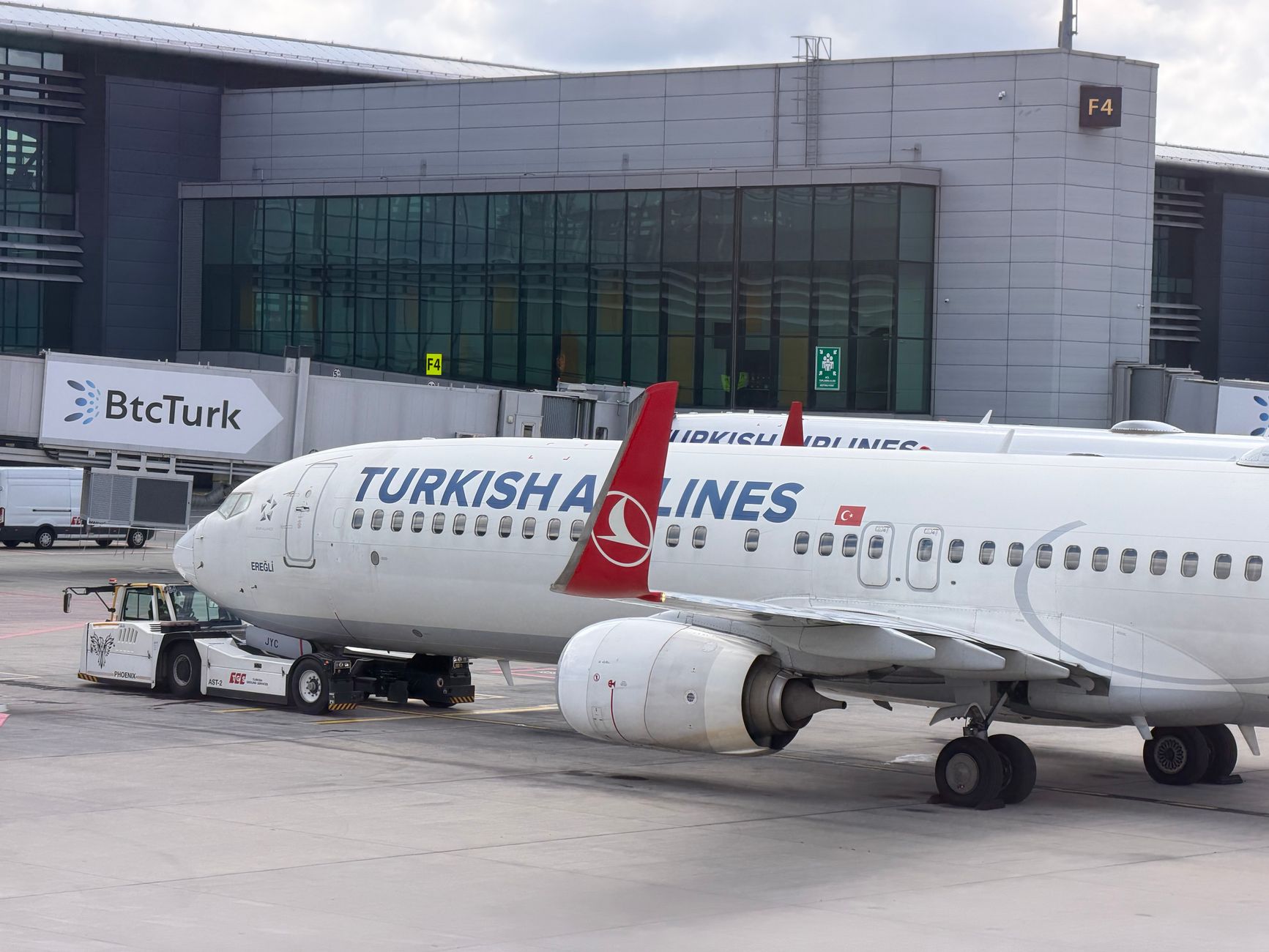
Türkiye's geographic position makes it one of the most accessible medical destinations in the world for Turkic and Caucasian patients. Turkish Airlines, together with regional carriers such as Air Astana, Uzbekistan Airways, Azerbaijan Airlines, Turkmenistan Airlines, Pegasus and AJet, operate a dense network of direct flights linking major cities to Istanbul and other Turkish hubs.
- From Kazakhstan: Direct flights from Almaty, Astana (Nur-Sultan) and Aktau to Istanbul take between 5 and 6.5 hours. Turkish Airlines, Air Astana and SCAT Airlines serve these routes several times weekly.
- From Uzbekistan: Tashkent, Samarkand and Bukhara connect to Istanbul in roughly 6 hours. Uzbekistan Airways and Turkish Airlines offer multiple weekly departures.
- From Kyrgyzstan: Bishkek to Istanbul takes about 6.5 hours, with Turkish Airlines and Pegasus operating regular services.
- From Turkmenistan: Ashgabat to Istanbul is around 5.5 hours, served by Turkmenistan Airlines and Turkish Airlines.
- From Azerbaijan: Baku to Istanbul is a short 3-hour flight, with multiple daily departures on Turkish Airlines, Azerbaijan Airlines and AJet. Baku to Ankara and Baku to Nakhchivan are also convenient.
- From Georgia: Tbilisi and Batumi to Istanbul take 2.5–3 hours, with frequent daily flights on Turkish Airlines, Pegasus and Georgian Airways.
For patients from the Caucasus, Türkiye is effectively a short domestic-style hop. From Central Asia, the flight is comparable to a domestic long-haul within the region. Istanbul Airport (IST) and Sabiha Gökçen (SAW) are the main gateways, with many hospitals offering airport transfers as part of their medical packages.

Visa Ease: Simplified Entry for Turkic and Caucasian Travellers
Türkiye has progressively eased visa requirements for many of its Turkic and Caucasian neighbours, reflecting both tourism and medical travel demand. Citizens of Azerbaijan, Kazakhstan, Kyrgyzstan, Uzbekistan, Turkmenistan, Georgia and several other countries benefit from visa-free entry, e-visa options or simplified procedures for short stays.
Holders of valid Schengen, US or UK visas may also qualify for e-visa or visa-free entry under certain conditions. For medical travellers, Turkish consulates often prioritise healthcare-related applications, and some hospitals provide invitation letters to support visa applications. It is always wise to confirm the latest rules with the nearest Turkish embassy or consulate, as policies can change.
Once in Türkiye, patients from Turkic-speaking countries often find that residence permits for medical treatment can be arranged with relative ease. Many hospitals have international patient departments that assist with paperwork, translation and extensions if treatment runs longer than planned.

Language Support: Turkic Languages in Turkish Clinics
One of the most reassuring aspects of receiving medical care in Türkiye is the level of Turkic-language support available. Turkish, Azerbaijani, Turkmen, Kazakh, Kyrgyz and Uzbek belong to the same language family, and while they are not all mutually intelligible, the shared vocabulary and grammar make communication far easier than in most other countries.
Major Turkish hospitals in Istanbul, Ankara, Antalya and Izmir now employ multilingual staff, including translators for Kazakh, Uzbek, Kyrgyz, Azerbaijani, Turkmen, Georgian and Russian. Many clinics in Istanbul's medical districts have signage and patient forms in these languages. Some hospitals even provide dedicated prayer rooms, halal and Central Asian cuisine options, and cultural liaison officers.
For patients from the Caucasus, Russian remains a common lingua franca, and Turkish hospital staff in cities like Istanbul, Antalya and Trabzon frequently speak Russian. This means that whether you speak Azerbaijani, Georgian, Russian or a Central Asian Turkic language, you are likely to find someone who can explain your diagnosis and treatment plan in a language you understand.
When choosing a clinic, ask specifically about the languages spoken by your surgeon, anaesthesiologist and nursing team. Reputable medical tourism hospitals will provide a written treatment plan in your preferred language, and many offer remote consultations before you travel so you can clarify everything in advance.
Continuity of Care: From Your Home Doctor to Your Turkish Specialist
Continuity is the backbone of safe medical travel. Before you leave Central Asia or the Caucasus, gather all relevant medical records — imaging, lab results, biopsy reports, medication lists — and have them translated into Turkish or English. Most Turkish hospitals accept digital records in advance and will review them to confirm whether they can help and what the likely treatment plan will be.
After treatment, your Turkish specialist should prepare a detailed discharge summary in your preferred language, including medications, follow-up schedules and warning signs to watch for. This document should be shared with your home physician so that post-operative care, physiotherapy or oncology follow-up can continue seamlessly. Many Turkish hospitals now offer telemedicine follow-up appointments, which is particularly valuable for patients from Almaty, Tashkent, Baku or Tbilisi who cannot travel frequently.
Ask your hospital about their international patient department's aftercare programme. The best clinics assign a case manager who remains your point of contact after you return home, coordinating with local doctors and arranging any necessary follow-up tests. This continuity transforms a one-time medical trip into a lasting healthcare relationship.
Choosing the Right Turkish Clinic for Your Needs
Türkiye has over 1,500 private hospitals and thousands of specialist clinics, so choosing wisely matters. Look for hospitals accredited by JCI (Joint Commission International) or TEMOS, which indicate international quality standards. Check whether the clinic has experience treating patients from your country, and ask for outcomes data and patient testimonials from Central Asia or the Caucasus.
Consider location as well. Istanbul offers the widest choice of specialties and the most international patient services. Ankara is strong for oncology and transplantation. Antalya and Izmir are popular for dental, aesthetic and orthopaedic procedures, often combined with recovery by the sea. Bursa and Trabzon have growing medical tourism sectors with strong ties to the Turkic world.
Finally, be transparent about your budget, travel companions and language needs. A reputable medical tourism facilitator or hospital international office will give you a written quote covering surgery, hospital stay, medications, translation and transfers. Avoid any provider that pressures you or refuses to put details in writing. Türkiye's healthcare sector thrives on trust built over generations with its Turkic and Caucasian neighbours — and that trust is your best guarantee of a safe, successful medical journey.
Thinking about treatment in Turkey?
Share your contact details and a verified doctor will follow up with a plan built around you — free, no obligation.