

Why Choose Türkiye for Hand, Wrist and Upper Limb Surgery?
Türkiye has emerged as a global destination for advanced medical care, particularly in the fields of hand surgery, microsurgery, and orthopaedic rehabilitation. The country combines a well-established medical infrastructure with internationally trained surgeons, many of whom have completed fellowships in Europe and North America and are active members of established societies such as the International Federation of Societies for Surgery of the Hand (IFSSH) and the European Federation of Societies for Surgery of the Hand (FESSH). For patients suffering from conditions like carpal tunnel syndrome, complex fractures, nerve injuries, or congenital hand differences, Türkiye offers a blend of clinical expertise, modern technology, and cost efficiency.
Turkish hand and microsurgery centres are equipped with well-equipped imaging systems, including high-resolution ultrasound, MRI, and electromyography (EMG), which enable precise diagnosis and surgical planning. Operating theatres feature advanced microscopes and microinstruments for procedures requiring meticulous attention to vessels and nerves. These facilities are not just technically sound; they are designed around patient comfort, with multilingual staff and streamlined admission processes that ease the burden on international travelers. The result is a healthcare experience that prioritises both surgical outcomes and the restoration of hand function, helping patients regain dexterity for daily activities like dressing, cooking, or writing.
Cost is another significant factor. While the quality of care in Turkish hand surgery centres is comparable to that of Western Europe, the price tag is often 50-70% lower. This doesn't mean compromising on safety or expertise; many centres are accredited by the Joint Commission International (JCI) or ISO, ensuring rigorous standards. For those seeking to combine effective treatment with a comfortable recovery in a culturally rich setting, Türkiye stands out as a pragmatic and welcoming choice.
Common Hand, Wrist and Upper Limb Conditions Treated in Türkiye
Turkish specialists treat a wide spectrum of upper limb conditions, ranging from degenerative and inflammatory diseases to acute injuries and congenital anomalies. Carpal tunnel syndrome, a common compression neuropathy causing numbness and tingling in the hand, is frequently addressed with minimally invasive endoscopic release, allowing for faster recovery and less scarring. Similarly, trigger finger, Dupuytren's contracture, and de Quervain's tenosynovitis are managed with a combination of conservative therapies and surgical interventions tailored to the patient's lifestyle.
For athletes and active individuals, sports-related injuries such as ligament tears, tendon ruptures, and wrist fractures are treated using arthroscopic techniques that reduce downtime. Complex reconstructive procedures, including tendon transfers, joint fusions, and microvascular surgery for non-healing wounds or avascular necrosis, are performed by teams experienced in limb salvage. Patients with rheumatoid arthritis or osteoarthritis benefit from joint-preserving surgeries and custom splinting to maintain function and alleviate pain.
Pediatric hand conditions, such as syndactyly (webbed fingers) or polydactyly (extra fingers), are also a focus, with surgeons skilled in delicate procedures that consider growth and development. Nerve injuries, whether from trauma or entrapment, are addressed with nerve grafting, conduits, or transfers, often supplemented by intensive rehabilitation to maximise sensory and motor recovery. In every case, the goal is not merely to treat the condition but to restore the patient's ability to perform everyday tasks with confidence.
Hand and Microsurgery Centres in Istanbul and Beyond
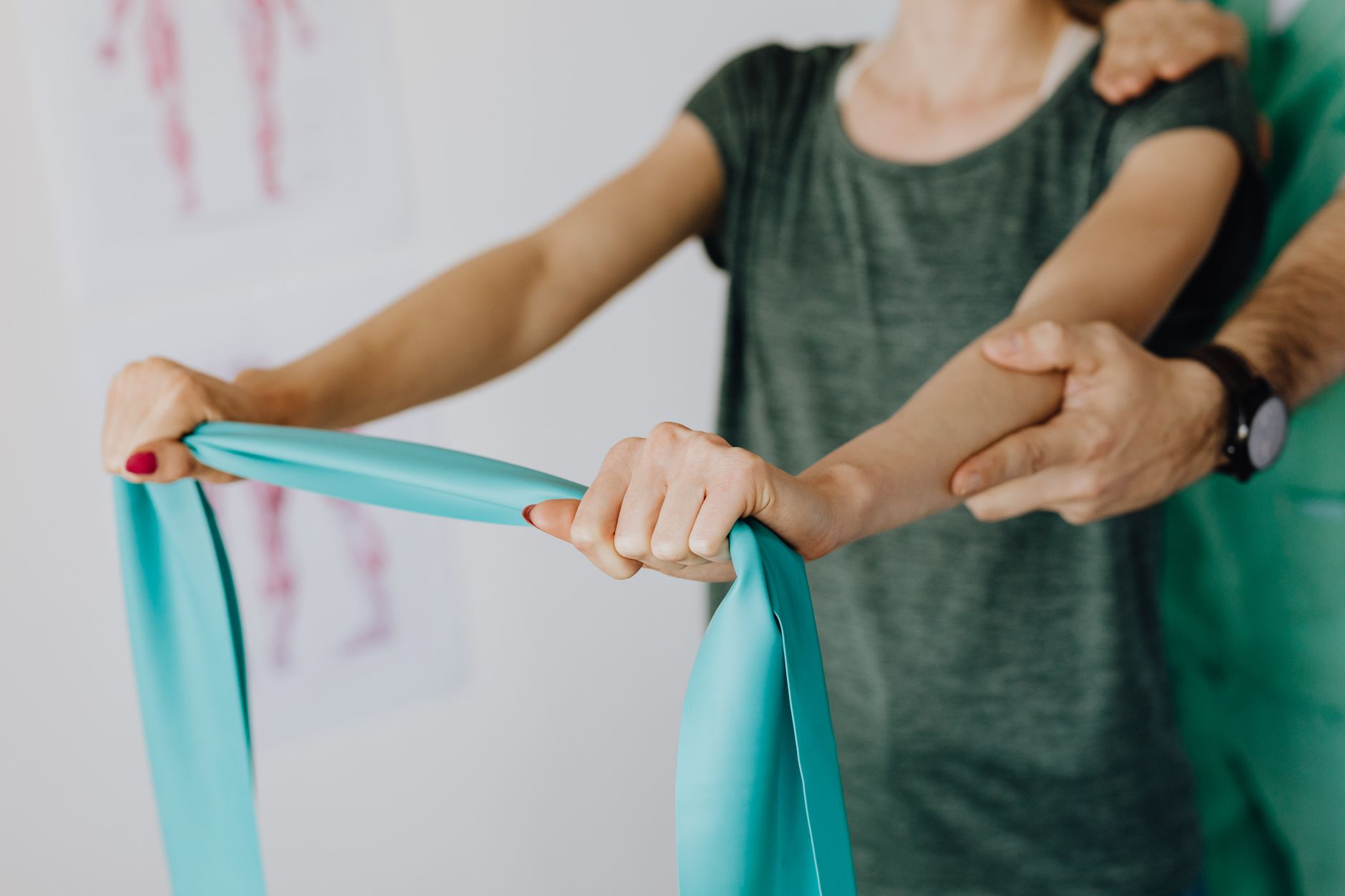
Istanbul is home to several established hand surgery clinics and university hospitals that attract patients from around the world. Institutions like the Istanbul Hand Surgery and Microsurgery Center and the orthopaedic departments of private hospitals have dedicated hand surgery units with experienced consultants who have published extensively and present at international conferences. These centres often collaborate with rehabilitation specialists, ensuring a seamless continuum of care from preoperative assessment to postoperative therapy.
Beyond Istanbul, cities such as Ankara and Izmir also host well-regarded facilities. For example, the Hand Surgery Department at Hacettepe University in Ankara is known for its comprehensive research and treatment of complex hand traumas. In Izmir, Ege University Hospital offers advanced microsurgical services. Many of these centres have international patient departments that assist with visa invitations, airport transfers, accommodation, and translation services, making the logistics of medical travel straightforward.
When evaluating centres, look for those with a high volume of the specific procedure you need. Experienced surgeons often have better outcomes for rare or complex cases. Don't hesitate to ask for credentials, outcome data, and treatment photographs (within privacy limits). Well-run clinics will provide transparent information and connect you with past patients if desired. Türkiye's medical tourism infrastructure ensures that you can make an informed choice without feeling pressured.
Combining Surgery with Same-Trip Hand Therapy and Splinting
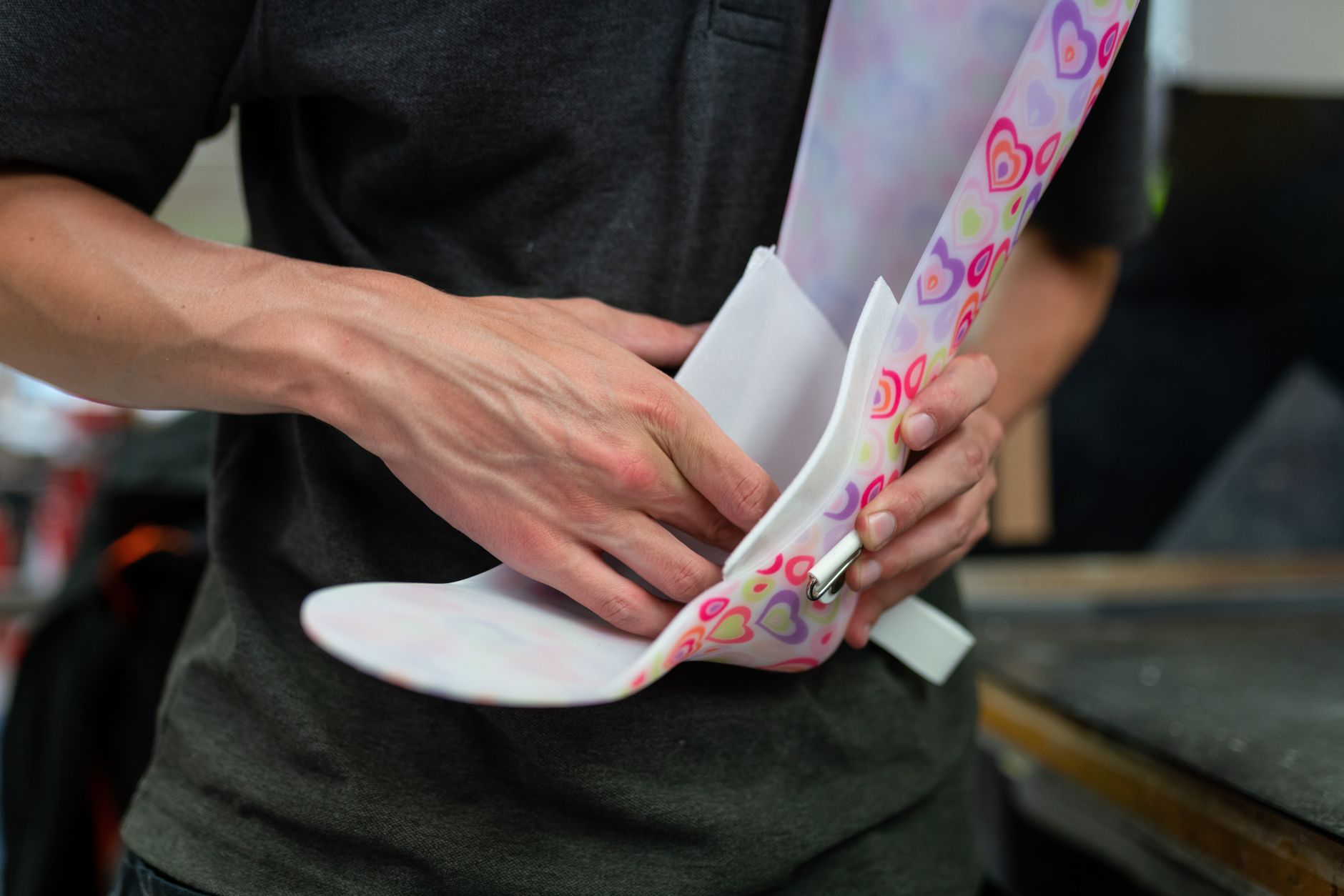
One of the key advantages of choosing Türkiye for hand surgery is the opportunity to integrate surgery with immediate postoperative rehabilitation. Many clinics have on-site hand therapy units staffed by certified hand therapists who work closely with surgeons. This allows for early initiation of therapy, often within days after surgery, which is critical for preventing stiffness and optimising functional recovery. Hand therapy may include gentle range-of-motion exercises, scar management, oedema control, and sensory re-education.
Splinting is another crucial component. Custom-made splints are often fabricated by occupational therapists to protect the surgical site while allowing safe movement. In Türkiye, therapists use modern thermoplastic materials that are lightweight and adjustable, ensuring comfort and compliance. Patients are taught how to don and doff the splint, how to care for it, and when to wear it. This education is vital for those returning home soon after surgery, as it empowers them to manage their recovery independently.
For international patients, the same-trip model means you can undergo surgery, receive initial therapy, and be fitted with a splint before flying home. Some centres offer tele-rehabilitation follow-ups via video calls, allowing therapists to monitor progress and adjust exercise programmes remotely. This continuity bridges the gap between your treatment in Türkiye and your ongoing care at home, reducing the risk of complications and supporting long-term outcomes.
Return-to-Work Planning: What to Expect
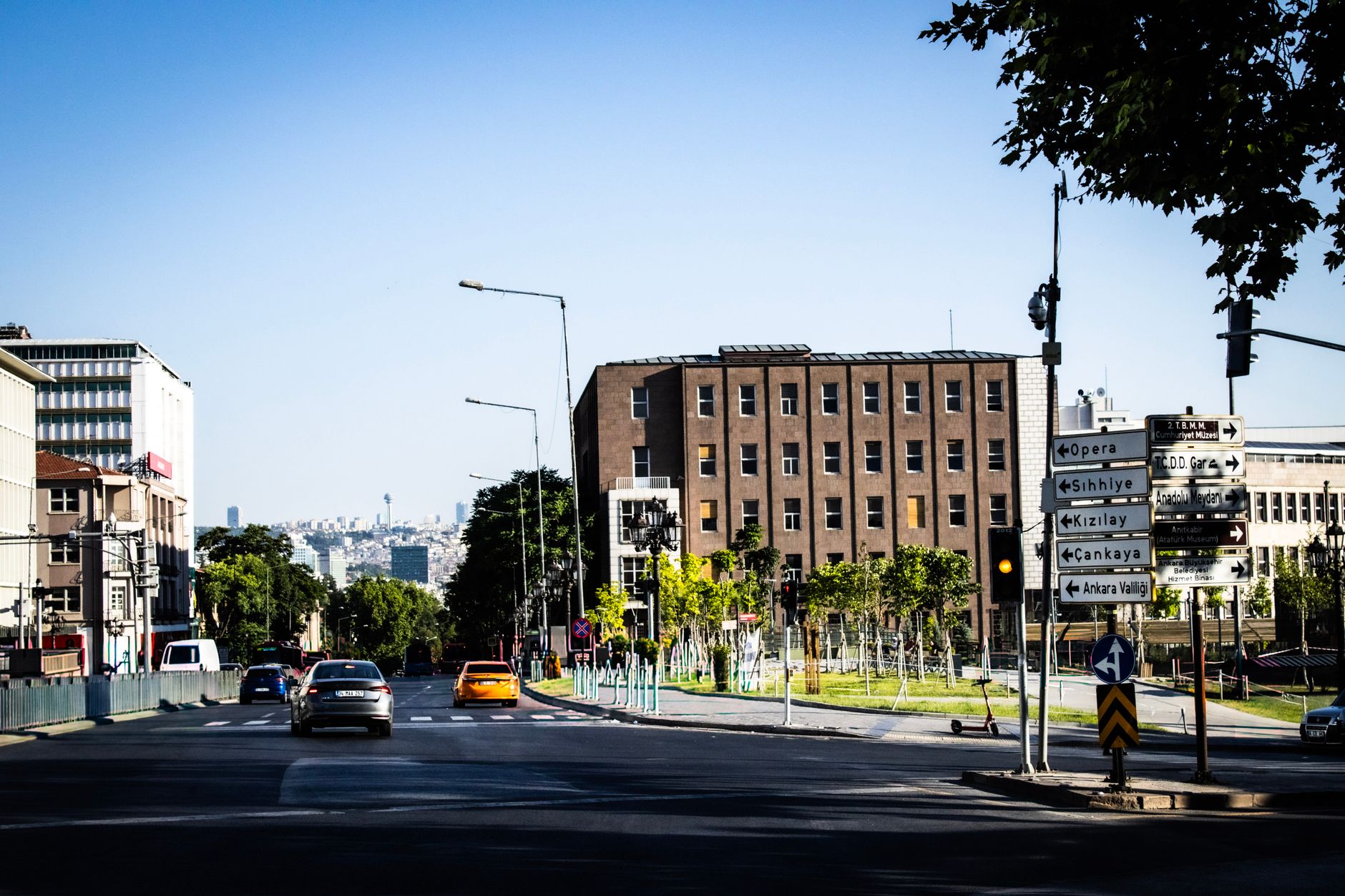
Planning your return to work begins before surgery. During your preoperative consultation, discuss your job requirements with your surgeon and therapist. They can provide a realistic timeline based on the procedure and your occupation. For example, after carpal tunnel release, a desk worker might return within 1-2 weeks, while a manual labourer may need 4-6 weeks or more. Understanding this helps you coordinate leave and arrange temporary accommodations at work.
Your therapy team will guide you on activity progression. They may recommend work conditioning exercises, ergonomic modifications, and gradual return-to-duty schedules. If your job involves heavy gripping or vibration, your surgeon might prescribe a longer period of light duty or a temporary job transfer. In Türkiye, occupational therapists often conduct work-site evaluations (if you're staying long enough) or provide detailed reports for your employer. These reports outline restrictions and recommendations, facilitating a smooth transition.
It's also wise to arrange follow-up with a local hand therapist in your home country before you leave. Your Turkish therapist can share notes and treatment plans, ensuring continuity. Many patients find that the combination of expert surgery, early therapy, and structured return-to-work planning can shorten their overall recovery time and reduce the fear of re-injury.
Practical Steps for Planning Your Medical Trip to Türkiye
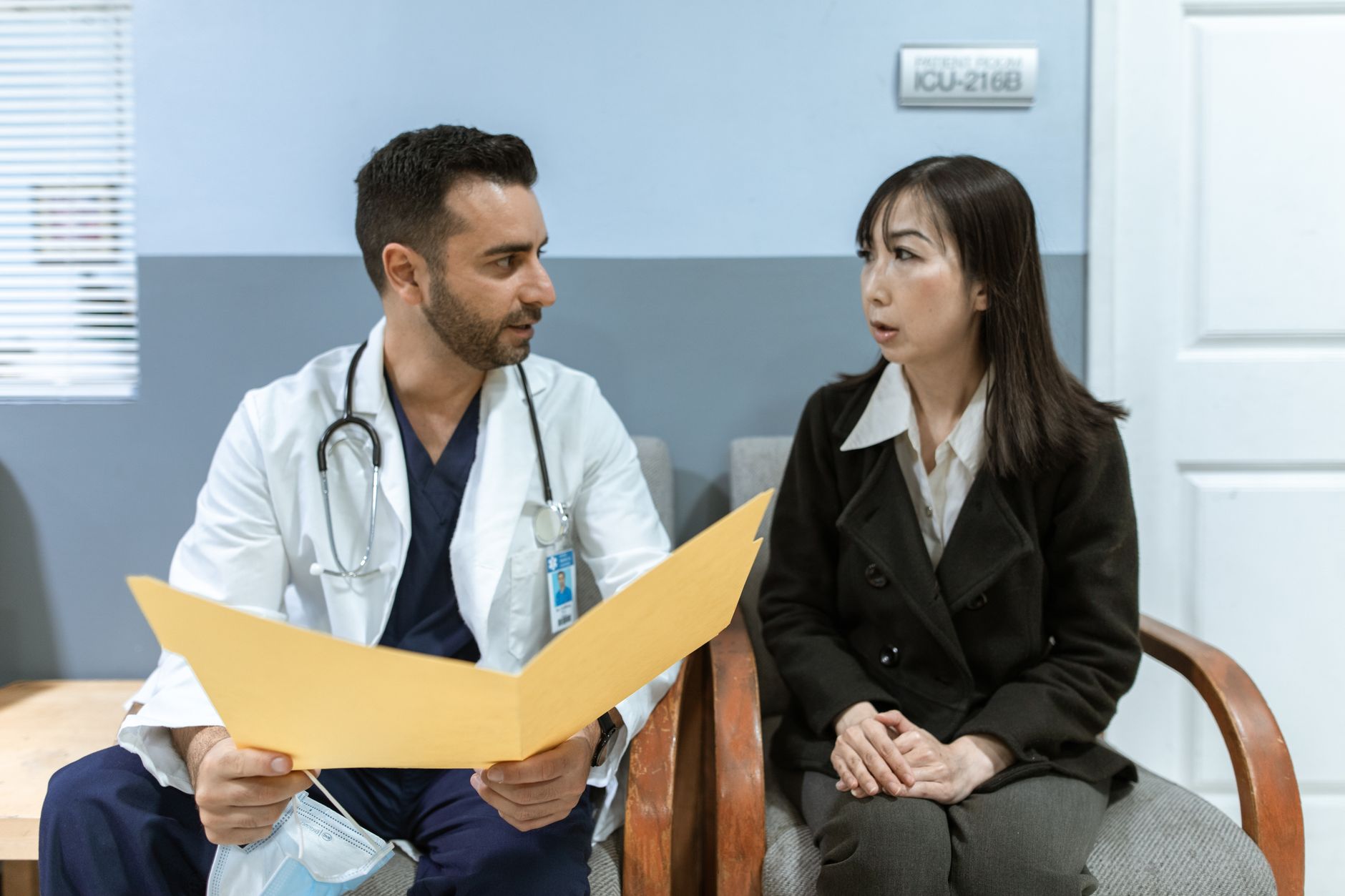
Start by researching and contacting several hand surgery centres. Provide your medical records, including imaging and reports, for a preliminary assessment. Most clinics respond within a few days with a treatment plan and cost estimate. Once you choose a centre, they will send an invitation letter for your medical visa (if required). Turkish medical visas are typically processed quickly, but apply at least 4-6 weeks in advance.
Book your flights and accommodation. Many hospitals have partnerships with nearby hotels offering discounted rates for medical travellers. Consider staying in a hotel with kitchen facilities if you prefer home-cooked meals, as a balanced diet supports healing. Arrange airport pickup through the hospital or a reputable transfer service. On arrival, you'll have a preoperative consultation, possibly with additional tests, before surgery.
Pack loose-fitting clothing that can accommodate a splint or bandage. Front-button shirts and easy-to-wear shoes are practical. Bring copies of all medical records, a list of medications, and any assistive devices you use. Don't forget chargers and adaptors (Türkiye uses Type F plugs). It's also helpful to have a companion for support, especially during the first few days post-surgery.
After surgery, follow your therapist's instructions diligently. Attend all scheduled therapy sessions while in Türkiye. Before you leave, ensure you have your splint, a written home exercise programme, and contact information for follow-up. Schedule a teleconsultation for 2-4 weeks after your return. With proper planning, your medical trip to Türkiye can be a step toward restored hand function and independence.
Thinking about treatment in Turkey?
Send us a question about this site or about the information published on it. This is a publisher's mailbox, not a medical service and not a route to a particular provider — for clinical questions, contact your own doctor.