

Türkiye's Culinary Diversity as a Healing Advantage
Türkiye sits at the crossroads of continents, and its cuisine reflects centuries of exchange. For medical travellers, this is not merely a cultural curiosity — it is a practical comfort. Turkish kitchens already work with a vast palette of vegetables, legumes, grains, olive oil, herbs, and spices. When you arrive for treatment with a vegan, halal, kosher, or gluten-free requirement, you are not asking a Turkish hospital to invent something foreign; you are asking it to adapt a tradition that is already deeply plant-friendly and attentive to dietary rules.
Consider the staples: bulgur, lentils, chickpeas, eggplant, tomatoes, peppers, zucchini, spinach, leeks, and dozens of wild greens. Olive oil is the default cooking fat in Aegean and Mediterranean kitchens. Fresh herbs like parsley, dill, mint, and sumac appear daily. This means a vegan or gluten-free plate can be built from ingredients that are seasonal, local, and full of flavour — not from bland substitutes.
Halal is the norm in most of Türkiye, so Muslim patients rarely need to search for it. Kosher and vegan needs require more planning but are well within reach, especially in Istanbul, Izmir, and Antalya. And gluten-free awareness has grown rapidly in Turkish hospitals and recovery residences, with staff trained to avoid cross-contamination when requested.
In short, Türkiye's food culture is a genuine asset for recovery. The same diversity that makes Turkish cuisine famous also makes it flexible — and that flexibility can turn a stressful medical trip into a more nourishing, comfortable experience.
Before You Arrive: What to Communicate to Your Clinic
The single most important step is clear, early communication. As soon as your treatment dates are confirmed, send your clinic or medical tourism coordinator a written summary of your dietary needs. Be specific: state whether you are vegan, vegetarian, halal, kosher, gluten-free, or have multiple requirements. Mention any allergies (nuts, sesame, dairy, shellfish) and any medical restrictions such as low-sodium, low-sugar, or low-potassium diets.
Use simple, unambiguous language. For example: “I am vegan and gluten-free. I do not eat any animal products, including dairy, eggs, honey, and gelatin. I cannot eat wheat, barley, rye, or any product containing gluten. I also have a severe sesame allergy.” If you keep kosher, specify your level of observance: do you require certified kosher meals, or do you eat dairy/vegetarian only? If you are halal, confirm whether you avoid alcohol in food and whether you need halal-certified meat (though many patients on a plant-based diet may not need meat at all).
Ask your coordinator three key questions: (1) Can the hospital's kitchen prepare meals that meet my needs? (2) Will my recovery residence have a kitchen or refrigerator where I can store my own food? (3) Is there a dietitian or nutritionist I can speak with before arrival? If the answer to any of these is unclear, request a written confirmation.
Also send this information to your surgeon or treating physician, because diet can affect medication, anaesthesia, blood sugar, and healing. Some clinics have a standard form for dietary requirements — ask for it. If they do not, create your own one-page document with your name, dates, dietary rules, allergies, and emergency contact. Keep a copy in your carry-on and a digital copy on your phone.
How Turkish Hospitals Build Personalised Menus
Most accredited private hospitals in Türkiye — especially those in Istanbul, Ankara, Izmir, and Antalya — have in-house food services and can accommodate special diets. When you provide your requirements in advance, the kitchen team can plan meals that fit your recovery plan. This may include vegan soups, lentil or bulgur pilaf, roasted vegetables, olive-oil dishes, fresh salads, and fruit. For gluten-free patients, they can substitute rice, quinoa, potatoes, or corn-based products for bread and bulgur.
Halal patients generally find that standard hospital meals are already halal, as pork is not commonly used and alcohol is avoided in most clinical settings. Kosher patients may need sealed, certified meals, which some hospitals can order from external suppliers. If your hospital cannot provide certified kosher meals, your coordinator can help you arrange delivery from a kosher caterer or suggest a nearby Jewish community resource.
Personalisation goes beyond ingredients. Hospitals can adjust portion sizes, meal timing, and texture (soft, liquid, or pureed) based on your procedure. For example, after bariatric surgery or dental work, you may need soft foods; the kitchen can prepare pureed vegetable soups, yogurt (if you eat dairy), or smoothies. If you are vegan, they can use plant-based milks and protein sources like lentils, chickpeas, or tofu.
Ask your clinic whether a dietitian will review your menu during your stay. Many hospitals include this as part of the package for international patients. The dietitian can also coordinate with your doctor if your dietary needs change after surgery. At discharge, request a written diet plan in English (or your language) so you can continue your recovery at home or in your residence.
Recovery Residences: Kitchens, Local Markets, and Fresh Ingredients
Recovery residences and hotels partnering with medical tourism providers are increasingly aware of diverse diets. Many offer kitchenettes, refrigerators, and nearby markets, which gives you control over your own meals. This is especially valuable for vegan, kosher, and gluten-free travellers who may prefer to prepare some food themselves.
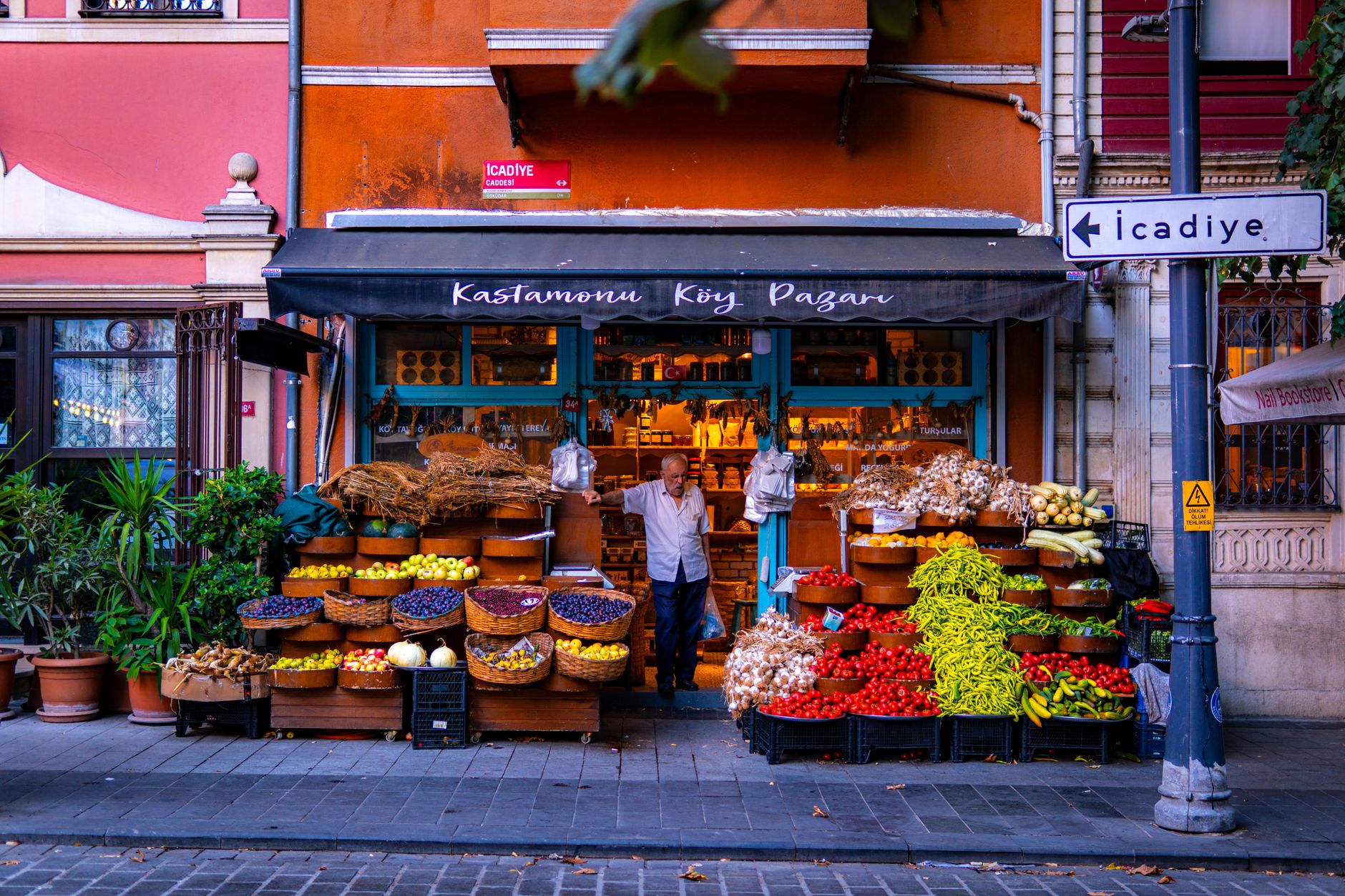
Turkish markets are a paradise for special diets. You will find fresh produce year-round: tomatoes, cucumbers, peppers, eggplant, zucchini, spinach, leeks, artichokes, and herbs. Legumes like lentils, chickpeas, and white beans are cheap and widely available. Rice, bulgur (not gluten-free), corn, and potatoes are staples. Olive oil, lemon, and vinegar make simple dressings. For gluten-free travellers, look for packaged products labelled “glutensiz” (gluten-free) in larger supermarkets such as Migros, CarrefourSA, or Macrocenter.
Vegan travellers can find tofu and plant-based milks in big cities, though they may be less common in smaller towns. Halal meat is everywhere, but if you are vegan you can skip it entirely. Kosher travellers should plan ahead: certified kosher products are rare outside major cities, so bringing some sealed items or arranging delivery is wise.
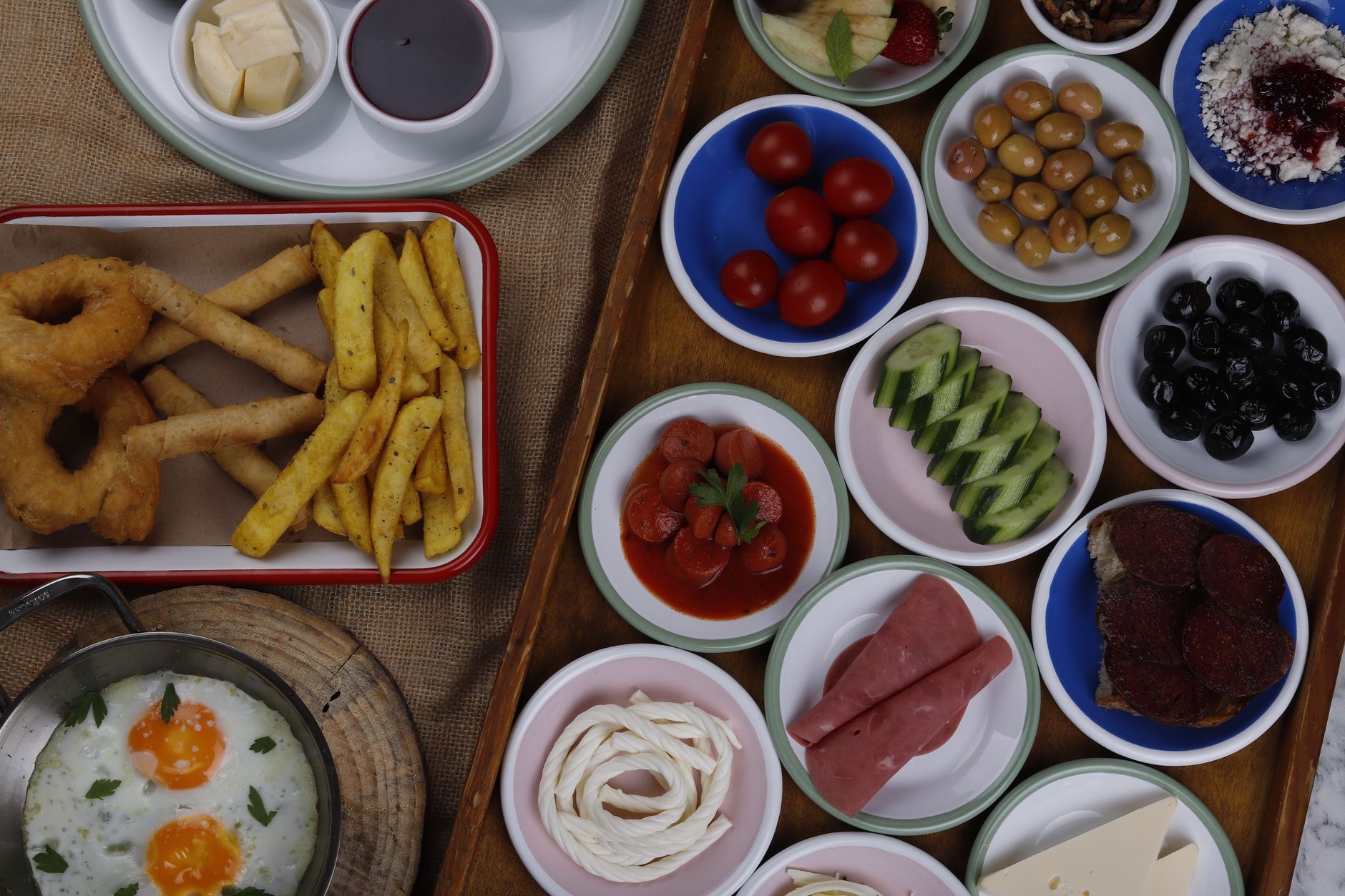
Your recovery residence may offer breakfast (kahvaltı), which typically includes olives, white cheese, tomatoes, cucumbers, jam, honey, and bread. If you are vegan, ask for olive oil, vegetables, and fruit instead of cheese and honey. If you are gluten-free, request gluten-free bread or bring your own. Many residences will happily adjust if you ask in advance.
Eating Out and Ordering In: Practical Tips for Each Diet
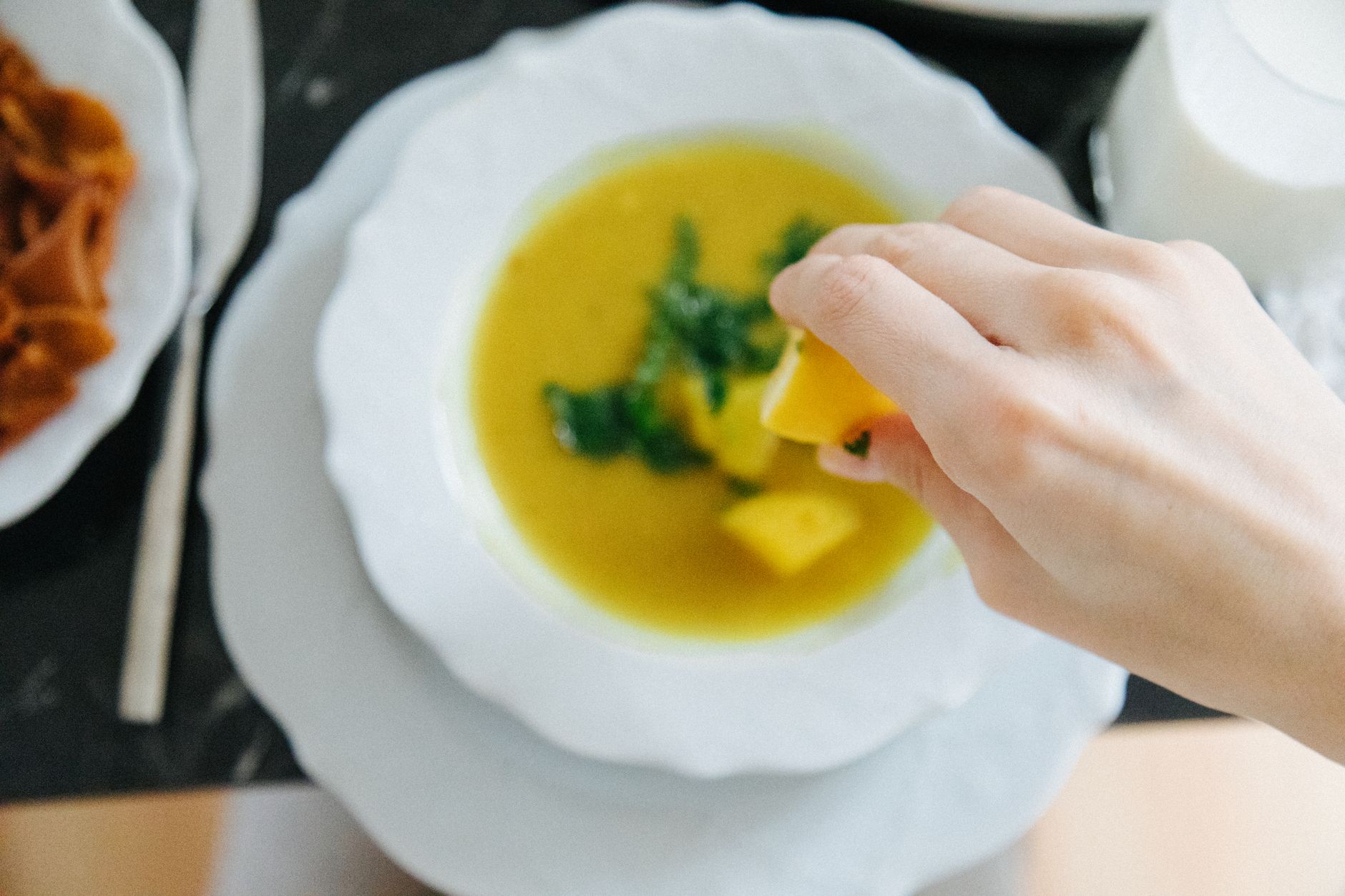
Dining out in Türkiye can be a pleasure, but you need a few phrases and strategies. For vegan travellers, Turkish cuisine offers many naturally vegan dishes: mercimek çorbası (lentil soup, but confirm no butter or stock), zeytinyağlı vegetables (cooked with olive oil), kuru fasulye (white beans), nohut (chickpeas), dolma (stuffed grape leaves), and ezme (spicy tomato dip). Ask if dishes contain butter, yogurt, or meat stock.
For halal diners, almost all restaurants in Türkiye serve halal food, but you can ask “Helal mi?” (Is it halal?) to be sure. Avoid places that serve alcohol if that is important to you. For kosher travellers, dining out is more challenging. Look for kosher-certified restaurants in Istanbul (especially in areas like Balat or near synagogues) or arrange catered meals. If you keep strictly kosher, bringing sealed food and using a residence kitchen is often the most reliable option.
Gluten-free travellers should learn the phrase “Glutensiz yemek istiyorum” (I want gluten-free food) and “Buğday, arpa, çavdar yok” (No wheat, barley, rye). Be cautious with soups (some use flour), meatballs (köfte often contain breadcrumbs), and sauces. Grilled meat, fish, salads, and rice are usually safe. Cross-contamination is a risk in busy kitchens, so choose places that seem attentive.
Food delivery apps like Yemeksepeti and Getir can be useful, but filtering for vegan, gluten-free, or kosher is limited. It is often easier to order simple items from a nearby restaurant and explain your needs by phone, or to prepare food yourself. Your recovery residence or hospital coordinator can often recommend trusted restaurants or caterers.

Building Your Personal Food Plan Around Treatment
Your dietary needs may shift before and after your procedure. Before surgery, you may be asked to fast or follow a specific diet. After surgery, your doctor may recommend soft foods, low-fibre, or high-protein meals. Work with your clinic's dietitian to map out a plan that respects both your medical requirements and your personal dietary rules.
If you are vegan and need high protein for healing, focus on lentils, chickpeas, beans, tofu, and plant-based protein powders (bring your own if you rely on a specific brand). If you are gluten-free, ensure you get enough fibre from fruits, vegetables, and gluten-free grains like rice, quinoa, and corn. If you keep kosher or halal, confirm that any nutritional supplements or medications are acceptable.
Pack a small supply of essentials: your preferred protein powder, gluten-free snacks, sealed kosher meals (if needed), and any specialty items you cannot easily find. Also bring a translation card in Turkish explaining your diet and allergies. Your clinic may provide one, but having your own is reassuring.
Finally, keep a food and symptom diary during recovery. Note what you eat and how you feel. This helps you and your dietitian adjust your plan. It also gives you a record to share with your doctor if any digestive issues arise.
Conclusion: Comfort Through Communication and Local Abundance
Türkiye's hospitals and recovery residences are increasingly skilled at accommodating vegan, halal, kosher, and gluten-free diets. The country's culinary richness — its vegetables, legumes, olive oil, and fresh herbs — makes this easier than you might expect. The key is to communicate clearly and early, ask questions, and confirm arrangements in writing.
With the right preparation, you can focus on healing rather than worrying about food. You will find that Turkish hospitality extends to the table, and that a personalised menu can be both medically appropriate and genuinely enjoyable. Whether you are sipping lentil soup in a hospital room or shopping for fresh produce near your recovery residence, you are supported by a food culture that values variety, seasonality, and care.
Thinking about treatment in Turkey?
Share your contact details and a verified doctor will follow up with a plan built around you — free, no obligation.