

Why Medical Visa Letters Matter for Your Türkiye Treatment
Planning a medical trip to Türkiye involves more than choosing a clinic and booking a flight. For many international patients, the visa application is a critical step that can make or break the journey. A well-prepared medical visa letter from a Turkish clinic serves as the cornerstone of your application, demonstrating to consular officers that your visit is legitimate, pre-arranged, and medically necessary.
Türkiye's clinics have refined the process of issuing treatment invitation letters, appointment confirmations, and hospital sponsorship documents to support patients from over 100 countries. These documents not only strengthen your visa case but also facilitate smoother interactions at airline check-in and border control. In this guide, we walk you through requesting these documents early, ensuring they match your passport details, and keeping both digital and printed copies ready for every stage of your trip.
Whether you are traveling for a routine procedure or a complex surgery, understanding the paperwork landscape will give you confidence and help you avoid last-minute stress. Let's dive into the specifics of medical visa letters and how to use them effectively.
Types of Documents Turkish Clinics Provide
Turkish healthcare providers understand the nuances of international travel and offer a suite of documents tailored to visa requirements. The most common include:
- Treatment Invitation Letter: A formal letter on clinic letterhead, addressed to the relevant Turkish consulate, stating your diagnosis, planned treatment, duration of stay, and estimated costs. It confirms that the clinic has accepted you as a patient and outlines the purpose of your visit.
- Appointment Confirmation: A document specifying the date, time, and location of your consultation or procedure. This proves that your trip is scheduled and time-sensitive.
- Hospital Sponsorship Document: Some clinics issue a sponsorship letter if they are covering part of your treatment costs or if you are participating in a sponsored program. This is particularly useful for patients seeking visas under special medical categories.
- Detailed Treatment Plan: An outline of the medical services you will receive, including tests, surgeries, and follow-up care, often with cost breakdowns.
Each document serves a distinct purpose, and together they paint a comprehensive picture of your medical itinerary. Clinics may also provide additional support letters for accompanying family members or caregivers, which can be helpful when applying for visas for your companions.
It's important to note that requirements vary by nationality and consulate. Some Turkish embassies require a stamped and signed hard copy, while others accept digital versions. Always check the specific visa requirements for your country of residence before requesting documents.

How to Request Your Medical Visa Letter: Step-by-Step
Securing your medical visa letter should be one of the first steps after confirming your treatment plan. Here's a step-by-step approach to ensure a smooth process:
- Contact Your Clinic's International Patient Department: Most Turkish hospitals have dedicated teams for international patients. Inform them that you need a visa invitation letter and ask for their specific requirements and turnaround time.
- Provide Necessary Information: You'll typically need to supply your full name (as on passport), passport number, nationality, date of birth, planned treatment dates, and the address of the Turkish consulate where you will apply. Some clinics may also ask for a copy of your passport bio page.
- Request the Letter Early: Visa processing can take weeks, so request your documents at least 6-8 weeks before your intended travel date. Clinics often prioritize urgent requests, but early action avoids unnecessary rush fees.
- Review for Accuracy: Once received, carefully check that all personal details match your passport exactly. Errors in spelling, passport numbers, or dates can lead to visa delays or denial.
- Follow Up: If you haven't received the documents within the promised timeframe, follow up politely. Keep all correspondence for your records.
Many clinics now offer online portals where you can upload your information and download digital copies of your letters. This streamlined process reduces paperwork and speeds up delivery. However, always confirm whether the consulate requires original documents sent by post.
Remember that the invitation letter is just one piece of the visa application. You will also need to provide standard documents such as a valid passport, visa application form, photos, travel insurance, flight reservations, and proof of funds. The clinic's letter complements these but does not replace them.
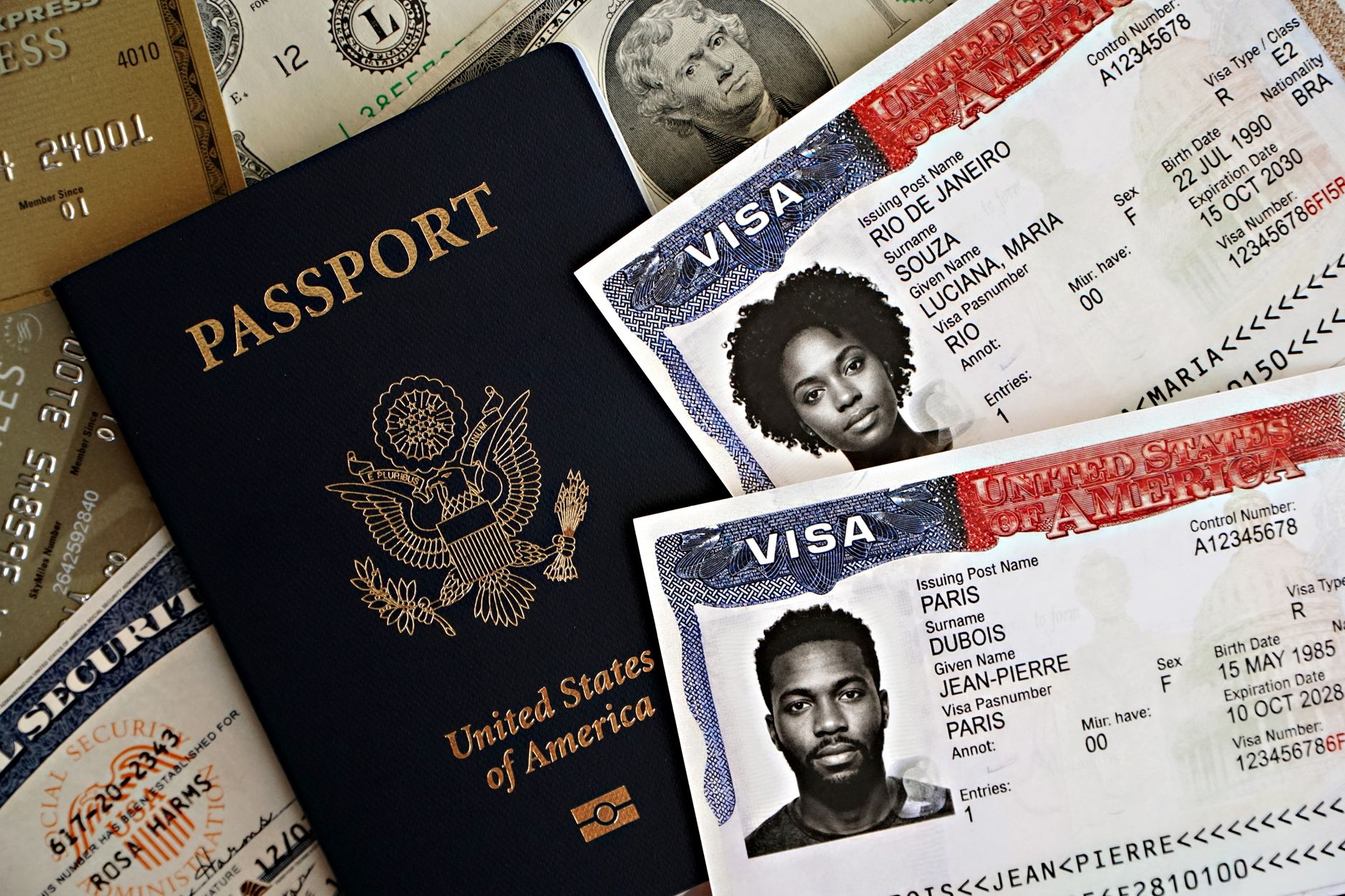
Matching Your Documents to Passport Details
One of the most common pitfalls in visa applications is mismatched information. Your medical visa letter must reflect your identity exactly as it appears in your passport. This includes:
- Full Name: Ensure that your first, middle, and last names are spelled correctly and in the same order as your passport. Avoid abbreviations unless they are also on your passport.
- Passport Number: Double-check that the number is accurate. A single digit error can cause significant delays.
- Date of Birth: Use the same format as your passport (e.g., DD/MM/YYYY vs. MM/DD/YYYY) to avoid confusion.
- Nationality: Your nationality should match your passport and be clearly stated.
- Passport Expiry Date: Some consulates require that your passport be valid for at least six months beyond your planned departure from Türkiye. Ensure your letter reflects this if necessary.
If you have recently renewed your passport or changed your name, update the clinic immediately. They can reissue the letter with the correct details. It's also wise to carry a copy of your passport bio page and any previous passports if you have prior visas for Türkiye.
For patients traveling with companions, each person's documents should be individually prepared. The clinic can issue separate letters for family members or caregivers, clearly stating their role in your medical journey. This is especially important for parents traveling with children or patients requiring assistance.

Digital vs. Printed Copies: What to Carry and When
In today's digital age, having both electronic and physical copies of your medical documents is essential. Here's how to manage them effectively:
Digital Copies: Save PDF versions of all documents on your phone, tablet, and cloud storage. Many airlines and border officials accept digital presentations, but it's always safer to have a backup. Consider emailing copies to yourself and a trusted family member. Some clinics provide documents through secure patient portals, which you can access offline by downloading them in advance.
Printed Copies: Print at least two sets of your documents: one to keep in your carry-on luggage and one to leave with a family member at home. Use a folder or document organizer to keep them clean and easily accessible. Border control officers may ask to see your invitation letter, appointment confirmation, and return flight details. Having them readily available speeds up the process.
When to Present Which: At airline check-in, you may be asked for proof of your purpose of travel, especially if you're flying to Türkiye from a country with visa requirements. Show your appointment confirmation and invitation letter. At border control, present your passport and visa, along with the invitation letter if requested. During your hospital admission, you'll need your appointment confirmation and identification.
It's also wise to keep a digital copy of your documents in a password-protected folder for security. Avoid sharing sensitive medical information over unsecured channels.
Common Pitfalls and How to Avoid Them
Even with the best intentions, patients sometimes encounter issues with their medical visa letters. Here are common pitfalls and tips to avoid them:
- Late Requests: Waiting until the last minute can result in expedited fees or missed visa deadlines. Start the process as soon as your treatment is scheduled.
- Incorrect Information: As mentioned, mismatched passport details are a major red flag. Always review documents carefully before submitting them to the consulate.
- Unrecognized Clinic: Ensure your clinic is accredited and recognized by Turkish health authorities. Some consulates may verify the clinic's legitimacy; choosing a well-known hospital reduces the risk of scrutiny.
- Missing Supporting Documents: The invitation letter alone is rarely sufficient. Gather all required documents, including financial statements, travel insurance, and accommodation proof.
- Language Barriers: If your letter is in Turkish, request an English translation or ensure the consulate accepts Turkish documents. Many clinics provide bilingual letters.
Additionally, be aware of visa scams. Only communicate with official clinic representatives and never pay for visa letters through unofficial channels. Legitimate clinics do not charge for invitation letters, though they may require a deposit for treatment.
If your visa application is denied, don't panic. Contact your clinic for guidance; they may be able to provide additional supporting documents or suggest reapplying with stronger evidence.
Final Checklist Before You Travel
As your departure date approaches, use this checklist to ensure you have all necessary documents:
- Valid passport with at least six months' validity beyond your return date.
- Visa (if required) stamped in your passport or e-visa printed.
- Original and copies of your medical visa invitation letter.
- Appointment confirmation and detailed treatment plan.
- Hospital sponsorship document (if applicable).
- Travel insurance covering medical expenses.
- Return flight tickets and accommodation details.
- Proof of funds (bank statements, credit cards).
- Emergency contact information for your clinic and embassy.
- Digital and printed copies of all documents stored securely.
Keep this checklist handy and review it a week before your trip. Double-check that all documents are up-to-date and match your passport. If you have any doubts, contact your clinic's international patient coordinator for clarification.
With the right paperwork in hand, you can focus on what truly matters: your health and recovery. Türkiye's clinics are well-versed in supporting international patients, and a little preparation goes a long way toward a smooth and stress-free medical journey.
Thinking about treatment in Turkey?
Send us a question about this site or about the information published on it. This is a publisher's mailbox, not a medical service and not a route to a particular provider — for clinical questions, contact your own doctor.