

Why Türkiye Leads in Telerehabilitation After Orthopaedic Surgery
Türkiye has become a global destination for orthopaedic procedures—knee and hip replacement, ACL reconstruction, shoulder arthroscopy, spinal surgery—thanks to JCI-accredited hospitals, highly experienced surgeons, and competitive pricing. But the real differentiator in 2026 is what happens after you leave the operating table and return home. Turkish hospitals and coastal rehabilitation centres now offer structured video-guided physiotherapy programmes, often called telerehab, that keep you connected to the same therapist you met in Istanbul, Antalya, or Izmir.
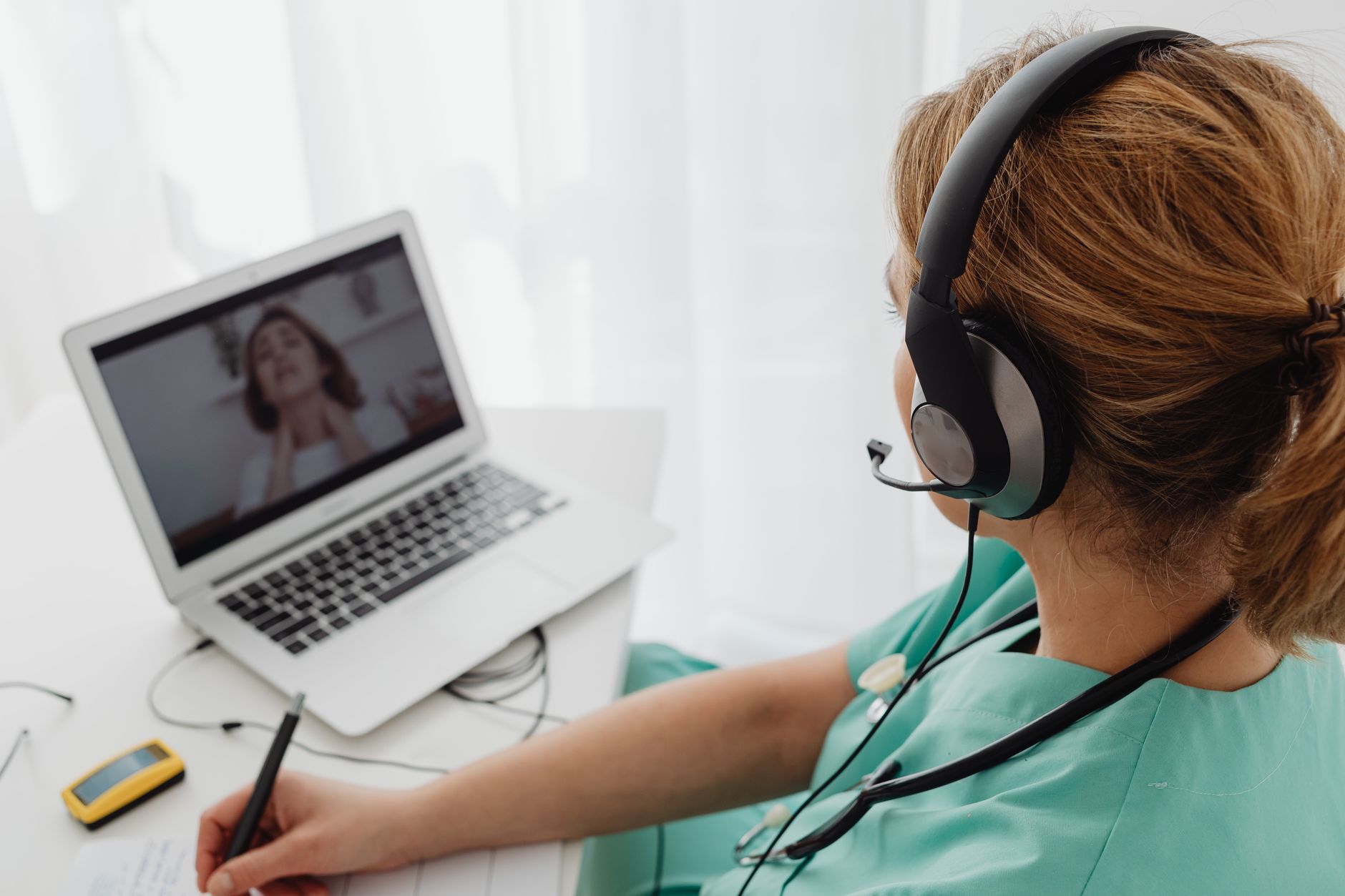
This isn't a generic app with pre-recorded videos. It's a personalised, two-way rehabilitation programme delivered through secure video calls and a dedicated patient portal. Your therapist sees you perform exercises in real time, corrects your form, and adjusts your plan based on weekly progress. The result is consistent recovery, fewer travel interruptions, and the reassurance that someone who knows your case is still watching over your shoulder—even from 2,000 kilometres away.
Türkiye's technology-forward, patient-centred approach means that telerehab is integrated into your surgical package from day one. Before you fly home, you and your therapist agree on a schedule: typically two to three live sessions per week for the first six weeks, then tapering as you regain strength. All you need is a smartphone, tablet, or laptop, a stable internet connection, and a small space to move.
What a Structured Telerehab Programme Actually Looks Like
A typical programme begins with a comprehensive assessment during your in-person stay. Your physiotherapist records baseline measurements: range of motion, pain levels, muscle strength, and functional milestones like walking distance or stair-climbing ability. These become the benchmarks for your remote progress tracking.
Once home, you log into a secure portal that shows your daily exercise plan, instructional videos, and a pain and activity diary. Before each live session, you complete a short check-in: how is your pain today? Any swelling? Did you manage the prescribed walks? Your therapist reviews this data before the call, so the session focuses on what matters most.
During the video call, your therapist guides you through exercises, watching your alignment and tempo. They might ask you to prop your phone on a chair to see your knee from the side, or to move closer to the camera for a shoulder rotation. After the session, they update your plan and send written cues and new video demonstrations. You never leave the call wondering what to do next.
Between live sessions, you can message your therapist through the portal with questions or concerns. Most programmes guarantee a response within one working day—often much faster. This continuous loop of measurement, guidance, and feedback is what makes telerehab effective rather than just convenient.
Coastal Rehabilitation Centres: Where Recovery Meets the Sea
Türkiye's coastal rehabilitation centres in Antalya, Bodrum, and Izmir have long been favoured for post-surgical recovery. The mild climate, sea air, and purpose-built therapy pools create an ideal environment for early mobilisation. Now these centres are extending their reach through telerehab, allowing patients to begin their programme on-site and continue it seamlessly at home.
Many patients choose to spend the first two to four weeks after surgery at a coastal centre, combining daily in-person physiotherapy with rest and gentle walks by the sea. When they return home, the same therapy team transitions them to video-guided sessions. This continuity is crucial: your therapist already knows your gait, your pain patterns, and your goals. There's no starting over with a new provider.
Some centres also offer hybrid packages: a shorter in-person stay followed by twelve weeks of telerehab, with the option to return for a progress review if needed. This flexibility means you can tailor your recovery to your budget, your family commitments, and your comfort level with technology.

Progress Tracking That Keeps You Motivated and Safe
One of the biggest challenges after orthopaedic surgery is knowing whether you're progressing normally or pushing too hard. Telerehab solves this with objective data. Wearable devices—often provided as part of the programme—track your daily steps, walking symmetry, and even sleep quality. Your therapist uses this information to fine-tune your exercise dosage.
For knee replacement patients, for example, a sudden drop in daily steps might signal excessive swelling or pain, prompting a lighter session and a check-in with your surgeon. For ACL patients, a gradual increase in single-leg balance time is a clear sign that proprioception is returning. Seeing these trends on a dashboard can be highly motivating: you're not guessing, you're measuring.
Progress tracking also supports safety. If your therapist notices signs of a complication—persistent swelling, unusual pain, or a fever—they can alert your surgical team in Türkiye immediately. Often, a problem that might have gone unnoticed until your next follow-up is caught early and managed with simple adjustments. In rare cases, your therapist may recommend a local consultation, but the majority of issues are resolved remotely.
Scheduled reviews are built into the programme. Every four to six weeks, you and your therapist conduct a formal reassessment: repeat measurements, discuss goals, and set new milestones. You receive a written progress report that you can share with your local doctor or insurer. This documentation is invaluable if you need to justify continued physiotherapy or if you're coordinating care across borders.
What Telerehab Can and Cannot Do
Telerehab is a powerful tool, but it's not a replacement for all in-person care. It excels at guiding exercise progression, monitoring functional recovery, and providing education and reassurance. It cannot perform manual therapy—hands-on joint mobilisation or soft tissue release—which some patients need in the early weeks. It also cannot replace emergency care or advanced diagnostic imaging.
That said, for the vast majority of orthopaedic patients, the core of rehabilitation is active exercise, not passive techniques. Telerehab delivers this effectively. Studies consistently show that remotely supervised exercise programmes produce outcomes comparable to in-person therapy for knee and hip replacement, ACL reconstruction, and rotator cuff repair—provided the programme is well-structured and the patient is engaged.
Telerehab may not be suitable for patients with severe cognitive impairment, unstable medical conditions, or those who lack a reliable internet connection. In such cases, Turkish hospitals will help you arrange local physiotherapy and remain available for consultation. The goal is always the best possible recovery, whether that happens through a screen or in a clinic near your home.
It's also important to set expectations: telerehab requires your active participation. You must do your exercises between sessions, log your symptoms honestly, and communicate openly. The therapist can guide, correct, and encourage—but they cannot do the work for you. Patients who embrace this responsibility often recover faster and with greater confidence.
How to Prepare for Your Telerehab Journey
Before you leave Türkiye, ensure you have a clear telerehab plan in writing. Ask for: the number and frequency of live sessions, the platform used, contact details for technical support, and what to do in an emergency. Confirm that your therapist speaks your language or that interpretation is available—most major hospitals offer services in English, Arabic, Russian, German, and French.
At home, set up a dedicated exercise space with enough room to lie down and stretch. Test your internet connection and camera angle before your first session. Keep a small kit nearby: resistance bands, a yoga mat, a chair, and any equipment your therapist recommends. Many programmes provide a digital exercise library, so you can review movements anytime.
Finally, stay in touch with your surgical team. Telerehab is one part of a larger follow-up plan that may include blood tests, X-rays, and surgeon reviews at three, six, and twelve months. Your therapist can help coordinate these appointments and share progress reports. This integrated approach is what makes Türkiye's post-operative care so effective—and so reassuring.
The Future of Recovery: Connected, Continuous, and Personal
As technology evolves, telerehab will become even more immersive. Some Turkish centres are already experimenting with augmented reality to overlay exercise targets, and with AI-driven motion analysis that provides instant feedback on squat depth or shoulder symmetry. These tools won't replace therapists; they'll give them superpowers—the ability to see subtle deviations and correct them in real time, from anywhere in the world.
What won't change is the human connection. The same therapist who held your hand on your first walk after surgery can continue to guide you through your first jog, your first flight of stairs, your first return to sport. That continuity is the heart of Türkiye's patient-centred approach. It turns a medical trip into a sustained partnership in recovery.
If you're considering orthopaedic surgery in Türkiye, ask about telerehab before you book. It's not an add-on; it's an integral part of the modern treatment pathway. With structured video-guided physiotherapy, progress tracking, and scheduled reviews, you can return home knowing that your recovery is in expert hands—and that those hands are only a video call away.
Thinking about treatment in Turkey?
Share your contact details and a verified doctor will follow up with a plan built around you — free, no obligation.