

Why Choose Türkiye for Your Child's Paediatric Urology or Surgical Care?
When your child needs urological or surgical care, choosing the right destination is one of the most important decisions you will ever make. Türkiye has emerged as a global leader in paediatric healthcare, combining advanced medical technology with a deeply family-centred approach. Turkish children's hospitals are designed to welcome parents as partners in care, with comfortable rooms that allow you to stay bedside throughout your child's treatment. This means you never have to leave your little one alone in a strange place.
Paediatric urology and children's surgical programmes in Türkiye are staffed by specialists who have trained in Europe and North America and who perform a high volume of complex procedures. This expertise translates into better outcomes and fewer complications. Hospitals in Istanbul, Ankara, and Izmir are equipped with child-friendly imaging suites, minimally invasive surgical tools sized for small bodies, and dedicated paediatric anaesthesia teams who understand the unique needs of infants and children.
Beyond the clinical excellence, Turkish culture places immense value on hospitality and family. You will find that the warmth extends beyond the hospital walls, with coordinators who help you navigate everything from airport transfers to accommodation and translators who ensure you understand every step of the journey. For parents, this blend of medical rigour and genuine compassion creates a reassuring environment during a stressful time.
Understanding Paediatric Urology and Common Surgical Conditions
Paediatric urology focuses on urinary and genital problems in children, from newborns to adolescents. Common conditions treated in Türkiye's specialised centres include hypospadias (where the urethral opening is not at the tip of the penis), vesicoureteral reflux (urine flowing backward from the bladder to the kidneys), undescended testes, hydrocele, and congenital anomalies of the kidneys and urinary tract. Many of these require surgical correction, and Turkish surgeons are highly experienced in performing these delicate operations with excellent cosmetic and functional results.
In addition to urological issues, children's surgical programmes address a wide range of general surgical needs such as hernias, appendicitis, gastrointestinal conditions, and tumour removals. The approach is always minimally invasive when possible, using laparoscopy or robotic-assisted surgery to reduce pain, scarring, and recovery time. This is particularly important for children, who bounce back faster with less invasive techniques.
Before any procedure, your child will undergo a thorough evaluation by a multidisciplinary team that may include a paediatric urologist, surgeon, nephrologist, radiologist, and anaesthesiologist. This ensures that all aspects of your child's health are considered, and a personalised treatment plan is created. Parents are encouraged to ask questions and participate in decision-making, as the team believes that informed parents are essential to successful outcomes.
Child-Friendly Hospitals and Family-Centred Wards
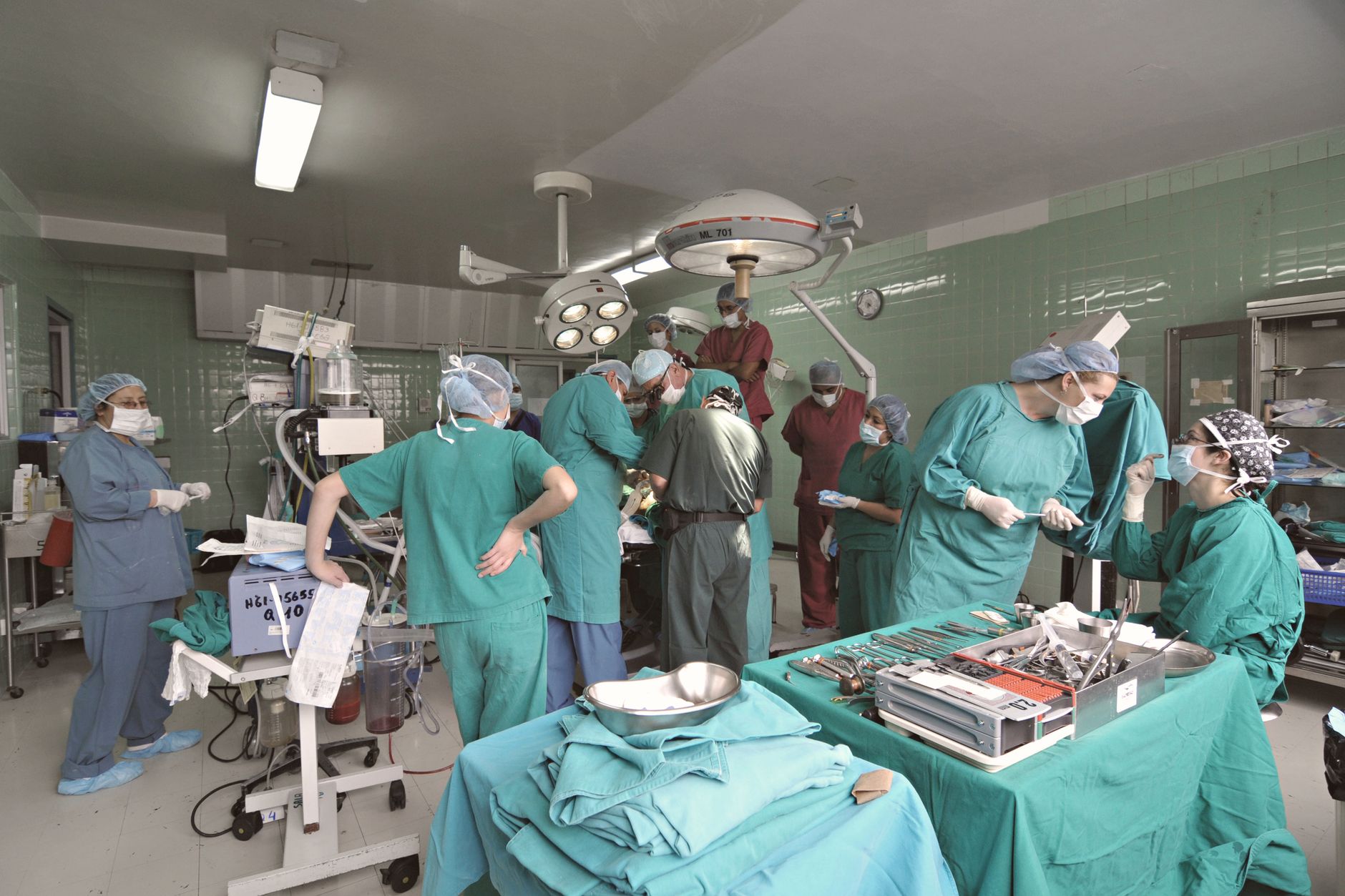
Turkish hospitals that cater to international paediatric patients go to great lengths to create a welcoming atmosphere. From the moment you step into the lobby, you will notice play areas, colourful decor, and staff trained to interact gently with children. The wards are designed so that at least one parent can stay with the child 24/7. Rooms often include a sofa bed or reclining chair, private bathroom, television, and Wi-Fi, making it feel more like a hotel than a hospital.
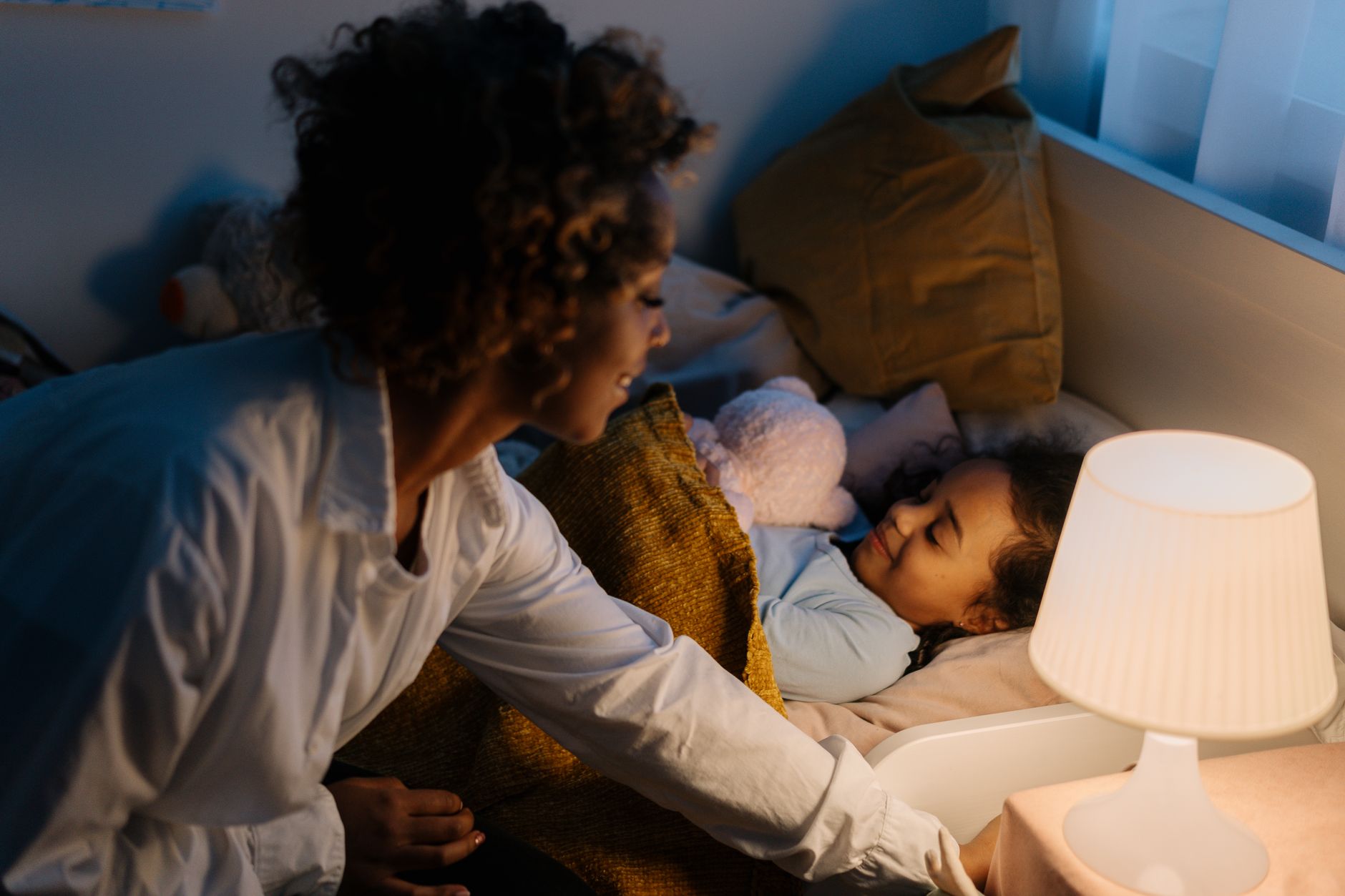
Family-centred care means that parents are not just visitors but active participants. You will be encouraged to be present during pre-operative preparations and to accompany your child to the operating theatre entrance. After surgery, you will be at their side as they wake up, providing comfort and reassurance. Nurses and doctors communicate with you in plain language, through interpreters if needed, so you always know what is happening and why.
Many hospitals also offer child life specialists who use play therapy to explain procedures in a non-threatening way. This helps reduce anxiety for both children and parents. Sibling support is also available, with activities to keep brothers and sisters engaged while the family focuses on the patient. This holistic approach recognises that healing is not just physical but emotional, and that the entire family unit needs support.
Paediatric Anaesthesia Expertise: Safety First for Little Ones
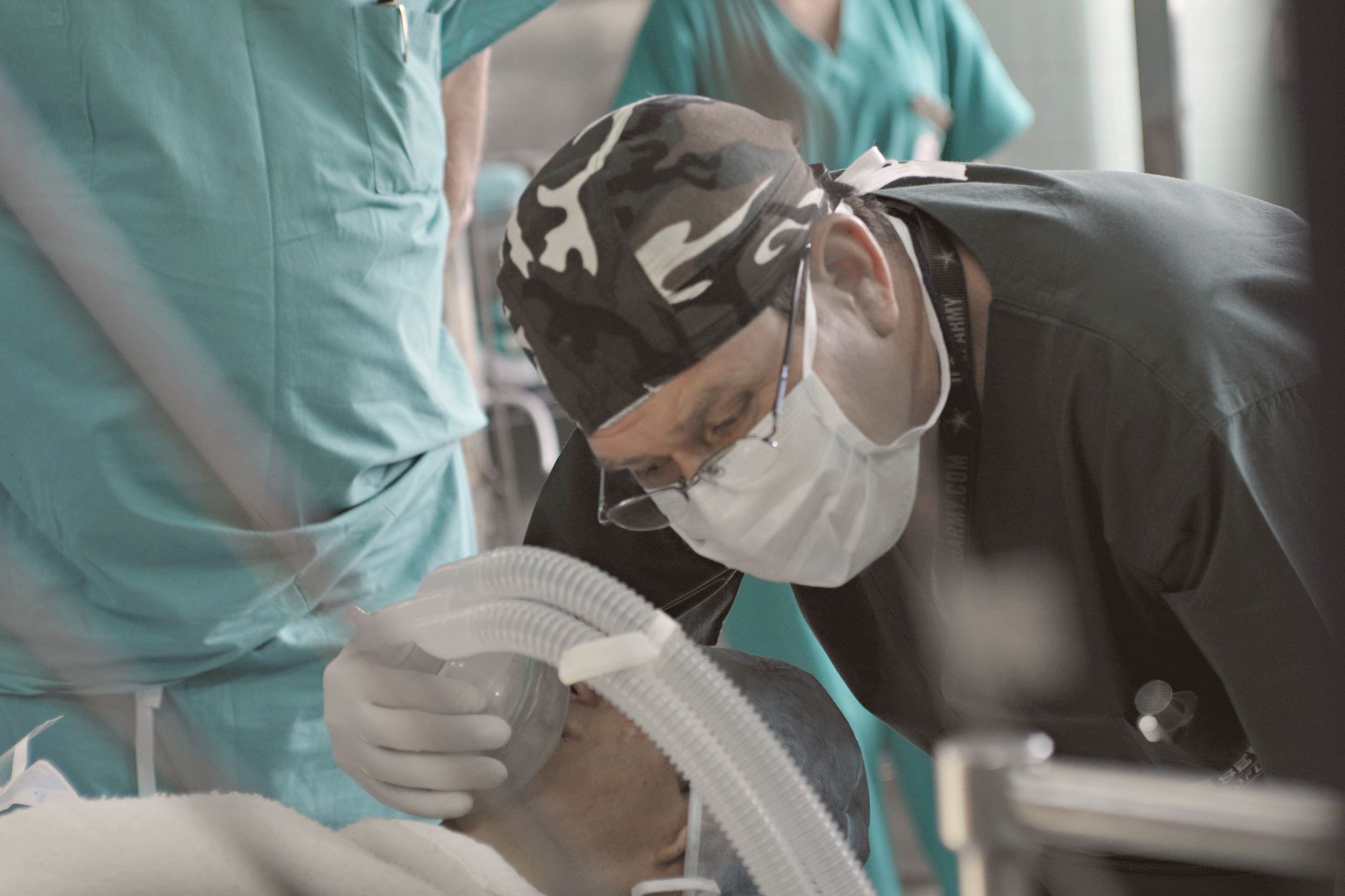
One of the greatest concerns for parents is anaesthesia. Türkiye's top children's hospitals have dedicated paediatric anaesthesia teams who are specifically trained to manage the unique physiology of infants, toddlers, and older children. They use age-appropriate equipment, precise dosing based on weight and medical history, and advanced monitoring to ensure your child's safety throughout the procedure.
Before surgery, you will meet with the anaesthesiologist, who will explain the process, ask about your child's medical history, allergies, and previous reactions to anaesthesia. You can discuss any fears or preferences; for example, if your child is anxious, they may offer a pre-medication to relax them before entering the operating room. The team is skilled in techniques that minimise post-operative nausea and pain, allowing for a smoother recovery.
During surgery, a dedicated anaesthesiologist remains with your child at all times, monitoring heart rate, blood pressure, oxygen levels, and temperature. After surgery, your child is taken to a recovery area where nurses specialised in paediatric post-anaesthesia care watch closely until they are fully awake. Parents are reunited with their child as soon as possible, and pain management is tailored to keep them comfortable without excessive sedation.
How to Arrange Assessment, Surgery, and Follow-Up
The first step is to contact a reputable medical tourism facilitator or directly reach out to a hospital's international patient department. You will be asked to provide your child's medical records, imaging, and a summary of the condition. A paediatric urologist or surgeon will review these and may request additional tests or a video consultation. This initial assessment helps determine whether treatment in Türkiye is appropriate and what the expected timeline and costs will be.
Once you decide to proceed, the hospital will provide a detailed treatment plan, including pre-operative testing, the surgical date, and the length of stay. They will also assist with visa invitation letters, travel arrangements, and accommodation near the hospital. Many hospitals offer packages that include airport pickup, interpreter services, and help with insurance or payment. It is important to clarify all costs upfront and understand what is included.
Upon arrival, you will have face-to-face consultations, and any final tests will be done. Surgery is typically scheduled within a few days. After discharge, you will receive a comprehensive follow-up plan, which may include telemedicine appointments after you return home. The hospital will also coordinate with your local doctor to ensure continuity of care. This seamless process means you can focus on your child's recovery without worrying about logistics.

Support Services for International Families
Navigating a foreign healthcare system can be daunting, but Türkiye's international patient departments are designed to make it easy. You will be assigned a personal coordinator who speaks your language and is available to answer questions, schedule appointments, and help with any issues that arise. Interpreters are provided for all medical consultations, and they are trained in medical terminology, ensuring accurate communication between you and the healthcare team.
Beyond the hospital, facilitators can help with practical matters such as booking family-friendly hotels, arranging transport, and even finding halal, kosher, or vegetarian meals. Many hospitals have on-site cafeterias with diverse menus, and some offer room service for parents who prefer to stay close to their child. Social workers are available to provide emotional support and can connect you with other families who have gone through similar experiences.
For families travelling with multiple children, some hospitals offer sibling care services or can recommend nearby childcare. This allows you to focus on your patient while knowing your other children are safe and entertained. The goal is to remove as many stressors as possible so that you can be fully present for your child.
Preparing for Your Journey: Practical Tips for Parents
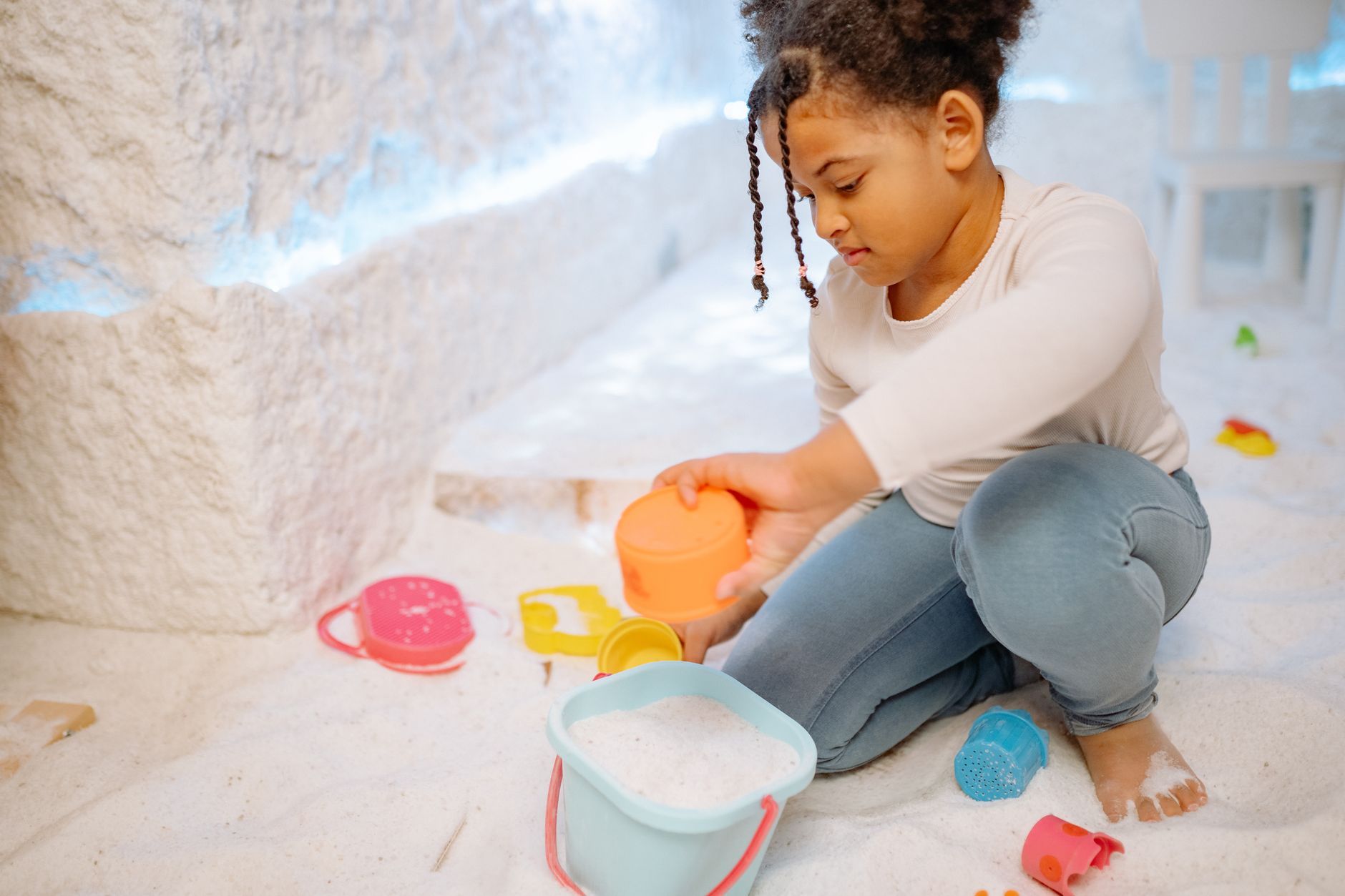
Before travelling, ensure your child's passport and any necessary visas are in order. Gather all medical records, including imaging on CD or USB, and bring copies of prescriptions. Pack comfort items such as a favourite toy, blanket, and pyjamas, as well as any special dietary needs. It is also wise to learn a few basic Turkish phrases, though interpreters will be available. Most importantly, prepare your child for the trip by explaining what will happen in simple, reassuring terms.
During your stay, keep a notebook with questions for the doctors and record instructions. Take advantage of the support services offered; they are there to help. Don't hesitate to ask for clarification if something is unclear. And remember to take care of yourself, too—eat well, rest when you can, and lean on your coordinator for emotional support. Your wellbeing is crucial to your child's recovery.
After returning home, follow the post-operative instructions carefully and attend any scheduled follow-up appointments, whether in person or via telemedicine. Share the discharge summary with your local paediatrician. Many families find that the experience, though challenging, leaves them with gratitude for the expertise and kindness they encountered in Türkiye. You are not alone on this journey; a whole team is dedicated to helping your child heal and thrive.
Thinking about treatment in Turkey?
Share your contact details and a verified doctor will follow up with a plan built around you — free, no obligation.