

Transparent Pricing: What Your Quote Includes
When you choose a Turkish clinic for your medical treatment, you’ll receive a detailed, all-inclusive quote before you commit. These quotes are designed to be clear and comprehensive, covering everything from the procedure itself to post-operative care, medications, and even airport transfers in many packages. Clinics understand that international patients need to plan finances carefully, so they break down costs line by line, ensuring no hidden fees.
You’ll typically see items such as surgeon fees, anesthesia, hospital stay, lab tests, and follow-up consultations listed separately. This transparency allows you to compare options and budget accurately. Many clinics also offer package deals that bundle services at a discounted rate, making world-class healthcare more accessible.
Before you proceed, you’ll have the opportunity to discuss the quote with an international patient coordinator, who can clarify any questions. This open communication is a cornerstone of Turkish medical tourism, ensuring you feel confident and informed every step of the way.
Secure Payment Options: Bank Transfers and Cards
Turkish clinics are well-versed in handling international payments and offer multiple secure methods to suit your preferences. Bank transfers (SWIFT) are the most common for larger amounts, providing a direct and traceable way to pay. Clinics provide full banking details, including IBAN and SWIFT codes, and will guide you through the process. Many also accept credit and debit cards (Visa, Mastercard, and sometimes Amex), which can be convenient for deposits or smaller balances.
For added security, some clinics use reputable online payment gateways that encrypt your financial information. You can often pay via secure links sent by email, avoiding the need to share card details directly. Always confirm the clinic’s preferred payment methods and ensure you’re using their official channels to avoid fraud.
It’s worth noting that while cards are widely accepted, some clinics may pass on the card processing fee (typically 2-3%). Bank transfers usually incur lower fees, especially for larger sums, but your home bank may charge a wire fee. Clinics are upfront about these costs, so you can choose the most economical option.

Timing Your Payments: Deposits and Balances
Most Turkish clinics require a deposit to secure your appointment and begin arranging your treatment plan. This deposit is typically a percentage of the total cost—often around 20-30%—and is payable once you confirm your dates. The deposit demonstrates your commitment and allows the clinic to allocate resources, such as scheduling your surgeon and reserving hospital beds.
The remaining balance is usually due upon arrival or before the procedure. Some clinics may ask for full payment before surgery, while others allow you to pay after your initial consultation. It’s essential to clarify the payment schedule upfront; your patient coordinator will provide a clear timeline. This structured approach ensures both parties are protected and minimizes last-minute stress.
Be sure to get a receipt for each payment, whether deposit or final balance. These receipts are not only for your records but also necessary for insurance claims or reimbursement from your home country’s health system.
Currency Considerations: Exchange Rates and Fees
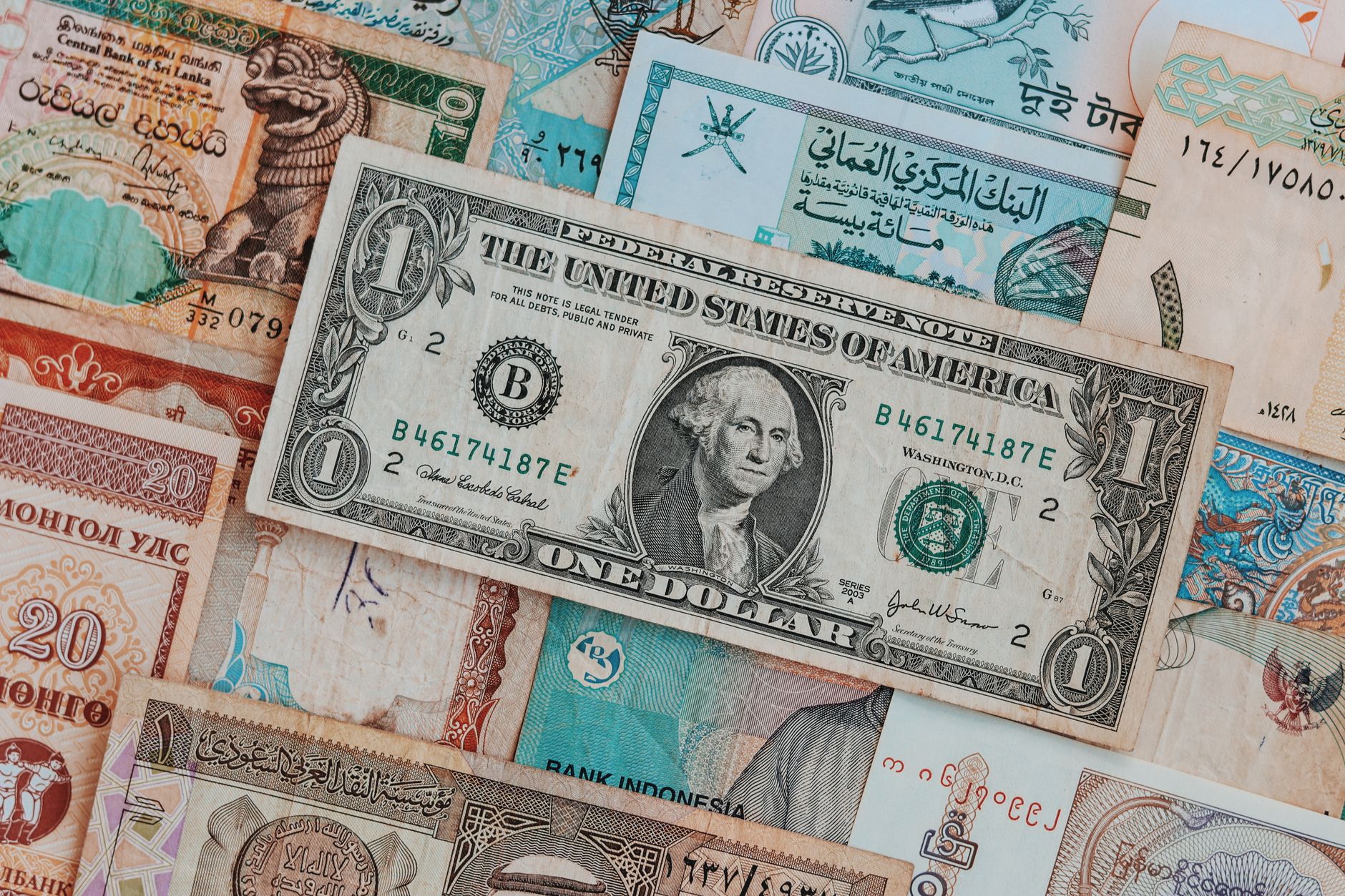
Turkish clinics typically quote prices in euros, US dollars, or Turkish lira, depending on the clinic and your preference. If you’re paying in a different currency, the clinic will convert at the prevailing exchange rate, which may include a small margin. It’s wise to check the current rate and compare with your bank’s rate to understand the final amount.
When using a credit card, your bank may apply a foreign transaction fee (usually 1-3%). Some cards offer no foreign transaction fees, so consider using one of those if available. For bank transfers, your bank might charge a wire fee, and intermediary banks could deduct a small amount. To avoid surprises, ask the clinic for the exact amount you need to send in your currency, and confirm who covers the transfer fees.
Keeping a buffer for currency fluctuations is also smart, especially if you’re paying in installments. Clinics are accustomed to international patients and can advise on the best payment timing to lock in favorable rates.

Receipts and Invoices for Insurance and Reimbursement
After each payment, the clinic will issue a detailed receipt and, upon request, a comprehensive invoice that includes itemized services, dates, and the clinic’s official details. These documents are essential if you plan to claim reimbursement from your insurance company or national health system. Turkish clinics are experienced in providing the necessary paperwork, often in English, to facilitate your claim.
Make sure the invoice includes your full name, the procedure performed, and the breakdown of costs. If your insurer requires specific codes or pre-authorization, inform the clinic in advance so they can accommodate. Some clinics even offer assistance in liaising with insurance companies, though this varies.
Keep copies of all receipts and invoices, both digital and physical, as you may need them for tax purposes or follow-up care. The professionalism of Turkish billing practices ensures you have everything you need for a smooth reimbursement process.
Professionalism and Transparency in Turkish Billing
Turkish clinics pride themselves on transparent and ethical billing practices. You’ll never be surprised by hidden charges; all costs are communicated clearly from the start. This commitment to transparency is reflected in the detailed quotes, the availability of multiple payment options, and the provision of proper documentation.
Many clinics have dedicated finance teams that speak English and can address any concerns. They understand that international patients are entrusting them with both their health and their finances, and they take this responsibility seriously. You can expect prompt responses to your queries and a respectful, patient-centered approach throughout.
In the unlikely event of a discrepancy, clinics are quick to resolve issues, ensuring your experience remains positive. This level of professionalism is one of the many reasons patients from around the world choose Türkiye for their medical care.
Thinking about treatment in Turkey?
Send us a question about this site or about the information published on it. This is a publisher's mailbox, not a medical service and not a route to a particular provider — for clinical questions, contact your own doctor.