

Why Türkiye Has Become a Trusted Medical Destination for African Patients
Türkiye has quietly become one of the world's busiest medical tourism destinations, and African patients are a big and growing part of that story. Turkish hospitals and clinics now welcome tens of thousands of visitors each year from Nigeria, Kenya, Ghana, Ethiopia, Somalia, Sudan, Libya, Egypt, South Africa, Tanzania, Senegal, Cameroon and beyond. The reasons are simple and human: high-quality care, modern technology, short waiting times and prices that are often a fraction of what the same procedure would cost in Europe or North America.
What makes the journey especially comfortable is that Türkiye and African nations share deep and growing ties. Turkish Airlines flies to more African cities than almost any other carrier in the world, and cultural, educational and business links between Türkiye and the continent have flourished for decades. Many clinics in Istanbul and Antalya have dedicated international patient departments with coordinators who speak English, Arabic, French and sometimes Somali, Swahili or Amharic. You are not arriving somewhere unfamiliar with your needs — you are arriving somewhere that has learned to welcome African patients well.
This guide walks you through the practical side of planning: how to get your visa, which cities to fly into, how to choose between Istanbul and Antalya, and how a good patient coordinator turns a complicated trip into a smooth one. Take it one step at a time. Thousands of patients have made this journey before you, and with good preparation, yours can be calm and well organised from the very first email.
Step One: Choosing the Right Clinic and Making First Contact
Before you think about flights or visas, start with the clinic. Ask for a written treatment plan that includes the recommended procedure, the expected length of stay, the total cost in a clear currency, and what is included (hospital fees, consultations, medication, follow-up, transfers). Reputable clinics will answer questions patiently by email or WhatsApp and will not pressure you to pay in full before you have had a proper medical review.
Check that the hospital or clinic has an international patient department and accreditation such as JCI, TEMOS or ISO certification. Ask how many patients from your country or region they treat each year, and whether they can connect you with former patients or testimonials. It is entirely reasonable to request a video consultation with the surgeon or doctor before committing. Good clinics expect this and make it easy.
Confirm exactly who your patient coordinator will be, their working hours, and the best way to reach them. Save their name, phone number and email in several places — your phone, a printed copy and a message to a family member. This single contact person will become the anchor of your whole trip, from visa letters to airport pickup, so take a moment to feel confident that you can communicate comfortably with them in English, French or Arabic.

Step Two: Understanding Turkish Visas for African Travellers
Visa rules depend on your nationality, so the first rule is: always verify with the official Republic of Türkiye e-Visa website or your nearest Turkish embassy before booking anything. Citizens of many African countries can apply online for an e-Visa, while others need to apply through a Turkish consulate. Requirements, fees and processing times can change, and only official sources should be trusted for the final word.
Some nationalities can obtain a visa on arrival or a sticker visa at the border under specific conditions, and some travellers holding valid visas or residence permits from Schengen countries, the UK or the USA may qualify for simplified entry. Do not rely on forum rumours — check your exact situation with the embassy or consulate that serves your country, and apply well ahead of your travel dates, ideally several weeks before your planned treatment.
This is where your clinic's coordinator becomes genuinely valuable. Most hospitals in Türkiye routinely issue visa invitation letters for international patients. This letter, printed on hospital letterhead, confirms your appointment, the treatment planned, the expected dates and often the estimated cost, and it can support your visa application. Ask your coordinator for one as soon as your treatment plan is confirmed, along with a copy of the hospital's accreditation documents if the consulate requests them. Keep digital and printed copies of everything — passport, visa, invitation letter, appointment confirmation — in your hand luggage.
Step Three: Booking Flights and Choosing Between Istanbul and Antalya
Turkish Airlines has one of the widest networks in Africa, with direct or very convenient connections from cities such as Lagos, Abuja, Accra, Nairobi, Addis Ababa, Khartoum, Cairo, Casablanca, Dakar, Johannesburg, Cape Town, Dar es Salaam, Kigali, Mogadishu and more. Other carriers, including Qatar Airways, Emirates, Ethiopian Airlines and Royal Air Maroc, also offer routes through their hubs. Usually you will arrive at Istanbul Airport or Sabiha Gökçen Airport, both of which handle international arrivals smoothly.
Choosing your city is largely a question of logistics. Istanbul is the giant of Turkish healthcare: it has the greatest concentration of JCI-accredited hospitals, the widest choice of specialists and the easiest access to direct flights from Africa. It is the natural choice for complex surgery, oncology, cardiology, organ transplantation, IVF and anything requiring a large multidisciplinary team. It is also a vibrant, historic city where you can recover with family around you.
Antalya, on the Mediterranean coast, is calmer and warmer. It has excellent private hospitals, particularly strong in hair transplantation, dental work, aesthetic and bariatric surgery, orthopaedics and wellness-focused recovery. If your procedure is straightforward and you value a quiet seaside setting for recuperation, Antalya can be ideal — but check that your specific treatment is available there before choosing it, and confirm that your flight route reaches Antalya directly or via Istanbul.
When booking, aim to arrive a day or two before your first appointment to rest, and leave enough buffer after discharge before your return flight — your doctor should confirm when it is safe to fly. Book flexible or changeable tickets where possible, since medical timelines sometimes shift.

Step Four: How Patient Coordinators Arrange Airport Pickup and Language Support
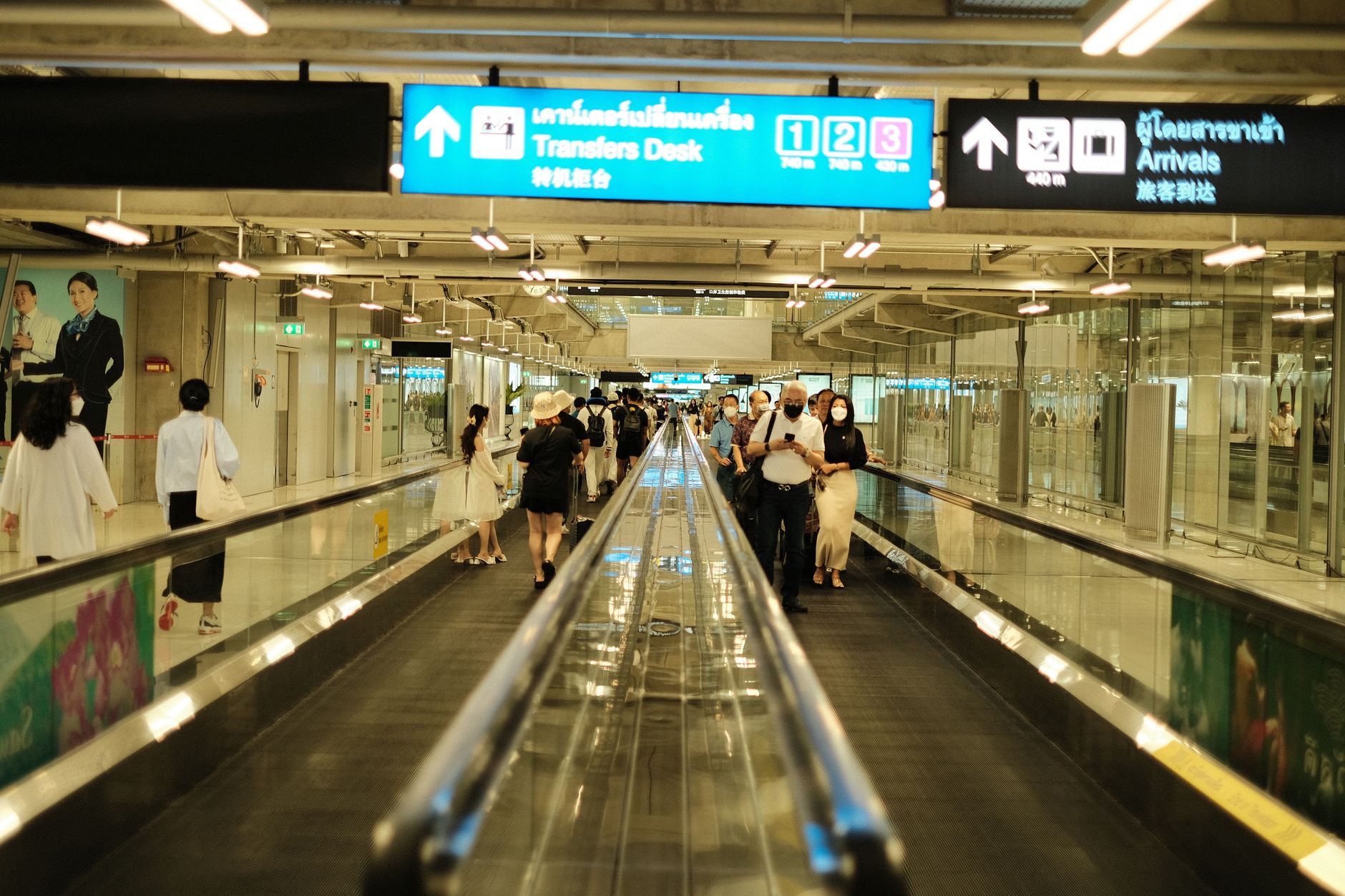
A well-organised coordinator will confirm your flight number and arrival time in advance and arrange a driver to meet you at the airport exit with a name board. Ask for the driver's name, phone number and the vehicle description before you travel, and make sure your coordinator is reachable on WhatsApp on arrival day. Transfers from Istanbul Airport to major hospitals usually take 30–60 minutes depending on traffic, so plan for the journey and keep water and any medication with you in your hand luggage.
Language support matters enormously when you are discussing medical decisions. Many Turkish clinics employ Arabic-, French- and English-speaking coordinators, and larger hospitals can provide professional interpreters for consultations, consent forms and discharge instructions. If your first language is Somali, Amharic, Swahili or another language, ask in advance whether an interpreter can be arranged, even by phone. Never sign a consent form you do not fully understand — a good clinic will always make time to explain.
Your coordinator should also help with the small but essential details: a hotel or guesthouse near the hospital, a local SIM card, appointments with the right specialists, help filling prescriptions, and a written discharge summary and medical report in English for your doctor at home. Ask for receipts and invoices for everything, in case you need them for insurance or reimbursement later.

Step Five: Budgeting, Companions and Practical Preparations
Plan your budget beyond the surgery. Include flights, visa fees, accommodation, meals, local transport, translation, medication and a modest emergency reserve. Ask the clinic for a clear written quote of what is included and what is not. If you are travelling with a companion — which is warmly encouraged for emotional support and practical help — confirm whether the clinic's package covers a second person for transfers and accommodation, or whether you need to budget separately.
Prepare a small medical folder: recent test results, imaging, a list of your current medications with doses, allergies, past surgeries and a letter from your doctor at home summarising your case. Bring these in both digital and printed form, and have them translated into English or Turkish if possible. Pack comfortable clothes, loose footwear for after surgery, and any medication you take regularly in your hand luggage, in original packaging, with a copy of your prescription.
Check your travel insurance and ask your clinic which complications or follow-up visits are covered and at what cost. Confirm your return airport transfer with your coordinator a day before departure, and ask for a final consultation and discharge report before you leave the hospital.
You Are in Good Hands
Travelling abroad for medical care takes courage, and it is completely normal to feel nervous. But it helps to remember that Türkiye and Africa are connected by daily flights, long friendships and thousands of patients who have made this same journey and returned home well. With an accredited clinic, a clear treatment plan, an invitation letter for your visa and a coordinator who speaks your language, the logistics become manageable.
Start early, ask questions freely, and keep everything in writing. Confirm your visa rules with official sources, choose Istanbul for the widest range of specialists or Antalya for a quieter recovery, and let your coordinator handle the airport and the appointments. Take one step at a time — you are not just planning a trip, you are taking a well-prepared step toward better health, and the welcome waiting for you in Türkiye is a warm one.
Thinking about treatment in Turkey?
Send us a question about this site or about the information published on it. This is a publisher's mailbox, not a medical service and not a route to a particular provider — for clinical questions, contact your own doctor.