

Why Türkiye's Holiday Calendar Is an Opportunity, Not an Obstacle
When planning a medical trip abroad, it's natural to worry about public holidays disrupting your treatment schedule. In Türkiye, however, the festive calendar—including Ramadan, Eid al-Fitr (Şeker Bayramı), Eid al-Adha (Kurban Bayramı), and national holidays—can actually work in your favour. Clinics across Istanbul and other cities are well accustomed to international patients and thoughtfully adjust their schedules to ensure continuity of care. Rather than seeing holidays as a hurdle, savvy medical travellers align their visits with quieter clinic weeks for a more personalised experience and a calmer recovery.
Türkiye's medical tourism industry is mature and responsive. During Ramadan, for example, many clinics extend evening hours to accommodate patients who are fasting, and they coordinate surgery times around meal schedules. During Bayram, while some administrative offices close, international patient teams remain on hand to assist with everything from airport transfers to post-operative check-ups. The key is knowing how to plan around these periods so you can benefit from the unique atmosphere of Turkish hospitality while receiving world-class medical care.
In this guide, we'll walk you through the major holidays, explain how clinics adapt, and offer practical strategies to align your consultation, surgery, and follow-up dates with quieter periods. We'll also highlight the warmth of Turkish hospitality during Ramadan and Bayram and how clinics help patients observe personal or religious routines comfortably.
Understanding Türkiye's Major Holidays and Their Impact on Medical Travel
Türkiye observes a mix of religious and national holidays. Ramadan is a month of fasting observed by many Muslims, followed by Eid al-Fitr (Ramadan Bayramı), a three-day celebration. Approximately two months later comes Eid al-Adha (Kurban Bayramı), a four-day holiday. National holidays include Republic Day (October 29), Labour and Solidarity Day (May 1), and Commemoration of Atatürk, Youth and Sports Day (May 19), among others. The dates of religious holidays shift each year based on the Islamic lunar calendar, so it's essential to check the exact dates for your planned travel year.
During Ramadan, while many locals fast from dawn to sunset, clinics remain open, though some may operate on reduced administrative hours. Medical staff are accustomed to supporting patients who are fasting, and they can adjust medication schedules or procedure times to accommodate religious observances. Eid al-Fitr and Eid al-Adha are public holidays where most businesses close for several days; however, hospitals and clinics maintain emergency services and often have on-call teams for international patients. National holidays are typically one-day closures, with little disruption to medical services.
The weeks immediately before and after major holidays can be busier as locals schedule procedures around their time off. Conversely, the holiday periods themselves often see a drop in local patient volume, making them ideal for international patients seeking quieter clinic environments and more flexible scheduling.
How Clinics Adjust Schedules During Ramadan and Bayram
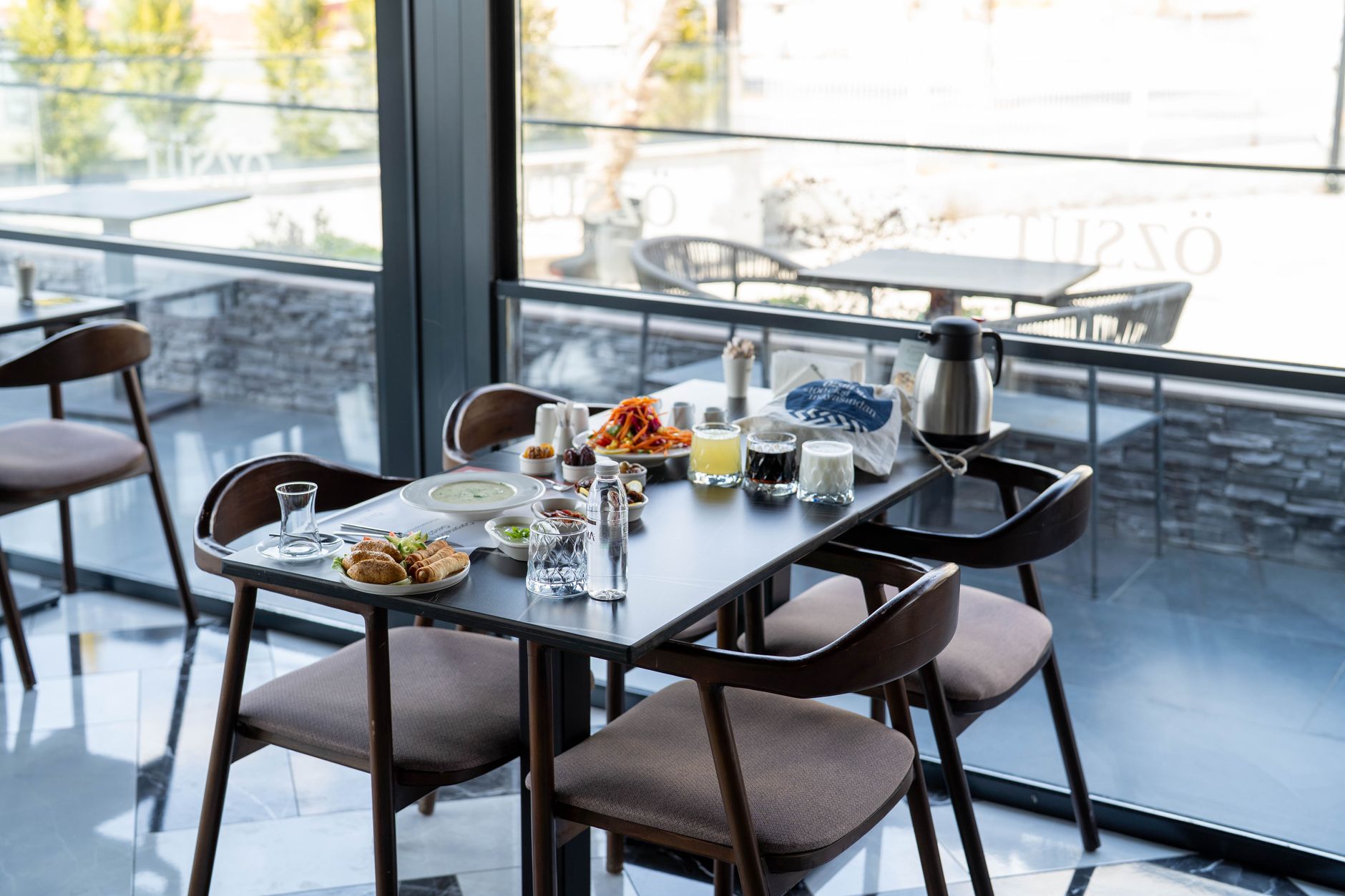
Turkish clinics are proactive in accommodating patients during religious holidays. During Ramadan, many hospitals adjust their outpatient hours to better serve fasting patients—offering appointments in the morning or extending into the evening after iftar (the evening meal breaking the fast). Surgical teams may schedule procedures earlier in the day to allow patients to recover and break their fast comfortably. Some clinics even provide iftar meals for patients who are staying overnight.
During Eid al-Fitr and Eid al-Adha, while administrative offices may be closed for a few days, essential medical services continue. International patient coordinators often work on rotation to ensure that arriving patients have support with transfers, accommodation, and urgent medical needs. Elective surgeries are typically not scheduled on the holiday days themselves, but consultations and post-operative checks can be arranged around them. Many clinics use these quieter periods to offer more personalised attention, as the usual rush of local patients subsides.
It's important to communicate your needs and expectations in advance. Reputable clinics will provide a clear schedule of when their team is available during holidays and can help you plan your trip so that your treatment proceeds without unnecessary delays. They can also advise on which days are best for consultations versus procedures, ensuring that your recovery period aligns with periods of lower clinic activity.
Strategic Timing: Aligning Your Medical Trip with Quieter Clinic Weeks
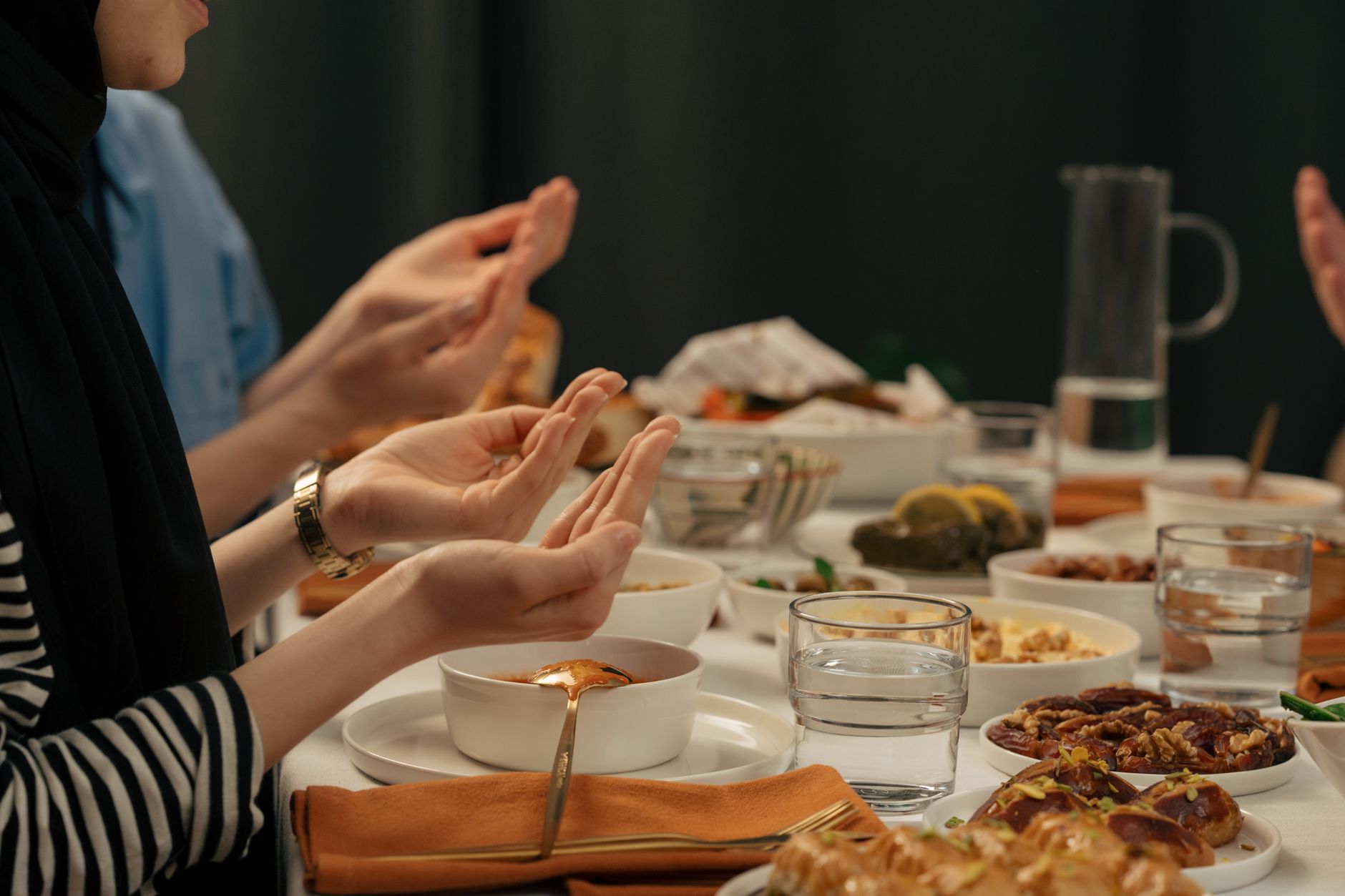
To enjoy a calmer recovery, consider scheduling your surgery or procedure during periods when clinics are less busy. The weeks during Ramadan often see reduced local patient volume, as many residents prefer not to undergo elective procedures while fasting. Similarly, the days immediately following Bayram can be quieter as locals return to work and normal routines. By planning your trip around these windows, you can benefit from more attention from medical staff and a more peaceful environment for recovery.
However, it's not just about avoiding busy times—it's also about ensuring that your follow-up care is not disrupted. For example, if you have surgery a week before a major holiday, you may find that your post-operative check-up falls on a day when some services are limited. Work with your clinic to map out your entire treatment timeline, including consultation, surgery, and follow-up appointments, and identify any potential holiday conflicts. Many clinics will proactively suggest adjustments to ensure continuity of care.
A good rule of thumb is to aim for a treatment window that allows at least a few days of clinic availability before and after your procedure. This ensures that any unexpected needs can be addressed promptly. Additionally, consider the weather and tourist seasons: spring and autumn are generally pleasant in Istanbul, making them ideal for combining medical care with a gentle exploration of the city during your recovery.
The Warmth of Turkish Hospitality During Ramadan and Bayram
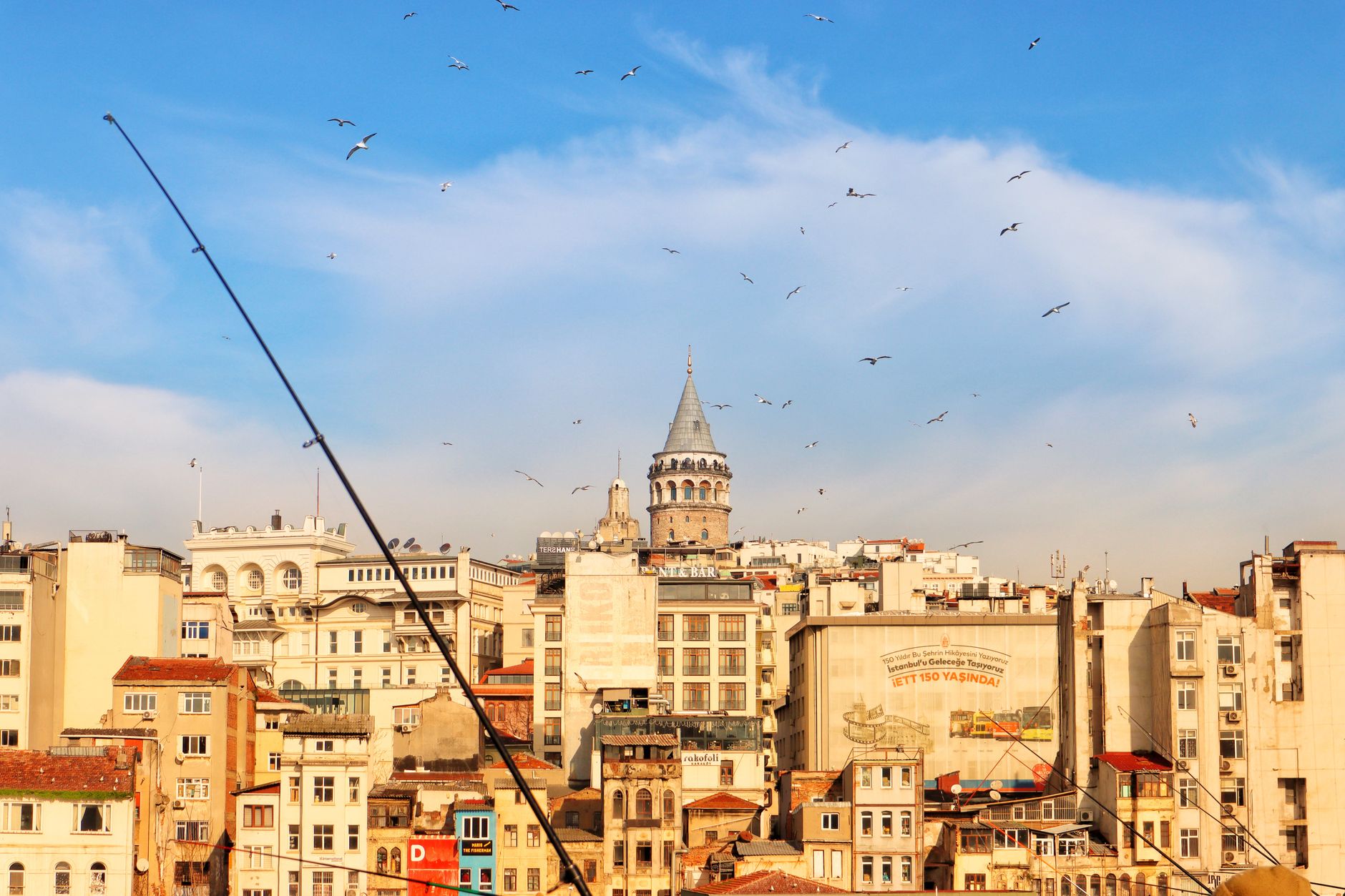
Ramadan and Bayram are times of heightened generosity and community spirit in Türkiye. International patients often find themselves warmly welcomed by clinic staff who go out of their way to make them feel comfortable. During Ramadan, many hospitals host iftar dinners for patients and their families, fostering a sense of togetherness. Even if you are not fasting, you are invited to share in the communal atmosphere and enjoy traditional Turkish cuisine.
Eid al-Fitr, known as Şeker Bayramı (Sugar Feast), is a joyful celebration where people exchange sweets and visit loved ones. Clinics may offer small gifts or treats to patients, and the festive mood is contagious. Eid al-Adha, the Feast of Sacrifice, is a time of charity and sharing; many clinics organise donations or community meals. As an international patient, you'll experience firsthand the legendary Turkish hospitality that extends beyond medical care.
This warmth can contribute positively to your healing process. Feeling cared for and included in cultural traditions can reduce stress and improve your overall well-being during your medical journey. Don't hesitate to ask your patient coordinator about any festive activities or iftar invitations—they are often delighted to include international guests.
Observing Personal and Religious Routines During Your Medical Trip
Turkish clinics are experienced in helping patients observe their personal or religious routines comfortably. If you are fasting during Ramadan, your medical team will work with you to adjust medication schedules, meal plans, and procedure times to ensure your safety and comfort. They can also provide guidance on permissible alternatives if fasting is not advisable for medical reasons. Many hospitals have prayer rooms (mescit) and can facilitate religious practices.
For patients with dietary restrictions, including halal, vegetarian, or other needs, clinics offer diverse menu options and can accommodate requests. If you require a quiet space for prayer or reflection, staff will gladly direct you to appropriate facilities. The respect for religious observance is ingrained in Turkish culture, so you can feel at ease discussing your needs with your care team.
It's always best to communicate your requirements in advance so that the clinic can prepare accordingly. Whether you need a fridge to store medication during fasting hours or assistance with arranging a private area for prayer, the international patient team is there to support you. This personalised approach ensures that your medical trip aligns with your values and beliefs.
Practical Tips for Booking Your Medical Trip Around Holidays
Start by researching the exact dates of Ramadan, Bayram, and national holidays for your travel year. The Islamic calendar shifts approximately 11 days earlier each year, so what was true last year may not hold. Once you have the dates, consult with your chosen clinic to understand their holiday schedule and any potential impacts on your treatment plan. Reputable clinics will be transparent about their availability and can help you choose the best dates.
Book your accommodation and flights early, especially if you plan to travel during Bayram when domestic tourism peaks and prices may rise. Consider staying in a hotel near the clinic to minimise travel during recovery. Also, arrange for travel insurance that covers medical complications and trip interruptions. Your clinic's international patient department can often recommend trusted partners for accommodation and transfers.
Finally, be flexible and build buffer days into your itinerary. Holidays can bring unexpected changes, such as increased traffic or limited public transport. Having extra time allows you to rest and adapt without stress. Remember that the goal is to receive excellent medical care while enjoying the unique cultural experiences that Türkiye offers—even during festive periods.
Conclusion: Embrace the Calendar for a Calmer, Warmer Medical Journey
Planning your medical trip to Türkiye around Ramadan, Bayram, and public holidays doesn't have to be daunting. With thoughtful timing and open communication with your clinic, you can turn these periods into opportunities for a more personalised, peaceful, and culturally enriching experience. The warmth of Turkish hospitality, especially during festive times, will make your medical journey memorable for all the right reasons.
By aligning your consultation, surgery, and follow-up dates with quieter clinic weeks, you can enjoy calmer recovery and attentive care. And by embracing the festive atmosphere, you'll experience the generosity and community spirit that define Türkiye. At Istanbul Medical Tourism, we're here to help you navigate these considerations and connect you with clinics that prioritise your comfort and well-being. Reach out to us today to start planning a medical trip that harmonises with Türkiye's vibrant calendar.
Thinking about treatment in Turkey?
Send us a question about this site or about the information published on it. This is a publisher's mailbox, not a medical service and not a route to a particular provider — for clinical questions, contact your own doctor.