

Why Travelling as a Couple Changes the Medical Tourism Experience
Medical tourism is often framed as an individual journey—one patient, one procedure, one recovery. But for many couples, a treatment trip to Türkiye is a shared decision and a shared experience. Having a partner by your side can ease anxiety, provide practical help during recovery, and make the entire process feel less clinical and more like a team effort. Turkish clinics have recognised this and increasingly extend warm, family-oriented support to couples who travel together.
The presence of a partner also brings logistical advantages: someone to handle paperwork, communicate with clinic staff, manage medications, and offer emotional reassurance. However, without clear roles and expectations, even the most supportive couple can feel overwhelmed. This guide will help you plan together, divide responsibilities, and create a recovery plan that keeps both partners involved and confident.
Before You Book: Shared Decision-Making and Research
The first step is to make the decision together. While the patient is the one undergoing treatment, the partner’s concerns and questions are equally valid. Schedule dedicated time to research clinics, compare options, and discuss goals. Turkish healthcare providers often welcome joint consultations—via video call or email—so both partners can ask questions and understand the process. Take advantage of this; it’s a chance to clarify expectations and reduce uncertainty.
Divide the research tasks. One partner might focus on comparing clinics and verifying accreditations (such as JCI or ISO), while the other looks into travel logistics, visa requirements, and accommodation near the hospital. Create a shared document or spreadsheet to track information, and set aside regular check-ins to review findings together. This collaborative approach ensures neither partner feels left out and helps catch details that might otherwise be missed.
Defining Roles: Who Does What and When
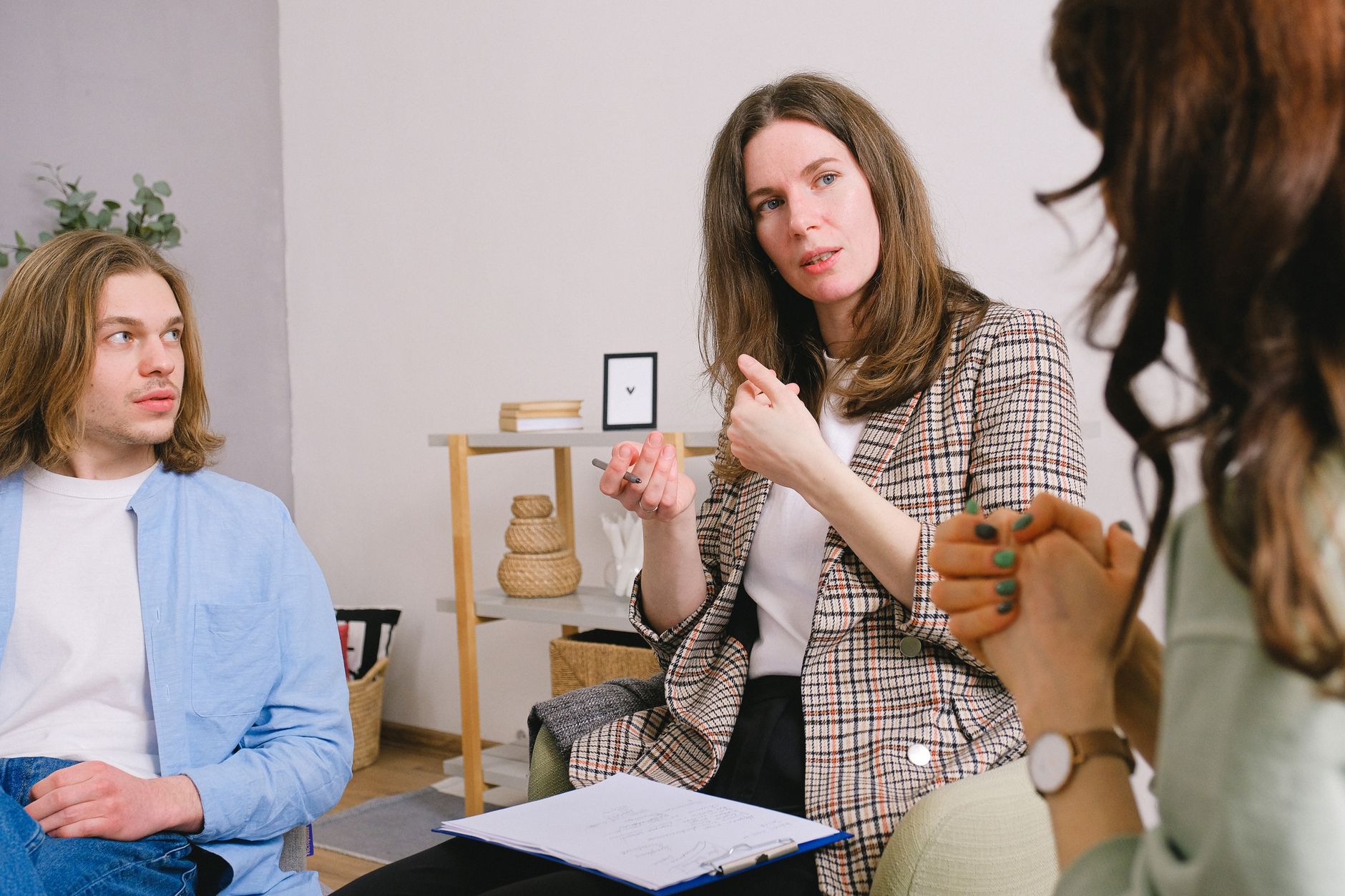
Clear role division prevents friction and ensures nothing falls through the cracks. Start by listing all tasks: booking flights, arranging accommodation, gathering medical records, organising medication schedules, handling finances, and planning post-treatment care. Then assign responsibilities based on each partner’s strengths and preferences. For example, one partner may be better at administrative tasks, while the other is more comfortable providing physical care.
Remember that roles can shift during the trip. The patient’s energy levels may fluctuate, so the partner should be prepared to take on more responsibilities during recovery. Conversely, the patient may want to maintain a sense of control by handling certain tasks. Discuss these dynamics openly before travelling, and agree on a signal for when one partner needs to step back or ask for help.
Practical Task Division Checklist
- Pre-trip: One partner manages clinic communication and medical records; the other handles travel bookings and accommodation.
- On arrival: One navigates the airport and transfers; the other confirms clinic appointments and reviews the schedule.
- During treatment: The partner liaises with medical staff and takes notes; the patient focuses on rest and following medical advice.
- Recovery: The partner manages medications and meals; the patient communicates needs and progress.
- Administrative: Split insurance claims, receipts, and follow-up appointments.

Preparing Emotionally and Logistically Together
Medical travel can be emotionally taxing. Both partners should prepare for a range of feelings—hope, anxiety, frustration, and relief. Turkish clinics often provide multilingual support and patient coordinators who can help navigate these emotions. Don’t hesitate to ask for a translator or counselor if needed. Some clinics also offer partner-inclusive consultations, where both can express concerns.
Logistically, ensure you have all necessary documents: passports, visas, medical records, prescriptions, and insurance details. Make copies (digital and physical) and store them in a shared folder. Discuss emergency contacts and how you’ll communicate with family back home. It’s also wise to learn a few basic Turkish phrases; locals appreciate the effort, and it can ease daily interactions.
“The most successful medical trips are those where couples act as a team—each knowing their role but flexible enough to adapt when circumstances change.”
Planning Recovery Time: Creating a Supportive Environment
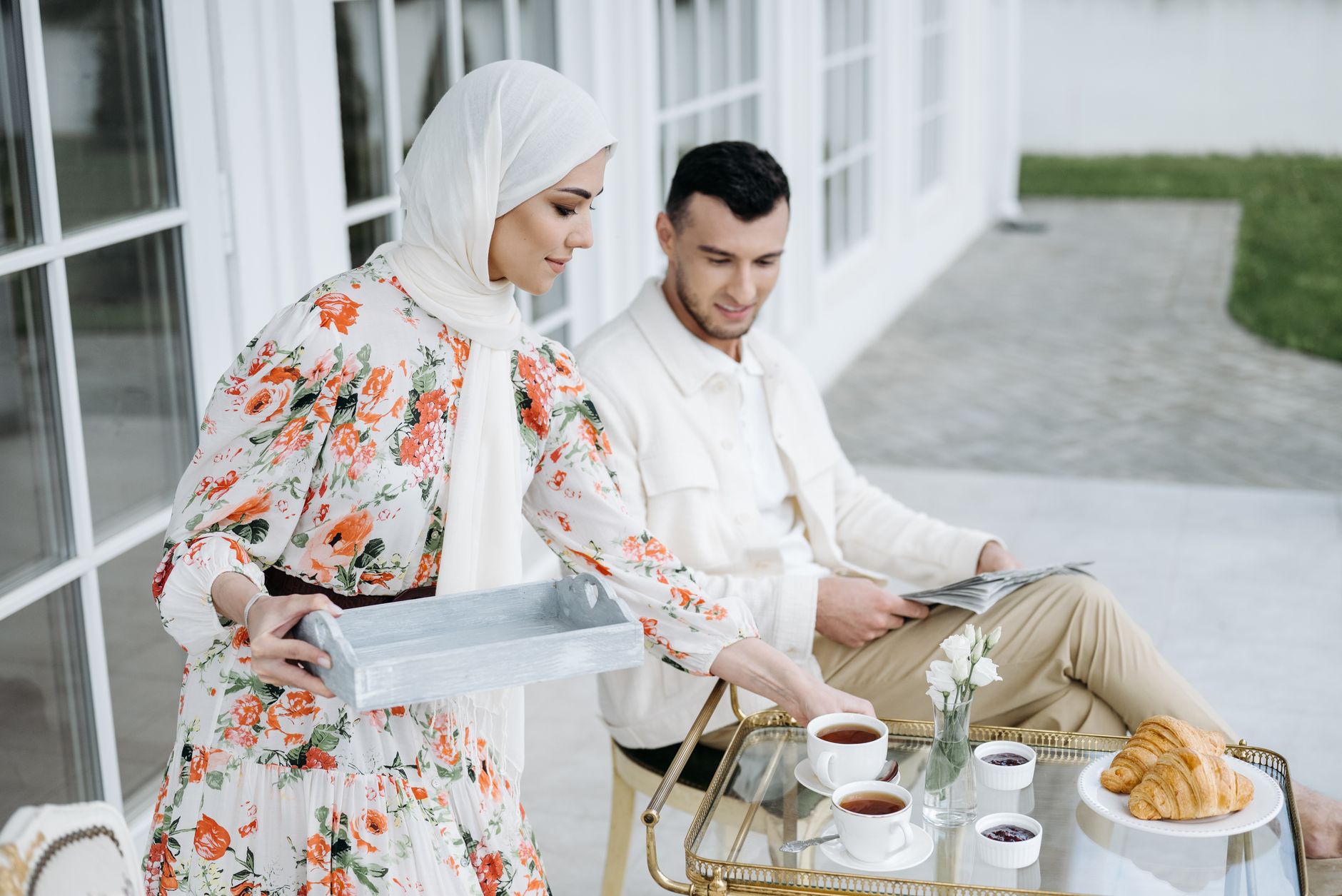
Recovery is a critical phase, and the partner’s role is often most intense here. Before travelling, discuss what recovery will look like: How mobile will the patient be? What restrictions apply? Will assistance be needed with daily activities? Choose accommodation that supports recovery—close to the clinic, with comfortable amenities, and ideally with a kitchenette for preparing healthy meals.
Plan a realistic schedule that includes rest periods and light activities. Turkish clinics often provide detailed post-operative instructions; review these together and create a daily routine. The partner should take the lead on medication reminders and meal preparation, while the patient focuses on rest and gentle movement as advised. Agree on a communication style—some patients prefer quiet support, while others want conversation and distraction. Be patient and adaptable.
Sample Recovery Day Plan
- Morning: Partner prepares breakfast and medications; patient does gentle stretching if approved.
- Midday: Light walk (if advised) or rest; partner checks for any clinic appointments.
- Afternoon: Rest or quiet activity; partner handles any administrative tasks.
- Evening: Partner prepares dinner; both review the day and note any concerns for the clinic.

Exploring Istanbul Together: Balancing Treatment and Enjoyment
While treatment is the priority, a trip to Türkiye can also be an opportunity to experience a new culture together. Istanbul offers a wealth of gentle activities suitable for recovery periods—strolls along the Bosphorus, visits to serene mosques, or relaxing in a traditional tea garden. Turkish clinics often encourage light activity as part of recovery, so consider incorporating short, low-impact outings when the patient feels up to it.
Plan these activities flexibly. What works on one day may not on another, so have backup options. The partner can scout locations in advance, checking accessibility and proximity to the accommodation. These shared moments can strengthen your bond and provide a welcome distraction from medical concerns.
After the Trip: Follow-Up and Ongoing Support
Once back home, the partner’s role continues. Help schedule follow-up appointments, manage any ongoing medications, and monitor recovery progress. Turkish clinics typically provide remote follow-up via phone or video call, so ensure both partners know how to access these services. Keep a shared log of symptoms, questions, and milestones to discuss with healthcare providers.
Reflect on the experience together—what worked well, what was challenging, and how you supported each other. This can be valuable for any future medical needs and reinforces your partnership. Remember that the warmth and support you experienced in Türkiye can be mirrored at home through continued open communication and teamwork.
Travelling to Türkiye for treatment with your partner can be a profoundly bonding experience when approached with careful planning and mutual understanding. By dividing tasks, setting clear expectations, and supporting each other through every phase, you can face the journey with confidence and emerge stronger together.
Thinking about treatment in Turkey?
Send us a question about this site or about the information published on it. This is a publisher's mailbox, not a medical service and not a route to a particular provider — for clinical questions, contact your own doctor.