

Why Extend Your Stay After Surgery?
Surgery is only the first chapter of recovery. Whether you have undergone a knee or hip replacement, spinal fusion or discectomy, or a cardiac bypass or valve procedure, the weeks that follow the operation determine how much function you regain. Many international patients fly home within days of discharge and then struggle to find coordinated, intensive physiotherapy at home. Extending your stay in Türkiye for a structured rehabilitation programme allows you to move directly from the surgical ward into supervised recovery, without the stress of a long flight and unfamiliar follow-up care.
Istanbul Medical Tourism works with clinics and rehabilitation centres that understand this continuum. Instead of treating physiotherapy as an afterthought, we help patients plan an extended stay in which clinical sessions, medical monitoring, rest and gentle leisure fit together into a single, coherent recovery journey. The result is a calmer, better-supported convalescence and, in most cases, a stronger and more confident return to normal life.
This guide explains how extended rehabilitation stays work in Türkiye, what a typical programme includes, why the country's rehabilitation expertise and climate are so well suited to convalescence, and how to plan the practical details of a longer visit.
The Difference Between a Holiday and a Rehabilitation Stay
An extended rehabilitation stay is not simply a longer holiday with a few physiotherapy appointments added. It is a clinically designed programme in which every element — from the frequency of sessions to the type of accommodation, the pace of the day and the amount of rest — is chosen to support tissue healing and functional recovery. For orthopaedic patients, that may mean two physiotherapy sessions a day in the early weeks, gradually reduced as strength returns. For spinal patients, it may mean a carefully graded programme of core stabilisation, hydrotherapy and posture retraining. For cardiac patients, it means supervised exercise within safe heart-rate limits, combined with education on nutrition, medication and risk factors.
Equally important is the setting. Recovery is not only a physical process; it is psychological. A restful environment with natural light, green space, warm weather, good food and low stress supports sleep, mood and motivation — all of which influence how consistently a patient engages with rehabilitation. This is why the best programmes pair clinical rigour with a genuinely restorative environment rather than a clinical, hospital-like atmosphere.
In practice, patients who extend their stay tend to arrive at their rehabilitation centre within a few days of discharge, once their surgeon confirms they are stable enough to transfer. From there, the programme unfolds in phases, with regular reassessment and clear communication between the rehabilitation team, the operating surgeon and, where relevant, the patient's doctors at home.
Türkiye's Rehabilitation Expertise
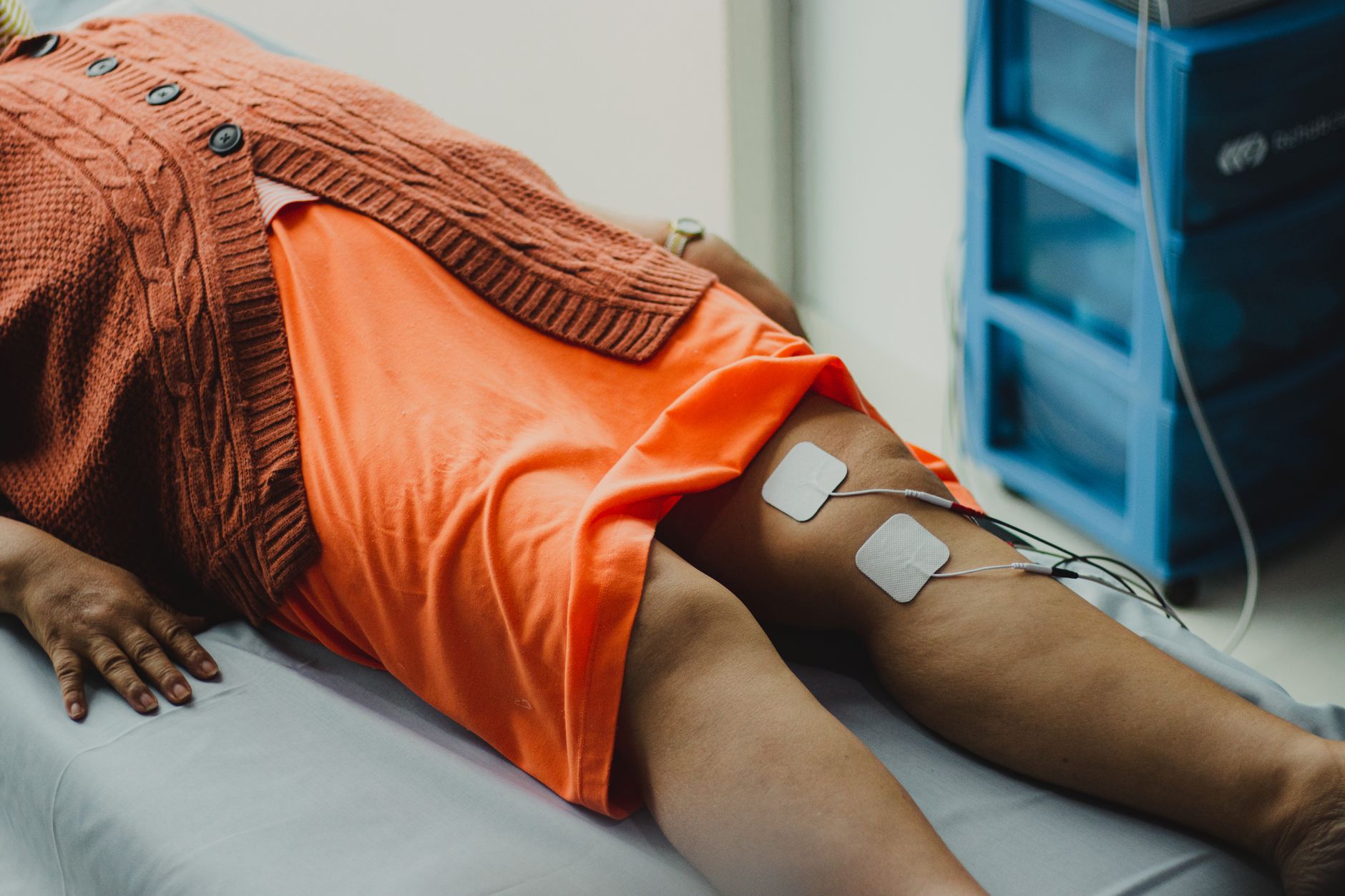
Türkiye has invested heavily in physical medicine and rehabilitation over the past two decades. Major cities such as Istanbul, Ankara and Izmir host modern rehabilitation hospitals and specialist centres equipped with hydrotherapy pools, gait laboratories, robotic and body-weight-supported gait training systems, isokinetic strength testing and dedicated cardiac rehabilitation units. Many centres are staffed by physiatrists (specialists in physical medicine and rehabilitation), physiotherapists, nurses, dietitians, psychologists and, where needed, cardiologists and orthopaedic surgeons working as a team.
This expertise is reinforced by volume. Turkish clinicians treat a very large number of both domestic and international patients, and the country has become a recognised destination for musculoskeletal and neurological rehabilitation. Turkish rehabilitation professionals are typically trained to European standards, many speak English, and international patient departments are accustomed to coordinating with foreign insurers, embassies and referring physicians.
For post-operative patients, this means access to evidence-based protocols: early mobilisation after joint replacement, graded loading after spinal surgery, and monitored exercise training after cardiac events. Where a patient's surgeon at home has specific restrictions — for example, hip precautions after a posterior-approach replacement — the Turkish team will follow them, provided they are communicated clearly in advance.
Why Türkiye's Climate Supports Convalescence
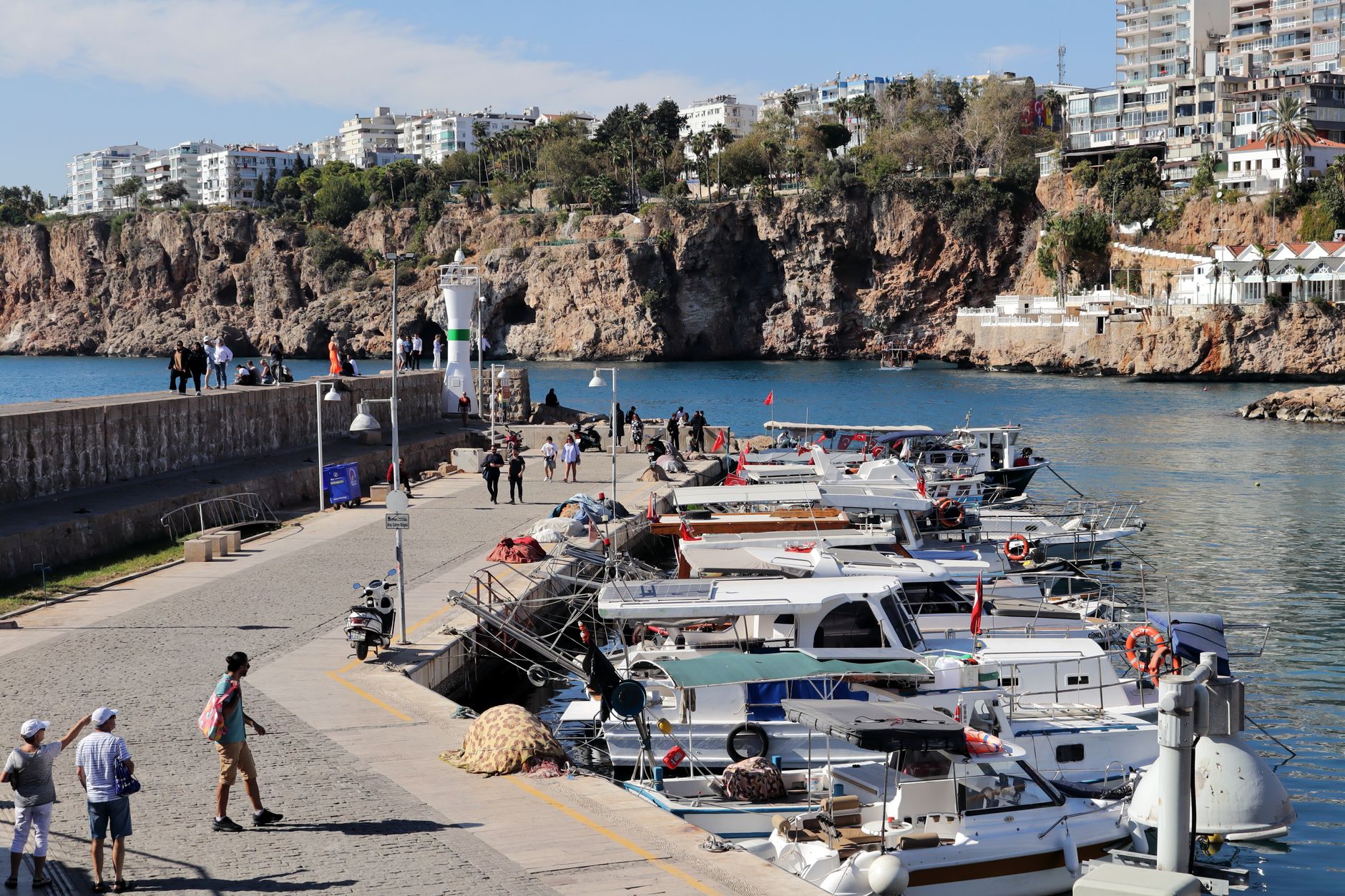
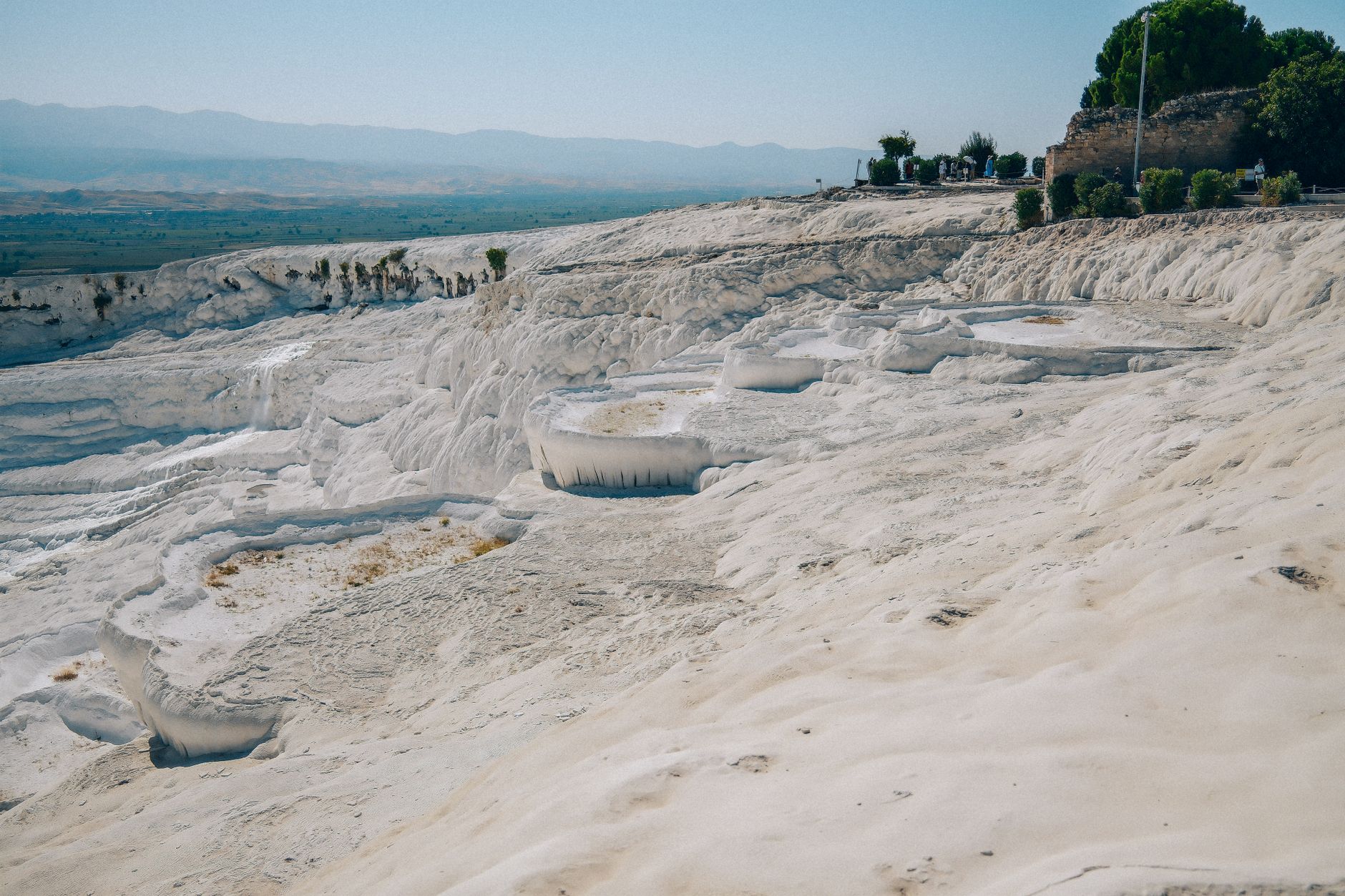
Recovery is easier when the body is not fighting the weather. Türkiye's varied geography offers a remarkable range of climates within a short flight: the temperate, sea-moderated climate of Istanbul and the Marmara coast; the long, sunny seasons of Antalya and the Mediterranean Riviera; the dry, clean air of the Anatolian plateau around Ankara; and the thermal spring regions of the interior, long used for therapeutic bathing.
For most post-operative patients, the ideal is a mild, stable climate with plenty of daylight and low humidity — conditions that make daily walking practice pleasant, encourage outdoor mobility and support good sleep. Coastal areas such as Antalya, Bodrum and Izmir offer warm, dry summers and mild winters, while Istanbul provides a temperate climate with four distinct but generally moderate seasons and excellent medical infrastructure.
Access to sunlight and outdoor space matters more than it might seem. Vitamin D supports bone healing, daylight helps regulate mood and sleep, and a pleasant environment encourages patients to walk a little further each day. Many rehabilitation hotels and resorts are designed around gardens, pools and seafront promenades precisely so that therapy can extend beyond the treatment room into gentle, enjoyable activity.
What a Typical Extended Rehabilitation Stay Includes
Programmes vary by procedure and by centre, but most extended stays share a common structure. The following elements are typical of the packages coordinated through Istanbul Medical Tourism.
- Initial assessment and goal setting: a physiatrist and physiotherapy team review your surgical notes, imaging and restrictions, assess your current function and agree measurable goals for the stay.
- Individual physiotherapy: one-to-one sessions, typically five or six days a week, covering range of motion, strength, gait and balance training, manual therapy and functional retraining.
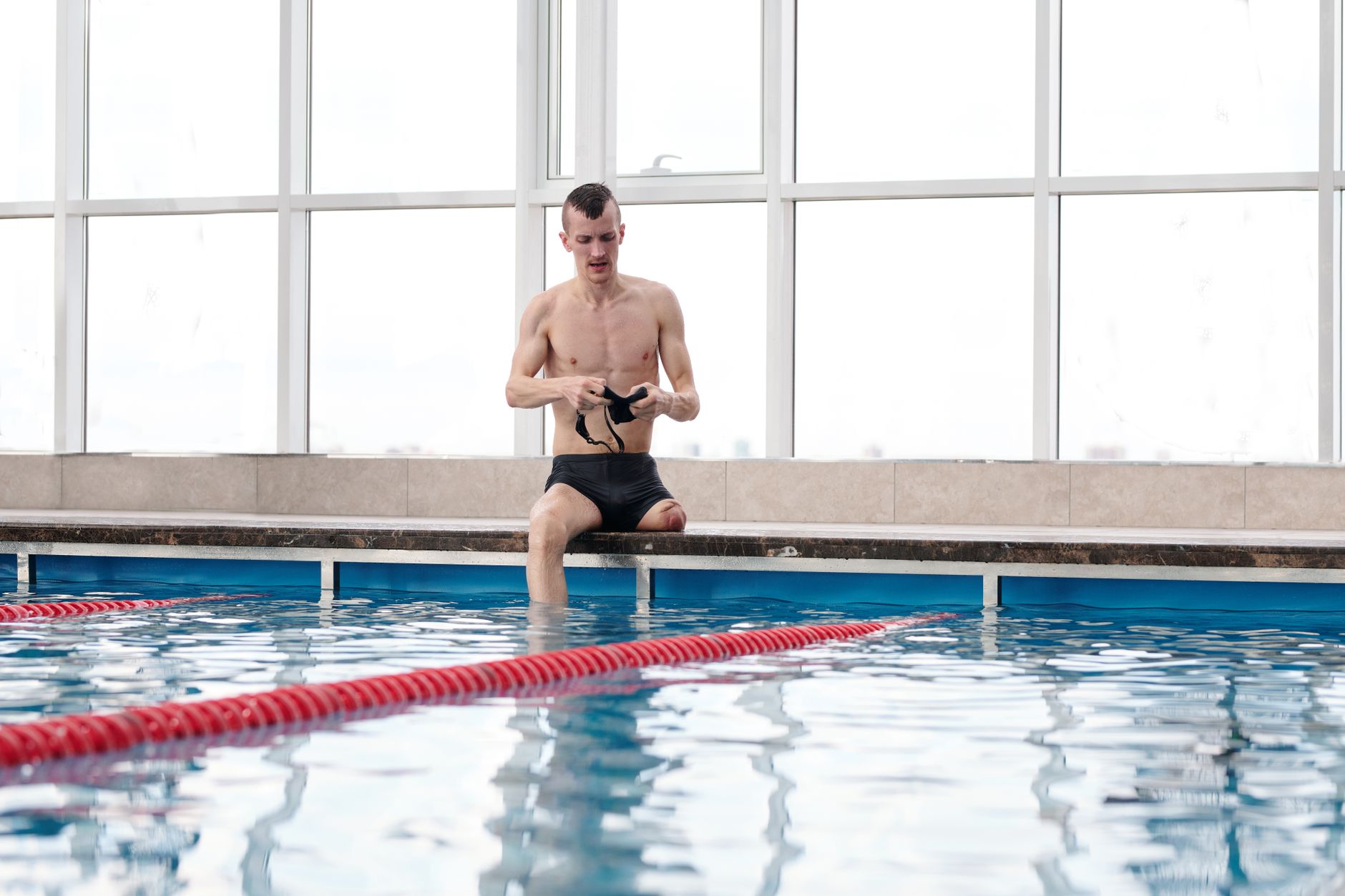
- Hydrotherapy and pool sessions: warm-water exercise reduces joint loading and is especially valuable after joint replacement and spinal surgery.
- Cardiac rehabilitation (where relevant): supervised exercise with ECG and heart-rate monitoring, plus education on nutrition, medication and cardiovascular risk.
- Nursing and medical follow-up: wound checks, medication management, blood tests where indicated, and prompt access to a doctor if concerns arise.
- Education and self-management: home exercise programmes, posture and lifting advice, and guidance for family members or carers.
- Accommodation and transfers: accessible rooms, airport and hospital transfers, and help with mobility equipment such as walkers, crutches or shower chairs.
- Rest and leisure: protected time for sleep, gentle walks, reading and relaxation, with optional light cultural activities as recovery allows.
Stays commonly range from two to six weeks, depending on the procedure and the patient's progress. A knee replacement might warrant three to four weeks of intensive rehabilitation; a spinal fusion might require a gentler, longer programme; a cardiac bypass patient might follow a four-week monitored exercise and education programme. The plan is reviewed weekly so that the length of stay can be adjusted to actual progress rather than a fixed guess.
Combining Clinical Sessions with Restful Recovery Settings
The most successful programmes deliberately balance effort and rest. Physiotherapy is a form of training, and tissue heals during recovery, not during exercise. A well-designed day might include a morning physiotherapy session, a pool session or supervised walk, a long lunch, an afternoon rest, a second shorter session or education class, and an early, unhurried evening. This rhythm allows patients to work hard in short bursts without exhausting themselves.
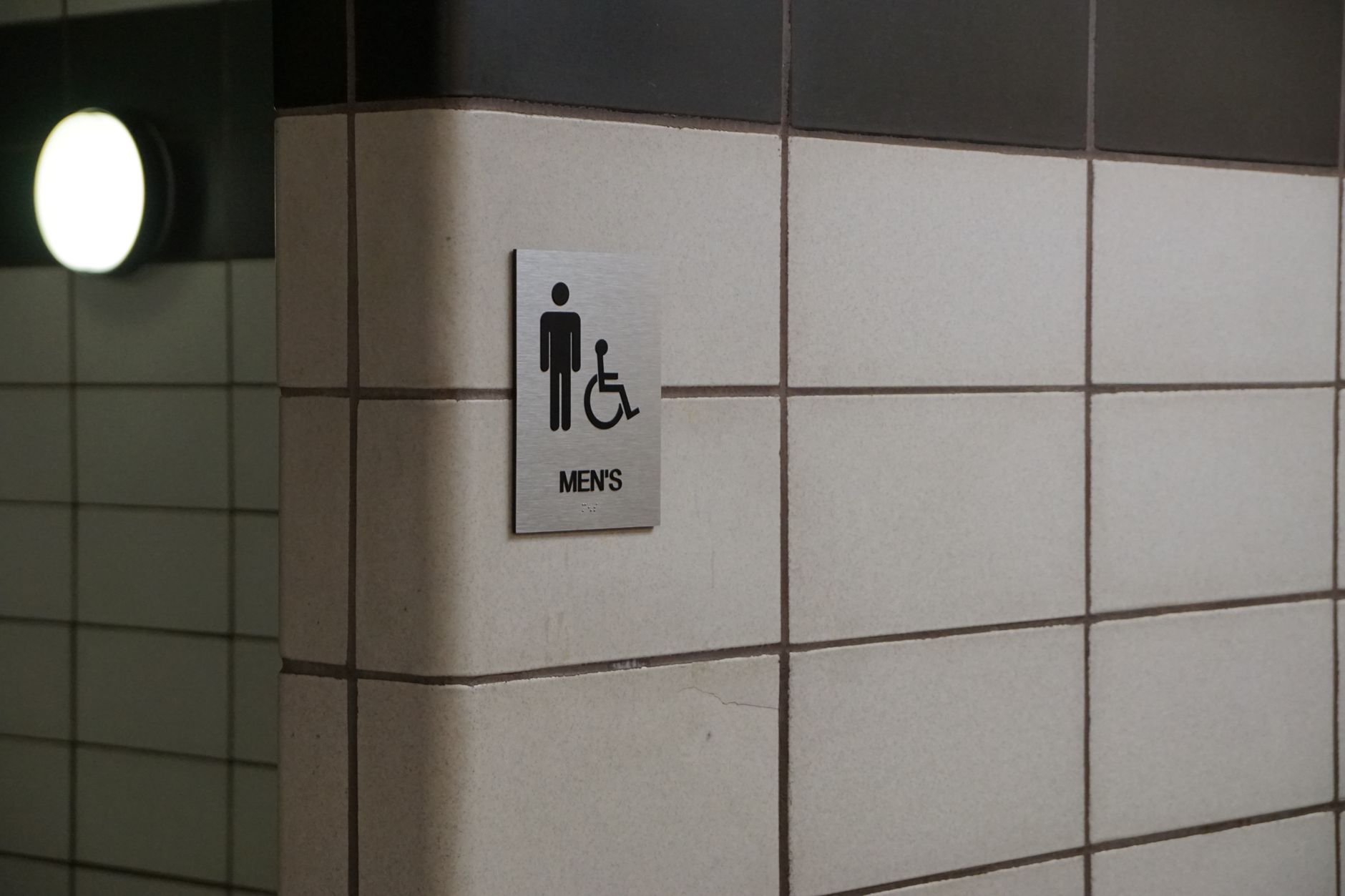
Accommodation is chosen with this in mind. Accessible rooms without steps, bathrooms with grab rails and shower seats, reliable lifts, quiet surroundings and comfortable beds all reduce the risk of falls and fatigue. Many centres are located near parks, promenades or gardens so that walking practice becomes a pleasure rather than a chore.
Psychological support is part of this picture too. Anxiety and low mood are common after major surgery, and they can slow rehabilitation. Access to a psychologist, patient groups or simply a calm, encouraging environment can make a real difference. Family members are welcome to stay nearby, and many centres offer accommodation for a companion.
Recovery is not a race. The aim of an extended stay is to give your body the time, the expertise and the calm it needs to heal properly — and to send you home stronger than a rushed discharge would allow.
Practical Planning: Visas, Insurance and Timing
Planning an extended stay requires attention to paperwork as well as therapy. Citizens of many countries can enter Türkiye visa-free or with an e-visa for short stays, but a rehabilitation stay of several weeks may require a longer visa or a residence permit for medical treatment. Our team advises patients to check current rules with the nearest Turkish consulate well before travel and to carry copies of medical reports, surgical notes and appointment letters.
Travel insurance and, where applicable, private medical insurance should be confirmed in advance. Ask whether your policy covers rehabilitation, extended stays and physiotherapy abroad, and clarify what documentation is needed. Our international patient coordinators can provide treatment plans and cost estimates for insurers.
Timing matters too. Patients should be medically stable before flying, and airlines have their own rules about flying after surgery — particularly after cardiac procedures or with recent wounds. Your surgeon's clearance should always take precedence. Once in Türkiye, transfers are arranged with appropriate vehicles and, where needed, medical escorts.
Choosing the Right Destination for Your Recovery
Different patients benefit from different settings. Istanbul offers the widest choice of hospitals and rehabilitation centres, excellent transport links and a temperate climate, making it a strong choice for complex cases or patients who want a major city's medical resources. Antalya and the Mediterranean coast offer sunshine, sea air and resort-style rehabilitation hotels, ideal for orthopaedic patients who want to combine therapy with a genuinely restful environment. Izmir and the Aegean coast provide a similar balance, while Ankara and the interior are known for specialist rehabilitation hospitals and thermal spring traditions.
The right choice depends on your procedure, your mobility, the season and your personal preferences. A cardiac patient may prioritise proximity to a major cardiology centre; a knee replacement patient may prioritise a warm coastal climate and a pool. Our coordinators help match each patient to a centre and setting that fits both clinical needs and comfort.
Wherever you choose, the goal is the same: a structured, supervised rehabilitation programme embedded in a calm and pleasant environment, so that the weeks after surgery become a period of steady, supported progress rather than anxious waiting. With careful planning, an extended stay in Türkiye can turn recovery into a genuinely restorative experience.
Thinking about treatment in Turkey?
Send us a question about this site or about the information published on it. This is a publisher's mailbox, not a medical service and not a route to a particular provider — for clinical questions, contact your own doctor.