

Why Wound Care Is a Structured Part of Turkish Clinic Care
In Türkiye, post-operative wound care is not left to chance or vague recollection. Clinics that serve international patients typically treat wound management as a formal phase of the treatment plan, with written dressing schedules, scheduled review appointments and discharge instructions translated into the patient's language. This structure is deliberate: it protects the surgical result, reduces the risk of infection and gives you a clear framework for the days between discharge and your flight home.
Most Istanbul and Antalya clinics follow a similar rhythm. You will usually have a wound check before discharge, often 24 to 72 hours after surgery, and at least one further review appointment before you fly. The exact schedule depends on the procedure — a hair transplant or rhinoplasty follows a different timeline from an abdominoplasty or bariatric surgery — but the principle is the same: predictable checks, documented observations and explicit instructions for what to do between visits.
What matters for you as a patient is to understand that this schedule is a plan, not a suggestion. Keeping the review appointments and following the dressing instructions exactly as written gives your clinical team the best chance to detect any issue early, while you are still in the country and close to the clinic.
What Happens Before You Leave the Clinic
Before discharge, a nurse or surgeon will usually change the dressing for the first time, inspect the wound and record its appearance — edges, redness, swelling, drainage and any signs of tension. You should expect this first change to be done by a clinician, not by you. It is also the moment when you can ask questions and see the technique demonstrated. Take notes or ask for the instructions in writing; reputable clinics provide them as a printed sheet or a digital document in your language.
Ask specifically about the dressing type and the date of the next change. Clinics commonly use modern, low-adherence dressings, silicone-based products, or simple gauze and tape depending on the wound. You should be told whether the dressing is to stay dry, whether showering is permitted and how, and what to do if it becomes soiled or wet. You should also receive a contact number for the clinic's international patient coordinator and an after-hours number for urgent concerns.
Confirm the date and time of your review appointment and how you will get there. Many clinics arrange transport; if not, ask for the address in Turkish and keep it on your phone. Finally, check that you have enough supplies to last until your review and, ideally, until you fly home. Clinics generally provide a small take-home kit, but it is reasonable to ask for extra dressings, gloves and saline if your departure is more than a few days away.
Your Dressing Schedule: What to Expect Day by Day
Dressing schedules vary by procedure, but the logic is consistent. In the first 24 to 48 hours, the priority is to keep the wound clean and undisturbed. Most clinics ask you to leave the original dressing in place unless it becomes wet or heavily soiled. After the first review, the frequency of changes depends on the wound: simple, clean incisions may need changing every two to three days, while wounds with drains or larger excision areas may need daily attention.
You will usually be given a written schedule that looks something like this: day 0 to day 2 — original dressing intact; day 3 — clinic review and dressing change; day 5 — dressing change at the clinic or by a nurse; day 7 to day 10 — suture or staple removal for many procedures, with a final wound check before departure. Your own schedule may differ, and the written instructions from your clinic take precedence over any general guidance.
Between appointments, your role is straightforward: keep the dressing dry and intact, avoid pulling or stretching the wound, and observe. You are not expected to make clinical judgments, but you are expected to notice changes and report them. If a dressing becomes loose, wet or soiled, it should be changed rather than left in place — either at the clinic or, if you have been taught how, yourself using the supplies provided.

Wound-Care Supplies to Expect from Your Clinic
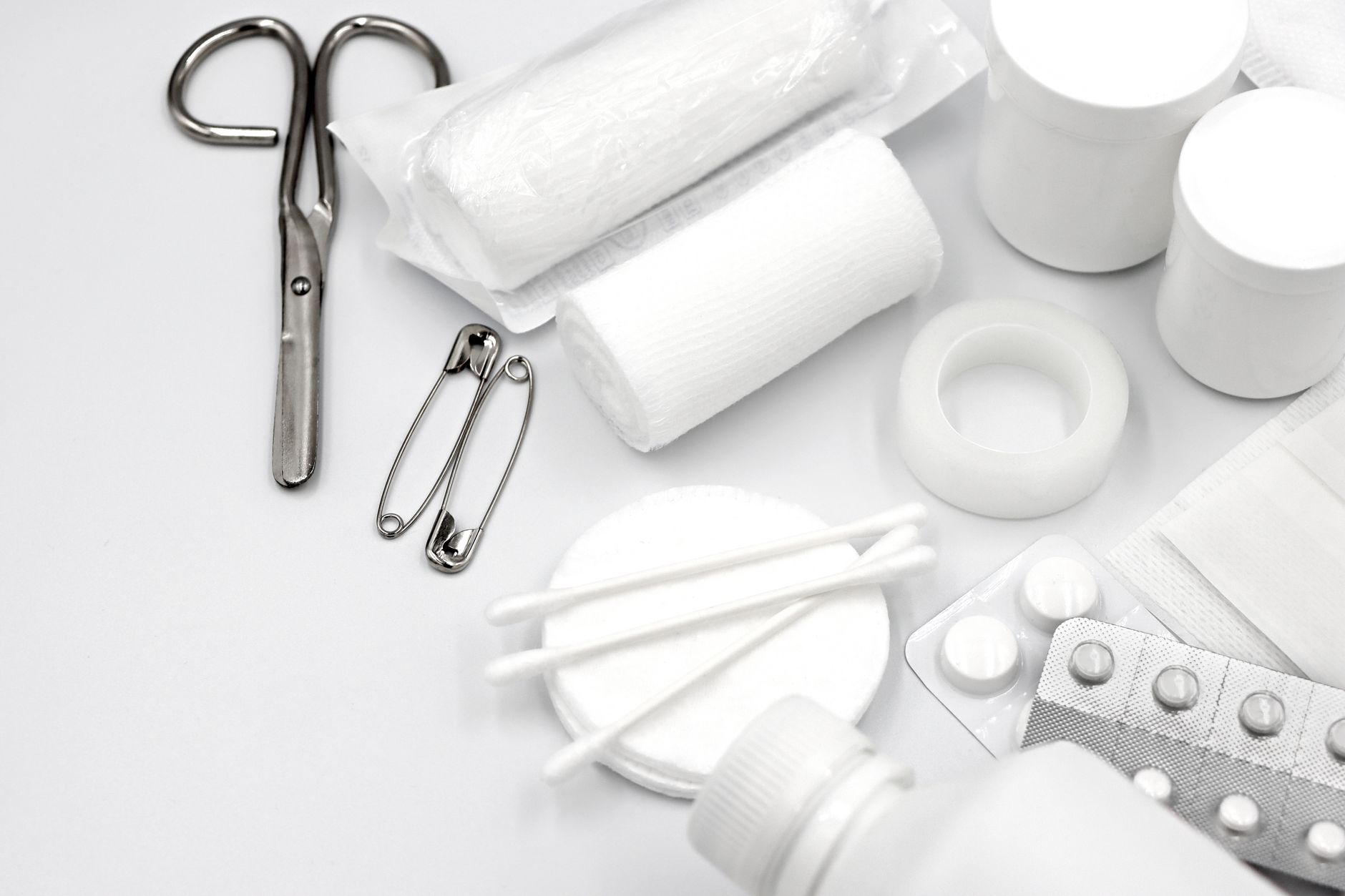
Turkish clinics that treat international patients typically send you home with a practical wound-care kit. The contents vary, but you should expect some combination of sterile gauze, non-adherent dressings, medical tape, sterile saline or cleaning solution, gloves, and sometimes an antiseptic solution such as povidone-iodine or chlorhexidine. For larger wounds, you may receive absorbent dressings or foam dressings. You may also be given a small scissors or a measuring guide, though these are less common.
It is worth checking the kit before you leave. Ask whether the dressings are the same type used at your review, whether you have enough for the planned changes, and whether you need to buy anything additional from a pharmacy. Turkish pharmacies (eczane) are well stocked and staff are used to helping international patients, but brand names differ from those at home. If you are unsure, ask the clinic to write down the product names in Turkish so you can show the pharmacist.
Do not improvise with household materials. Cotton wool, paper towels and ordinary adhesive tape are not substitutes for sterile dressings, and they can irritate the wound or leave fibres behind. If you run out of supplies, contact the clinic or visit a pharmacy with your written list rather than making do.
How to Change a Dressing After You Leave the Clinic
If your clinic has taught you to change your own dressing, follow their technique exactly. The general principles are consistent: wash your hands thoroughly with soap and water and dry them, or use hand sanitiser; prepare all supplies before you start; remove the old dressing gently, without pulling on the wound; clean the wound as instructed, usually from the centre outwards; apply the new dressing without touching the wound-contact surface; and secure it with tape, avoiding tension on the skin.
Work in a clean, well-lit space and keep pets and children away. Do not soak the wound or use hydrogen peroxide, alcohol or strong antiseptics unless your clinic has specifically told you to; these can slow healing and irritate tissue. If the old dressing sticks, moisten it with sterile saline and wait a moment rather than pulling. If you see resistance or the wound bleeds, stop and contact the clinic.
Record what you see — the date and time, the appearance of the wound, any drainage and its colour, and whether there is odour or increasing pain. A simple note on your phone is enough. This record is useful at your review and, if you need to contact the clinic remotely, it gives the clinical team concrete information to work with.
Warning Signs: When to Contact the Clinic Immediately
Most wounds heal without incident, but some changes warrant urgent contact with your clinic rather than waiting for the next appointment. Seek advice the same day if you notice spreading redness around the wound, increasing swelling or pain that is not controlled by your prescribed analgesia, pus or foul-smelling drainage, a wound that feels hot to the touch, or a fever above 38°C. These can be signs of infection and are best assessed early.
Also contact the clinic if the wound edges separate, if you see a discharge of clear fluid that increases rather than decreases, or if you experience bleeding that does not stop with gentle pressure applied for ten minutes. For procedures involving drains, contact the clinic if the drain output changes suddenly, the drain site leaks, or the drain becomes dislodged.
If you cannot reach the clinic, seek local medical care. In Türkiye, you can go to the emergency department of a state or private hospital; private hospitals in major cities commonly have English-speaking staff. Do not wait until your flight if you are worried — it is always better to be assessed.
Review Appointments and Keeping the Clinic Informed
Review appointments are a core part of the Turkish clinic model. They allow the surgeon or nurse to inspect the wound, remove sutures or staples at the right time, and decide whether you are fit to fly. Attend every appointment you have been given, even if the wound looks fine to you. If you need to reschedule, contact the clinic as early as possible so they can fit you in before your departure.
After you leave Türkiye, keep the clinic informed. Most international patient departments use WhatsApp or email and expect a photo or a short update at agreed intervals — commonly at one week, two weeks and one month after surgery. Send clear, well-lit photos of the wound and a brief note of any symptoms. This is not a burden; it is part of the aftercare service and helps the clinical team confirm that healing is on track or advise you to see a local doctor.
Keep your discharge summary and wound-care instructions with you when you travel home. If you need to see a doctor in your own country, these documents give them the operative details, dressing plan and follow-up schedule they need to take over your care safely.
When to Fly Home: Clinical and Practical Considerations
The timing of your flight home is a clinical decision, not just a travel booking. Your surgeon will advise when you are fit to fly based on the procedure, the wound status and your overall recovery. For many minor procedures, flying after 48 to 72 hours is acceptable once a wound check has confirmed there is no early complication. For larger operations — abdominoplasty, breast surgery, bariatric surgery or extensive hair transplantation — clinics often recommend waiting 7 to 10 days, and sometimes longer, so that drains can be removed, sutures checked and any early issues addressed in person.
Ask your clinic for a written fitness-to-fly confirmation, including any restrictions on activity, compression garments or dressing changes during travel. On the day of the flight, change your dressing if it is due, keep it clean and dry, and carry your supplies in your hand luggage. Move around the cabin when permitted, stay hydrated, and avoid lifting heavy bags. If you have been given compression stockings or a compression garment, wear them as instructed.
Before you fly, confirm that you have a plan for wound care at home: either a local nurse or doctor who can change dressings, or sufficient supplies and a clear schedule to do it yourself. Share your clinic's contact details with your local provider so that, if needed, they can communicate directly. With a documented plan, a supply kit and an open line to your clinic, the journey home is a controlled step in your recovery rather than a leap into the unknown.
Thinking about treatment in Turkey?
Send us a question about this site or about the information published on it. This is a publisher's mailbox, not a medical service and not a route to a particular provider — for clinical questions, contact your own doctor.