

Why Nutrition Is Treated as Part of the Procedure in Türkiye
In Türkiye's leading medical tourism hospitals, nutrition is not an afterthought tacked onto the discharge paperwork. For procedures such as bariatric surgery, hair transplantation, orthopaedic operations, cardiac interventions and oncology treatment, a registered dietitian is written into the care pathway from the pre-operative assessment onward. The dietitian works alongside your surgeon and nurse coordinator, reviewing blood work and body composition before your operation and using those numbers to design the plan you will follow during recovery.
This matters because the weeks after surgery are when the body is rebuilding tissue, managing inflammation and adjusting to a new anatomy or medication regime. Protein needs rise, micronutrient stores can be depleted, and appetite may be unpredictable. Turkish clinics treat this as a clinical problem to be managed with data — not a generic leaflet about eating well. Patients commonly leave with a printed or digital plan that names specific foods, portion sizes, supplement doses and a schedule of follow-up calls.
For medical travellers, the practical question is how to keep following that plan after the flight home. The good news is that the model Turkish clinics have built is deliberately exportable: clear written instructions in your own language, a shopping list you can adapt to your local supermarket, and scheduled video check-ins with the same dietitian who designed the plan. This guide explains what that aftercare looks like in practice and how to make it work at home.
What the Dietitian-Led Assessment Actually Involves
Most clinics schedule a dietitian consultation during your pre-operative workup, usually the day before surgery. Expect a structured conversation rather than a quick chat: your medical history, current medications, food allergies and intolerances, cultural and religious food preferences, and your normal eating pattern at home. The dietitian will also ask about alcohol, smoking, caffeine and any supplements you already take, because some — such as high-dose vitamin E, fish oil or certain herbal products — may need to be paused before surgery.
Body composition analysis and blood tests feed into the plan. Many Istanbul hospitals use bioelectrical impedance scales to estimate muscle mass and body fat, and baseline bloods typically cover full blood count, vitamin D, vitamin B12, iron studies, ferritin, thyroid function, HbA1c and, for bariatric patients, a wider micronutrient panel. These baselines are what makes later adjustments meaningful: if your ferritin was already low before surgery, the dietitian knows to plan iron-rich foods and possibly a supplement from day one.
The output is a personalised document rather than a standard template. It should specify your daily protein target, fluid target, texture progression (for example liquid to pureed to soft to normal after bariatric or gastrointestinal surgery), energy intake where relevant, and a supplement schedule with doses and timings. Ask for it in writing and in your language — every reputable clinic in Türkiye's medical tourism sector can provide Turkish, English, Arabic, German, Russian or French versions, and many offer more.
Building the Meal Plan: Turkish Ingredients, Global Logic
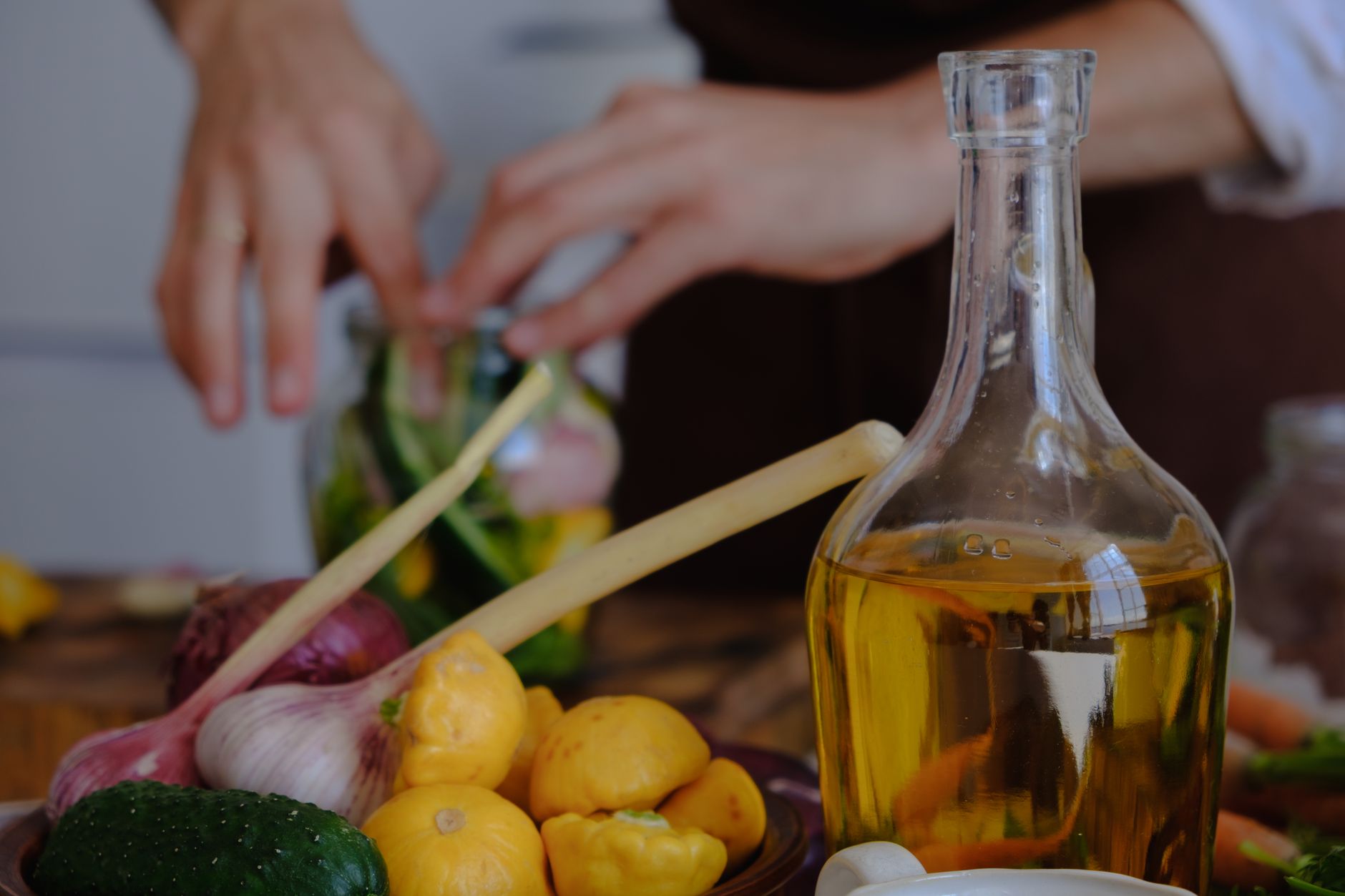
The meal plans Turkish dietitians write are rooted in the Mediterranean eating pattern — vegetables, legumes, olive oil, yoghurt, fish, whole grains and moderate portions of meat. That is a useful foundation because it translates easily to most cuisines. A typical post-surgical day might combine a protein-forward breakfast of eggs or menemen-style vegetables with yoghurt, a lunch of grilled chicken or lentil soup with salad, an afternoon snack of ayran or kefir with fruit, and a dinner of baked fish with bulgur and cooked vegetables.
Where the plan becomes genuinely personalised is in the adjustments. A bariatric patient in the pureed phase needs protein shakes and soft dishes eaten slowly in small volumes. A hair transplant patient is guided toward iron, zinc, biotin-rich foods and adequate protein to support graft healing. An orthopaedic patient recovering from joint replacement is steered toward calcium and vitamin D alongside protein to protect muscle. Cardiac patients get a plan that manages sodium, saturated fat and portion size in line with their medication.
Clinics usually supply a sample seven-day menu plus a shopping list organised by food group. Crucially, good dietitians also provide a "swap list": if you cannot find kefir at home, what is the nearest equivalent? If you do not eat pork, how do you replace gelatin-containing products? If you are vegetarian, where does the protein come from? Ask specifically for these substitutions before you fly, because they are far easier to resolve face to face than by email three time zones away.
Hydration is written into the plan, not left to chance. After many procedures, especially bariatric surgery, drinking and eating cannot happen at the same time, so the plan will specify how to space fluids between meals and how to recognise dehydration. Turkish dietitians often recommend small, frequent sips and may suggest oral rehydration solutions in hot weather — relevant whether you are recovering in Istanbul in August or back home in a different climate.

Supplement Plans Explained — and Why They Are Dosed, Not Guessed
Supplement advice is where Turkish clinics are most precise, and also where patients most often improvise. After bariatric surgery, absorption of iron, vitamin B12, calcium, vitamin D, folate and other nutrients changes permanently, and international guidance supports lifelong micronutrient supplementation with regular monitoring. Turkish clinics build a specific schedule: which supplement, what dose, what form (for example calcium citrate rather than carbonate after certain procedures), when to take it, and which combinations to separate — iron and calcium, for instance, compete for absorption and are usually spaced at least two hours apart.
For other surgeries the supplement plan is shorter and more targeted. Vitamin D and calcium for bone healing, vitamin C and zinc during tissue repair, iron if baseline stores were low, and protein powder or oral nutritional supplements if meeting protein targets through food is difficult in the early weeks. The dietitian should explain the reason for each item, the expected duration and the signs of deficiency to watch for — fatigue, hair shedding, tingling in the hands and feet, slow wound healing or unusual bruising.
Ask for the supplement plan in your language with both generic ingredient names and brand examples. Turkish pharmacy brands may not exist in your country, so the dietitian should tell you the active compound and dose so any pharmacist can match it. Bring your existing supplements to the consultation so they can be checked for interactions with your medications or with surgery. And never add extra supplements after discharge without asking — more is not better, and some, such as high-dose vitamin A or certain herbs, can interfere with healing or with anticoagulants.
Following the Plan at Home: A Practical First Two Weeks
The first fortnight after you return home is the highest-risk period for drifting off plan, so prepare before you travel. Clear a shelf in your kitchen for supplements, buy a small kitchen scale and a shaker bottle, and stock the freezer with batch-cooked soups and stews that fit your texture stage. If you are having bariatric surgery, ask the dietitian which protein shakes available in your country are closest to the clinic's recommendation — the protein content per scoop and the sugar content matter more than the brand.
Build a simple daily rhythm rather than relying on willpower. Set phone reminders for supplements and for meals if your appetite signals are unreliable. Keep a one-page food and symptom diary: what you ate, how much, how you felt, and any nausea, dumping, bloating or pain. This diary is the single most useful thing you can bring to your video check-ins, because it lets the dietitian adjust the plan based on evidence rather than guesswork.
Weigh yourself under consistent conditions — same time of day, same clothing, no more than once or twice a week — and record it. Rapid unintentional weight loss, persistent vomiting, fever, wound problems or inability to keep fluids down are reasons to contact the clinic immediately rather than wait for the next scheduled call. Every clinic in Türkiye's medical tourism network should give you a 24-hour contact number or WhatsApp line for exactly this purpose, and it should work after you leave the country.
Expect normal fluctuations. Appetite, taste and tolerance change from week to week, and plateaus are common. The plan is a framework to be adjusted, not a test to pass. If a food makes you feel unwell, note it, drop it temporarily and raise it at the next check-in.
Buying Locally Versus Bringing It From Türkiye
Patients often ask whether to fill their suitcase with Turkish supplements and special foods. The short answer: bring a short bridging supply, not a year's stock. A two-to-four-week supply of any clinic-specific supplement avoids a gap while you source a local equivalent, and it gives you the exact product the dietitian knows. Beyond that, importing large quantities is heavy, may breach customs rules in your country, and can leave you dependent on a product you cannot easily replace.
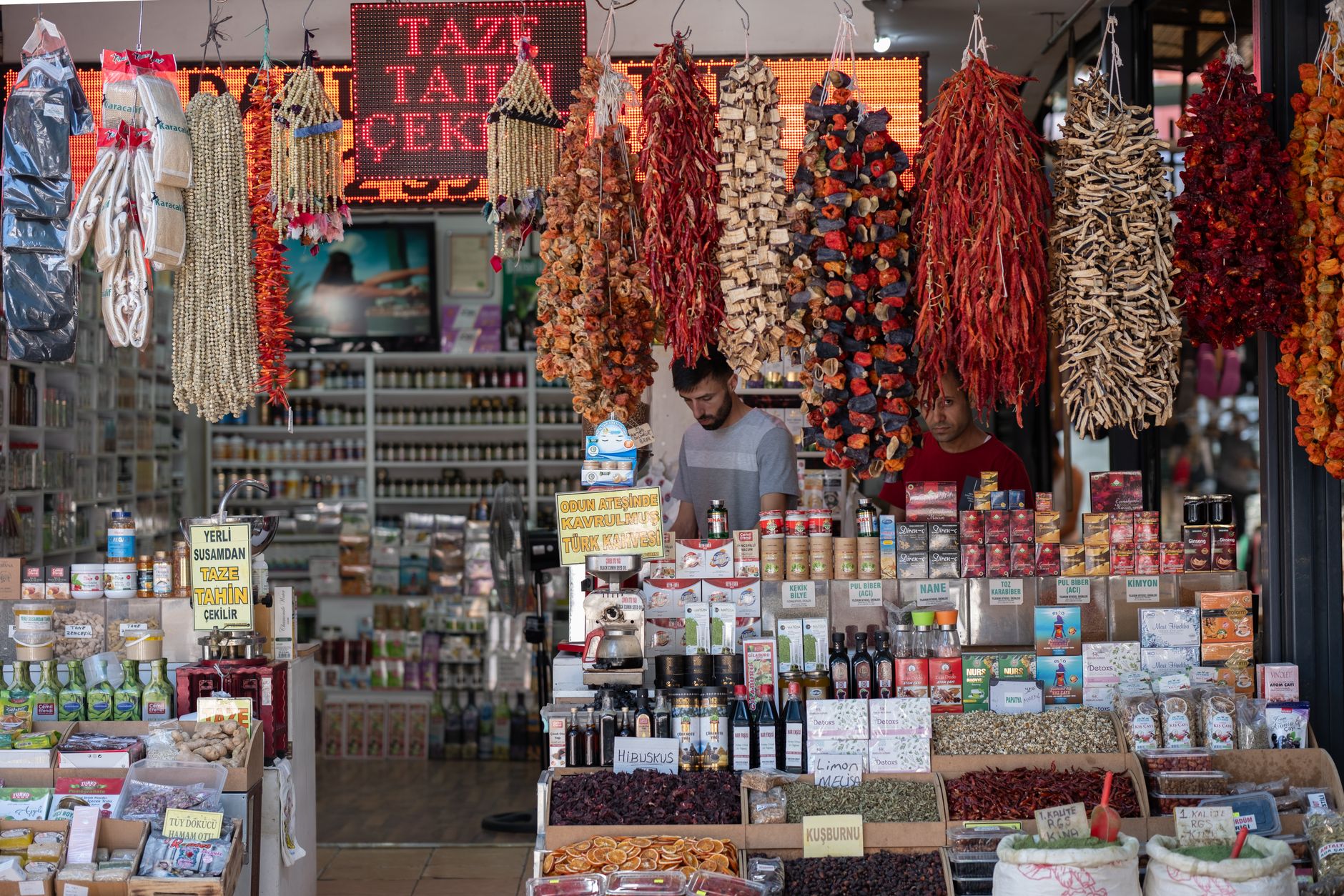
Most of the meal plan should be bought locally. Fresh vegetables, legumes, yoghurt, eggs, fish, chicken, olive oil and whole grains exist in virtually every market. Turkish dietitians are usually happy to review photos of your local supermarket shelves during a video call to identify suitable equivalents. Items worth buying in Türkiye include speciality products tied to the plan — for example certain oral nutritional supplements, protein powders the clinic trusts, or specific calcium and iron formulations — but only after confirming they are permitted in your country.
For anything you do bring, keep the packaging, keep the receipt and check your airline's and destination country's rules on food and supplements. Powdered supplements can attract scrutiny at customs, so carry them in original sealed containers with the ingredient list visible. If you need a doctor's letter explaining that a supplement is part of post-surgical care, ask the clinic before discharge — they issue these routinely.
How Video Check-Ins Keep Nutrition on Track
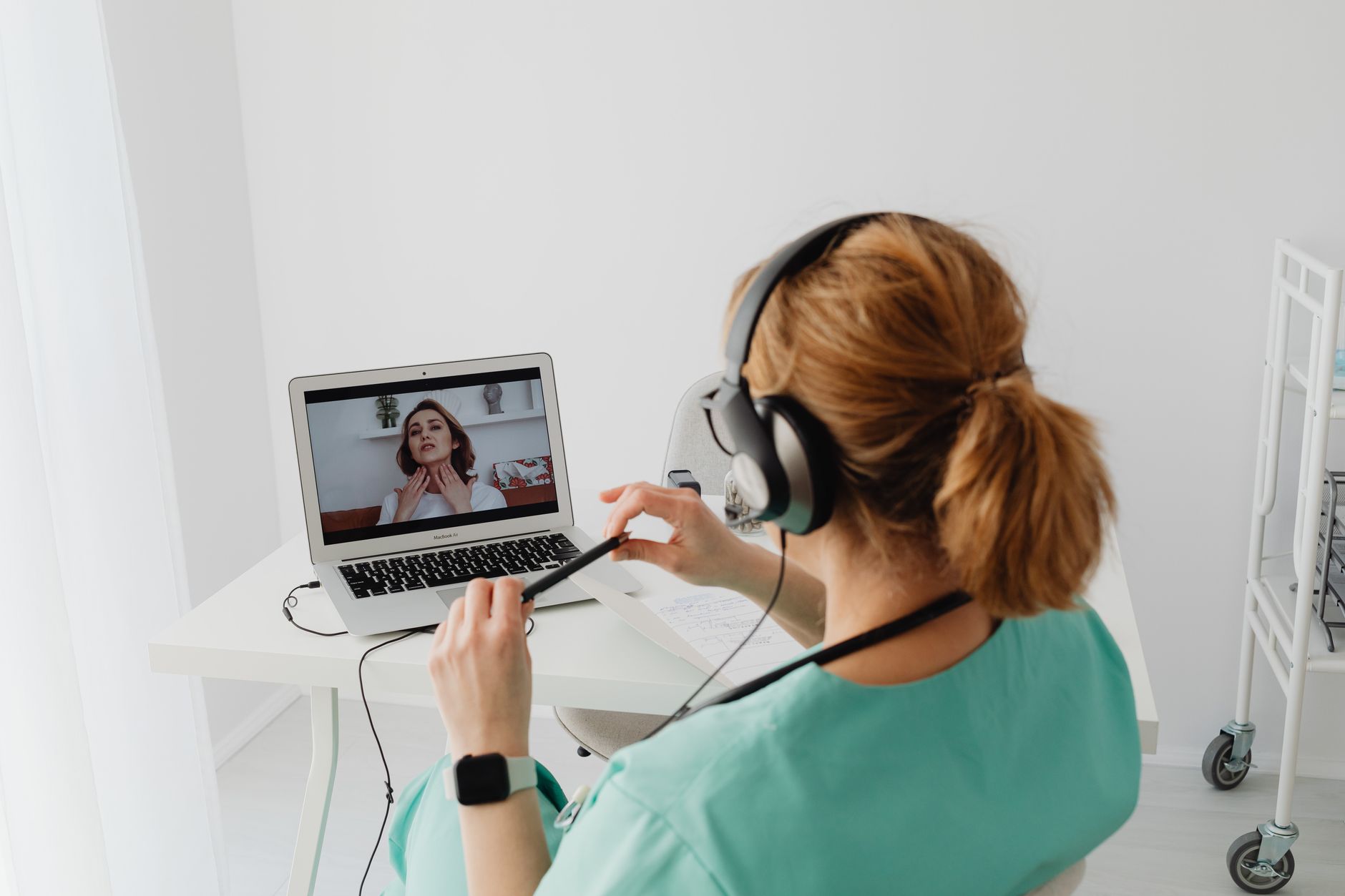
Follow-up is where Turkish clinics have become notably well organised. A typical schedule includes a call within the first week after discharge, another at two to four weeks, then appointments at three, six and twelve months depending on the procedure. Bariatric patients usually have longer-term nutrition follow-up with repeat blood tests, because micronutrient monitoring is a lifelong commitment. These sessions are conducted by video with the dietitian, usually with an interpreter if needed, and last around twenty to forty minutes.
Come prepared: your food and symptom diary, your weight log, a list of current medications and supplements, and any recent blood test results from your local doctor. The dietitian will review your protein and fluid intake, check tolerance of the texture stage, adjust supplement doses where needed, and set goals for the next interval. For bariatric patients, they will also track whether you are meeting minimum eating volumes and whether vomiting or reflux suggests the plan needs softening.
The biggest practical barrier is language, and it is worth insisting on a proper solution. Ask before booking whether the follow-up includes a professional interpreter or a dietitian who speaks your language, and whether written summaries will be provided in that language after each call. A good clinic will send an updated plan by email within a day or two of the consultation, so you always have the current version rather than relying on memory.
Finally, connect the clinic's plan with your own doctor at home. Share the written nutrition and supplement plan with your GP or local dietitian at your first post-return appointment, and ask them to arrange the blood tests the Turkish team requests. This handover prevents duplicated or conflicting advice and keeps one coherent plan running across borders. If you want a second opinion locally, it should be built on the clinic's documented plan — not replace it with a generic one.
Thinking about treatment in Turkey?
Send us a question about this site or about the information published on it. This is a publisher's mailbox, not a medical service and not a route to a particular provider — for clinical questions, contact your own doctor.