

Introduction: Your Pre-Op Day Explained
Arriving at a Turkish hospital for your pre-operative assessment can feel both exciting and daunting. This day is designed to ensure you are fully prepared for surgery, both physically and mentally. Turkish hospitals, especially those catering to international patients, have streamlined the process to be efficient and compassionate. You can expect a well-organized schedule that covers all necessary checks, from consultations and imaging to blood work and anaesthesia review. Multilingual staff are on hand to guide you through each step, making sure you understand what's happening and why.
In this guide, we'll walk you through a typical pre-op day, highlighting what to bring, questions to ask, and how to navigate the experience with confidence. Whether you're traveling for a cosmetic procedure, orthopedic surgery, or another treatment, knowing what to expect will help you feel at ease and make the most of your time in Türkiye.
Arrival and Registration: A Warm Welcome
Your day begins at the hospital's international patient department, where you'll be greeted by multilingual staff. They'll verify your identity, review your appointment schedule, and provide you with a wristband and a folder containing your itinerary. Expect a warm welcome with offers of tea or coffee—Turkish hospitality is legendary! Registration involves providing your passport, insurance details (if applicable), and any pre-paid documents. The staff will confirm your medical history and ensure your file is complete.
After registration, you'll likely meet your patient coordinator, who will be your main point of contact throughout the day. They'll explain the flow of appointments and accompany you to each department, ensuring you don't get lost in the hospital's corridors. This personal touch is a hallmark of Turkish medical tourism, designed to alleviate anxiety and provide a seamless experience.

Consultations with Your Surgical Team
Your first major stop is a consultation with your surgeon. This is your opportunity to discuss the procedure in detail, ask questions, and voice any concerns. The surgeon will review your medical history, explain the surgical technique, and discuss expected outcomes and potential risks. They'll also take this time to mark your surgical site if applicable (e.g., for cosmetic surgery) and confirm your consent.
Following the surgeon, you may meet other specialists involved in your care, such as an internist or a cardiologist, especially if you have underlying health conditions. These consultations ensure that you are fit for surgery and that any chronic conditions are managed optimally. Don't hesitate to ask about the surgeon's experience, success rates, and what to expect during recovery. Clear communication is key, and Turkish surgeons are generally open and willing to address all your questions.
Imaging and Diagnostic Tests: Seeing the Full Picture
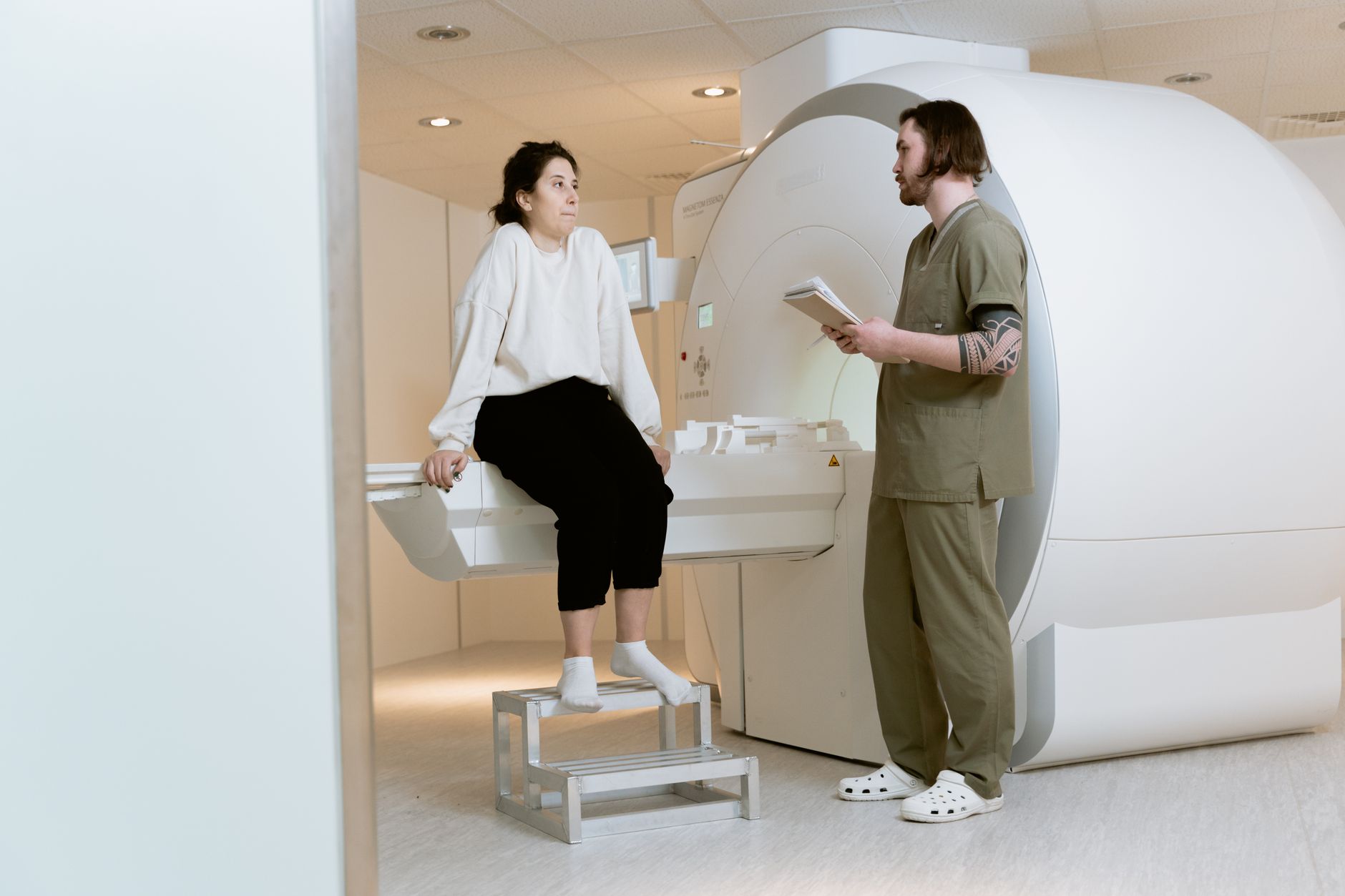
Imaging is a crucial part of the pre-op assessment. Depending on your surgery, you may undergo X-rays, ultrasounds, CT scans, or MRIs. The imaging department in Turkish hospitals is equipped with state-of-the-art technology, and results are typically available quickly. The staff will guide you through the process, ensuring your comfort and safety. For instance, if you're having breast surgery, a mammogram or ultrasound may be required; for orthopedic procedures, X-rays of the joint are standard.
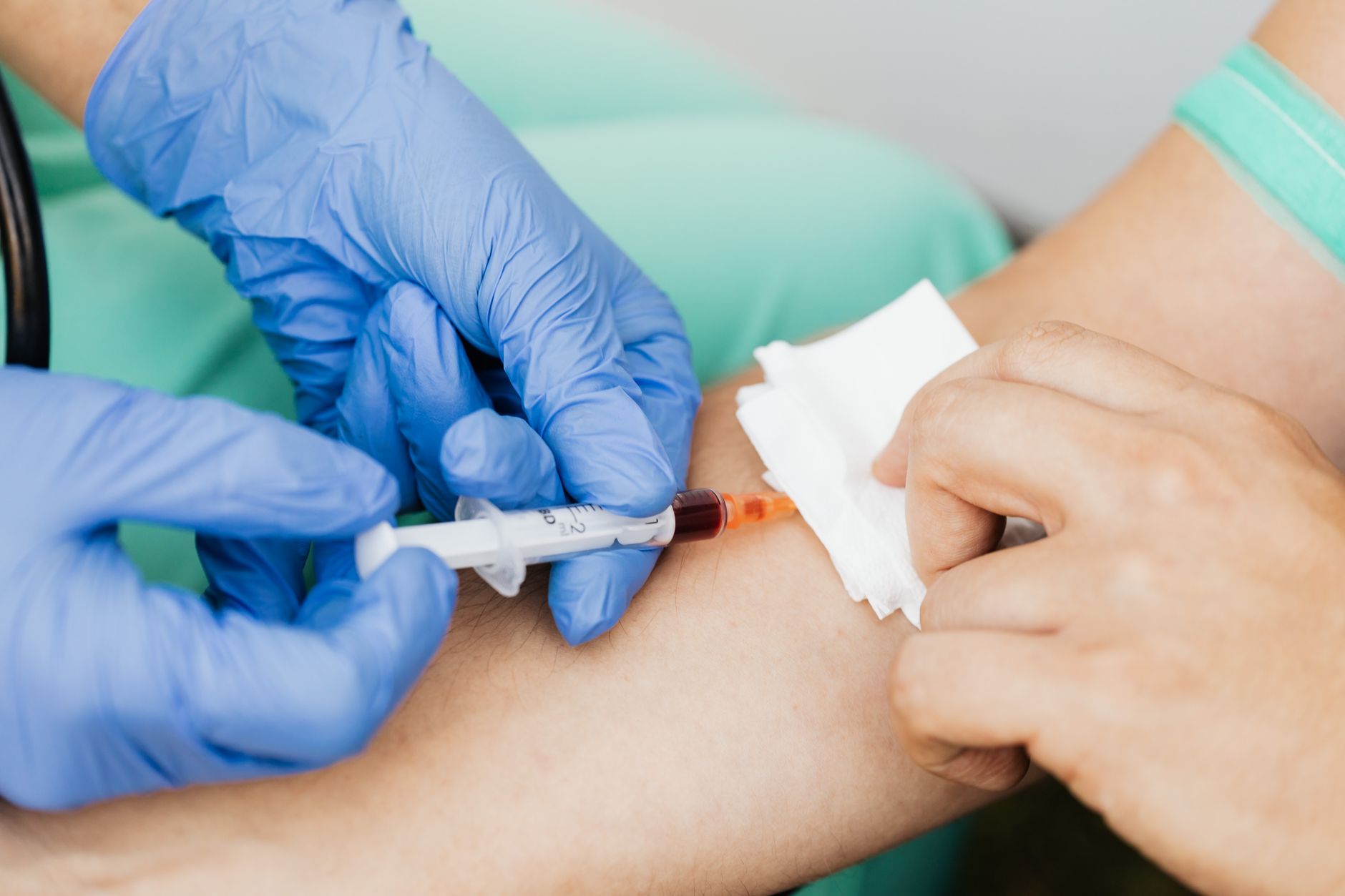
Blood work is another essential component. A phlebotomist will draw blood for a complete blood count, coagulation profile, liver and kidney function tests, and blood type. These tests help rule out infections, anaemia, and other conditions that could complicate surgery. In some cases, an ECG (electrocardiogram) and chest X-ray are also performed to assess heart and lung health. The efficiency of Turkish labs means you won't have to wait long for results, which are sent directly to your surgical team.
Anaesthesia Review: Ensuring Your Comfort and Safety
You'll then meet with an anaesthesiologist who will review your medical history, allergies, and previous anaesthesia experiences. They'll explain the type of anaesthesia planned (general, regional, or sedation) and its implications. This is your chance to discuss any concerns about pain management or postoperative nausea. The anaesthesiologist will also perform a physical examination, such as checking your airway and listening to your heart and lungs, to ensure you're fit for anaesthesia.
Clear communication is vital here. Be honest about any medications you're taking, including supplements, as these can interact with anaesthetic agents. The anaesthesiologist will provide instructions on fasting before surgery and any medications to take or avoid. In Turkish hospitals, anaesthesia safety standards are high, and you'll be monitored closely throughout the procedure. Feel free to ask about the anaesthesia team's experience and what to expect as you wake up.

Consent Discussions: Understanding Your Rights
Informed consent is a cornerstone of medical ethics. Before surgery, you'll have a detailed discussion with your surgeon about the procedure, including its benefits, risks, and alternatives. You'll be asked to sign consent forms, but not before you fully understand what you're agreeing to. Don't rush this step—ask for clarification if anything is unclear. Turkish hospitals provide consent forms in multiple languages, and interpreters are available if needed.
This is also the time to discuss postoperative care, including pain management, mobility restrictions, and follow-up appointments. Make sure you understand the recovery timeline and what support will be available after discharge. If you're traveling with a companion, include them in these discussions so they can help you remember details later. Remember, you have the right to ask questions and to take your time in making decisions.
Practical Tips: How to Make the Most of Your Pre-Op Day
To ensure a smooth experience, bring all relevant medical records, including previous imaging, test results, and a list of medications you take (with dosages). Wear comfortable clothing and shoes, as you'll be moving between departments. Bring a notebook and pen to jot down important information, or use your phone to record conversations (with permission). Stay hydrated and have snacks if allowed, as the day can be long.
Prepare a list of questions for each specialist. For your surgeon: What is your experience with this procedure? What are the potential complications? How will pain be managed? For the anaesthesiologist: What are the risks of anaesthesia? How will you monitor me? What should I do if I feel unwell after surgery? For the nursing staff: Who should I contact if I have concerns after discharge? Don't be shy—Turkish healthcare providers are used to international patients and appreciate engaged patients.
Conclusion: Feeling Prepared and Confident
By the end of your pre-op day, you should feel informed and reassured. Turkish hospitals pride themselves on combining advanced medical care with genuine hospitality, and the pre-operative assessment is a perfect example of this. The efficiency of the process means you won't be waiting around unnecessarily, and the compassionate staff will address your concerns with patience. Take advantage of the multilingual support and don't hesitate to ask for clarification on any point.
Remember, this day is about you—your health, your safety, and your peace of mind. With the right preparation and a proactive approach, you'll be ready for your surgery and on the path to recovery. Istanbul Medical Tourism is here to support you every step of the way, ensuring your journey to better health is as smooth and comfortable as possible.
Thinking about treatment in Turkey?
Send us a question about this site or about the information published on it. This is a publisher's mailbox, not a medical service and not a route to a particular provider — for clinical questions, contact your own doctor.