

Why Pre-Operative Preparation Matters
Undergoing surgery is a significant event, and proper preparation is key to a safe and smooth experience. In Turkish hospitals, pre-operative fasting and hydration protocols are designed with your safety as the top priority. Anaesthesia teams are meticulous in ensuring that your stomach is empty before surgery to prevent complications such as aspiration during anaesthesia. At the same time, they are equally careful about keeping you hydrated to support your body's functions and recovery.
Turkish hospitals are known for their thorough and communicative approach to patient care. The anaesthesia team will guide you clearly through the fasting and hydration rules, often with the support of interpreters to ensure you fully understand. This guide aims to walk you through what to expect and how to prepare, so you can arrive at the hospital calm and confident.
Understanding Fasting Guidelines: What and Why
Fasting before surgery is necessary to reduce the risk of aspiration—where stomach contents enter the lungs during anaesthesia. Turkish hospitals follow international standards, which typically recommend fasting from solid food for at least 6-8 hours before surgery. Clear liquids are usually allowed up to 2 hours before surgery, but this can vary based on your specific procedure and medical history.
Your anaesthesia team will provide personalised instructions. They will consider factors such as your age, weight, medical conditions, and the type of surgery. For example, diabetic patients may receive adjusted fasting times to prevent hypoglycaemia. It's crucial to follow these instructions precisely and to ask questions if anything is unclear. The team is there to support you, and interpreters are available to bridge any language barriers.
Remember that fasting includes not only food but also certain medications and supplements. Always disclose all medications you are taking, including over-the-counter drugs and herbal supplements, as some may interfere with anaesthesia or increase bleeding risk.
Hydration: The Balance Before Surgery
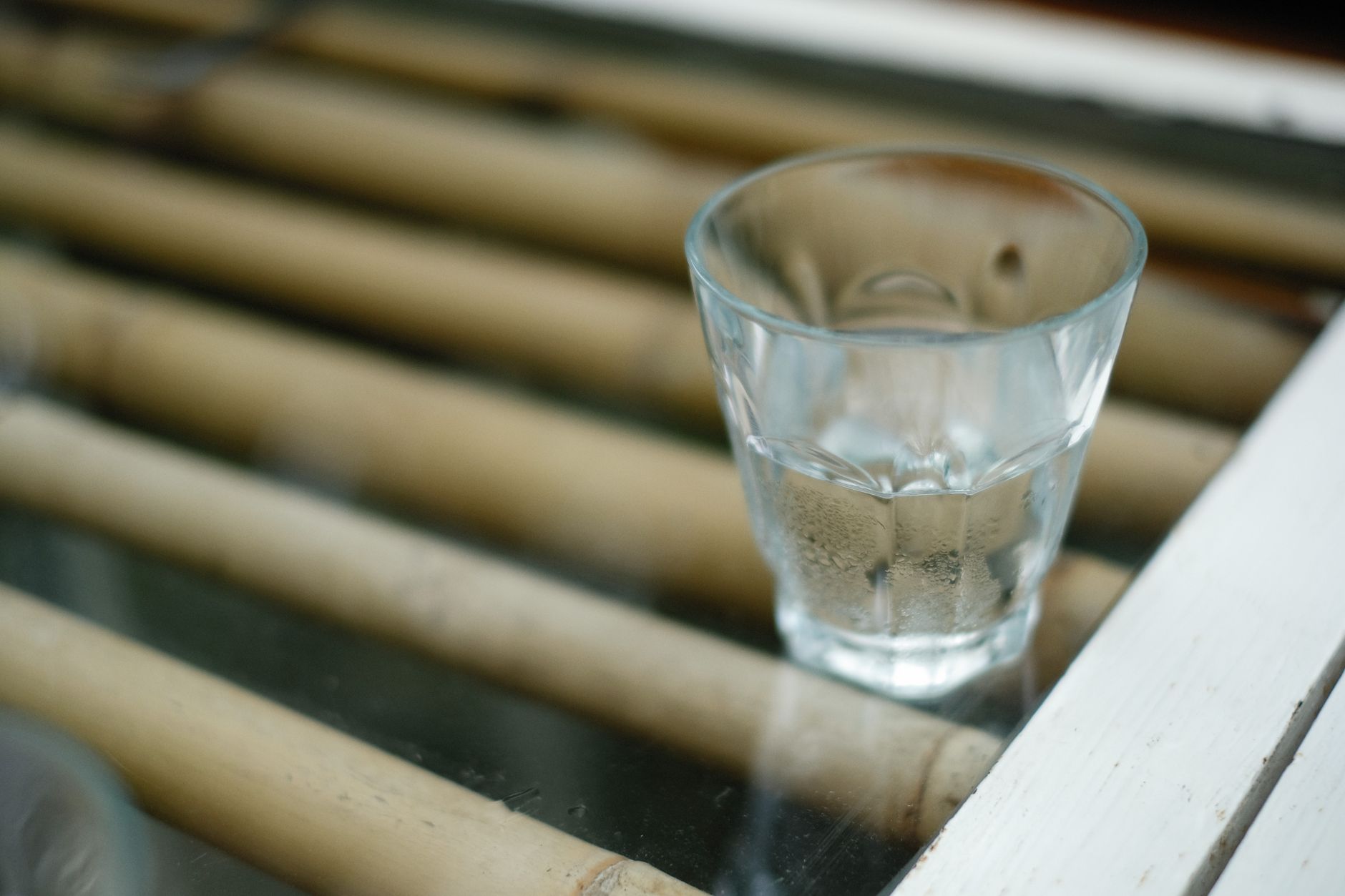
Staying hydrated before surgery is important for maintaining blood pressure, supporting kidney function, and aiding recovery. However, you must balance hydration with fasting requirements. Turkish anaesthesia teams often allow clear liquids—such as water, clear broth, or apple juice without pulp—up to 2 hours before surgery. This helps keep you comfortable and hydrated without increasing aspiration risk.
It's essential to avoid dehydrating substances like caffeine and alcohol in the 24 hours before surgery. Your care team will provide specific guidance on what you can drink and when to stop. They may also give you a carbohydrate-rich drink to consume a few hours before surgery to improve your energy levels and recovery.
If you are unsure about hydration rules, don't hesitate to ask. The nursing staff and anaesthesiologists are there to clarify and ensure you are well-prepared.
Communication and Interpreter Support
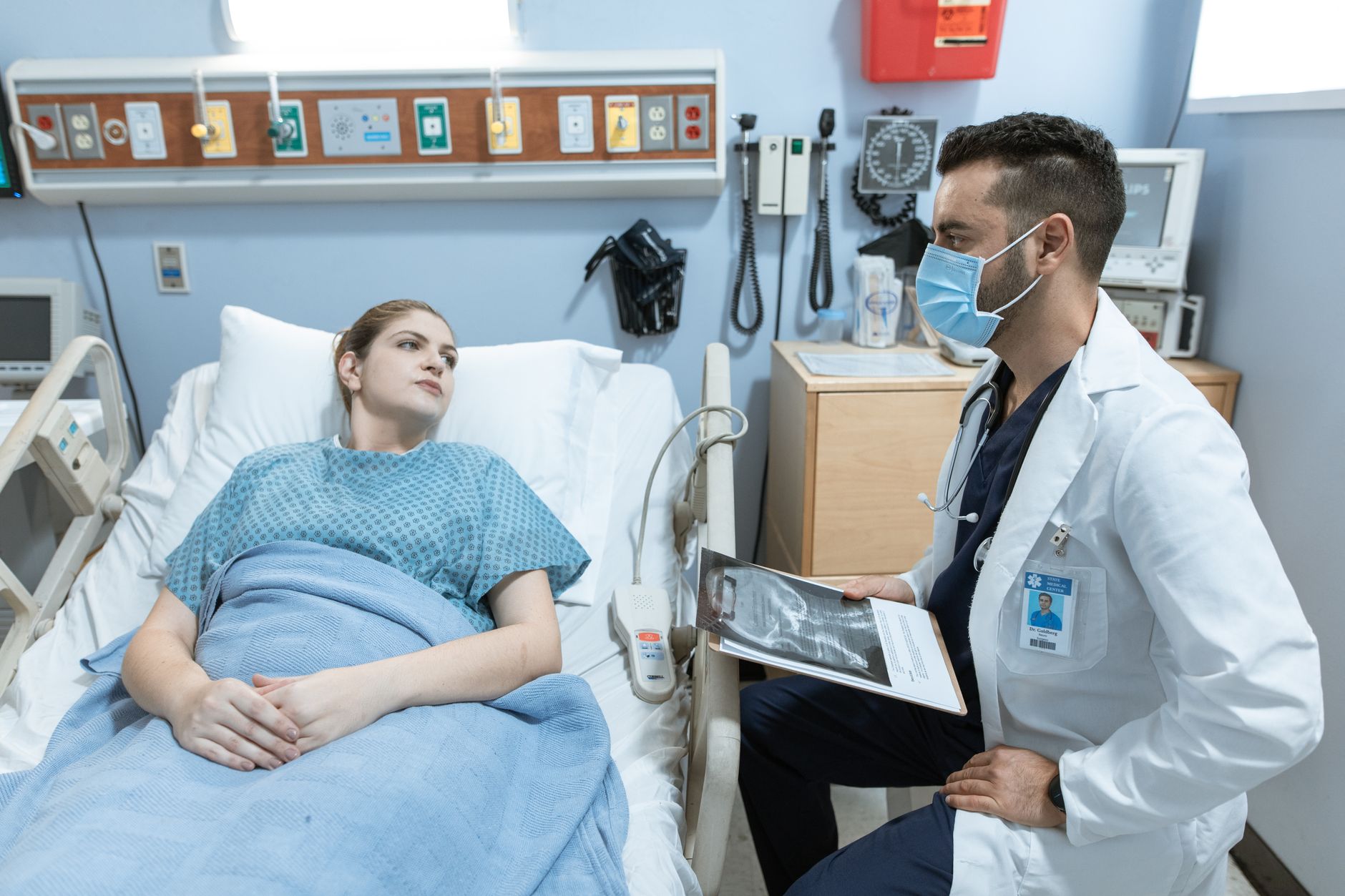
Turkish hospitals pride themselves on clear communication with international patients. Anaesthesia teams work closely with interpreters to explain fasting rules, hydration protocols, and what to expect on the morning of surgery. This ensures that you understand every step and can comply confidently.
You will likely have a pre-operative consultation with the anaesthesiologist, during which they will review your medical history, discuss the anaesthesia plan, and answer your questions. This is a good time to voice any concerns or ask for clarification. The team will also provide written instructions in your language whenever possible.
In the days leading up to surgery, you may receive phone calls or messages reminding you of the fasting and hydration rules. The hospital staff is accustomed to international patients and will make every effort to accommodate your needs.
Tailoring Instructions to Each Patient
No two patients are alike, and Turkish anaesthesia teams understand this well. They tailor pre-operative instructions to each individual based on a comprehensive assessment. Factors such as age, weight, medical history, current medications, and the type of surgery all influence the fasting and hydration plan.
For instance, children may have shorter fasting times, and elderly patients may need special attention to hydration. Patients with conditions like diabetes or gastroesophageal reflux disease (GERD) may receive specific modifications. The team will also consider your cultural preferences and dietary habits to make the instructions as manageable as possible.
You will be asked to complete a pre-operative questionnaire and undergo a physical examination. This helps the anaesthesiologist create a personalised plan that minimises risks and ensures your comfort. If you have any special needs, such as religious fasting or dietary restrictions, inform the team in advance so they can accommodate you.
What to Expect on the Morning of Surgery
On the morning of your surgery, you will arrive at the hospital at the specified time, usually a few hours before the procedure. You will be admitted and taken to the pre-operative area, where nurses will check your vital signs and confirm that you have followed the fasting and hydration rules. They will also verify your identity and the procedure you are having.
You will change into a hospital gown and remove jewellery, contact lenses, and dentures. An intravenous (IV) line may be started to administer fluids and medications. The anaesthesiologist will visit you to review the plan and answer any last-minute questions. You may also meet the surgical team.
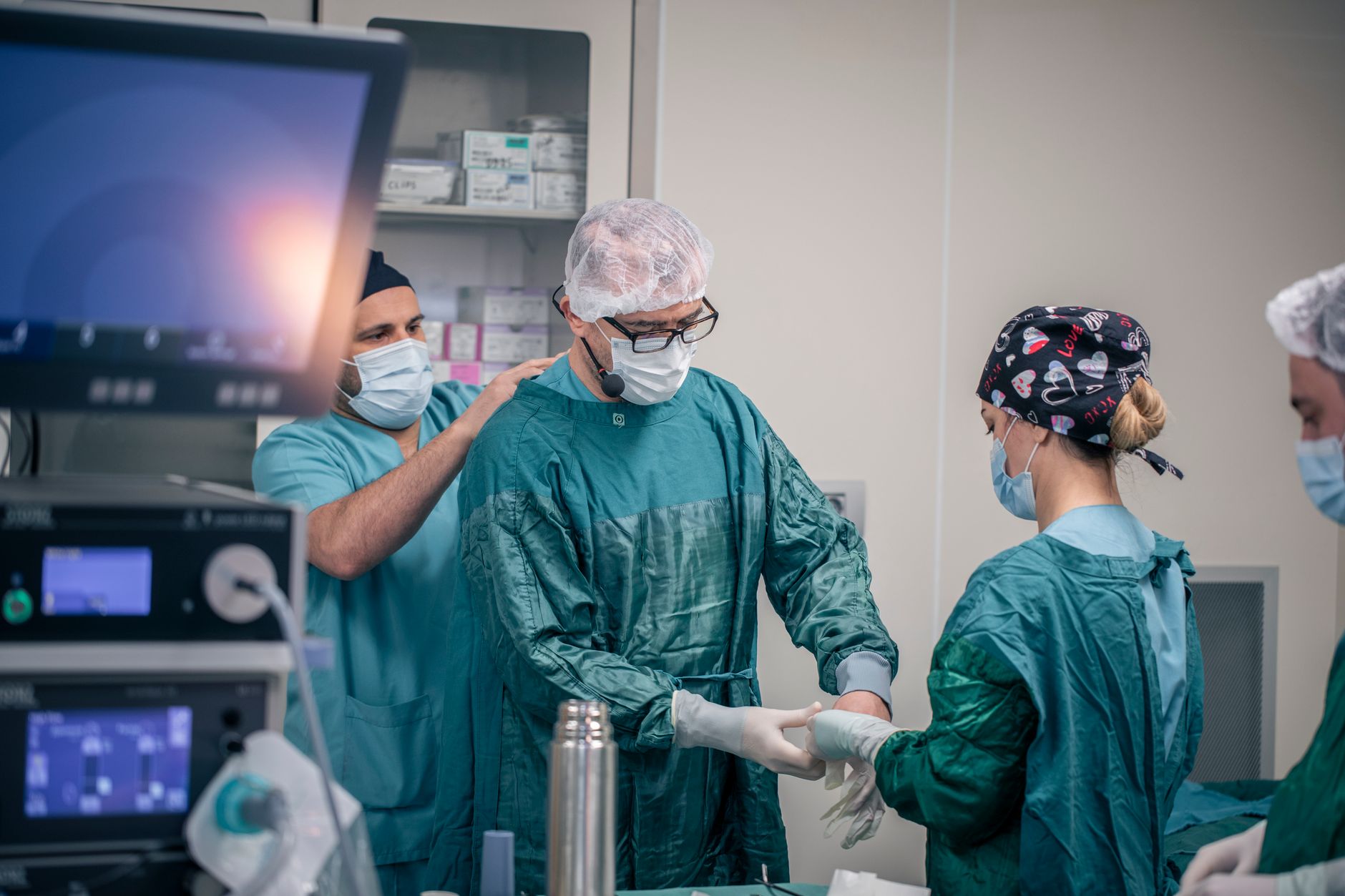
When it's time, you will be escorted to the operating room. The anaesthesia team will apply monitoring devices and administer anaesthesia. They will stay by your side throughout the surgery, monitoring your vital signs and ensuring your safety. After surgery, you will wake up in the recovery room, where nurses will monitor you closely.
Turkish hospitals are well-equipped to handle international patients, and the staff will guide you through each step with care and compassion. Knowing what to expect can help alleviate anxiety and make your experience smoother.
Tips for a Smooth Preparation
- Follow instructions precisely: Adhere to fasting and hydration rules as given; if unsure, ask.
- Stay in contact: Provide the hospital with a reachable phone number in case they need to give you last-minute updates.
- Arrange transportation: Plan how you will get to the hospital and have someone accompany you if possible.
- Pack essentials: Bring your ID, insurance documents, medication list, and comfortable clothing.
- Relax: Practice deep breathing or meditation to calm your nerves; the hospital team is there to support you.
By following these guidelines and communicating openly with your healthcare team, you can approach your surgery with confidence and peace of mind.
Thinking about treatment in Turkey?
Send us a question about this site or about the information published on it. This is a publisher's mailbox, not a medical service and not a route to a particular provider — for clinical questions, contact your own doctor.