

Why Pre-Operative Instructions Matter in Türkiye's Surgical Pathway
Turkish hospitals have earned a strong international reputation for high-volume, well-organised surgical care. A key part of that reputation rests on something surprisingly simple: clear, consistent pre-operative instructions. From the moment you book surgery at a Turkish hospital, you will typically receive written guidance on when to stop eating, when to stop drinking, and which medications to pause or continue. This is not bureaucratic paperwork — it is a safety protocol designed to protect you under anaesthesia and reduce the risk of complications.
For medical travellers, these instructions matter even more. You are adjusting to a new environment, a different language, and unfamiliar routines. Turkish surgical teams understand this. Many hospitals that serve international patients provide pre-operative checklists in English (and often other languages), schedule pre-admission calls or video consultations, and assign a coordinator who can answer questions before you travel. The goal is to remove guesswork, so you arrive at the hospital prepared and calm.
This guide explains what to expect from Türkiye's pre-operative fasting and medication rules, why they are structured the way they are, and how to create a simple personal timeline. It is general information — not medical advice. Your Turkish surgical team's instructions always take priority, and you should confirm every detail with them directly.
The Golden Rule: Follow Your Turkish Surgical Team's Instructions
Every patient is different, and so is every operation. A healthy 30-year-old undergoing a hair transplant or a routine procedure may receive different fasting guidance from a 65-year-old with diabetes scheduled for major surgery. Turkish anaesthesiologists tailor their protocols to your medical history, medications, and the type of anaesthesia planned. That is why you should treat any general guide — including this one — as background information, not a substitute for your own team's instructions.
When you receive your pre-operative instructions from the Turkish hospital, read them carefully and ask questions about anything unclear. Do not assume that "nothing by mouth after midnight" applies to all fluids; many modern protocols allow clear water up until a few hours before surgery. Do not stop a blood pressure medication or a blood thinner on your own without explicit direction. The safest approach is to bring a written list of all your medications — including doses and schedules — to your pre-operative consultation and have the team mark exactly what to do with each one.
Your Turkish surgical team's written instructions override any general guidance. If there is a conflict, follow the team — and if in doubt, call your coordinator before you change anything.

Fasting Before Surgery: What Turkish Hospitals Typically Advise
Fasting before surgery is a universal safety measure, and Türkiye follows modern international standards. The purpose is to ensure your stomach is empty enough to minimise the risk of aspiration (inhaling stomach contents) while you are under anaesthesia. Turkish hospitals generally align with guidelines from organisations such as the American Society of Anesthesiologists and European anaesthesia societies, which distinguish between different types of food and drink rather than applying a single "midnight rule" to everything.
In practice, this means you may be told to stop eating solid food a certain number of hours before your procedure, while clear fluids may be permitted closer to the surgery time. The exact windows depend on your procedure and your anaesthesiologist's assessment. Many Turkish hospitals will give you a specific clock time — for example, "no solid food after 22:00" or "you may drink clear water until 06:00" — rather than a vague instruction. That precision is helpful: it lets you plan your last meal and your morning routine with confidence.
Clear fluids typically include plain water, and sometimes clear tea or apple juice, but your team will specify what counts. Milk, coffee with milk, smoothies, and juices with pulp are usually treated as food, not clear fluids. If you are unsure whether a drink is allowed, treat it as not allowed until your team confirms otherwise.
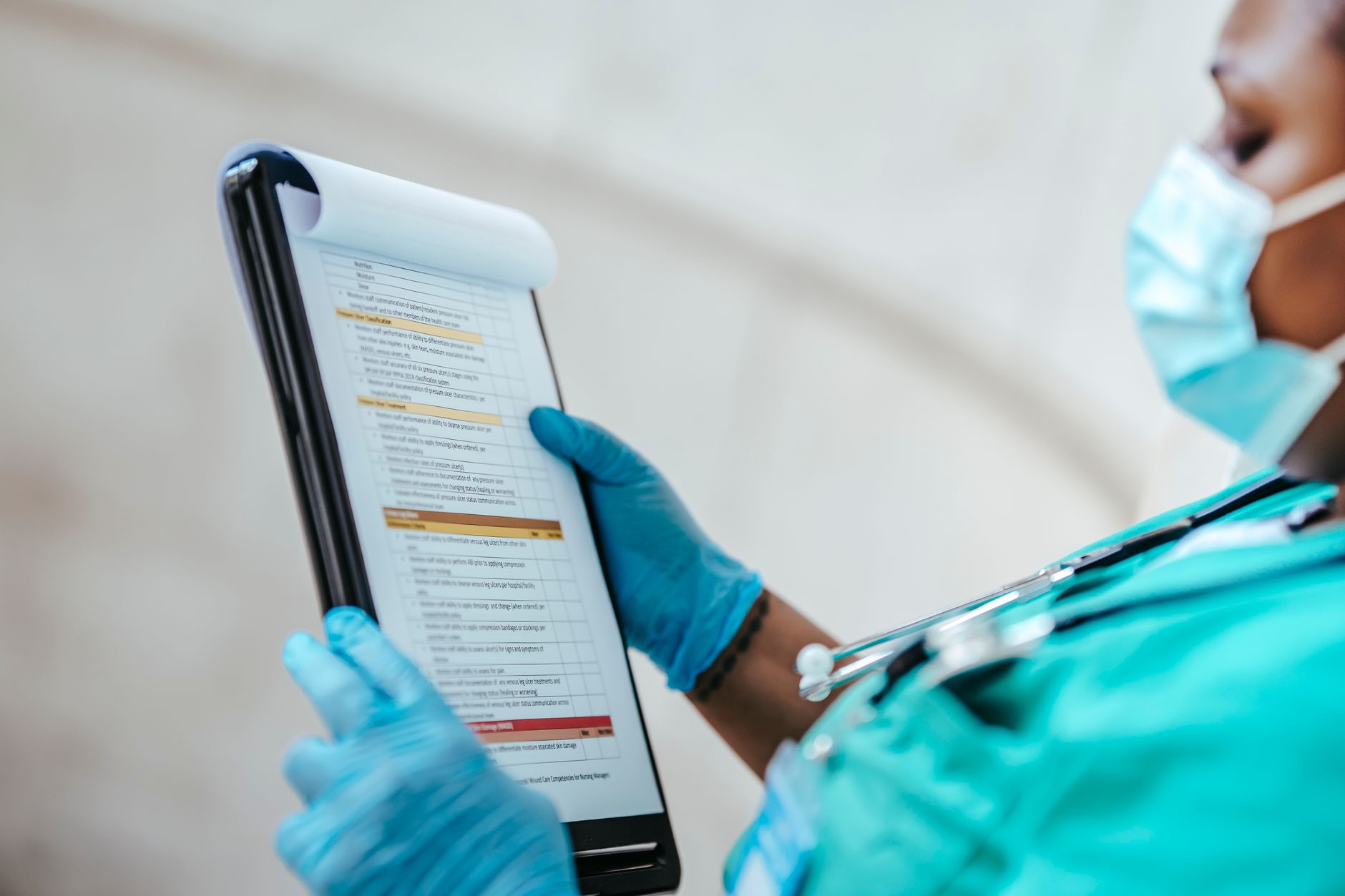
A Simple Timeline for Food, Drink, and Common Medications
The following timeline is a practical framework based on common Turkish hospital protocols. Use it to understand the logic of pre-operative preparation, but replace every time with the specific instructions your surgical team gives you. Times are relative to your scheduled surgery — count backwards from your admission time.
One Week to 48 Hours Before Surgery
- Confirm your medication list with your Turkish surgical team, including prescriptions, over-the-counter drugs, supplements, and herbal products.
- Ask specifically about blood thinners (such as aspirin, clopidogrel, or warfarin) and whether they should be paused — only change these on medical advice.
- Discuss diabetes medications, including insulin, and get a clear plan for the day before and the morning of surgery.
- Stop alcohol and smoking if advised; both can affect anaesthesia and healing.
- Arrange your pre-operative consultation or call, and confirm fasting times in writing.
24 Hours Before Surgery
- Eat your last substantial meal at the time specified by your team — often the evening before surgery.
- Prepare a written medication schedule for surgery day, with clear "take" or "skip" instructions for each drug.
- Set out comfortable clothing, your passport, insurance details, and hospital paperwork.
- Avoid heavy or fatty meals if your team advises a lighter diet.
The Evening Before Surgery
- Follow the exact clock time for your last solid food. A light, low-fat meal is often recommended if eating is still allowed.
- Take only the medications your team has explicitly approved for this evening.
- Pack your bag and confirm your transport to the hospital.
- Get a good night's sleep; rest supports recovery.
Morning of Surgery
- Follow the clear-fluid cut-off time precisely — for example, no water after 06:00 if your surgery is in the late morning.
- Take only the medications your team has told you to take with a small sip of water, if permitted.
- Do not eat breakfast, chew gum, or eat sweets unless explicitly allowed.
- Arrive at the hospital at the instructed time, bringing your medication list and any pre-operative documents.
This timeline is intentionally simple. Turkish hospitals often provide a one-page checklist with these milestones, and your coordinator can walk you through it. If your surgery is moved or delayed, ask for updated fasting instructions — do not simply continue the old schedule.
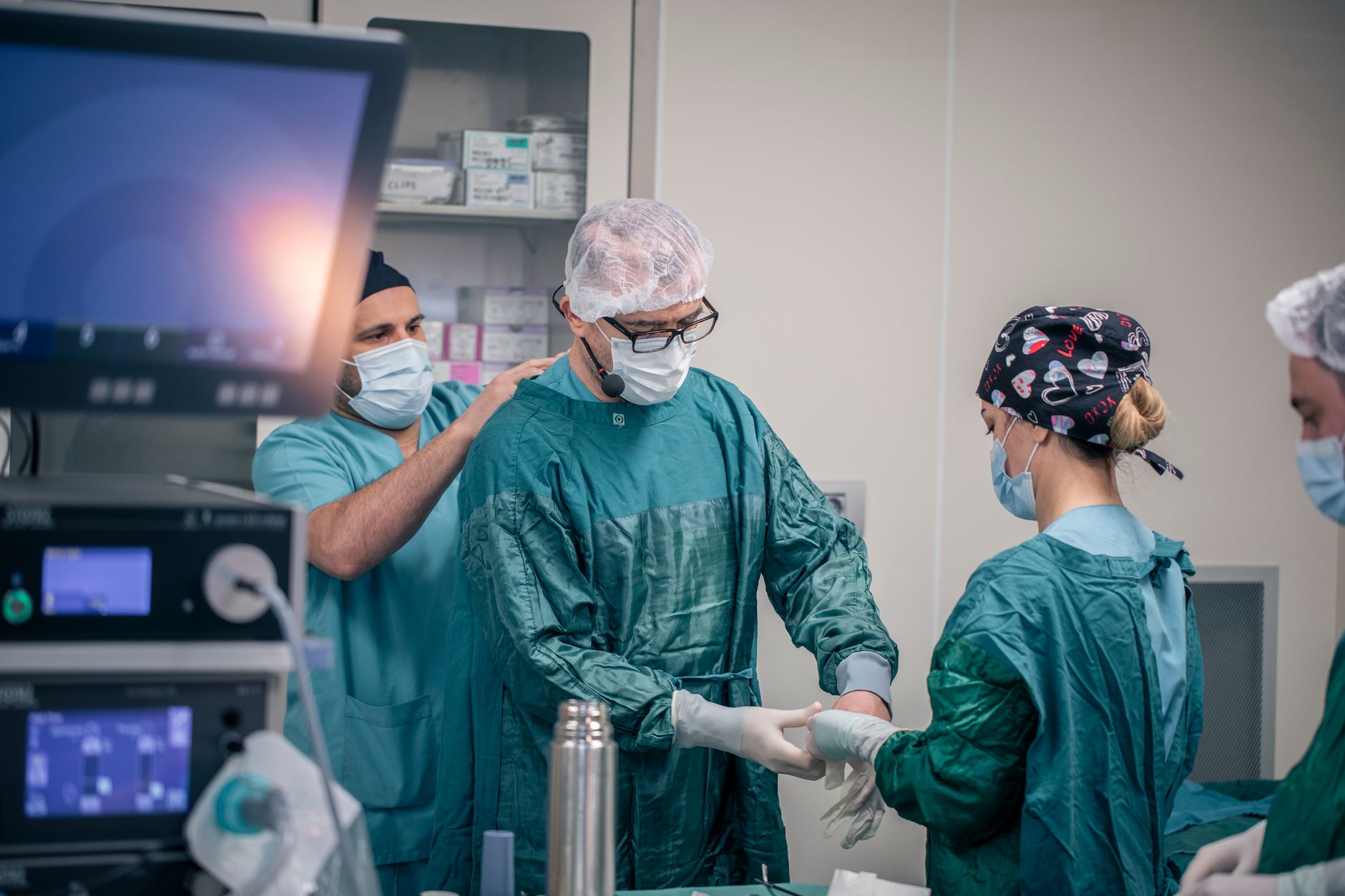
Medication Rules: What to Expect and What to Confirm
Medication management is one of the most important parts of pre-operative preparation, and Turkish hospitals take it seriously. At your pre-operative assessment, you will typically review every medication you take, including prescriptions, over-the-counter painkillers, vitamins, and herbal supplements. The anaesthesiology team will then decide which medications to continue, which to pause, and which to adjust. Common considerations include blood pressure medicines (often continued with a sip of water), diabetes medications (often adjusted or paused), and blood thinners (which may need to be stopped for a set number of days).
Do not assume that "natural" means "safe" around surgery. Herbal products such as ginkgo, garlic supplements, ginseng, and St John's wort can interact with anaesthesia or increase bleeding risk. Turkish teams commonly ask patients to stop certain supplements one to two weeks before surgery. Likewise, some painkillers — particularly aspirin and NSAIDs — may be paused because of their effect on bleeding. Your team will give you a specific plan.
If you take medication for a chronic condition, never stop it without explicit instruction. If you forget a dose or accidentally eat or drink during the fasting window, tell your anaesthesiologist immediately. Honesty is always safer than silence. Turkish surgical teams are used to international patients and will guide you through what to do next, which may include adjusting the surgery time.
How Turkish Hospitals Communicate Instructions to International Patients
Clear communication is a hallmark of Türkiye's organised surgical pathway. Most hospitals serving international patients provide pre-operative instructions in multiple languages, often with a coordinator who acts as your point of contact. You may receive a printed booklet, a digital checklist, or a video call walkthrough. The best hospitals encourage questions and confirm understanding before you travel.
Language barriers can be a concern, but Turkish medical tourism providers have adapted. Interpreters are frequently available, and written instructions are designed to be unambiguous. Still, it is wise to ask for key instructions in writing and to repeat back your understanding. For example, you might say: "So I stop eating at 22:00, I can drink water until 06:00, and I take my blood pressure tablet at 07:00 with a sip of water — is that correct?" This simple confirmation reduces the risk of misunderstanding.
Your coordinator can also help with practical details: arranging a pre-operative consultation, confirming fasting times if your flight is delayed, and ensuring you have the right contact number for urgent questions. Keep that number handy in the days before surgery.
Practical Tips for a Smooth Pre-Operative Experience in Türkiye
Preparation is easier when you build in buffers. Arrive in Türkiye a few days before surgery if your team recommends it, so you can adjust to the time zone and attend any in-person assessments. Keep your medication list in English and Turkish if possible, and store it on your phone as well as on paper. Set alarms for medication times and fasting cut-offs, and share your schedule with a travel companion.
On the day before surgery, keep meals simple and light, and avoid alcohol. Stay hydrated until your clear-fluid cut-off. If you feel unwell — fever, vomiting, or a new cough — contact your team before coming to the hospital, as they may need to reschedule. Finally, remember that these rules exist to keep you safe. Following them precisely is one of the most effective things you can do to support a smooth anaesthetic and a good recovery.
Above all, confirm every detail with your Turkish surgical team. They know your case, your history, and the hospital's protocols. Use this guide as a framework for understanding, and let their instructions be your final authority. With clear communication and careful preparation, you can approach your surgery in Türkiye with confidence.
Thinking about treatment in Turkey?
Send us a question about this site or about the information published on it. This is a publisher's mailbox, not a medical service and not a route to a particular provider — for clinical questions, contact your own doctor.