

Why Pre-Operative Testing Matters for Medical Travelers
For international patients considering surgery in Türkiye, the pre-operative testing day is a critical step that ensures safety and readiness. Unlike in many countries where such tests can take weeks to schedule and results to return, Turkish clinics have streamlined the process into a well-organised, efficient day—often completing all necessary assessments within 24 to 48 hours. This rapid turnaround not only reduces anxiety but also allows surgery to proceed confidently and on schedule.
The importance of these tests cannot be overstated. They provide surgeons with a comprehensive picture of your health, identifying any underlying conditions that could affect anaesthesia or recovery. In Türkiye, clinics use advanced laboratories and imaging centres to deliver accurate results quickly, ensuring that your surgical team has all the information they need to tailor the procedure to your specific needs.
Moreover, the pre-operative testing day is about more than just medical checks; it's about building trust and ensuring you feel supported throughout your journey. The international patient team at Turkish clinics coordinates every detail, from scheduling appointments to explaining results, so you can focus on your health and recovery.
What to Expect on Your Pre-Operative Testing Day
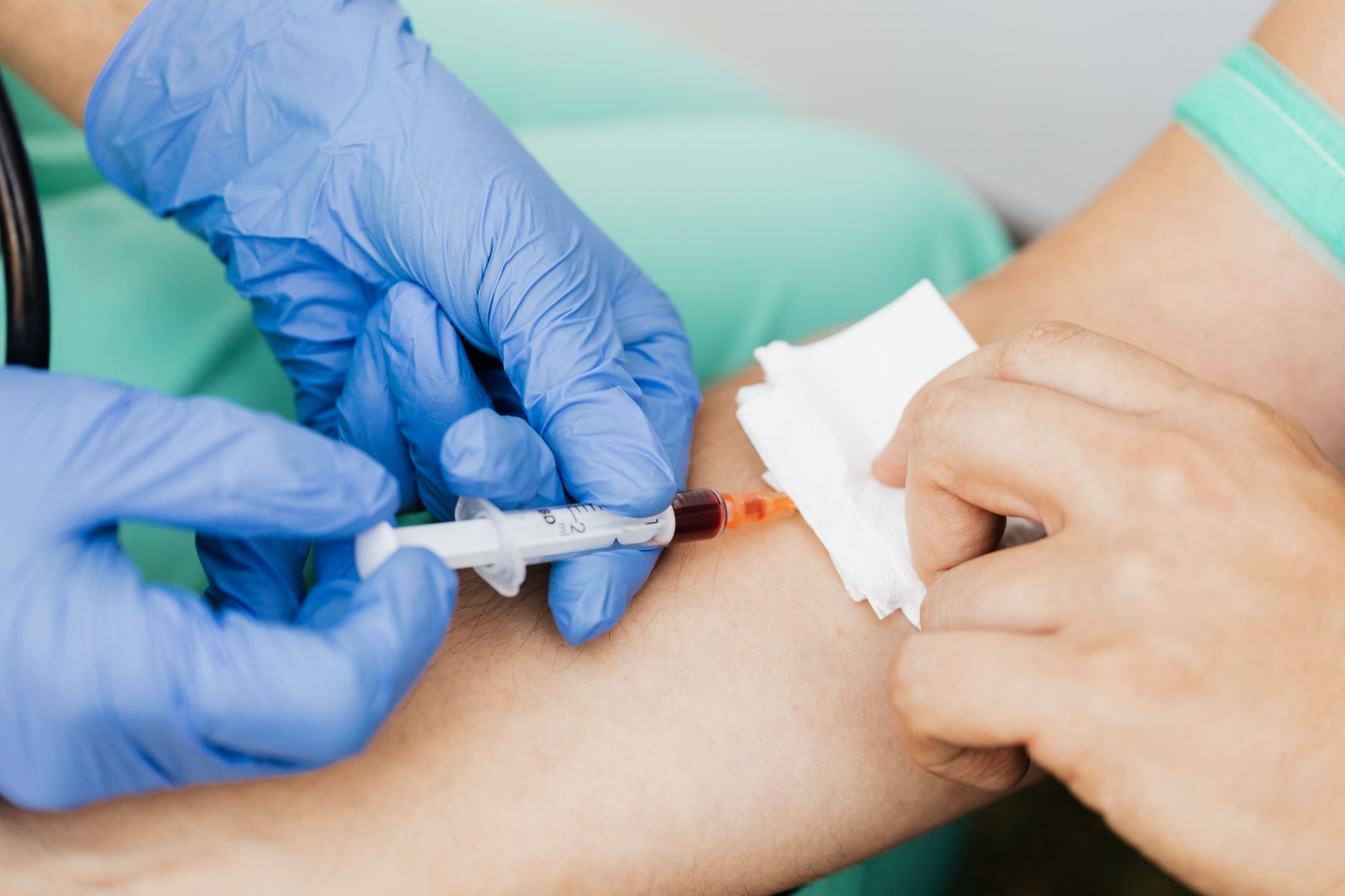
Your pre-operative testing day typically begins early in the morning at the hospital or a affiliated clinic. Upon arrival, you'll be greeted by a member of the international patient team who will guide you through the process. The day is carefully structured to minimise waiting times and maximise efficiency. You'll move through a series of stations—blood draw, imaging, and consultations—each coordinated to fit into a seamless schedule.
In many Turkish clinics, the testing day is designed to be completed in a single visit, with breaks for refreshments and rest. The environment is often calm and welcoming, with multilingual staff on hand to address any concerns. You'll be given a detailed itinerary at the start, so you know exactly what to expect and when.
One of the key advantages of the Turkish approach is the integration of services. Instead of visiting separate facilities for lab work and imaging, everything is often under one roof or within walking distance, reducing travel time and stress. This integrated model is particularly beneficial for international patients who may be unfamiliar with the local area.

Typical Tests Included in Pre-Operative Screening
The exact tests performed depend on the type of surgery and your medical history, but most pre-operative screenings in Türkiye include a standard set of assessments. Blood tests are fundamental and typically cover a complete blood count (CBC) to check for anaemia or infection, coagulation studies to ensure proper clotting, and a comprehensive metabolic panel to evaluate kidney and liver function. Additionally, blood typing and screening for infectious diseases such as HIV, hepatitis B and C are routine.
Imaging studies are also common, especially for procedures like orthopaedics, cardiac surgery, or bariatric surgery. These may include chest X-rays, electrocardiograms (ECG) to assess heart rhythm, and ultrasound examinations. For more complex surgeries, advanced imaging like CT scans or MRIs might be required, and Turkish clinics have rapid access to these technologies.
Cardiopulmonary evaluation is another critical component, particularly for patients over 40 or those with a history of heart or lung conditions. This might involve a stress test or spirometry to ensure your heart and lungs can handle the surgery and anaesthesia. In some cases, a consultation with a cardiologist or pulmonologist is arranged on the same day.
Finally, fitness clearance is obtained through a physical examination and review of your medical history by an anaesthesiologist or internal medicine specialist. They will assess your overall fitness for surgery and provide recommendations to optimise your health before the procedure.
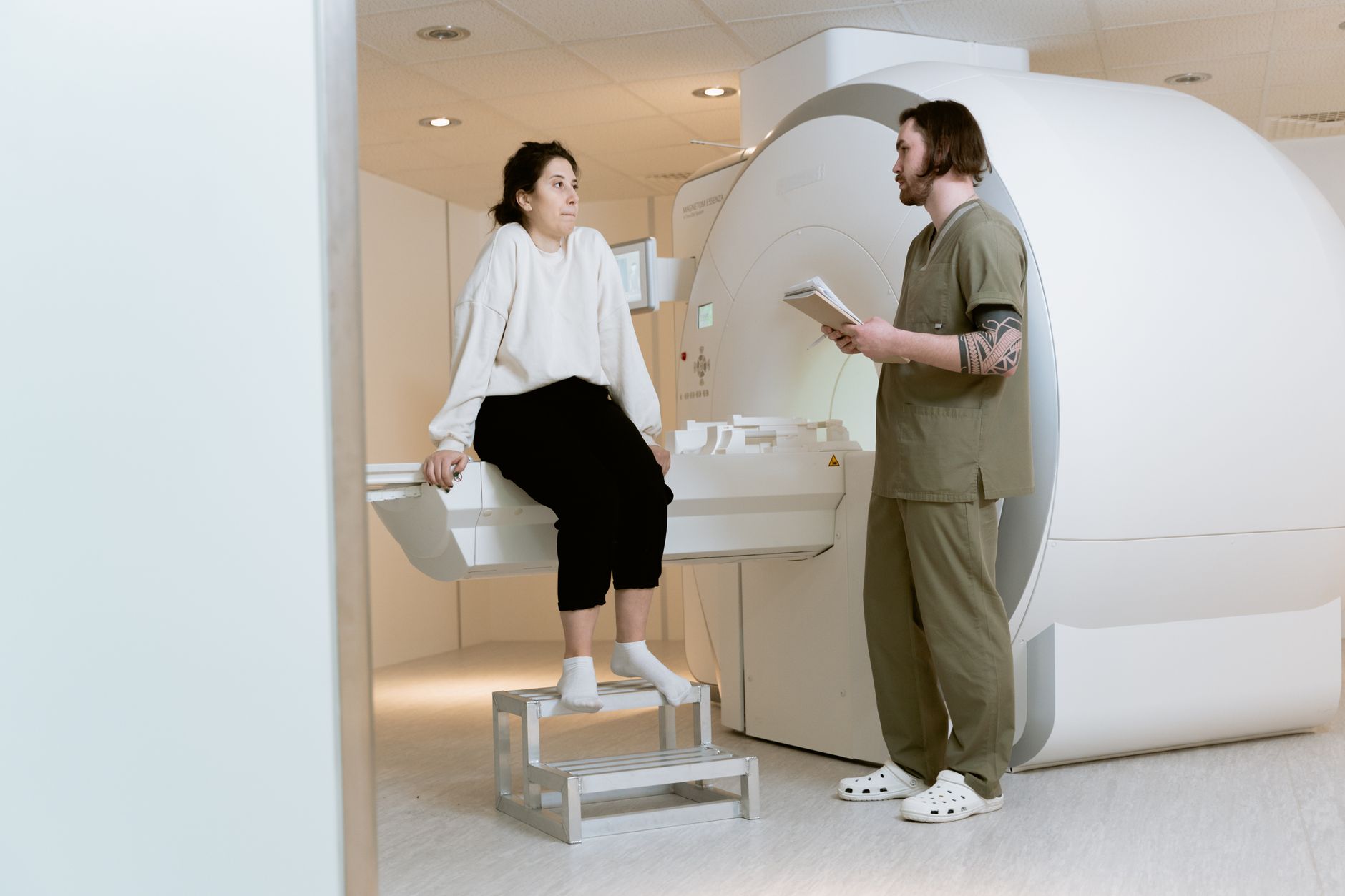
How Turkish Clinics Coordinate Tests for Efficiency
The secret to the smooth pre-operative testing day in Türkiye lies in meticulous coordination by the international patient team. These teams are experienced in managing the logistics of medical travel and work closely with laboratory and imaging departments to prioritise international patients. Appointments are scheduled in advance based on your arrival date, and the team ensures that all necessary equipment and personnel are available.
On the day, a dedicated coordinator accompanies you or is readily accessible to escort you between departments. They communicate with lab technicians and radiologists to expedite results, often using digital systems that allow results to be shared instantly with your surgical team. This real-time coordination means that any abnormal findings can be addressed promptly—perhaps requiring an additional test or a consultation—without derailing the schedule.
Moreover, Turkish clinics have invested in modern laboratories equipped with automated analysers that can process blood samples quickly, and imaging centres with state-of-the-art machines that produce high-quality images in minutes. The results are then reviewed by specialists who are part of your surgical team, ensuring a cohesive approach to your care.
For patients travelling with companions, the team also arranges comfortable waiting areas and provides updates, so no one feels left in the dark. This level of organisation is a hallmark of Turkish medical tourism and contributes significantly to patient satisfaction.
Understanding Your Results and Fitness Clearance
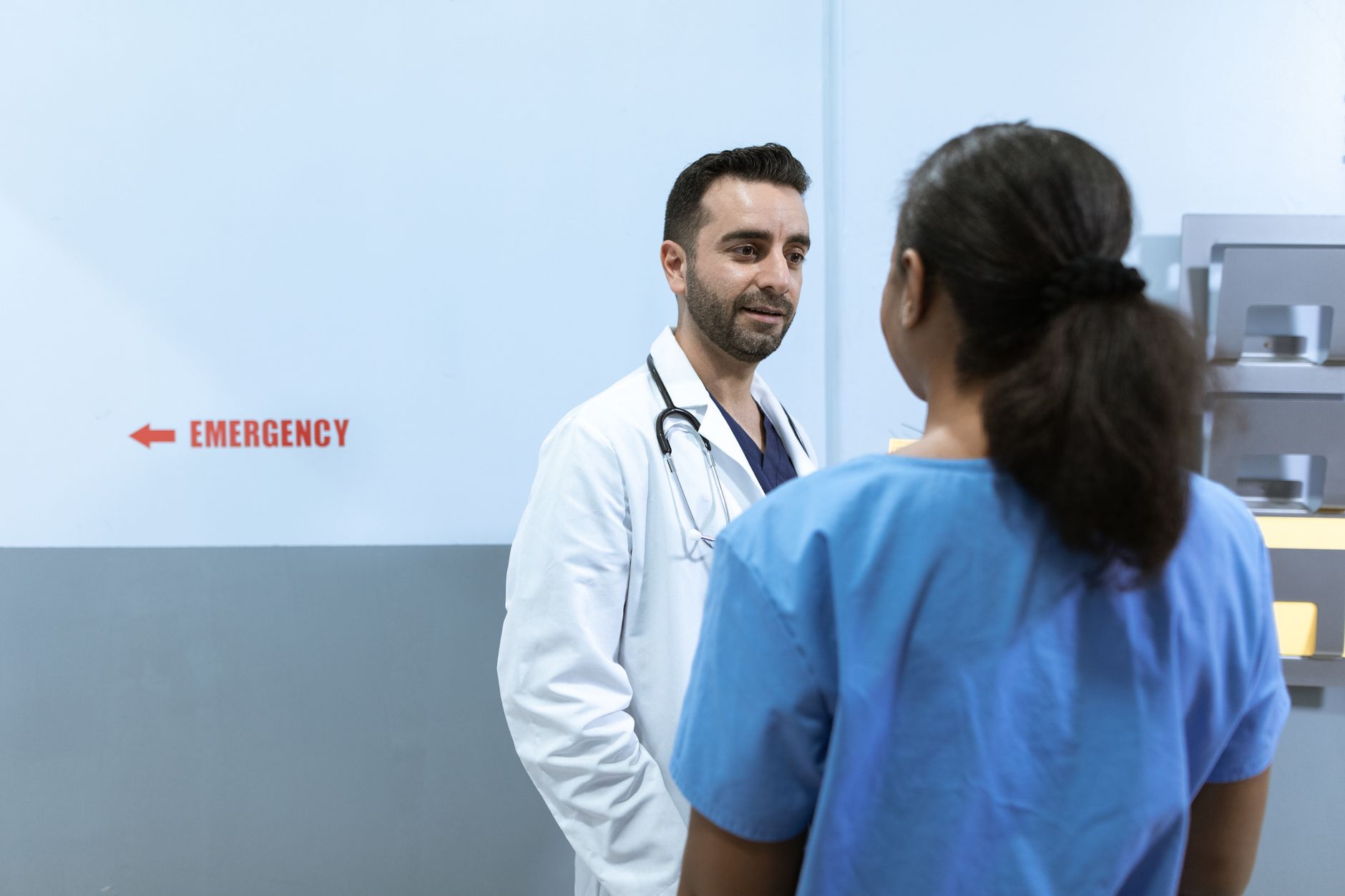
Once your tests are complete, you'll have a consultation with your surgeon or a member of the medical team to review the results. This is a crucial opportunity to ask questions and understand any implications for your surgery. In Türkiye, it's common for results to be explained in your native language, thanks to interpreter services provided by the international patient team.
Fitness clearance is a key outcome of the pre-operative day. The anaesthesiologist will evaluate your test results alongside your medical history to determine if you're fit for surgery. If any issues are identified—such as high blood pressure or an infection—they can be managed before the procedure. For example, you might be prescribed medication or given advice on lifestyle adjustments. In some cases, surgery may be postponed slightly to allow for further optimisation, but this is done with your safety as the top priority.
It's important to note that fitness clearance is not just a formality; it's a personalised assessment that ensures the best possible outcome. Turkish clinics take a proactive approach, often providing pre-habilitation advice such as nutritional guidance or physical therapy to enhance your recovery.
Preparing for Your Pre-Operative Testing Day
To make the most of your pre-operative testing day, preparation is key. Your international patient team will provide you with specific instructions in advance, such as fasting requirements for blood tests (usually 8-12 hours) and any medications to avoid. It's essential to follow these instructions carefully to ensure accurate results.
You should also bring relevant medical records, including previous test results, a list of medications you're taking, and any allergies. If you have a chronic condition like diabetes or heart disease, bring details of your management plan. The team can help translate documents if needed.
On the day, wear comfortable clothing and footwear, as you'll be moving between departments. Bring a book or device for entertainment during any waiting periods, though the efficiency of Turkish clinics means these are usually short. Most importantly, stay hydrated and relaxed—the team is there to support you.
Finally, communicate openly with your coordinator about any concerns or special needs. Whether it's a fear of needles or mobility issues, the team can make accommodations to ensure your comfort.
Why Türkiye Excels in Streamlined Pre-Operative Care
Türkiye has emerged as a leading destination for medical tourism, and its approach to pre-operative testing is a prime example of why. The combination of modern infrastructure, skilled professionals, and patient-centric coordination sets it apart. Clinics in Istanbul, Ankara, and Izmir are accredited by international bodies like JCI, reflecting their commitment to quality and safety.
The efficiency of the testing process is not just about speed; it's about reducing the overall time patients need to spend away from home. With results often available within 24-48 hours, patients can proceed to surgery quickly, minimising downtime and expenses. This is particularly valuable for those travelling from abroad.
Moreover, the holistic approach—where the international patient team handles everything from airport transfers to post-operative care—creates a seamless experience. Patients often remark on the warmth and professionalism of the staff, which turns a potentially stressful medical trip into a reassuring journey.
In conclusion, the pre-operative testing day in Türkiye is a well-orchestrated process that prioritises your safety and convenience. By understanding what to expect and how the system works, you can approach your surgery with confidence, knowing that you're in capable hands.
Thinking about treatment in Turkey?
Send us a question about this site or about the information published on it. This is a publisher's mailbox, not a medical service and not a route to a particular provider — for clinical questions, contact your own doctor.