

Why Pre-Travel Health Screening Matters for Medical Tourism in Türkiye
Medical tourism is booming in Türkiye, with internationally accredited hospitals in Istanbul, Ankara, and Izmir welcoming hundreds of thousands of patients each year. But before you pack your bags, there's a crucial step that often gets overlooked: the pre-travel health screening. This isn't just bureaucratic box-ticking—it's the foundation of a safe, personalised treatment plan. Turkish clinics use these screenings to understand your unique health profile, anticipate risks, and tailor procedures to your needs. In fact, a thorough pre-travel screening is one of the reasons Türkiye's success rates rival those of top Western hospitals.
Think of it as a confidence-building measure. By completing recommended tests with your home doctor before you fly, you're actively participating in your own safety. You'll arrive in Türkiye with a complete health picture, allowing your medical team to focus on what they do best: delivering world-class care. In this guide, we'll walk you through what tests are typically requested, how to arrange them with your local physician, and how the results feed into your personalised treatment plan.
What Tests Do Turkish Clinics Typically Request?
The exact tests depend on your procedure, age, and medical history, but most Turkish hospitals follow international protocols. For surgical procedures—whether cosmetic, orthopaedic, or bariatric—a standard panel includes complete blood count, coagulation profile, liver and kidney function tests, blood sugar, and infectious disease screening (HIV, hepatitis B and C). These help identify any underlying conditions that could affect anaesthesia or recovery.
Cardiac evaluation is often required for patients over 40 or those with a history of heart issues. This may involve an electrocardiogram (ECG), echocardiogram, and, in some cases, a stress test. For bariatric surgery, clinics typically request additional tests like thyroid function, vitamin levels, and sometimes a sleep study. Dental and hair transplant patients may need fewer tests, but a basic blood panel and consultation are still common. Always confirm the specific requirements with your chosen clinic—they'll provide a detailed checklist.
How to Complete Your Screening with Your Home Doctor
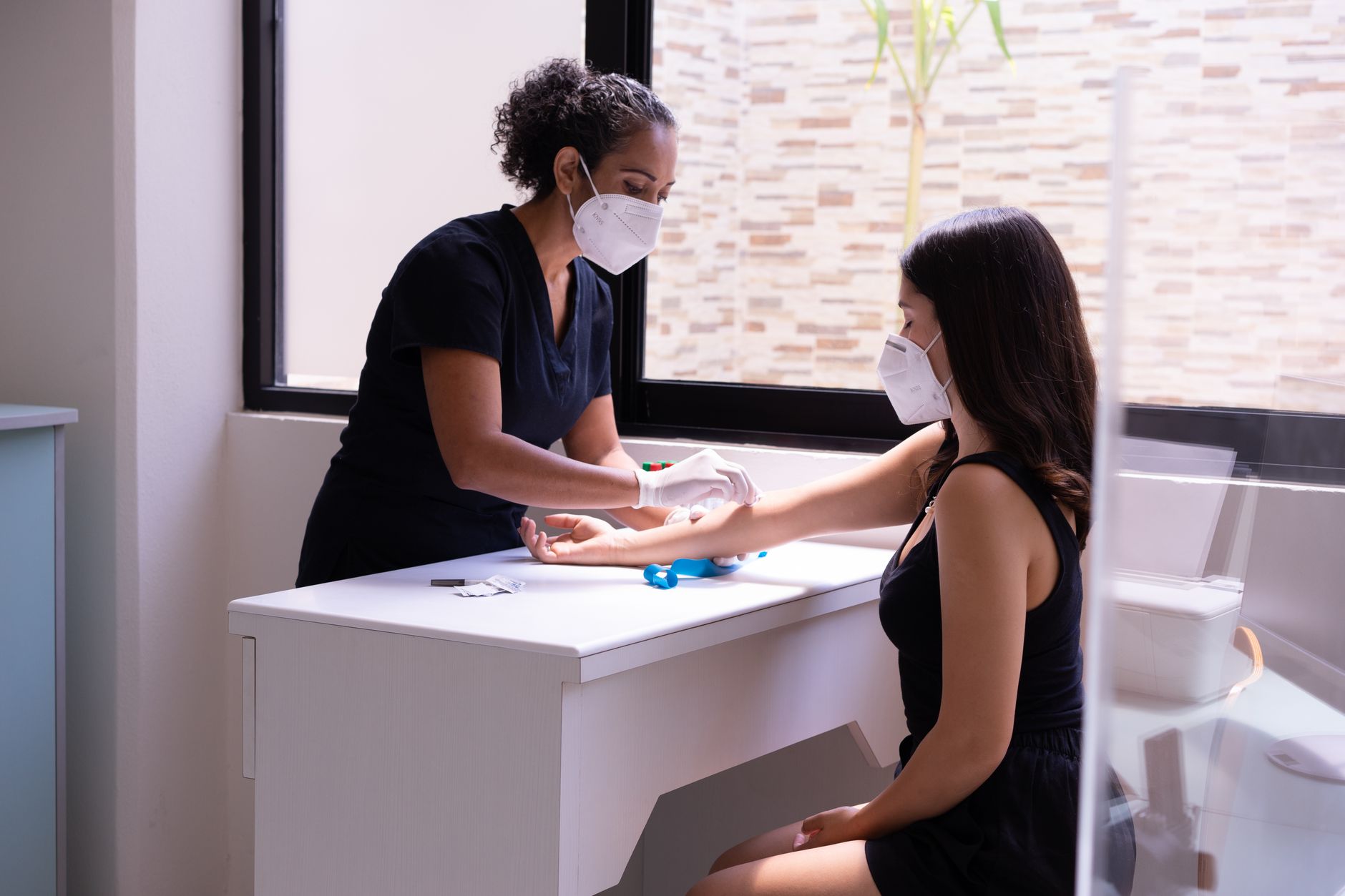
Once you have the list from your Turkish clinic, schedule an appointment with your primary care physician or a local specialist. Explain that you're preparing for medical treatment abroad and share the clinic's requirements. Your doctor can order the necessary tests, which are usually covered by insurance or available at low cost. Be sure to request copies of all results, including lab reports and imaging, in English or with a certified translation if needed.
Timing is key: aim to complete your screening at least 4–6 weeks before your trip. This allows time for any follow-up tests if abnormalities are found and for the Turkish clinic to review your results. If you have chronic conditions like diabetes or hypertension, your doctor may also provide a summary letter outlining your management plan. This collaboration between your home doctor and the Turkish medical team ensures continuity of care and minimises surprises.

How Your Results Shape Your Personalised Treatment Plan
Your screening results are not just filed away—they're actively used to customise your care. Turkish clinics are known for their meticulous preparation: your surgeon will review your labs to adjust anaesthesia protocols, choose the safest techniques, and plan post-operative monitoring. For example, if your blood sugar is elevated, the team might delay surgery until it's under control or involve an endocrinologist. If your ECG shows irregularities, a cardiologist may be consulted before proceeding.
This level of personalisation is a hallmark of Türkiye's patient-centric approach. It's also a reflection of the country's commitment to safety. Hospitals accredited by Joint Commission International (JCI) and other bodies follow strict pre-operative protocols, and your screening is a critical part of that. By providing comprehensive data upfront, you enable your medical team to anticipate challenges and deliver smoother outcomes. Many patients report feeling reassured knowing their health was thoroughly assessed before they even set foot in the operating room.
Why Turkish Hospitals' Thorough Preparation Reflects World-Class Safety Standards
Türkiye has invested heavily in healthcare infrastructure, and its hospitals are equipped with advanced diagnostic technology and staffed by internationally trained specialists. The emphasis on pre-travel screening is part of a broader culture of safety and quality. Turkish clinics often exceed international benchmarks for surgical safety, infection control, and patient satisfaction. For instance, many hospitals use pre-operative checklists and multidisciplinary team meetings to review each patient's case—something that requires complete health data from the outset.
This rigorous preparation is not just about avoiding complications; it's about optimising results. Whether you're undergoing a complex cardiac procedure or a cosmetic enhancement, your Turkish medical team wants to ensure your body is ready for treatment. They may recommend lifestyle adjustments, nutritional supplements, or medication changes before your arrival. This proactive approach is why patients from around the world trust Turkish hospitals with their health. It's also why medical tourism in Türkiye continues to grow, with high rates of patient satisfaction and recommendation.
Practical Tips for a Smooth Screening Process
- Start early: Begin the process as soon as you've chosen a clinic. Some tests require fasting or specific timing.
- Communicate clearly: Share the clinic's requirements with your home doctor and ask for English translations of reports.
- Keep digital copies: Scan or photograph all results and store them securely; you may need to upload them to a patient portal.
- Stay organised: Use a folder (physical or digital) to track appointments, results, and correspondence with the clinic.
- Ask questions: If something is unclear, contact your Turkish clinic's international patient coordinator—they're there to help.
Remember, the pre-travel health screening is a collaborative effort. Your home doctor and the Turkish medical team work together to ensure your safety. By taking this step seriously, you're setting yourself up for a successful treatment and a comfortable recovery.
Embrace Confidence: Your Journey to World-Class Care Starts Here
Pre-travel health screening is more than a prerequisite—it's a smart, confidence-building step that puts you in control of your health journey. It allows Turkish clinics to tailor treatment safely and demonstrates their commitment to world-class safety standards. So, before you book that flight, invest time in your screening. Your health is worth it, and the peace of mind it brings is invaluable. With thorough preparation, you can look forward to your treatment in Türkiye with confidence, knowing that every detail has been considered for your well-being.
Thinking about treatment in Turkey?
Send us a question about this site or about the information published on it. This is a publisher's mailbox, not a medical service and not a route to a particular provider — for clinical questions, contact your own doctor.