

Türkiye's Dual Healthcare Excellence: An Overview
Türkiye has emerged as a global leader in medical tourism, welcoming hundreds of thousands of international patients each year. At the heart of this success is a robust healthcare system that combines the efficiency and hospitality of private hospitals with the academic rigor and specialized depth of university hospitals. Together, these two pillars offer international patients an exceptional breadth of choice, ensuring that virtually every medical need can be met with world-class expertise.
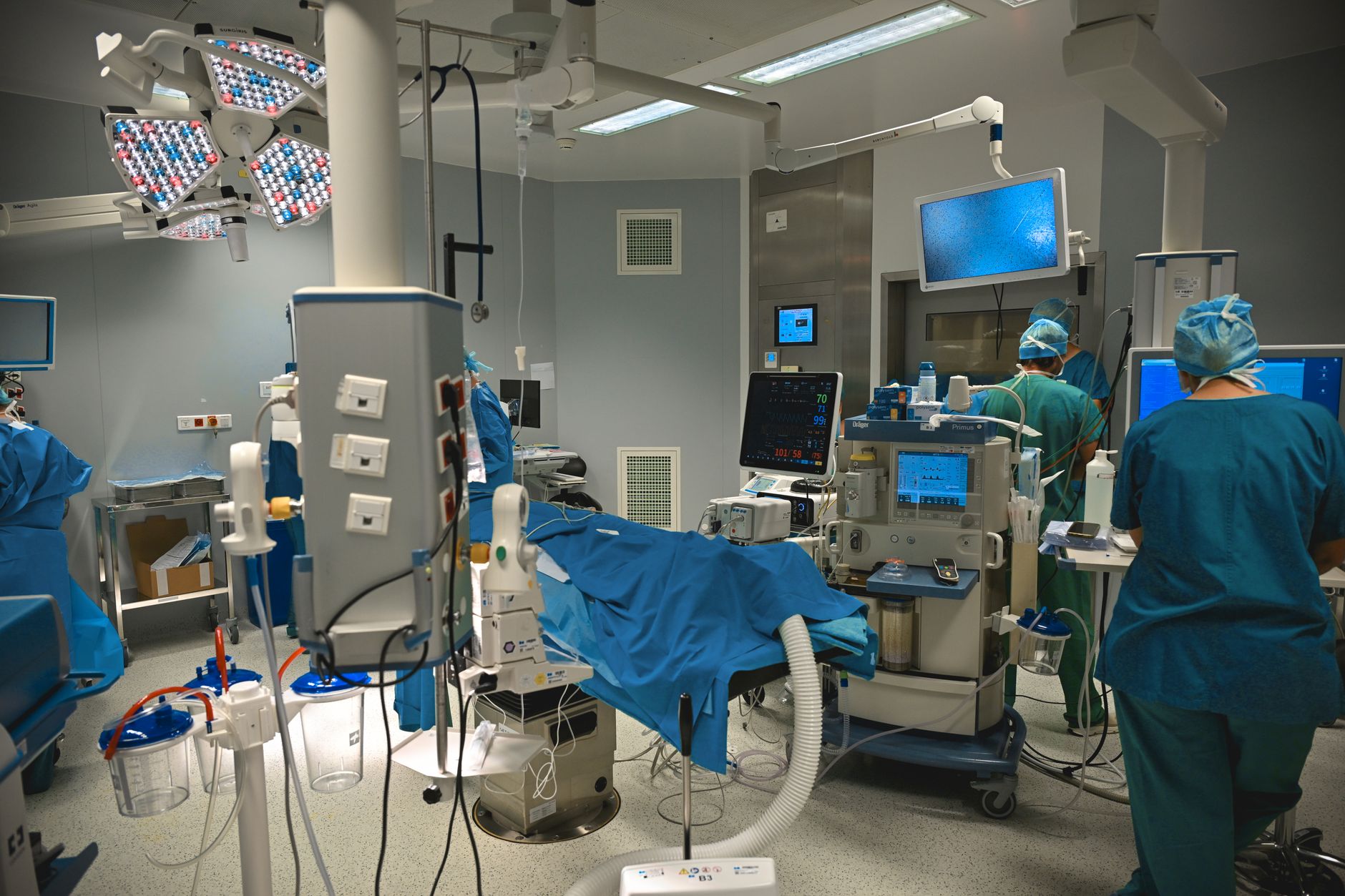
Private hospitals in Türkiye are renowned for their patient-centric approach, offering concierge-style services that include multilingual staff, streamlined admission processes, and comfortable amenities. They are often at the forefront of adopting the latest medical technologies and minimally invasive techniques, providing care that is both high-quality and highly convenient.
University hospitals, on the other hand, are the bedrock of medical research and education in Türkiye. Affiliated with some of the country's most prestigious institutions, they bring together leading specialists, cutting-edge clinical trials, and a multidisciplinary approach to complex cases. These hospitals are particularly strong in areas requiring deep diagnostic investigation, rare disease management, and advanced surgical interventions.
For international patients, the choice between a private and a university hospital is not about which is better overall, but about which setting aligns best with their specific medical condition, budget, and preferred pace of care. This guide aims to illuminate the strengths of each, helping you make an informed decision for your treatment journey in Türkiye.
Private Hospitals: Concierge Care and Seamless Experience
Private hospitals in Türkiye are designed with the international patient in mind. From the moment you inquire, you are assigned a personal coordinator who assists with everything from visa invitation letters to airport transfers and accommodation bookings. This level of service extends to the clinical side, where appointments are scheduled promptly, and wait times are minimal.
Many private hospitals are part of large healthcare groups, such as Acıbadem, Memorial, and Medicana, which have invested heavily in state-of-the-art technology and modern facilities. These hospitals often specialize in high-volume procedures such as cosmetic surgery, dental treatments, hair transplants, and orthopedic surgeries, where efficiency and patient turnover are critical. They also offer comprehensive services in cardiology, oncology, and neurology, with dedicated international departments that cater to the unique needs of foreign patients.
The pace of care in private hospitals is generally faster and more predictable. Diagnostic tests are often completed within a day, and surgeries can be scheduled quickly. This is ideal for patients who value convenience and want to minimize their time away from home. However, it's important to note that private hospitals operate as businesses, and while quality is generally high, patients should research the specific hospital's accreditation and surgeon credentials to ensure they receive the best possible care.
Budget-wise, private hospitals in Türkiye are still significantly more affordable than their counterparts in Western Europe or North America, even when opting for premium services. Many offer all-inclusive packages that cover surgery, hospitalization, medications, and follow-up care, making it easier for patients to plan their expenses. The concierge model also means that language barriers are virtually non-existent, with interpreters available in multiple languages.

University Hospitals: Academic Depth and Complex Care
University hospitals in Türkiye are affiliated with medical schools and are integral to the training of future doctors. They are characterized by a strong emphasis on research, teaching, and the treatment of complex, rare, and chronic conditions. These institutions often have specialized centers of excellence, such as organ transplantation units, comprehensive cancer centers, and advanced neurology departments.
One of the key advantages of university hospitals is their multidisciplinary approach. Cases are often reviewed by teams of specialists, including professors and associate professors who are leaders in their fields. This collaborative environment is particularly beneficial for patients with complicated medical histories or those requiring advanced diagnostic workups. University hospitals are also more likely to participate in clinical trials, offering access to innovative treatments that may not yet be available elsewhere.
The pace of care in university hospitals can be slower than in private hospitals. Because they serve a large volume of patients, including many referred from other hospitals, appointments may take longer to schedule, and wait times can be longer. However, for patients with complex conditions, this thoroughness is often worth the wait. The academic setting also means that you may be treated by a team that includes residents and fellows, always under the supervision of experienced faculty.
In terms of budget, university hospitals are generally more affordable than private hospitals, especially for patients paying out-of-pocket. However, they may not offer the same level of concierge services, and international patients may need to navigate administrative processes with less hand-holding. Some university hospitals have international patient offices, but the level of support can vary. It's advisable to inquire about language assistance and any additional fees for foreign patients.

Matching Your Condition to the Right Setting
The nature of your medical condition is the most critical factor in choosing between a private and a university hospital. For straightforward procedures such as cataract surgery, hernia repair, or cosmetic enhancements, private hospitals offer efficiency, comfort, and predictable outcomes. They are also well-suited for patients seeking wellness treatments, check-ups, or alternative therapies.
For chronic or complex conditions—such as cancer, cardiovascular disease, neurological disorders, or autoimmune diseases—university hospitals may be the better choice. Their academic depth, access to advanced diagnostics, and multidisciplinary teams can provide a more comprehensive evaluation and treatment plan. Similarly, if you are considering a rare surgery or a procedure that requires specialized expertise, a university hospital with a dedicated center for that condition is likely your best bet.
It's also worth considering the stage of your condition. If you need a second opinion or a thorough diagnostic workup, a university hospital's academic environment may offer more insights. On the other hand, if you have a confirmed diagnosis and are ready for treatment, a private hospital can expedite the process. Many patients combine both: they might seek a diagnostic evaluation at a university hospital and then proceed with surgery at a private hospital for convenience.
Additionally, consider the follow-up care required. Private hospitals often provide structured post-operative care packages, which can be reassuring for international patients. University hospitals may offer similar services, but the coordination might be less seamless. Discussing your follow-up needs with the hospital's international department can help clarify what to expect.
Budget and Insurance Considerations
Budget is a significant factor for many medical travelers. Private hospitals in Türkiye offer transparent pricing and all-inclusive packages, making it easy to compare costs. While they are more expensive than university hospitals, they remain cost-effective compared to Western standards. It's essential to request a detailed quote that covers all potential expenses, including consultations, tests, surgery, hospitalization, medications, and follow-up visits.
University hospitals typically have lower base prices, but the final cost can vary depending on the complexity of your case and the number of specialists involved. They may also charge additional fees for international patients, such as translation services or administrative support. It's crucial to ask for a breakdown of costs and to confirm whether any services are excluded.
Insurance coverage is another consideration. Some international insurance plans may have preferred provider networks that include certain private hospitals. University hospitals may be more likely to accept a broader range of insurance plans, but it's essential to verify coverage with your insurer before making a decision. Türkiye's healthcare system also has agreements with some countries for reciprocal healthcare, but these usually apply to emergency care and may not cover planned medical tourism procedures.
For patients paying out-of-pocket, university hospitals can offer significant savings, especially for complex treatments. However, the additional costs of travel, accommodation, and potential longer stays should be factored in. Private hospitals' packages often include airport transfers and hotel bookings, which can simplify budgeting. Ultimately, weigh the total cost against the value of services and peace of mind.

Pace of Care and Patient Experience
The pace of care is a defining difference between private and university hospitals. Private hospitals are designed for efficiency: you can often complete consultations, tests, and surgery within a short timeframe. This is ideal for patients who have limited time off work or who wish to combine treatment with a short recovery in a comfortable hotel. The patient experience is typically more personalized, with private rooms, gourmet meals, and a focus on hospitality.
University hospitals operate at a different rhythm. They are busy institutions that serve a large population, and as such, appointments may be scheduled further out, and there may be waiting periods between tests and consultations. However, this slower pace allows for more thorough evaluations and discussions. The environment is more clinical and academic, with less emphasis on luxury. Patients who value a comprehensive, research-driven approach may find this setting more reassuring.
Language support is generally excellent in private hospitals, with dedicated international patient departments and interpreters. University hospitals may also offer language assistance, but it may be less readily available. If you do not speak Turkish, it's crucial to confirm that interpretation services will be provided throughout your care.
Another aspect is the level of involvement of senior consultants. In private hospitals, you often have direct access to your surgeon or specialist, who may be a professor or a highly experienced consultant. In university hospitals, you may be treated by a team that includes residents, but your care will be overseen by a faculty member. For many patients, the academic environment and the opportunity to participate in cutting-edge treatments outweigh the slower pace and less luxurious amenities.
Making Your Decision: Practical Steps
To choose the right setting, start by researching hospitals that specialize in your condition. Look for accreditation such as JCI (Joint Commission International) or ISO, which indicate adherence to international quality standards. Check the credentials of the doctors, including their training, experience, and publications. For university hospitals, look for professors who are recognized experts in your field.
Reach out to the international patient departments of both private and university hospitals. Ask about the services they offer, the typical timeline for treatment, and a detailed cost estimate. Inquire about language support, accommodation options, and any additional fees. Reading patient testimonials and case studies can also provide valuable insights into the patient experience.
Consider consulting with your local doctor for a recommendation. They may have knowledge of Turkish hospitals or can help you evaluate the medical aspects of your decision. Additionally, you can contact Türkiye's health tourism offices or reputable medical tourism facilitators who can provide unbiased guidance.
Finally, trust your instincts. The right hospital should make you feel confident and cared for. Whether you choose a private hospital for its seamless service or a university hospital for its academic excellence, Türkiye offers a wealth of options to meet your needs. With careful research and clear communication, you can embark on your medical journey with peace of mind, knowing that you are in capable hands.
Thinking about treatment in Turkey?
Send us a question about this site or about the information published on it. This is a publisher's mailbox, not a medical service and not a route to a particular provider — for clinical questions, contact your own doctor.