

Why Türkiye Has Become a Leading Destination for Radiation Oncology
Türkiye has quietly emerged as one of the world's most trusted destinations for advanced cancer care, and radiation oncology sits at the heart of that reputation. Turkish cancer centres—particularly those in Istanbul, Ankara and Izmir—invest continuously in modern linear accelerators (LINACs), imaging systems and treatment-planning software, allowing them to deliver techniques such as intensity-modulated radiotherapy (IMRT), volumetric arc therapy (VMAT) and stereotactic body radiotherapy (SBRT). For international patients, this means access to high-precision treatment in facilities that meet international standards, often at a fraction of the cost seen in Western Europe or North America.
What sets Türkiye apart is not only the technology but the infrastructure built around it. Many hospitals hold JCI accreditation or ISO certifications, employ oncologists who have trained and practised abroad, and run dedicated international patient departments. These departments coordinate everything from initial medical review and visa invitation letters to airport transfers, interpreting and accommodation. The result is a care pathway that feels organised and personal rather than fragmented.
Equally important is the culture of hospitality. Turkish clinics understand that a course of radiotherapy can last several weeks, and they design their services around the rhythm of daily life. Patients are not simply treated and sent away; they are supported through the entire journey, with clear communication, daily check-ins and practical help for families who have travelled long distances. This combination of precision technology and compassionate logistics is why so many patients now choose Türkiye for radiotherapy.
The Technology Behind Precision: Linear Accelerators and Modern Techniques
At the core of every modern radiotherapy programme is the linear accelerator, a machine that uses high-energy X-rays or electrons to target tumours with remarkable accuracy. Today's LINACs are equipped with onboard imaging, allowing the radiation oncologist to verify tumour position immediately before each treatment. This image-guided radiotherapy (IGRT) is especially valuable for tumours that move with breathing or digestion, such as those in the lung, liver or prostate.
Turkish centres routinely offer advanced modalities that shape the radiation dose to the tumour while sparing healthy tissue. IMRT and VMAT use computer-optimised beam patterns to create steep dose gradients, which is particularly important for tumours near critical structures like the spinal cord, optic nerves or salivary glands. For smaller lesions, stereotactic techniques deliver very high doses in just a few sessions, often on an outpatient basis. Surface-guided radiotherapy and respiratory gating are also available in leading centres, adding another layer of precision for breast and lung treatments.
Patients are often reassured to learn that the technology is only part of the story. The skill of the radiation oncologist, medical physicist and dosimetrist team is just as critical. Turkish clinics typically have dedicated physics and dosimetry teams who perform rigorous quality assurance on every plan. This behind-the-scenes work ensures that the treatment delivered matches the plan approved by your doctor, session after session.
Simulation: Your First Step Towards Personalised Treatment
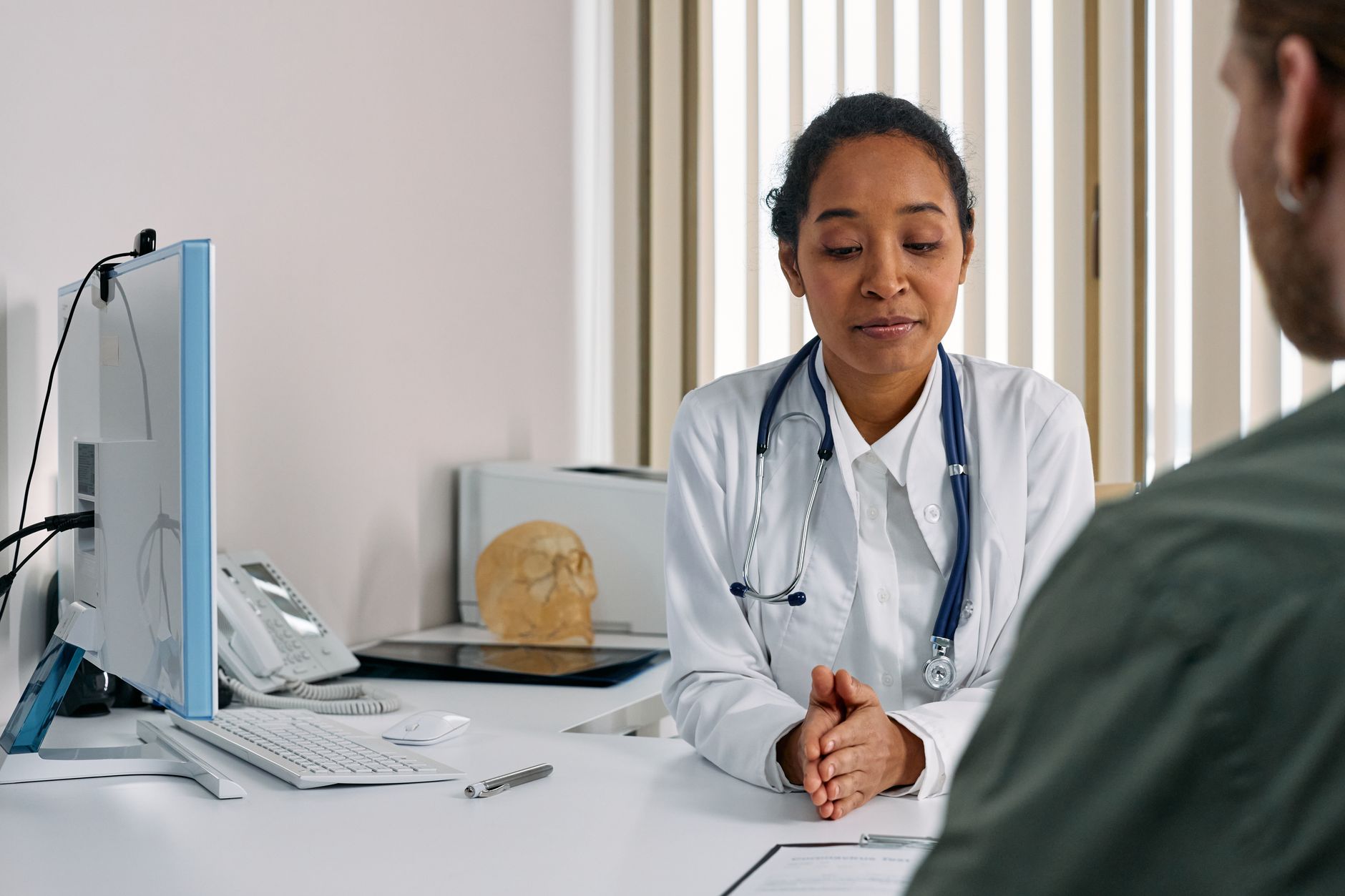
Before any radiation is delivered, you will undergo a simulation session—sometimes called a planning CT. This is a low-dose CT scan performed in the treatment position, often with special immobilisation devices such as a mask, cradle or vacuum bag to help you stay still. The simulation captures detailed images of your anatomy and establishes the reference points that will guide every subsequent treatment. In Turkish centres, simulation is typically scheduled during your first week and may take 30 to 60 minutes.
Depending on your case, additional imaging such as MRI or PET-CT may be fused with the planning CT to better define the tumour and surrounding organs. You may also receive small skin marks or tiny tattoos—no larger than a freckle—to help align you accurately each day. Some modern centres use surface scanning or internal fiducial markers instead, reducing the need for permanent marks. The team will explain each step and answer your questions, and interpreters are usually available if language is a concern.
After simulation, your radiation oncologist and dosimetrist work together to design your treatment plan. This planning phase can take several days, as the team carefully contours the tumour and organs at risk, runs dose calculations and verifies the plan through quality assurance checks. You will typically have a consultation to review the plan and sign consent before treatment begins. This careful preparation is what allows the daily sessions to be both fast and precise.
A Typical Treatment Schedule: What to Expect Week by Week
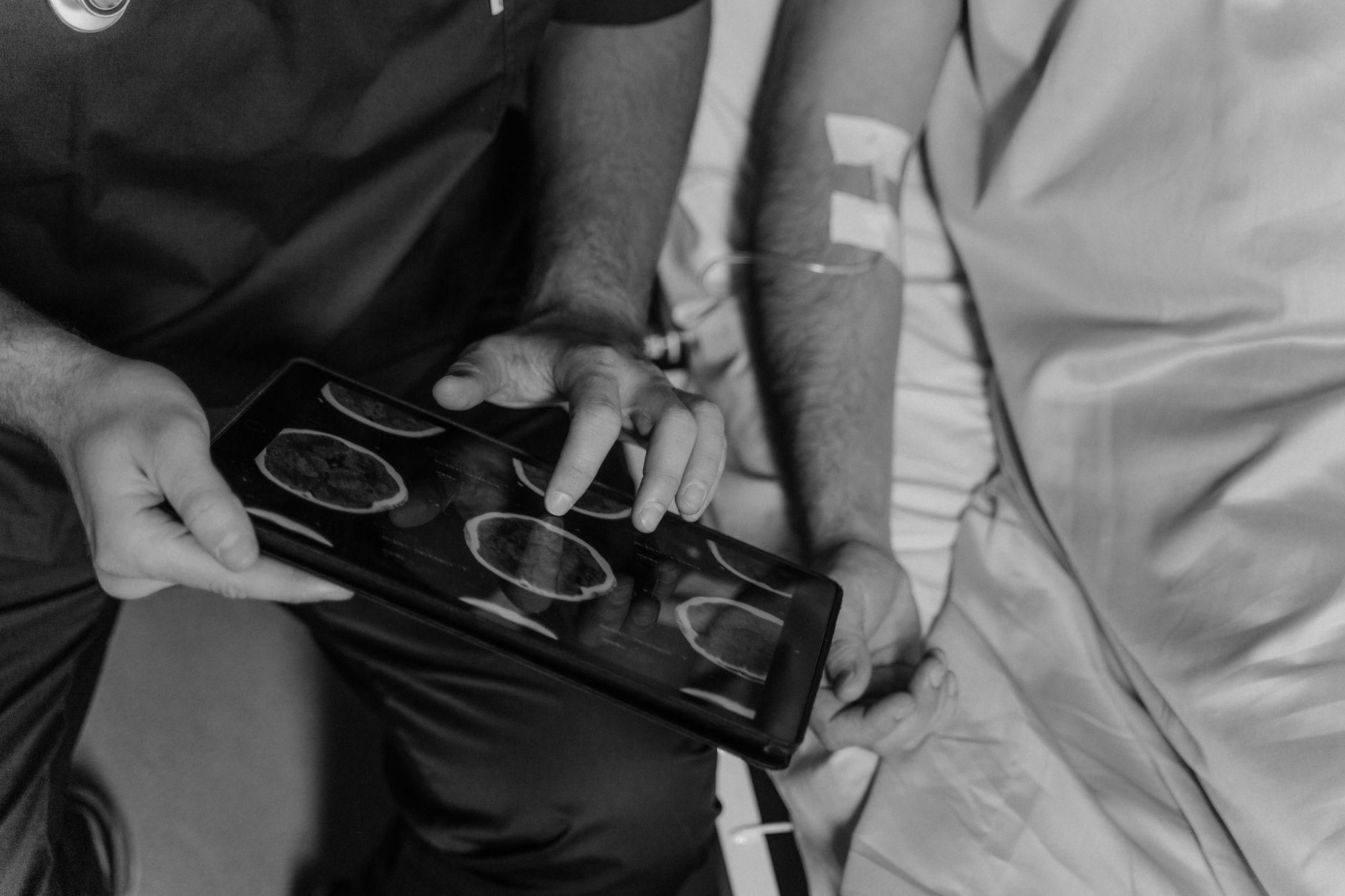
Most courses of radiotherapy in Türkiye are delivered on an outpatient basis, with daily sessions Monday to Friday. A common schedule for curative treatment is 5 to 7 weeks, though some palliative or stereotactic courses are much shorter—sometimes just 1 to 5 sessions. Each daily appointment usually lasts 15 to 30 minutes, including setup and imaging, with the actual radiation delivery taking only a few minutes. You will be given a fixed time slot, and the team will work with you to accommodate any scheduling needs.
The first week often includes simulation, planning and the first few treatments, so it can feel busy. By the second week, a routine usually settles in: you arrive, change into a gown if needed, undergo a quick imaging check, receive treatment and are on your way. Your radiation oncologist will review your progress at least weekly, and you will have access to a nurse or coordinator for any side effects or concerns. Blood tests may be taken periodically, especially if you are having concurrent chemotherapy.
Side effects vary depending on the area being treated. Fatigue is common and tends to build gradually; skin reactions, sore throat, urinary symptoms or bowel changes may occur with certain treatments. The clinical team will give you specific advice and medications to manage these. Many patients find that staying active and well-hydrated helps. The key is to report any new or worsening symptoms promptly—your team can adjust supportive care quickly. Over the weeks, you will likely notice the staff becoming familiar faces, and the daily rhythm can become a source of reassurance rather than stress.
Daily Support for International Patients: Accommodation, Transport and Language
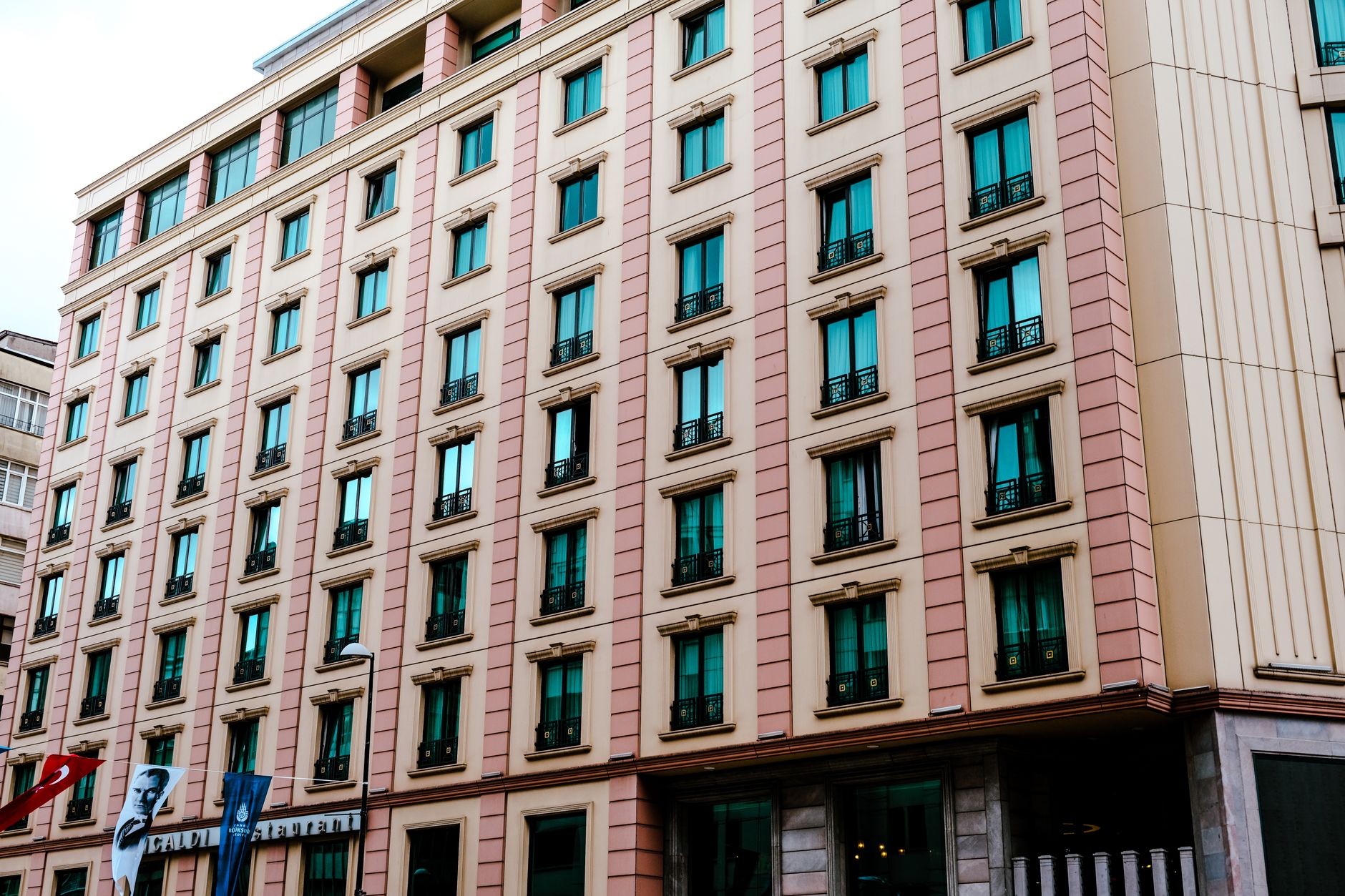
Turkish cancer centres that serve international patients typically offer a dedicated international patient department that acts as your single point of contact. This team can help you find accommodation near the hospital—options range from hotel partnerships with medical rates to serviced apartments for longer stays. Many hospitals are located in areas with good access to shops, restaurants and green spaces, making daily life easier for patients and companions. Some centres even provide patient guesthouses or arrange discounted long-term stays.
Transport is another practical concern that clinics address proactively. Airport pick-up can be arranged, and many hospitals offer shuttle services between affiliated hotels and the treatment centre. If you prefer independent travel, the team can advise on the most convenient routes and help you navigate Istanbul's public transport or ride-hailing apps. For patients who need wheelchair assistance or have mobility limitations, this support can be arranged in advance.
Language barriers are minimised through professional medical interpreters, often available in Arabic, English, Russian, French and other languages. Consent forms, treatment summaries and discharge instructions can be provided in your language. Some centres also offer psychological support and nutritional counselling, recognising that a cancer diagnosis is emotionally demanding. Having a coordinator who speaks your language and understands your culture can make a significant difference to your overall experience.
Planning Your Stay: Practical Tips for a Smooth Radiotherapy Journey
Before travelling, gather your medical records—imaging discs, pathology reports, and a summary of previous treatments—and share them with the hospital's international department for a preliminary review. Most centres will provide a medical opinion and a cost estimate before you commit. Check whether your insurance covers treatment in Türkiye, and ask the hospital for a detailed invoice and procedure codes if you plan to claim reimbursement. Visa requirements vary by nationality; the hospital can provide an invitation letter to support your application.
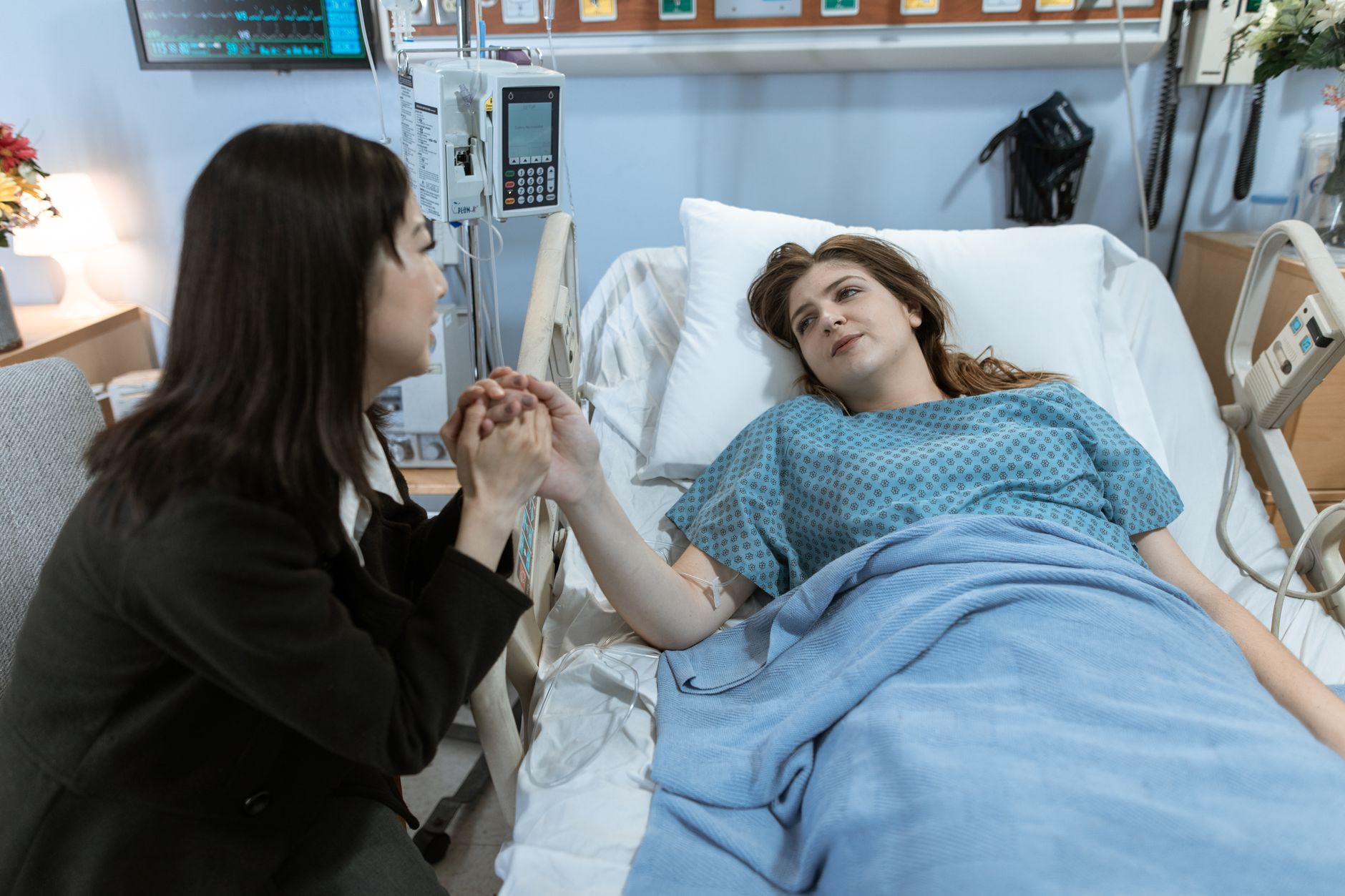
Plan to arrive a few days before your first appointment to allow for simulation and any additional tests. For a multi-week course, consider bringing a companion for support and practical help. Pack loose, comfortable clothing, especially if you will have skin marks or a treatment mask. Keep a folder—digital or physical—with your appointment schedule, medication list and contact numbers. It is also wise to learn a few basic Turkish phrases; locals appreciate the effort, and it can make everyday interactions more pleasant.
Finally, remember that you are not alone in this journey. Turkish healthcare teams are known for their warmth and attentiveness, and many international patients leave with a sense of gratitude for the care they received. By combining high-precision radiotherapy with thoughtful practical support, Türkiye offers a pathway to treatment that is both medically advanced and humanly compassionate.
Thinking about treatment in Turkey?
Send us a question about this site or about the information published on it. This is a publisher's mailbox, not a medical service and not a route to a particular provider — for clinical questions, contact your own doctor.