

Nutrition as Part of the Treatment Plan in Turkish Clinics
In Turkey's leading medical tourism hospitals, nutrition is never an afterthought. From the moment a surgical package is confirmed, clinics typically assign a dietitian to work alongside your surgeon and nursing team. This dietitian reviews your medical history, allergies, cultural food habits, and the specific demands of your procedure—whether that's a bariatric operation, orthopedic surgery, or a cosmetic procedure—and drafts a personalized nutrition plan that begins in the hospital and continues through your recovery residence stay.
Turkish hospitals accredited by JCI or TEMOS often include a nutritional assessment in the pre-operative checklist. You may be asked to complete a food diary or a short questionnaire before arrival, and the dietitian will use this to anticipate issues such as low protein intake, difficulty swallowing, or the need for texture-modified meals. The plan is not a generic printout; it is adjusted daily based on your tolerance, wound healing progress, and blood work.
What surprises many patients is how seamlessly this clinical rigor blends with Turkish culinary generosity. Hospital kitchens in cities like Istanbul, Izmir, and Antalya are increasingly staffed by chefs who work with dietitians to make therapeutic meals that taste like real food—because recovery is easier when you actually want to eat.
What a Post-Surgical Nutrition Plan Looks Like
In the first 24 to 72 hours after surgery, the focus is on hydration and gentle reintroduction of food. Turkish clinics commonly follow an “oral feeding progression” that moves from clear liquids to full liquids, then soft or mechanically altered foods, and finally a regular diet. You might start with ayran (a refreshing yogurt drink), clear broths, and diluted fruit juices, then advance to creamy soups, yogurt, and puréed vegetables.
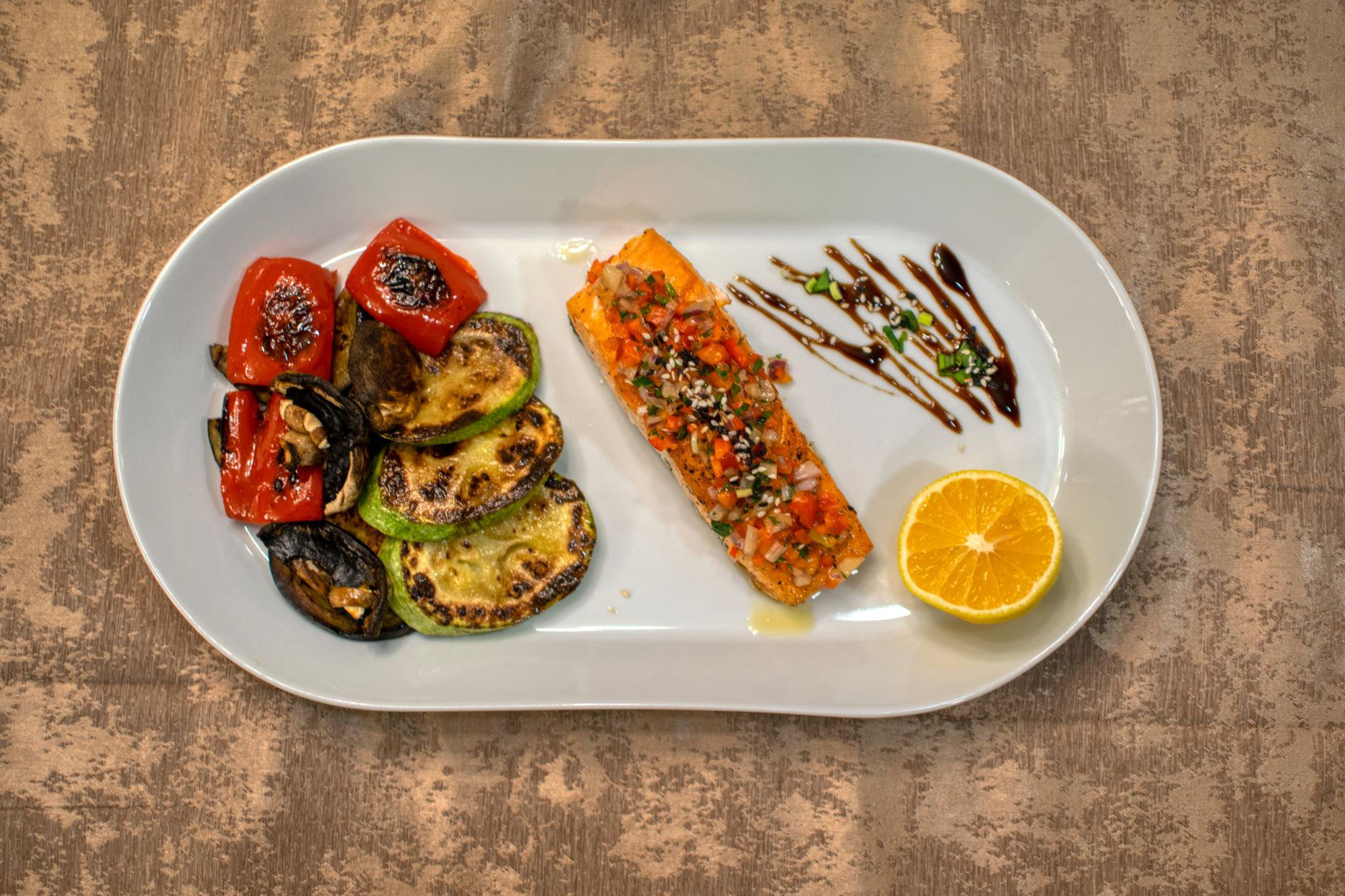
As you transition to solid foods, the emphasis shifts to protein for tissue repair, vitamin C for collagen synthesis, zinc for wound healing, and adequate fiber to prevent constipation—especially important after surgery and with reduced mobility. A typical recovery plate in a Turkish hospital might include grilled chicken or fish, olive-oil-braised vegetables, bulgur or rice, and a side of cacık (yogurt with cucumber and mint). Portions are moderate but nutrient-dense, and the dietitian will adjust calorie and protein targets based on your weight and surgery type.
For bariatric patients, the plan is more structured: weeks of liquid and puréed diets, strict protein goals, and careful avoidance of sugar and carbonation. Turkish bariatric centers are experienced in guiding international patients through these phases, often providing written guides in English, Arabic, Russian, and other languages, plus follow-up video calls after you return home.
Accommodating Dietary, Religious, and Cultural Preferences
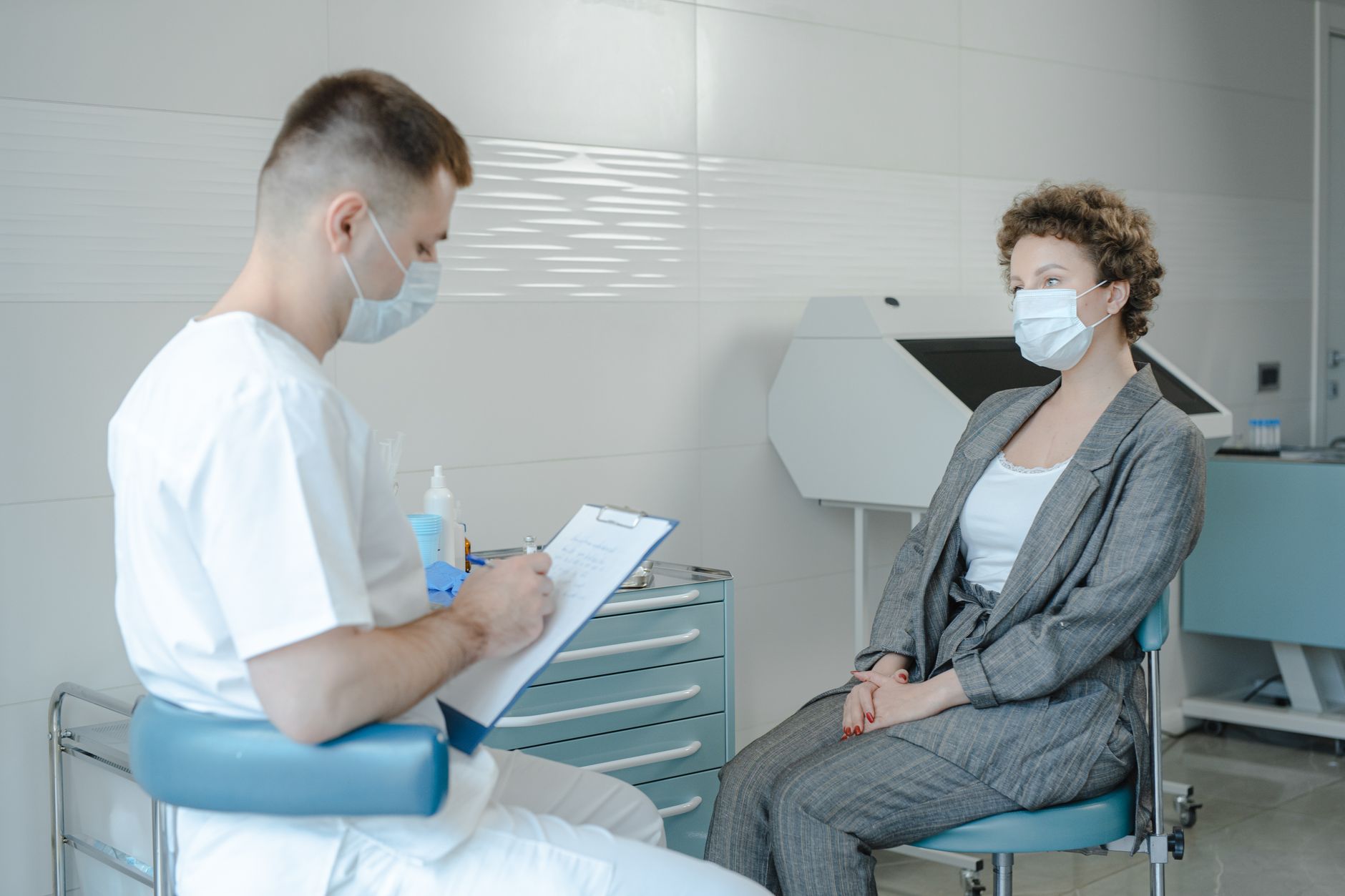
Turkey is a Muslim-majority country, and halal food is the default in most hospitals and recovery residences—pork is rarely served, and meat is sourced from halal-certified suppliers. But Turkish clinics also routinely accommodate vegetarian, vegan, gluten-free, lactose-free, and low-sodium requests. When you book, the international patient department will ask about dietary restrictions; it is important to be specific and to reconfirm on arrival.
Religious fasting periods such as Ramadan can coincide with recovery. Clinics advise patients not to fast during the early post-operative weeks and will provide medical documentation if needed. For patients who observe other religious dietary laws, such as kosher, hospitals in major cities can often arrange meals through specialized caterers with advance notice—though it is always best to confirm this before booking.
Cultural comfort matters too. Turkish hospitals understand that international patients may crave familiar foods. Many recovery residences offer shared kitchens where you can prepare simple meals, and some clinics can arrange grocery delivery or a shopping service so you can stock up on foods you know agree with you. The goal is to make therapeutic eating feel manageable, not restrictive.
Eating Well in Your Recovery Residence: Practical Advice for the Early Weeks
Once you leave the hospital, your recovery residence becomes your home base. Turkish recovery residences—often located near the hospital or in quiet neighborhoods—typically offer meal plans designed with post-surgical patients in mind. Breakfast might include eggs, cheese, olives, tomatoes, and whole-grain bread; lunch and dinner feature grilled proteins, vegetable dishes cooked in olive oil, yogurt, and fresh fruit. If you are staying in a serviced apartment, you may have a kitchenette and can opt for grocery delivery from local markets.
In the first two weeks, aim for small, frequent meals—every three to four hours—to support healing without overwhelming your digestive system. Prioritize protein at every meal: eggs, fish, chicken, legumes, yogurt, and cheese are all excellent and widely available. Stay hydrated with water, herbal teas, and diluted juices; Turkish hospitals often recommend at least 1.5 to 2 liters of fluid daily unless your surgeon advises otherwise. Limit salty, fried, and heavily processed foods, which can worsen swelling and slow healing.
Food safety is paramount when your immune system is recovering. In Turkey, tap water is generally not recommended for drinking; hospitals and residences provide bottled water. Avoid raw or undercooked meat, unpasteurized dairy, and raw sprouts. Peel fruit yourself or choose fruits with thick skins. Street food can be tempting, but in the early weeks it's safer to stick to freshly cooked meals from your residence or reputable restaurants.
Embrace the healing potential of Turkish cuisine: olive oil is anti-inflammatory, yogurt provides probiotics and protein, fresh fish offers omega-3s, and an abundance of seasonal vegetables delivers vitamins and fiber. Ask your dietitian for simple meal ideas that use local ingredients—stuffed peppers with rice and herbs, lentil soup, grilled sea bass, and meze-style vegetable dishes are all recovery-friendly when prepared with moderate salt and oil.
Questions to Ask Your Dietitian Before and After Surgery
Being proactive about your nutrition plan helps you feel confident and in control. Before your procedure, ask: What is my daily protein target, and how will it change over the first month? Which foods should I avoid completely, and for how long? How will my plan accommodate my religious or cultural dietary needs? Will I receive written materials in my language? Can I speak with the dietitian after discharge, and how?
After surgery, ask: Am I getting enough fluids, and what signs of dehydration should I watch for? How can I manage constipation or diarrhea through diet? Are there any interactions between my medications and certain foods (for example, grapefruit or vitamin K-rich greens)? What should I do if I lose my appetite or feel nauseous? When can I reintroduce coffee, spicy foods, or alcohol?
Also ask for practical local tips: Which nearby restaurants or grocery stores do you recommend for recovery-friendly meals? Can you help me read Turkish food labels for hidden ingredients? Is there a meal delivery service that follows my dietary plan? A good dietitian will welcome these questions and tailor answers to your daily life in Turkey.
The Healing Power of Fresh Turkish Food Culture
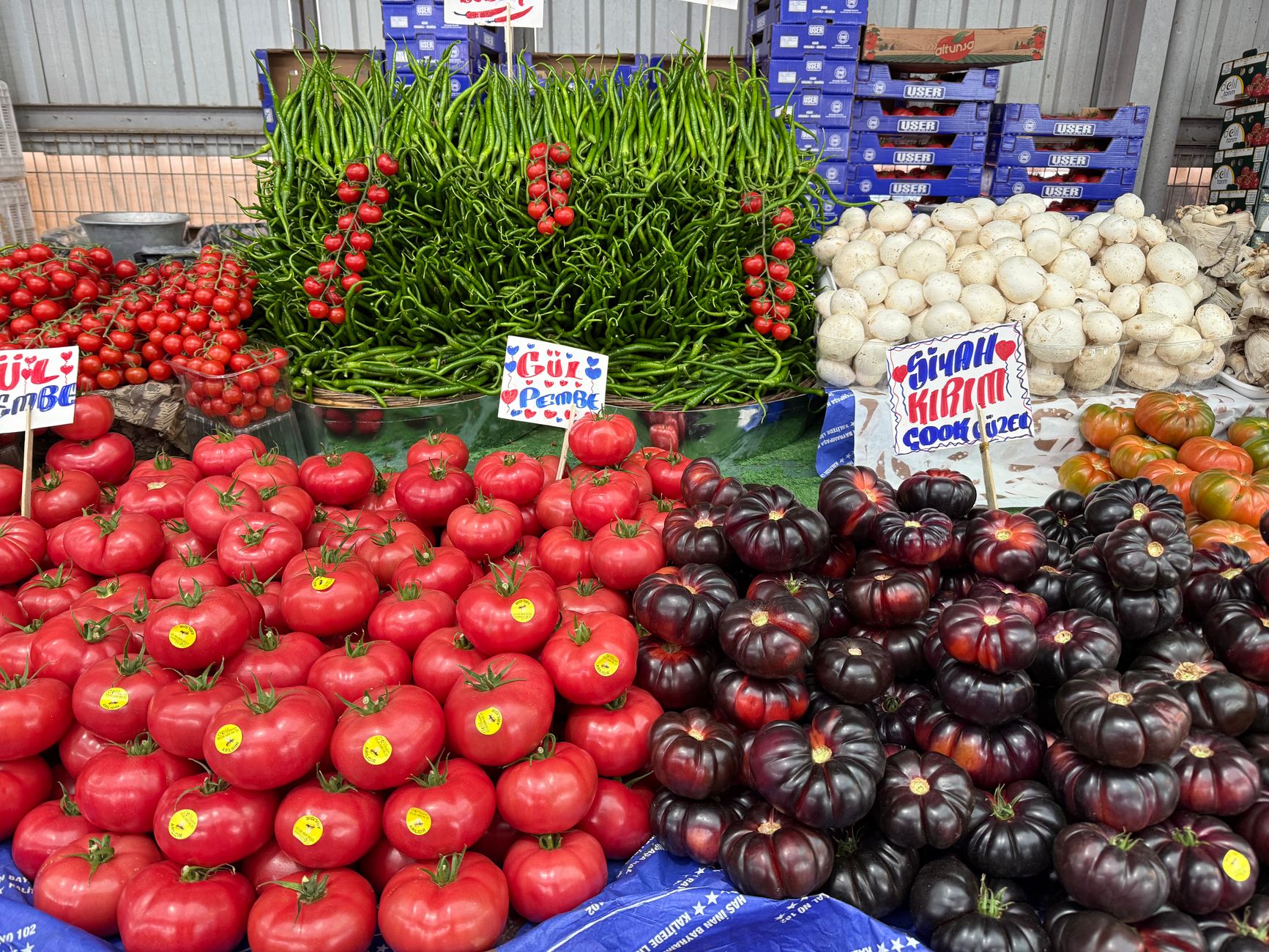
Turkey's food culture is a genuine asset for recovery. Markets overflow with seasonal produce—spring artichokes, summer tomatoes and peppers, autumn quince, winter citrus—and many clinics and residences source from local suppliers. This freshness means meals are rich in vitamins, minerals, and antioxidants that support wound healing and immune function. The Mediterranean-style Turkish diet, with its emphasis on olive oil, vegetables, legumes, fish, and yogurt, aligns well with modern recovery nutrition guidelines.
Beyond nutrients, food in Turkey is a source of comfort and connection. Sharing a meal—even a simple one—can lift your spirits during a vulnerable time. Many recovery residences offer communal dining or tea service, giving patients a chance to socialize safely. Turkish hospitality means you'll often be offered çay (tea) or a bowl of soup; accepting these small gestures can make your recovery feel less clinical and more human.
With a thoughtful nutrition plan, clear communication about your preferences, and an appreciation for Turkey's fresh, flavorful ingredients, you can turn mealtime into a positive part of your healing journey. The combination of clinical expertise and culinary richness is one of the many reasons patients return from Turkey not just healed, but inspired.
Thinking about treatment in Turkey?
Send us a question about this site or about the information published on it. This is a publisher's mailbox, not a medical service and not a route to a particular provider — for clinical questions, contact your own doctor.