

Why Türkiye Has Become a Global Hub for Second Opinions and Revision Care
For patients facing a disappointing result, a complication, or simply a lingering doubt about a proposed treatment plan, the search for a second opinion can feel overwhelming. Türkiye has quietly become one of the world's most trusted destinations for exactly this kind of care. Its surgeons handle a high volume of complex and revision cases every year, which builds a depth of experience that is difficult to find elsewhere.
Istanbul's major hospitals — many of them JCI-accredited — combine advanced imaging, modern operating theatres, and multidisciplinary teams that review cases together. That means a patient arriving with previous operative reports and imaging doesn't just get a quick glance; they get a structured assessment that considers the full history, not just the current symptom.
What sets Turkish clinics apart is not only technical skill but a culture of honest guidance. Experienced surgeons here are used to telling patients what is realistically achievable, what the risks are, and when a revision is worth doing — and when it may not be. That honesty, delivered with warmth and respect, is often the first moment of relief a patient feels after months of uncertainty.
"A second opinion is not a rejection of your first surgeon — it is an investment in your own peace of mind."
Who Should Consider a Second Opinion or Revision Abroad
Second opinions and revision procedures are not only for emergencies. They are valuable whenever the stakes feel high and the information you have feels incomplete. Common situations include a surgical result that didn't meet expectations, persistent pain or functional problems after a procedure, a new diagnosis with a treatment plan that feels rushed, or a recommendation for a major operation where you'd like an alternative perspective.
Revision cases in particular — such as revision rhinoplasty, revision bariatric surgery, or re-do joint procedures — require a surgeon who is comfortable working with scar tissue, altered anatomy, and the emotional weight that comes with a previous disappointment. Türkiye's high-volume centres see these cases routinely, and that repetition matters enormously for outcomes.
It is equally important to know when to wait. If you are still healing from a recent operation, many surgeons will advise giving the body time before considering revision. A good Turkish clinic will tell you this clearly rather than rush you into a new procedure. That patience is a sign of quality, not hesitation.

How to Send Your Previous Operative Reports and Imaging
The quality of your second opinion depends heavily on the quality of the information you provide. Before your consultation, gather your complete operative report (sometimes called an "op note"), discharge summary, pathology or lab results, and any imaging you have — CT, MRI, ultrasound, X-ray, or 3D scans. If you have treatment photographs from a previous aesthetic procedure, include them too.
For imaging, the original DICOM files are far more useful than printed films or smartphone photos of a screen. Ask your imaging centre for a CD, DVD, or secure download link containing the raw DICOM data. Most Turkish hospitals can accept these via a secure upload portal or a cloud link. If your files are large, share them through a service like WeTransfer or Google Drive and send the link by email or WhatsApp.
Organise everything into a single folder with clear names, for example: "2024-03-12 MRI Lumbar Spine" or "2023-11-04 Operative Report — Rhinoplasty". Include a one-page summary in English (or Turkish) listing your diagnoses, surgeries, medications, and allergies. This small effort saves hours during consultation and demonstrates that you are a prepared, engaged patient — something surgeons genuinely appreciate.
- Operative reports from every previous surgery
- Discharge summaries and hospital notes
- Imaging in original DICOM format, not screenshots
- Lab and pathology results
- Medication and allergy list, including doses
- Photos (for aesthetic or reconstructive cases)
If you are unsure what to send, ask the clinic's international patient coordinator. Reputable Turkish clinics assign a coordinator who speaks your language and will guide you through the upload step by step. Never feel embarrassed about incomplete records — coordinators handle this every day, and they will help you request anything missing from your original hospital.

What to Ask During Your Consultation
A good consultation is a conversation, not a sales pitch. Come prepared with a written list of questions, and don't be afraid to ask them twice if you need clarity. The surgeon should welcome this. If a clinic seems irritated by your questions, that is useful information in itself.
Start with the fundamentals: What do you believe is causing my current problem? What are my options, including doing nothing? What is the realistic outcome, and what is the risk of complications? Ask how many revision cases of this exact type the surgeon performs each year, and what their personal complication and revision rates are. Experienced surgeons answer these questions directly.
Then move to the practical details: who will perform the surgery, where will it take place, how many nights will you stay in hospital, and what follow-up is included after you return home? Ask what happens if a complication occurs after you fly back — will the clinic coordinate with a doctor in your country? Well-run clinics have clear answers and written aftercare protocols.
- What is your diagnosis and proposed plan, and why?
- What are the alternatives, including no treatment?
- How many similar revision cases do you perform yearly?
- What are the realistic results, risks, and recovery timeline?
- What is included in the quoted price — and what is not?
- What follow-up and remote support do you offer after I return home?
Finally, ask about the emotional side. Revision patients often carry anxiety from a previous experience. A caring surgeon will acknowledge that, explain how the plan addresses it, and give you space to decide without pressure. Take notes, or ask a companion to take them for you. You are allowed to go home and think.

Why Expertise in Complex Cases Creates Renewed Hope
There is a reason patients often describe their Turkish consultation as a turning point. When a surgeon has seen hundreds of complex cases, they can look at your situation and say with confidence, "I have seen this before, and here is what we can do." That kind of reassurance is not optimism for its own sake — it is grounded in pattern recognition built over years of high-volume practice.
Complex revision work also demands infrastructure: advanced imaging to map scar tissue or altered anatomy, anaesthesia teams experienced with higher-risk patients, and intensive care support when needed. Türkiye's private hospitals invest heavily in these resources, which is why they can take on cases that smaller centres decline.
Just as importantly, Turkish clinics understand that revision patients need more than a procedure — they need to feel heard. Coordinators, translators, psychologists, and nursing teams are often part of the care pathway. Many patients arrive feeling that they have run out of options; they leave with a clear, honest plan and a sense that someone is finally on their side.
Hope, in this context, is not blind. It is the natural result of accurate information, transparent risk discussion, and a surgeon who is genuinely qualified to help. That combination is what turns a fresh start into a confident outcome.
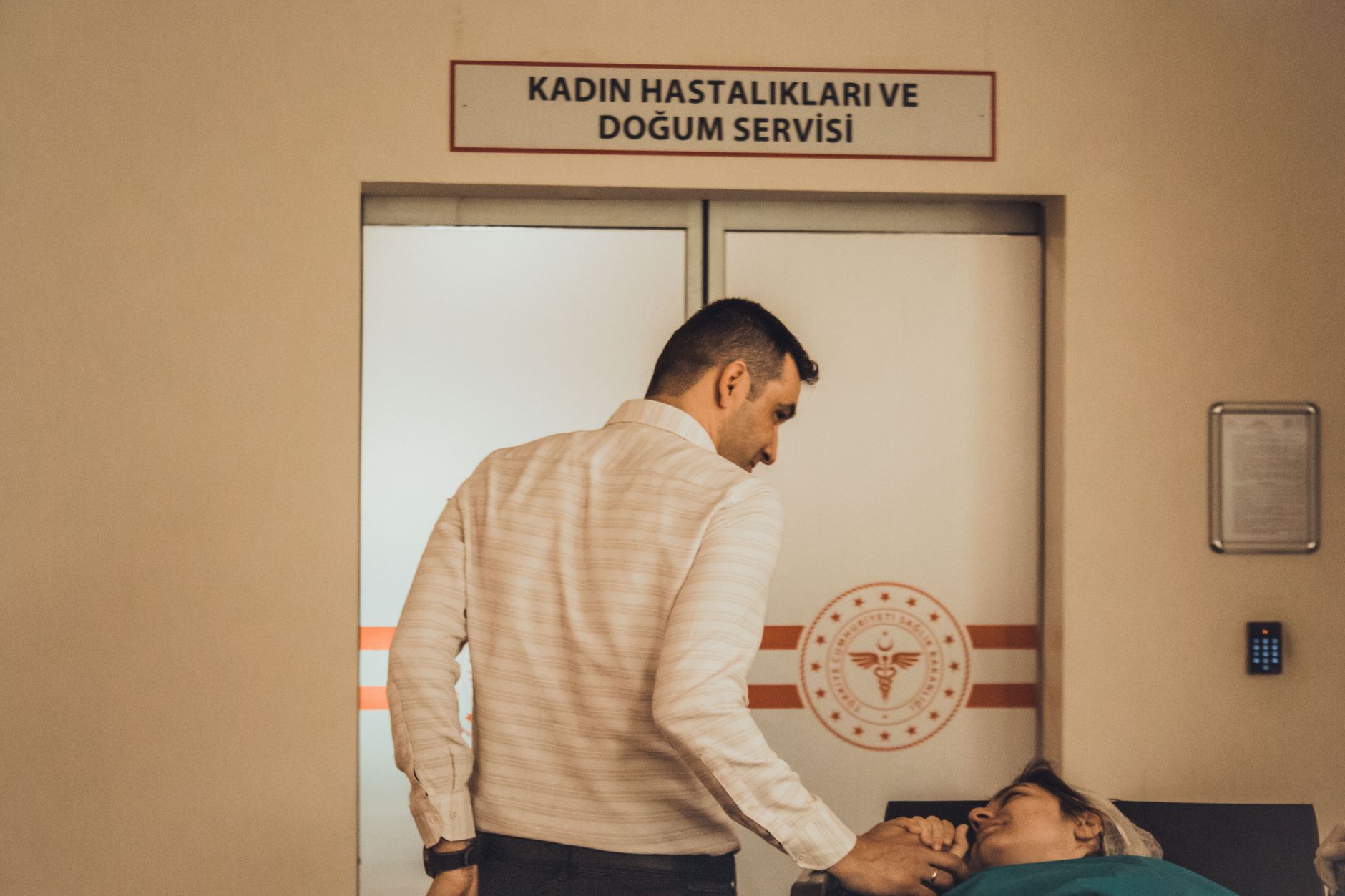
Practical Steps: From First Contact to Flights Home
Once you decide to move forward, the process is more straightforward than many patients expect. It typically begins with an online consultation — often free or low-cost — where you share your records and speak with a surgeon or specialist by video. Within a few days you receive a written assessment, a proposed plan, and a transparent quote.
If you proceed, the clinic will send a formal treatment plan and, when relevant, a visa invitation letter. Istanbul's two international airports, along with direct flights from hundreds of cities, make travel easy. Most clinics arrange airport transfers, hotel bookings near the hospital, and a translator for every appointment — so you are never navigating a foreign system alone.
Plan your stay realistically: build in a few days before surgery for tests and anaesthesia review, and enough time afterwards for your first follow-up before flying. Ask your surgeon for a "fitness to fly" confirmation before booking return travel. Once home, stay in touch through scheduled video check-ins and send photos if your procedure requires visual follow-up.
"Preparation is the difference between hoping for a good outcome and planning for one."
Finally, keep every document — reports, invoices, discharge notes, and aftercare instructions — in one place. They will help your local doctor support your recovery and, if ever needed, make any future second opinion even smoother. You are not starting from zero this time. You are starting from experience, and that is a powerful place to begin.
Thinking about treatment in Turkey?
Send us a question about this site or about the information published on it. This is a publisher's mailbox, not a medical service and not a route to a particular provider — for clinical questions, contact your own doctor.