

Why Türkiye Is the Smart Choice for North American Patients
If you’re in the USA or Canada and facing a long wait for surgery, a specialist consultation, or an advanced treatment, Türkiye offers an outstanding solution. Istanbul and other Turkish cities are home to internationally accredited hospitals, JCI-certified clinics, and surgeons who perform thousands of complex procedures every year. The combination of cutting-edge technology, highly trained specialists, and remarkable affordability makes Türkiye one of the world’s top medical tourism destinations.
For North Americans, the value is especially striking. Procedures that might take months to schedule at home—or come with a five- or six-figure price tag—can often be arranged within weeks in Türkiye, at a fraction of the cost. You’ll also gain access to innovative techniques and personalized care that many patients describe as more attentive and efficient than what they experience back home.
This guide walks you through the practical path: passport validity, the easy Turkish e-Visa, transferring your US or Canadian medical records, arranging travel medical coverage, and planning your recovery time before flying home. With a little preparation, your trip can be smooth, safe, and even enjoyable.
Passport and e-Visa: Simple Steps for a Smooth Entry
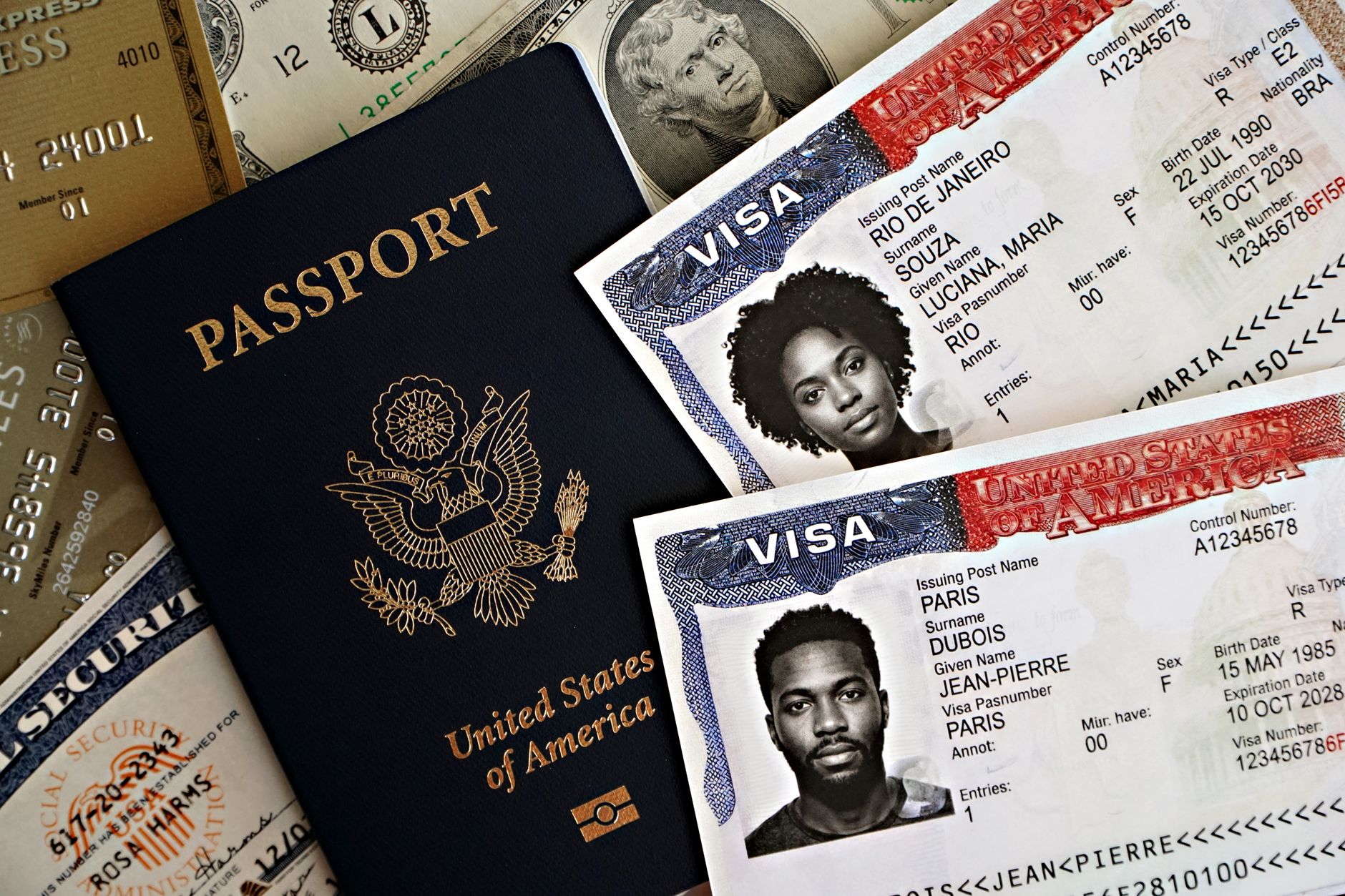
First things first: check your passport. For US and Canadian citizens, your passport should be valid for at least six months beyond your planned departure date from Türkiye. If it’s close to expiring, renew it now—passport processing times can vary, and you don’t want a paperwork delay to postpone your treatment. Most patients also need at least one blank page for stamps.
Next, the Turkish e-Visa. This is one of the easiest visa processes in the world. US and Canadian citizens can apply online at the official Republic of Türkiye e-Visa website (www.evisa.gov.tr). The application takes about 10 minutes: enter your passport details, travel dates, and pay a small fee (currently around $50 for US citizens; Canadian citizens may be exempt or pay a similar fee depending on current regulations). Approval is often instantaneous, and the e-Visa is linked electronically to your passport—no need to visit an embassy or consulate.
Be sure to print a copy of your e-Visa just in case, and carry it with your travel documents. Most e-Visas allow a stay of up to 90 days within a 180-day period, which is more than enough for most medical trips. If you plan to stay longer for extended rehabilitation, check whether you need a different visa type; your Turkish hospital’s international patient office can advise you.
Transferring Your Medical Records from the USA or Canada
Your Turkish medical team will want to understand your full health history before you arrive. Start by requesting a copy of your medical records from your primary care physician and any relevant specialists. You’ll need recent imaging (MRI, CT, X-rays), lab results, pathology reports, and a summary of medications and allergies. Ask for these in English; most Turkish hospitals have English-speaking coordinators who can translate if needed.
How to send them? Most Turkish hospitals accept records via email, secure file transfer, or a patient portal. Some may ask for DICOM files for imaging—these are the raw digital images, not just the written report. Your home radiology department can provide a CD or USB drive, or a link to download. If you’re working with a medical tourism facilitator, they can handle the transfer for you.
Be proactive: send your records at least two to three weeks before your trip so the Turkish specialists can review them and confirm your treatment plan. Bring hard copies and digital copies with you as well. It’s also wise to have your doctor write a brief letter summarizing your condition and any treatments to date. This ensures continuity of care and helps your Turkish team make the most of your consultation.

Arranging Travel Medical Coverage and Understanding Insurance
Your existing US or Canadian health insurance may not cover treatment abroad, so it’s essential to understand your policy. Some plans offer limited international coverage for emergencies, but elective procedures are typically excluded. Check with your insurer before you travel. If you have Medicare, note that it generally does not cover medical care outside the US. Canadian provincial health plans may cover only a small portion of emergency care abroad, and usually not planned procedures.
For peace of mind, consider purchasing a travel medical insurance policy that covers complications, hospital stays, and emergency evacuation related to your procedure. Many international medical tourism policies are designed specifically for patients traveling abroad and can be customized to include coverage for your treatment, follow-up care, and trip interruption. Compare plans carefully: look for coverage limits, exclusions, and whether the policy pays providers directly or reimburses you later.
In addition, your Turkish hospital will provide a detailed cost estimate and may require a deposit before scheduling. Most hospitals accept international credit cards, bank transfers, or cash. Keep all receipts and medical documentation; you may be able to claim some expenses as a medical tax deduction in the US or Canada, depending on your situation. Consult a tax advisor for specifics.
Finally, don’t forget travel insurance for non-medical issues: lost luggage, flight delays, or trip cancellation. A comprehensive travel policy can cover these and can often be bundled with medical coverage.

Planning Your Recovery Time Before the Flight Home
One of the most important logistical considerations is how long to stay in Türkiye after your procedure. Flying too soon can increase the risk of complications such as blood clots, swelling, or wound healing issues. Your surgeon will give you a recommended minimum stay—often 7 to 14 days for minor procedures, and 3 to 6 weeks for major surgeries like joint replacement or cardiac surgery.
Use this time to rest and recover in a comfortable hotel or recovery facility. Many Turkish hospitals have partnerships with nearby hotels that offer special medical tourist rates, and some even provide nursing care or physiotherapy on-site. Istanbul is well-equipped with accessible accommodations, and the city’s mild climate (especially in spring and autumn) is ideal for gentle walks once you’re mobile.
Before you book your return flight, get a fit-to-fly letter from your Turkish doctor. Airlines may require this for certain procedures. Also, book a flexible ticket or one that allows date changes in case your recovery takes longer than expected. Consider upgrading to extra legroom or business class for the flight home—it makes a big difference in comfort and reduces the risk of swelling.
Arrange for someone to help you at home during the first week or two after your return, especially if you’ve had surgery. Stock up on groceries, fill prescriptions, and schedule any follow-up appointments with your local doctor. Your Turkish medical team will send your records and post-op instructions to your home physician, ensuring a seamless transition.

Practical Tips for a Confident First Trip
Traveling for medical care can feel daunting, but a few smart moves make it easy. First, choose a hospital or clinic with an international patient department—they’ll guide you through every step, from airport pickup to translation services. Many hospitals in Istanbul offer VIP transfers and personal assistants who speak English.
Pack smart: bring comfortable clothing, slip-on shoes, and any personal items that make you feel at home. Leave valuables behind, and keep medications in their original containers with a copy of your prescription. Inform your bank and credit card companies that you’ll be traveling to Türkiye to avoid frozen accounts.
Learn a few Turkish phrases—‘merhaba’ (hello), ‘teşekkür ederim’ (thank you), and ‘yardım’ (help). Turks are famously hospitable, and a little effort goes a long way. Most importantly, focus on your health and let the experts handle the logistics. With Türkiye’s fast access to top specialists and outstanding value, you’re not just a patient—you’re a guest on a journey to better health.
Thinking about treatment in Turkey?
Share your contact details and a verified doctor will follow up with a plan built around you — free, no obligation.