
Why Türkiye Leads in Burn Reconstruction and Scar Revision
Türkiye has emerged as a global destination for advanced burn reconstruction and scar revision, combining cutting-edge laser therapy, tissue expansion, and skin grafting with a deep tradition of rehabilitative care. Turkish plastic and reconstructive surgery centres are known for their multidisciplinary approach, where burn specialists, physiotherapists, psychologists, and specialised nurses collaborate to address both the physical and emotional aspects of recovery. For international patients living with burn scars or contractures, this integrated model offers a genuine path to restored quality of life.
Many of these centres are located in Istanbul and Ankara, and a significant number hold Joint Commission International (JCI) accreditation. This international gold standard ensures that patient safety, hygiene, and clinical protocols meet the highest global benchmarks. The presence of JCI-accredited facilities gives international patients peace of mind, knowing that their care will be delivered according to rigorous, transparent standards.
What truly sets Türkiye apart is the combination of advanced technology and human touch. Turkish surgeons are often trained in Europe and the United States, and they are supported by nursing teams who specialise in wound care, scar management, and post-operative rehabilitation. This blend of expertise and empathy creates an environment where patients feel supported at every stage of their journey.
Understanding Your Treatment Options: From Laser to Tissue Expansion
Burn reconstruction and scar revision encompass a range of procedures tailored to the type, location, and maturity of the scar. In Türkiye, treatment plans are highly individualised, often beginning with a comprehensive assessment that includes 3D imaging and scar grading. For hypertrophic or keloid scars, fractional laser therapy can soften and flatten raised tissue, while pulsed-dye lasers target redness and improve texture. These laser sessions are typically spaced several weeks apart to allow the skin to heal and remodel.
For more extensive burns, especially those causing contractures that limit movement, tissue expansion may be recommended. This technique involves inserting a silicone balloon under the skin near the scar and gradually filling it with saline over several weeks. The expanded skin is then used to replace the scarred area, providing a better colour and texture match. Turkish surgeons have extensive experience with tissue expansion, particularly in the reconstruction of the face, neck, and hands.
Skin grafting remains a cornerstone for covering large wounds or replacing scarred areas. Depending on the case, surgeons may use split-thickness grafts, full-thickness grafts, or advanced dermal substitutes. In Türkiye, the use of cultured epithelial autografts and artificial skin products is also available at select centres. The choice of technique depends on the size and depth of the burn, the availability of donor sites, and the patient's overall health. Your surgical team will explain the pros and cons of each option during your consultation.
Staged Treatment Plans: A Roadmap to Recovery
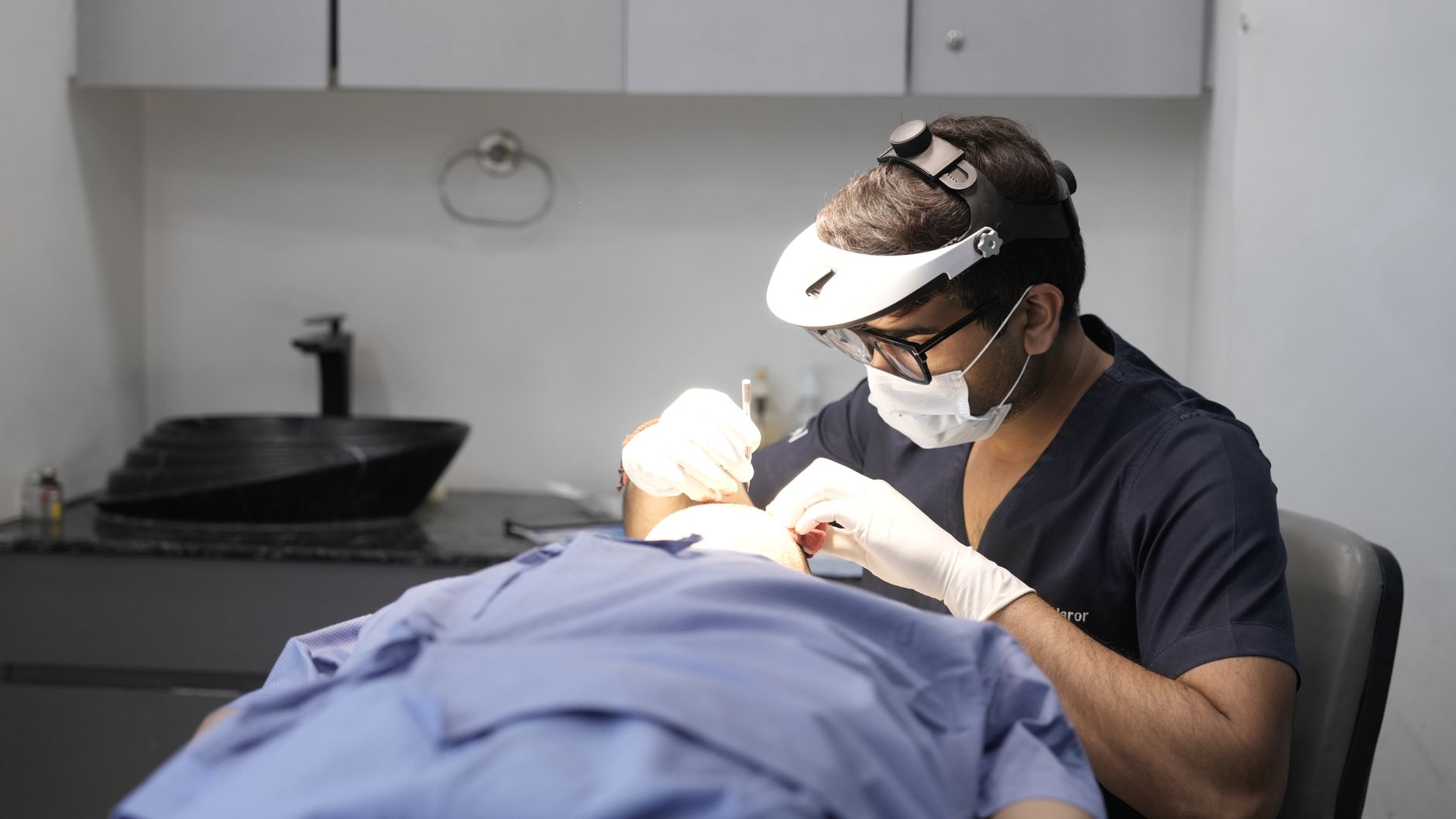
Because burn reconstruction is rarely a single procedure, Turkish hospitals excel at creating staged treatment plans that span weeks or months. These plans are designed to prioritise function and comfort first, followed by aesthetic refinement. For example, a patient with severe neck contractures might undergo release and grafting as the first stage, followed by laser therapy to improve the scar's appearance, and finally, minor revisions to fine-tune the contour.
Each stage is carefully timed to allow for optimal healing and to minimise the risk of complications. Between stages, patients may return home or stay in Türkiye for rehabilitation. Many hospitals offer coordinated scheduling so that international patients can plan their trips efficiently, often combining multiple procedures into a single stay when medically appropriate. This staged approach not only improves outcomes but also makes the process more manageable emotionally and financially.
Your treatment plan will include realistic timelines and milestones. It's important to understand that full maturation of scars can take 12 to 18 months, and final results may continue to improve over time. Turkish surgeons are known for their honest communication, helping you set expectations and celebrate progress along the way. This transparency builds trust and empowers you to actively participate in your recovery.
The Role of Supportive Nursing Care and Rehabilitation
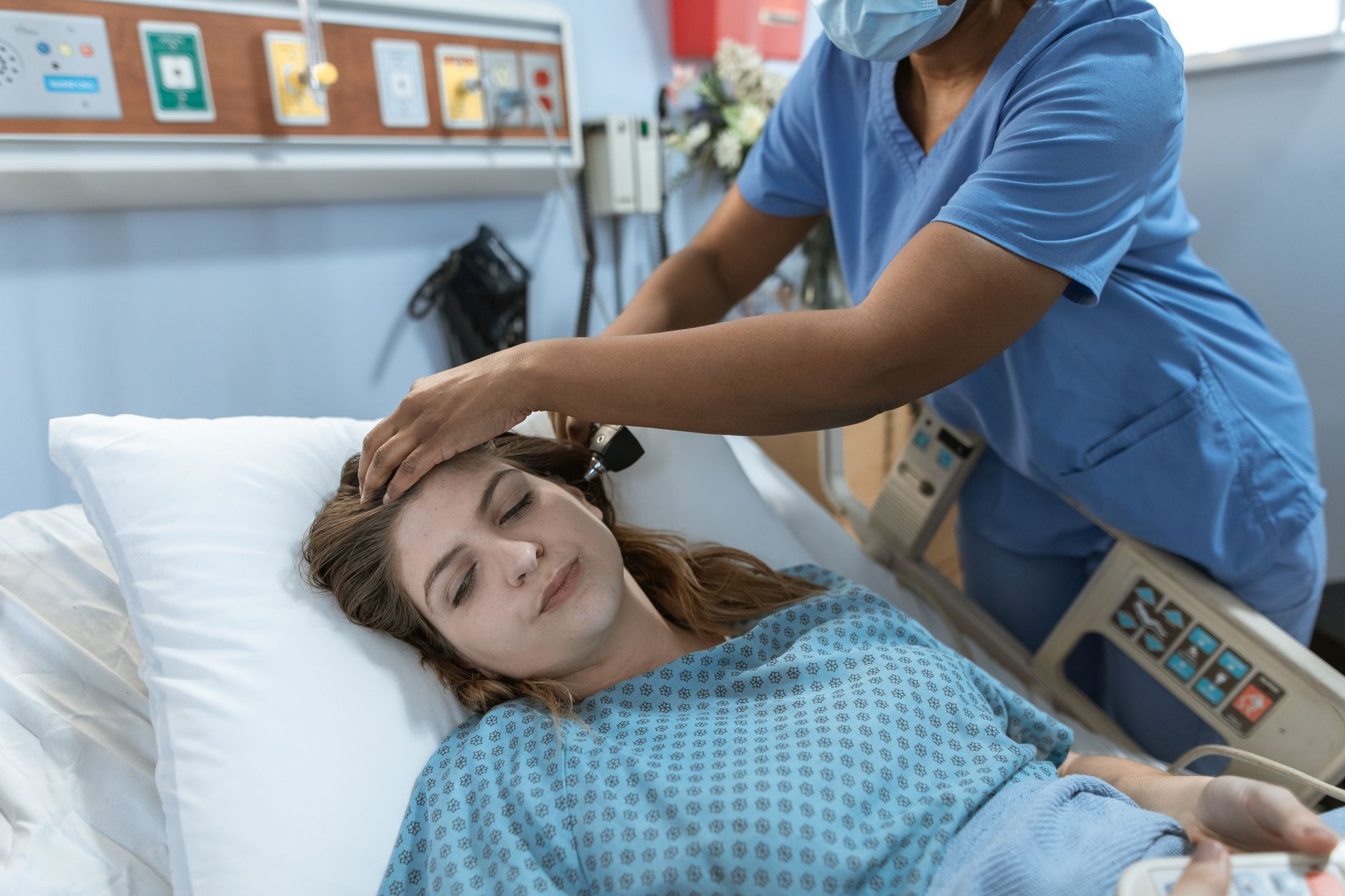
In Türkiye, nursing care is not an afterthought—it is an integral part of the treatment programme. Burn-specialised nurses are trained in advanced wound care, including negative pressure therapy, silicone gel application, and compression garment fitting. They also provide emotional support, recognising that scars can affect self-esteem and social interactions. Many hospitals assign a dedicated nurse coordinator to international patients, ensuring seamless communication and continuity of care.
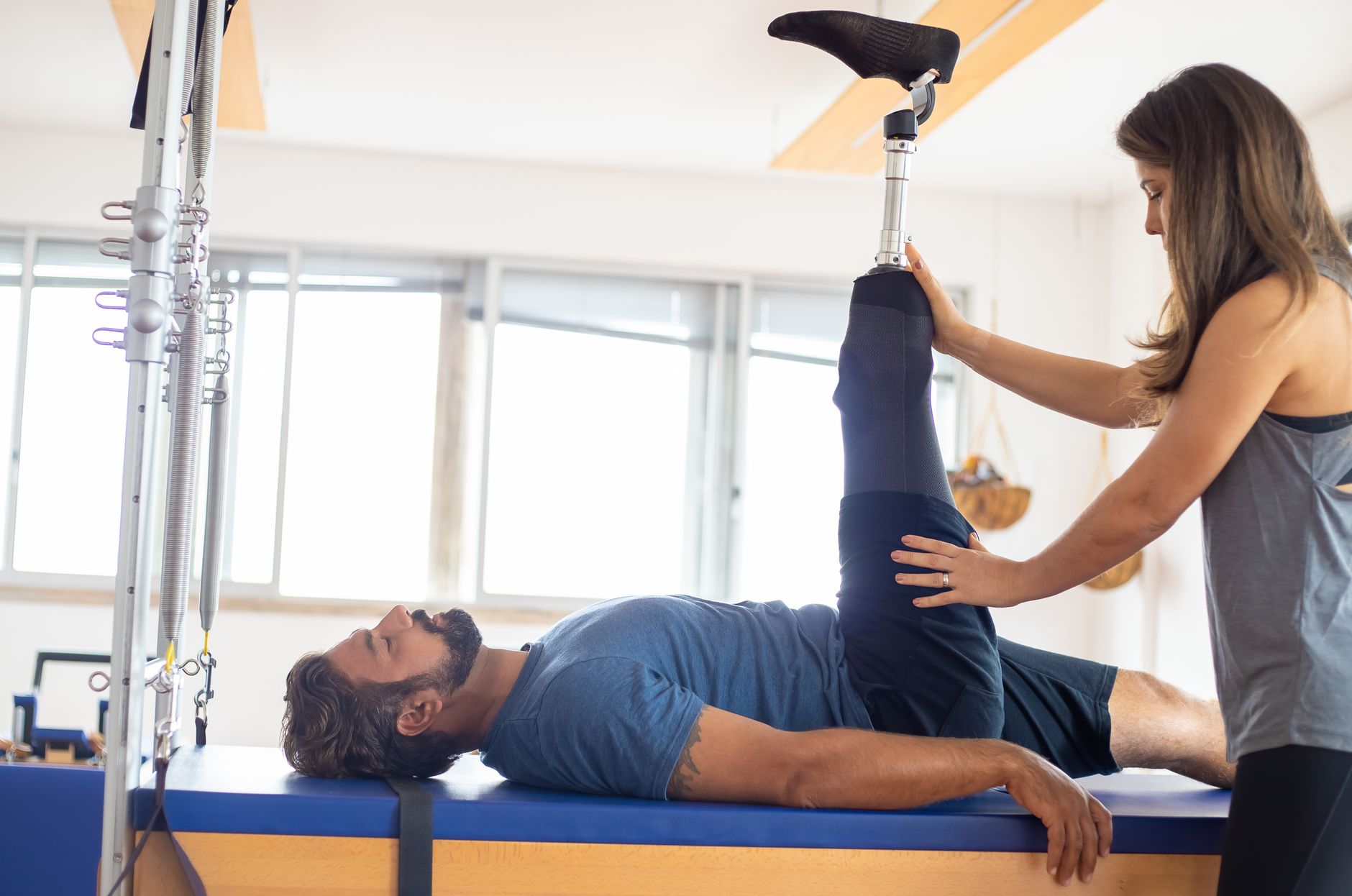
Rehabilitation begins early, often within days of surgery. Physiotherapists work with you to maintain range of motion, prevent contractures, and strengthen muscles. Occupational therapists help you adapt daily activities and may recommend splints or assistive devices. Psychology services are also available to address body image concerns, anxiety, or post-traumatic stress. This holistic approach addresses not just the scar, but the person behind it.
After discharge, you will receive a detailed aftercare plan that includes instructions for wound care, scar massage, sun protection, and follow-up appointments. Many Turkish hospitals offer telemedicine follow-ups, allowing you to consult with your care team from your home country. This ongoing support is crucial for maintaining results and catching any issues early.
Practical Steps for International Patients: Travel, Accommodation, and Coordination
Planning a medical journey to Türkiye is easier than you might think. Most JCI-accredited hospitals have international patient departments that assist with visa invitation letters, airport transfers, and translation services. They can also help you find nearby accommodation, often with special rates for medical travellers. Istanbul and Ankara are well-connected by direct flights from Europe, the Middle East, and North America, making travel convenient.
Before you travel, you'll need to provide medical records, photos of the affected area, and a list of medications. A virtual consultation can help determine whether you're a candidate for treatment and provide a preliminary quote. Once you arrive, you'll undergo a thorough in-person assessment, after which your personalised treatment plan and final cost will be confirmed. It's advisable to budget for potential additional procedures, as staged plans may evolve based on your healing response.
Costs in Türkiye are significantly lower than in Western Europe or the United States, often 50-70% less, without compromising quality. However, be wary of bargain offers that seem too good to be true. Choose hospitals with verifiable accreditation, and ask for before-and-after photos of similar cases. Patient testimonials and online forums can provide valuable insights. Ultimately, your safety and satisfaction should be the top priority.
Realistic Timelines and What to Expect During Recovery
Recovery from burn reconstruction is a marathon, not a sprint. In the first week after surgery, you can expect swelling, bruising, and some discomfort, which will be managed with medication. Drains and sutures are typically removed within 1-2 weeks. You'll need to avoid strenuous activity for at least 4-6 weeks, and scar care will continue for several months. Laser sessions may be scheduled every 4-6 weeks, and tissue expansion requires weekly visits for saline injections.
Emotionally, you may experience a rollercoaster of hope and frustration. It's normal to feel impatient or disappointed at times. Turkish care teams are experienced in guiding patients through these ups and downs, offering encouragement and adjusting the plan as needed. Support groups, both in-person and online, can connect you with others who have walked the same path.
The end result is often life-changing: improved mobility, reduced pain, and a scar that is softer, flatter, and less conspicuous. Many patients report a renewed sense of confidence and a willingness to engage in activities they had avoided. While no procedure can erase every trace of a burn, the goal is to restore function and comfort, and to help you feel more at ease in your skin.
Taking the First Step Toward Renewed Confidence
If you are considering burn reconstruction or scar revision, Türkiye offers a compelling combination of skilled surgeons, advanced technology, and compassionate care. The journey may seem daunting, but with a staged plan and a supportive team, it is entirely achievable. Start by researching JCI-accredited hospitals and reaching out to their international patient departments. Ask questions, request virtual consultations, and take your time to choose a provider that feels right for you.
Remember that you are not alone. Thousands of international patients have travelled to Türkiye for similar procedures and have returned home with improved quality of life. Your path to healing begins with a single step—and Türkiye's expert centres are ready to walk it with you.
Thinking about treatment in Turkey?
Share your contact details and a verified doctor will follow up with a plan built around you — free, no obligation.