

Why Türkiye Makes Medical Travel Entry Easy
Türkiye has become one of the world's most trusted destinations for medical and cosmetic procedures, and part of that reputation comes from how straightforward the entry formalities are for international patients. The country welcomes visitors from more than 100 nationalities without a visa, and many others can apply online through the electronic visa (e-Visa) system in a matter of minutes. For everyone else, Turkish embassies and consulates run a well-established visa service that includes a dedicated route for health and medical travel.
If you are planning a procedure in Istanbul, Izmir, Antalya or Ankara, the paperwork is rarely the hardest part of the journey. Clinics that treat international patients are used to the process and usually help you with the documents you need. Your job is mainly to gather a few standard items, confirm what your passport requires, and apply early enough that nothing feels rushed close to your operation date.
This guide walks you through both routes, explains the invitation letters and supporting documents clinics typically provide, and shows you how to time your application so you can arrive relaxed and focused on your health rather than on admin.
First, Check What Your Passport Actually Needs
Before anything else, confirm your nationality's specific entry rules for Türkiye. The rules change from time to time, so always check the official Republic of Türkiye e-Visa website and your nearest Turkish embassy as your primary sources. Broadly, travellers fall into three groups: visa-free nationalities, e-Visa eligible nationalities and those who must apply at a Turkish embassy or consulate.
Many European, Middle Eastern, Central Asian and Latin American passport holders can enter visa-free for tourism or medical visits for a set number of days, often 90 days within a 180-day period. Citizens of a large group of countries — including parts of Asia, Africa and the Gulf — can obtain an e-Visa online, sometimes with conditions such as holding a valid Schengen, UK or US visa, or a return ticket and hotel booking. Others need a standard visa from an embassy, which is where a clinic invitation letter becomes especially helpful.
Pay attention to passport validity, too. Turkish border authorities generally expect a passport valid for at least 60 days beyond your permitted stay, and many airlines ask for at least six months' validity before departure. Blank pages for stamps and correct spelling of your name on the ticket and visa are small details that prevent big headaches at check-in.
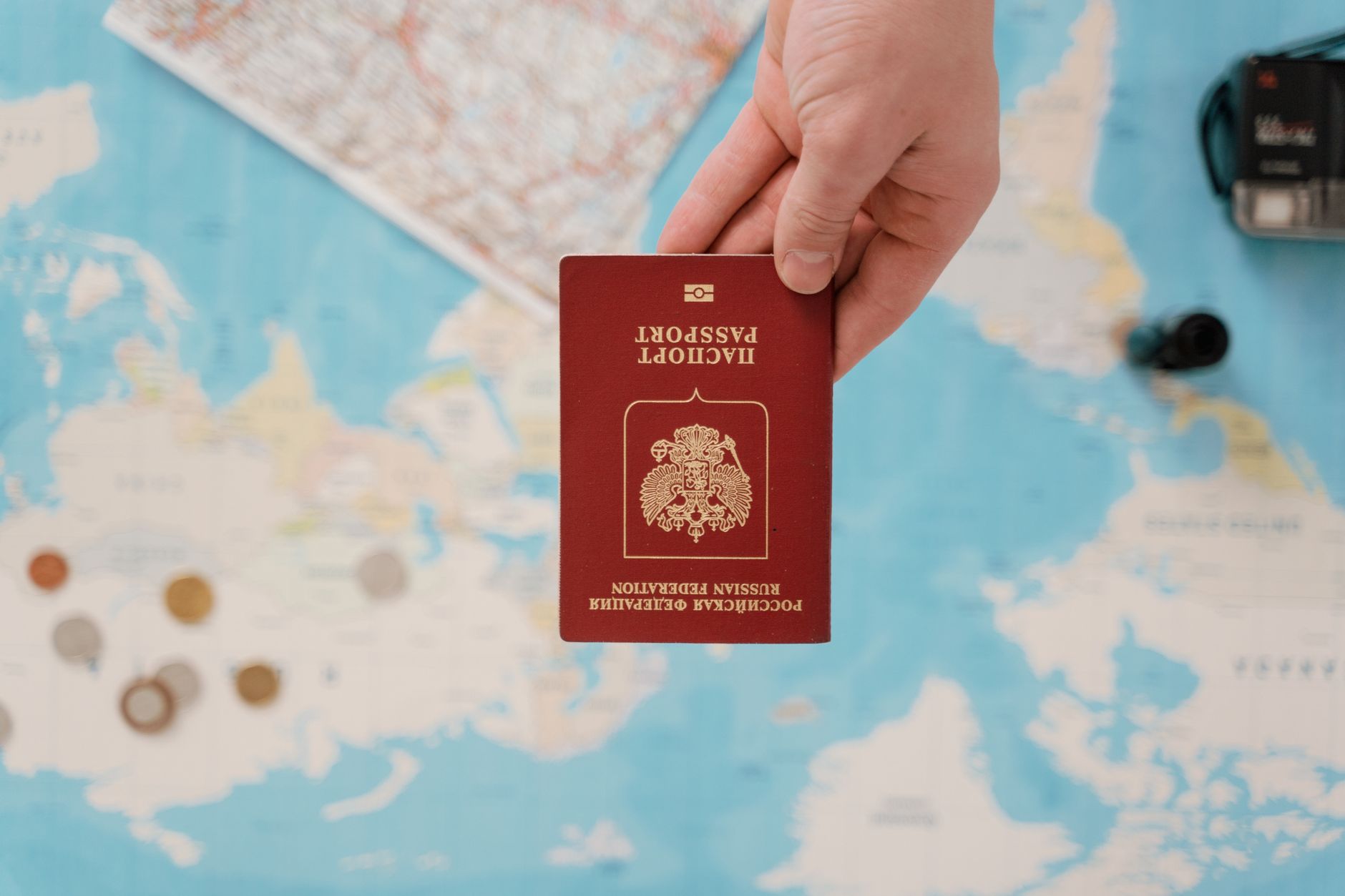
The e-Visa Route: Fast, Online and Patient-Friendly
The e-Visa is the simplest path for eligible nationalities. You complete an online form, pay a fee with a credit or debit card, and receive an approved visa document by email, usually within minutes, though it can take up to 24 hours. The visa is linked electronically to your passport, and you print a copy to carry with you. The entire process is designed to be quick, and most patients complete it in a single sitting.
For medical travellers, the key point is to answer the purpose-of-visit questions accurately and to be ready to show supporting documents if asked, such as your clinic appointment confirmation and a return ticket. An e-Visa does not usually require an invitation letter, but carrying one is never wasted — it helps at the airline desk and at passport control if an officer asks why you are travelling.
Be careful with the website you use. Apply only through the official government e-Visa portal. Third-party sites that look similar often charge inflated fees and add unnecessary steps. Keep your confirmation email and PDF in your phone as well as on paper, and double-check that every detail matches your passport exactly — a single swapped letter can cause delays.

The Embassy and Consulate Route: When an Invitation Letter Helps Most
If your nationality requires a visa obtained in advance, you will apply at a Turkish embassy or consulate, often through an appointment-based visa application centre. This route involves a paper form, photographs, a fee and a set of supporting documents. It takes longer — typically two to four weeks, sometimes more in busy seasons — so planning ahead matters.
This is the route where a medical invitation letter carries real weight. A well-prepared application shows a clear purpose of travel, confirmed arrangements and the funds to cover your stay. Your clinic's letter explains the treatment, the expected dates and who is responsible for what, which reassures consular officers that the trip is genuine and temporary. Many Turkish clinics have staff dedicated to international patients who can send these letters within a day or two.
Appointments can be scarce, particularly in the weeks before summer and major holidays. Book your slot as soon as your surgery date is fixed, and keep copies of every submission. If your country has several consulates, apply at the one that serves your registered address, since some missions enforce jurisdiction rules.

What Your Clinic Provides: Invitation Letters and Supporting Documents
Reputable Turkish clinics understand visa requirements and routinely issue documents that make applications smoother. The most important is the treatment invitation letter, printed on clinic letterhead with a reference number, the clinic's contact details and an authorised signature. It normally states your name and passport number, the planned procedure, the expected admission and discharge dates, and the anticipated length of stay.
Alongside the invitation letter, clinics commonly provide an appointment or consultation confirmation, a preliminary treatment plan with a cost estimate, and confirmation of deposit or payment arrangements where relevant. Some hospitals also supply a letter for the hospital's international department and a 24-hour contact number so that a consular officer or border official can verify the details if necessary. Ask your coordinator which documents they issue as standard, and request any extra ones well before you apply.
If you are travelling with a companion — a spouse, relative or carer — ask whether the clinic can include their name in the invitation letter or issue a separate letter for them. This is especially helpful when your companion needs their own visa and can show a clear reason for travel and a confirmed role in supporting your recovery.
Keep everything digital and printed. Save PDFs to your phone, email a copy to yourself and carry two paper sets: one in your hand luggage and one in your checked bag. This redundancy is simple but has rescued many travellers whose documents were lost or whose phone battery died at the wrong moment.
The Standard Document Checklist for Health Travel
Whichever route you take, prepare a folder of core documents. A passport valid well beyond your trip, a completed visa application if required, and recent biometric-style photographs are the foundation. Add your clinic invitation letter, appointment confirmation and treatment plan or cost estimate. Proof of accommodation — a hotel booking or clinic-arranged stay — and a return or onward ticket complete the core set.
Consulates and border officers may also want proof of funds, such as recent bank statements, and travel medical insurance covering your trip. Travel insurance is not always mandatory for entry, but it is strongly advisable for any medical journey, and some clinics require it for certain procedures. If you have a chronic condition, bring a brief letter from your home doctor summarising your health and current medication, translated into English if possible.
Organise your folder in the order you will be asked for items: passport and visa, invitation and appointment documents, accommodation and return ticket, insurance and funds. Officials appreciate a calm, well-ordered traveller, and a tidy folder makes every interaction faster.
Timing Your Application Around Your Surgery Date
Work backwards from your operation date. As a practical rule, aim to have your visa approved at least four to six weeks before your surgery. For the e-Visa, that is comfortable; for embassy applications, it allows buffer time if extra documents are requested or an appointment is delayed.
Ask your clinic when they can issue the invitation letter and confirm your dates — usually once a deposit is paid and the medical assessment is complete. Apply for the visa only after your treatment dates are confirmed, because the letter should match your actual appointment. If your surgery moves, ask for an updated letter rather than travelling with stale dates.
Check your visa's permitted stay against your full recovery and follow-up plan. Many patients need a longer stay than the surgery itself, including pre-operative tests and post-operative checks. If the standard visa window is shorter than your plan, discuss it with your clinic coordinator and the consulate early. Finally, book flights once the visa is approved, not before, and leave a couple of days between arrival and your procedure to recover from travel.
At the Airport and Beyond: A Smooth Arrival
On arrival, expect standard passport control. Have your passport, visa or e-Visa printout, invitation letter and return ticket within easy reach. If an officer asks the purpose of your visit, simply say you are travelling for medical treatment and show the clinic letter. Named hospitals and established clinics are well known, and verification is usually quick.
Istanbul's new airport and Sabiha Gökçen, along with airports in Izmir, Antalya and Ankara, have clear signage in English and plenty of staff to help. Many clinics offer airport transfers — confirm your pickup details in advance and share your flight number. Keep your medication in your hand luggage with a copy of your prescription, use labelled luggage, and arrange a local SIM or eSIM so you can reach your coordinator on arrival.
Bring a small amount of local currency for immediate needs and keep your embassy's contact details saved. With the preparation above, arrival in Türkiye is usually calm and uneventful, leaving you free to focus on the treatment and recovery you came for.
Thinking about treatment in Turkey?
Send us a question about this site or about the information published on it. This is a publisher's mailbox, not a medical service and not a route to a particular provider — for clinical questions, contact your own doctor.